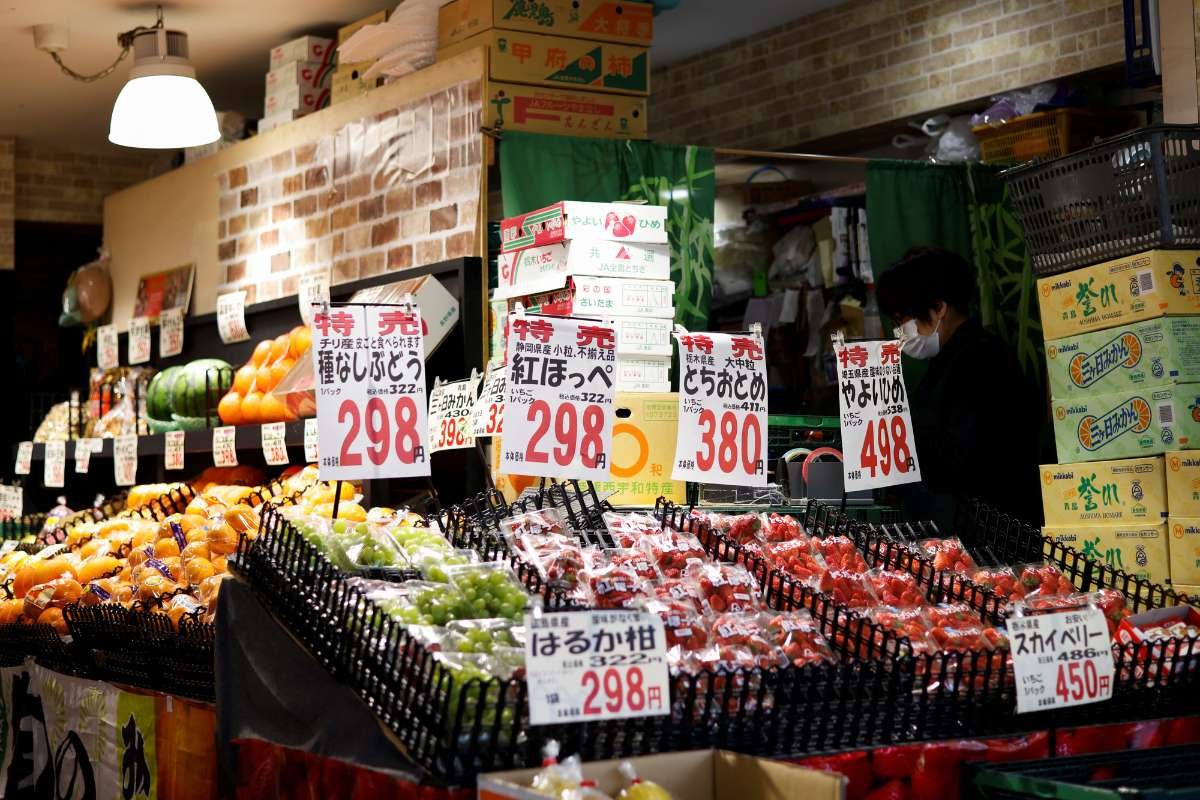
Japan’s core inflation cooled sharply in January, easing to its slowest pace in two years and landing precisely at the Bank of Japan’s (BoJ) 2% target. Government data showed that the core consumer price index, which excludes volatile fresh food prices, rose 2.0% year-on-year, marking a significant moderation from previous months. Headline inflation slowed even further to 1.5%, dipping below the central bank’s target for the first time in nearly four years.
The data reflects fading cost pressures that had gripped households and businesses following global supply chain disruptions and elevated energy prices. Government measures, including fuel subsidies and other relief initiatives, have helped dampen price increases, particularly in energy-related categories. A narrower measure of inflation, which excludes both fresh food and energy, also eased, indicating that underlying price momentum is gradually softening.
While the slowdown offers relief to consumers burdened by rising living costs, Japan’s Core Inflation signals a turning point in Japan’s inflation cycle. For much of the past two years, policymakers have grappled with inflation running above target after decades of deflationary pressure. January’s figures suggest that the upward momentum may be stabilizing, though the broader sustainability of inflation remains uncertain.
Rate Hike Expectations Face New Uncertainty
The cooling inflation data complicates the Bank of Japan’s policy trajectory. Over the past year, the central bank has taken historic steps to normalize monetary policy, moving away from ultra-loose settings that had been in place for years. Interest rates were lifted to 0.75% late last year, levels not seen in roughly three decades as inflation showed signs of becoming more entrenched.
However, with price growth now moderating toward target, the urgency for further immediate rate hikes appears to have diminished. Japan’s Core Inflation data has prompted participants are reassessing expectations for the timing of additional tightening. While many economists still anticipate that rates could eventually rise to around 1% by mid-2026, the probability of near-term increases has declined following January’s data.
The BoJ has previously indicated that inflation could temporarily dip below target in early 2026 due to base effects and the fading impact of higher import costs. Policymakers have emphasized that sustained wage growth will be key to maintaining stable, demand-driven inflation. As annual wage negotiations approach, attention will focus on whether pay increases can support consumption and keep inflation anchored near the 2% goal.
Government Signals Coordination but Stresses Independence
The latest inflation figures arrive amid renewed political focus on economic coordination. Prime Minister Sanae Takaichi has expressed hopes for close collaboration between the government and the central bank to ensure that inflation remains stable while real wages improve. Officials have emphasized that durable, demand-led price growth, rather than temporary cost-driven spikes, is essential for long-term economic stability.
At the same time, members of the ruling coalition have reaffirmed the importance of central bank independence. Policymakers have underlined that decisions regarding interest rates should remain solely within the BoJ’s mandate, even as fiscal measures are considered to support households and sustain growth.
Japan’s broader economic landscape remains delicate. GDP growth has shown signs of modest recovery following weaker momentum late last year, but external risks and domestic consumption trends continue to shape the outlook. With inflation now aligning more closely with the target, the Bank of Japan faces a nuanced challenge: balancing cautious normalization with the need to safeguard economic momentum in an uncertain global environment.