The largest grocery chains in the US are not all traditional supermarkets anymore. Walmart, Costco, warehouse clubs, online retailers, discount stores, and regional grocers are all fighting for the same grocery dollar.
This 2026 ranking uses the latest U.S. retail sales data available, plus store counts and grocery market share where comparable data exists. Together, these retailers show how scale, pricing, convenience, digital shopping, and strong regional loyalty now shape the American grocery market.
What counts as the largest grocery chains in the US?
A grocery chain can be a supermarket company, warehouse club, mass retailer with a major grocery business, or a retailer with a large online grocery operation.
That matters because the largest grocery chains in the US now include businesses such as Walmart, Amazon, Costco, and Sam’s Club. They do not all make money in the same way, but food is a major part of their retail business.
For this list, grocery retailers are ranked by U.S. retail sales first. Store reach and market share are used to give more context.
How we ranked the largest grocery chains in the US
The ranking focuses on 2025 U.S. retail sales, the latest full-year figure used in the 2026 National Retail Federation and Kantar rankings. This is a better base than mixing global revenue with U.S. grocery sales.
The largest grocery chains in the US were then checked against current store counts and grocery market-share data. Private companies with limited financial disclosure are marked as estimates where needed.
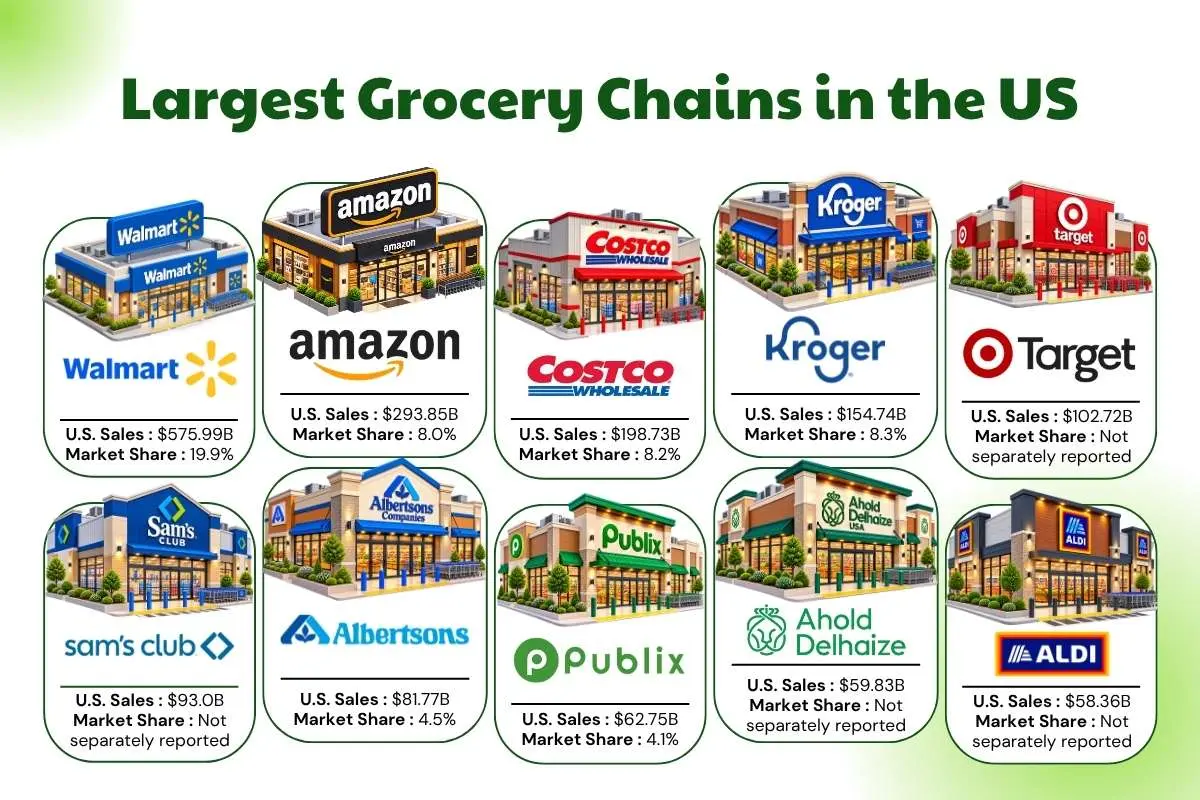
NRF’s 2026 ranking puts Walmart first among U.S. retailers, with $575.99 billion in 2025 U.S. retail sales. Amazon ranked second at $293.85 billion, Costco third at $198.73 billion, and Kroger fourth at $154.74 billion.
2026 at a Glance: Largest Grocery Chains in the US
| Rank | Grocery Chain | U.S. Sales/Revenue | Store Count | Grocery Market Share | Headquarters |
| 1 | Walmart | $575.99B | 4,615 | 19.9% | Bentonville, AR |
| 2 | Amazon | $293.85B | 500+ grocery stores/locations | 8.0% | Seattle, WA |
| 3 | Costco | $198.73B | 647 U.S. warehouses | 8.2% | Issaquah, WA |
| 4 | Kroger | $154.74B | 2,697 | 8.3% | Cincinnati, OH |
| 5 | Target | $102.72B | 2,000+ | Not separately reported | Minneapolis, MN |
| 6 | Sam’s Club | $93.0B | 601 | Not separately reported | Bentonville, AR |
| 7 | Albertsons Companies | $81.77B | 2,244 | 4.5% | Boise, ID |
| 8 | Publix | $62.75B | 1,442 | 4.1% | Lakeland, FL |
| 9 | Ahold Delhaize USA | $59.83B | 2,015+ | Not separately reported | Carlisle, PA |
| 10 | ALDI | $58.36B | Nearly 2,800 planned | Not separately reported | Batavia, IL |
| 11 | H-E-B | $44.16B | 450+ | Not separately reported | San Antonio, TX |
| 12 | Dollar General | $43.13B | 20,000+ | Not separately reported | Goodlettsville, TN |
| 13 | Meijer | $22.82B | 500+ | Not separately reported | Grand Rapids, MI |
| 14 | Trader Joe’s | $20B+ estimated | 650+ | Not separately reported | Monrovia, CA |
| 15 | BJ’s Wholesale Club | $21.05B | 267 | Not separately reported | Marlborough, MA |
| 16 | Wakefern/ShopRite | $19.57B+ | Nearly 400 | Not separately reported | Keasbey, NJ |
| 17 | Hy-Vee | $14.19B | 280+ | Not separately reported | West Des Moines, IA |
| 18 | Wegmans | $13.36B | 115+ | Not separately reported | Rochester, NY |
| 19 | WinCo Foods | $10.65B | 140+ | Not separately reported | Boise, ID |
| 20 | Giant Eagle | $10.63B | 470+ | Not separately reported | Pittsburgh, PA |
| 21 | Sprouts Farmers Market | $8.81B | 490 | Not separately reported | Phoenix, AZ |
| 22 | Northeast Grocery | $7.96B | Nearly 300 | Not separately reported | Schenectady, NY |
| 23 | Chedraui USA | $7.73B | 380+ | Not separately reported | Los Angeles, CA |
| 24 | Grocery Outlet | $4B+ | 547 | Not separately reported | Emeryville, CA |
| 25 | Save A Lot | Private/undisclosed | About 650 | Not separately reported | St. Ann, MO |
The market-share picture is just as important as sales. Numerator’s 2026 data puts Walmart at about 19.9%, Kroger at 8.3%, Costco at 8.2%, Albertsons at 4.5%, and Publix at 4.1% of the grocery market.
The Top 25 largest grocery chains in the US
Here is what separates the major names from the pack.
1. Walmart
Walmart remains the clear leader. Its low-price model, huge store network, supercenters, pickup service, and online grocery business give it reach few rivals can match. Its U.S. footprint stood at 4,615 Walmart stores at the end of July 2026.
2. Amazon
Amazon has become a serious grocery player through Whole Foods, Amazon Fresh online, and same-day grocery delivery. In 2026, Amazon closed its Amazon Go and Amazon Fresh physical stores while putting more money into Whole Foods and online delivery.
3. Costco
Costco uses a simple formula: membership fees, bulk products, and strong value. It had 647 U.S. and Puerto Rico warehouses in September 2026.
4. Kroger
Kroger remains America’s biggest traditional supermarket operator by U.S. retail sales. It ran 2,697 supermarkets as of January 2026 and continues to push pickup, delivery, private labels, and digital shopping.
5. Target
Target is not a pure grocery chain, but food is an important part of its stores. Its grocery range, same-day pickup, and delivery keep it in the wider grocery competition.
6. Sam’s Club
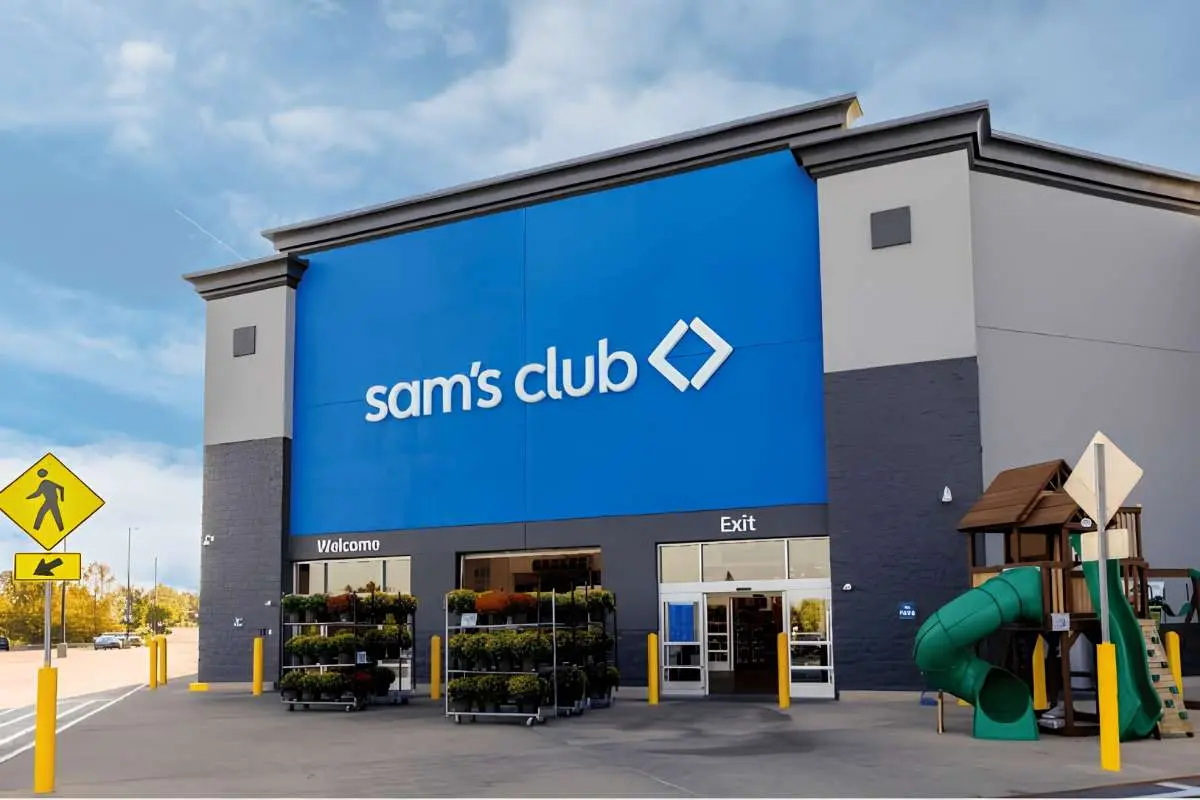
Sam’s Club is Walmart’s membership warehouse business. It had 601 U.S. clubs and $93 billion in fiscal 2026 net sales. Grocery remains one of its strongest categories.
7. Albertsons Companies
Albertsons operates a large family of supermarket brands, including Safeway, Vons, Jewel-Osco, Shaw’s, and ACME. It had 2,244 stores across 35 states and Washington, D.C., in February 2026.
8. Publix
Publix remains a major force across the Southeast. Its 2025 retail sales reached $62.7 billion, with 1,442 stores across eight states.
9. Ahold Delhaize USA
Its portfolio includes Food Lion, Hannaford, Stop & Shop, The GIANT Company, and Giant Food. The group reported more than 2,015 stores and $60 billion in U.S. sales for 2025.
10. ALDI
ALDI keeps pushing its low-cost model into new markets. The company plans more than 180 new U.S. stores in 2026 and expects to reach nearly 2,800 stores by year-end.
11. H-E-B
H-E-B has built enormous loyalty in Texas while expanding deeper into North Texas. The company now has more than 455 stores across Texas and Mexico and annual sales above $50 billion.
12. Dollar General
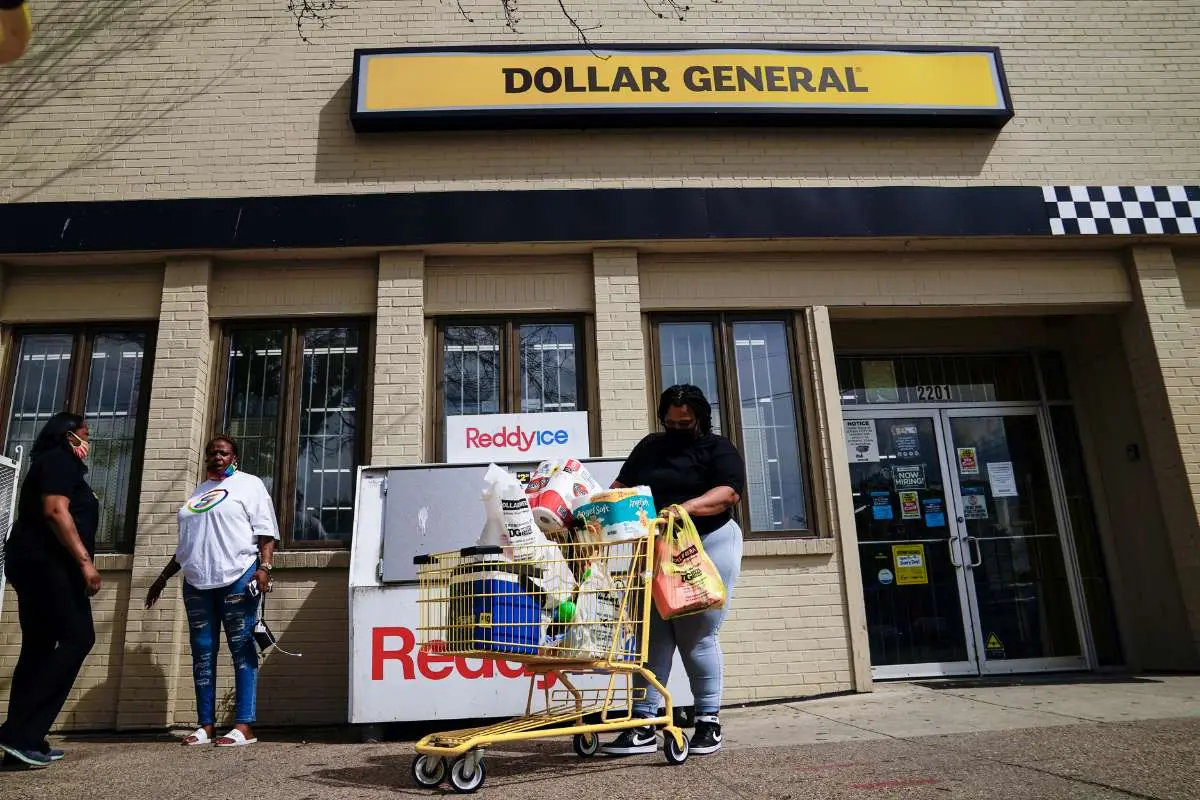
Dollar General is not a traditional supermarket, but its huge footprint and growing food assortment make it hard to ignore. It reaches many smaller towns and rural markets.
13. Meijer
Meijer combines groceries with general merchandise through large stores across the Midwest. The family-owned retailer operates more than 500 locations.
14. Trader Joe’s
Trader Joe’s has fewer stores than the giants, but its private-label model gives it unusual sales power. The company is privately held, so current revenue figures are estimates rather than audited public figures.
15. BJ’s Wholesale Club
BJ’s is a warehouse club built around groceries, bulk buying, and membership savings. It now operates 267 clubs in 22 states and serves more than 8.5 million members.
16. Wakefern/ShopRite
Wakefern is a cooperative whose banners include ShopRite, Price Rite, and The Fresh Grocer. Its members generated $20.7 billion in retail sales in fiscal 2025.
17. Hy-Vee
Hy-Vee serves the Midwest with supermarkets that mix food, pharmacy, health services, and prepared meals. Its 2025 U.S. retail sales were $14.19 billion.
18. Wegmans
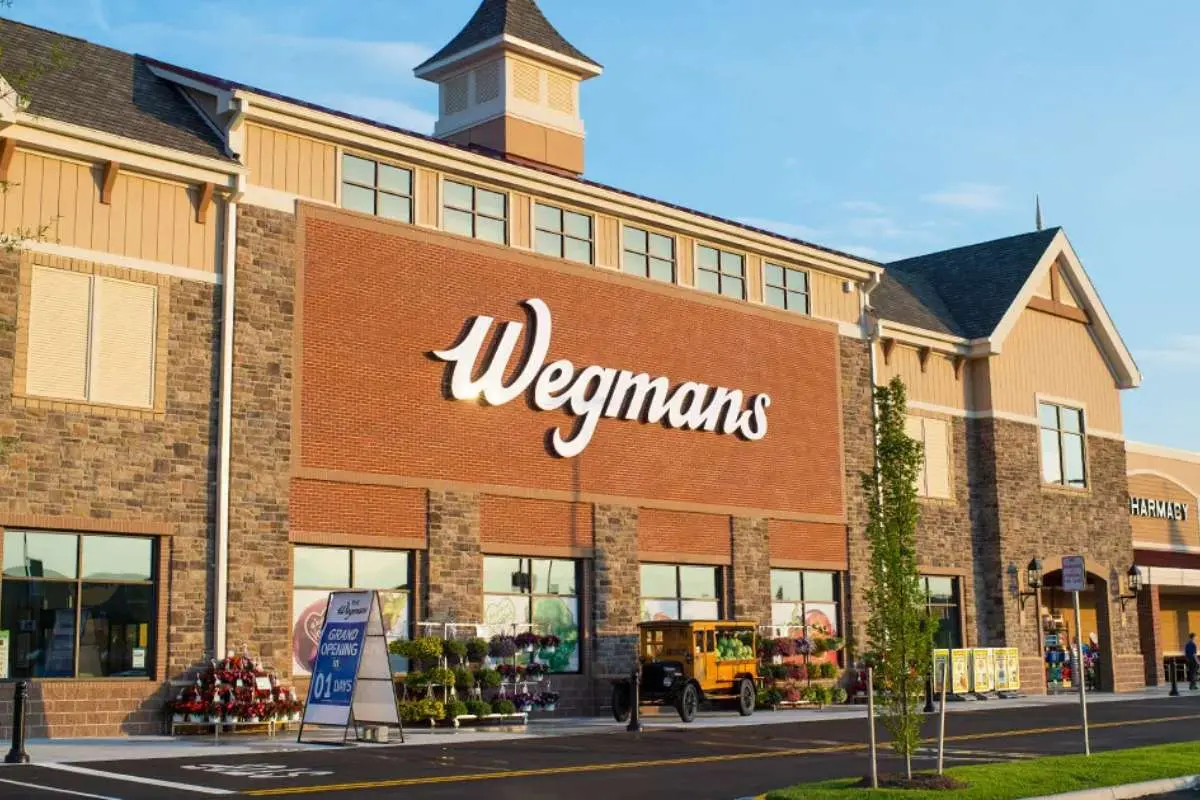
Wegmans is known for large stores, prepared foods, fresh departments, and strong customer service. It generated $13.36 billion in 2025 U.S. retail sales.
19. WinCo Foods
WinCo competes on low prices and large stores. Its employee-owned model and warehouse-style buying help it keep costs down.
20. Giant Eagle
Giant Eagle remains an important regional grocer in the Midwest and Mid-Atlantic. Its network includes supermarkets, pharmacies, and related grocery formats.
21. Sprouts Farmers Market
Sprouts is one of the fastest-growing specialty grocers. It ended 2025 with 477 stores and added 37 stores that year. By June 2026, it had reached 490 stores. Source: SEC filings.
22. Northeast Grocery
Northeast Grocery owns Price Chopper, Market 32, and Tops Friendly Markets. It operates nearly 300 stores across six Northeastern states.
23. Chedraui USA
Chedraui USA operates El Super, Fiesta Mart, and Smart & Final. It had more than 380 U.S. stores in 2026, serving a large Hispanic and multicultural customer base.
24. Grocery Outlet
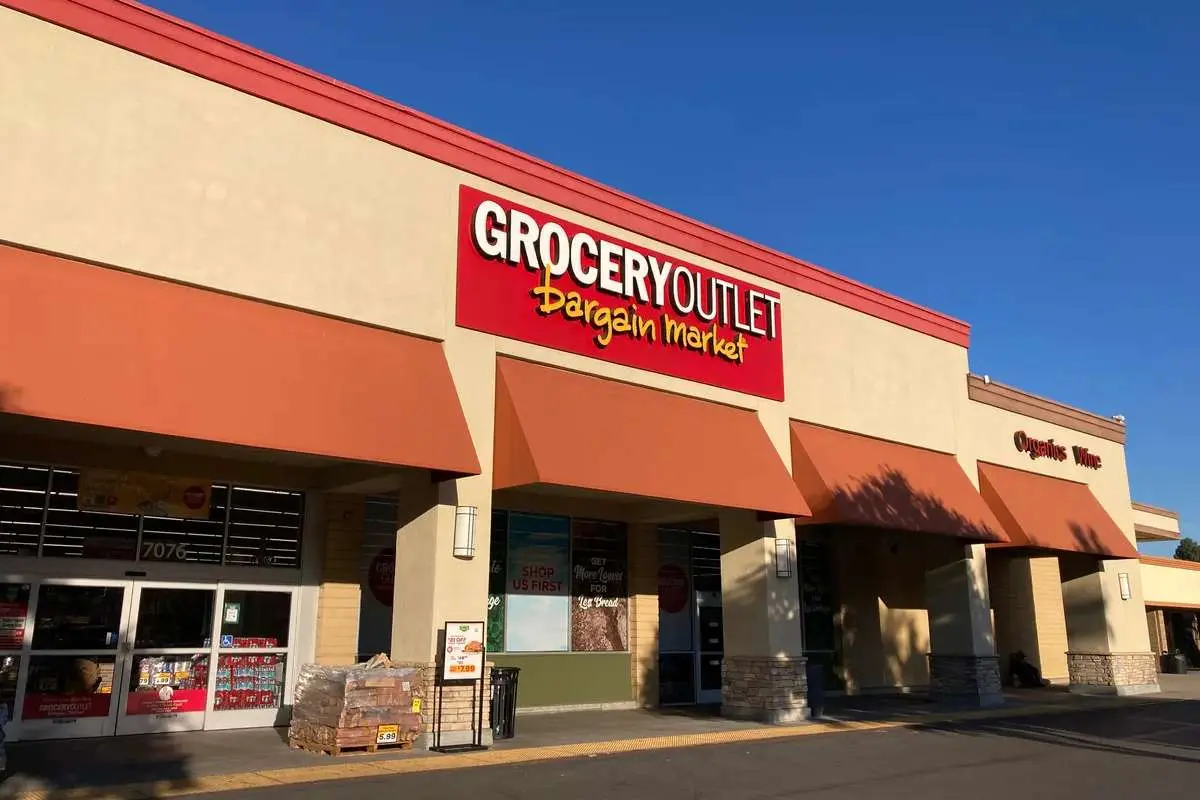
Grocery Outlet is built around extreme value and changing deals. It had 547 stores as of July 2026.
25. Save A Lot
Save A Lot remains a discount grocery name, but its footprint has changed sharply. The company had about 650 stores in 2026, down from roughly 1,000 in 2020.
Why the largest grocery chains in the US look different now
The old supermarket model is no longer the whole story. The largest grocery chains in the US now compete across stores, apps, pickup, delivery, memberships, private labels, and retail media.
That shift also explains why warehouse clubs and mass retailers appear beside traditional supermarkets. A shopper may buy produce at Costco, pantry items at Walmart, and specialty food from Amazon in the same week.
Read More: 25 Largest Companies in the United States in 2026 by Revenue, Market Cap, and More
Which grocery retailers are growing fastest?
Among the largest grocery chains in the US, Sprouts stands out for store growth. Its 2025 sales rose 14%, and it opened 37 stores during the year.
Costco also posted strong momentum. Its 2026 U.S. comparable sales rose 7.6% for the first 39 weeks of its fiscal year, while digitally enabled sales rose 21.6%.
ALDI is another major expansion story. It plans more than 180 new stores during 2026 and has a long-term goal of 3,200 U.S. stores by the end of 2028.
What are the biggest online grocery retailers?
Online shopping has changed the largest grocery chains in the US more than almost any other retail shift.
The biggest names include:
- Walmart, with a huge store-based pickup and delivery network.
- Amazon, with Whole Foods, Amazon Fresh online, and same-day grocery delivery.
- Kroger, with more than 2,700 stores supporting its digital business.
- Albertsons, with pickup and delivery across its supermarket banners.
- Target, which uses stores to support same-day fulfillment.
Amazon said in 2026 that its grocery delivery service reached more than 5,000 U.S. cities and towns. It also plans to open more than 100 additional Whole Foods stores over the coming years.
Final take
The largest grocery chains in the US are getting bigger, but they are not all following the same playbook.
Walmart wins on scale. Costco wins with membership and bulk value. Kroger remains a supermarket heavyweight. ALDI is expanding through discount pricing, while Sprouts is growing through specialty food.
The more interesting battle may be online. Grocery shopping is becoming a mix of stores, pickup, delivery, memberships, and digital orders. The retailers that make all of those pieces work together will have the strongest position in the years ahead.
FAQs
1. What is the largest grocery chain in the U.S. by sales?
Walmart is the largest grocery retailer by U.S. retail sales and holds the biggest grocery market share. Numerator put Walmart’s 2026 grocery market share at about 19.9%.
2. Which grocery chain has the most stores?
It depends on the definition. Walmart has 4,615 U.S. stores, while ALDI is expected to reach nearly 2,800 stores by the end of 2026. Among traditional supermarket operators, ALDI and Kroger are among the largest by location count.
3. Which grocery retailers are growing fastest?
Sprouts is one of the fastest-growing traditional grocery chains in 2026. It opened 37 stores in 2025 and reached 490 stores by June 2026. ALDI is also expanding quickly, with plans for more than 180 new U.S. stores in 2026.
4. What are the biggest online grocery retailers?
Walmart, Amazon, Kroger, Albertsons, and Target are among the biggest online grocery retailers in the U.S. Walmart and Amazon have particularly broad delivery networks, while Kroger and Albertsons use their large store networks for pickup and delivery.
5. Is Trader Joe’s owned by Aldi?
Trader Joe’s and ALDI are connected through the Albrecht family, but they are not the same company. Trader Joe’s operates as a separate U.S. business under the Aldi Nord side of the family ownership structure.