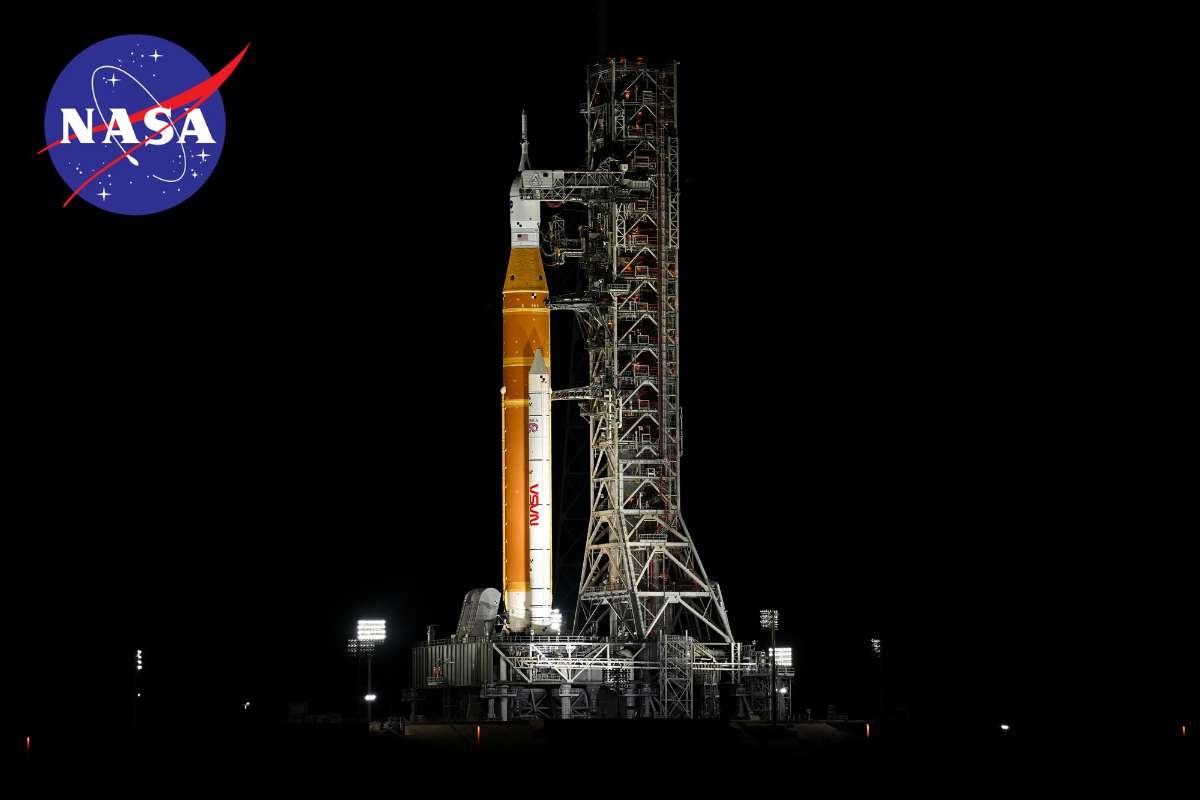
The NASA Artemis II mission has been postponed after engineers identified a technical issue in the rocket’s propulsion system, prompting the agency to roll the vehicle back for critical repairs. The Space Launch System (SLS) rocket and Orion spacecraft will be transported from Launch Pad 39B at Kennedy Space Center to the Vehicle Assembly Building to address a malfunction involving the interim cryogenic propulsion stage.
The issue centers on a helium flow irregularity within the upper stage of the rocket. Helium plays a crucial role in pressurizing propellant tanks and purging engine systems, making it essential for safe launch operations. Engineers determined that the repairs could not be completed at the launch pad and required the controlled environment of the assembly building. As a result, NASA scrapped its previously targeted early March launch date.
The rollback process, which involves slowly transporting the 322-foot rocket atop a massive crawler-transporter, is highly weather-dependent and marks a significant logistical undertaking. Mission managers emphasized that while the delay is disappointing, resolving the issue thoroughly is necessary before astronauts can safely board the spacecraft for the NASA Artemis II mission.
Launch Timeline Slips to April as Safety Remains Priority
With the rollback underway, NASA is now aiming for a potential April launch window, though officials cautioned that further schedule adjustments remain possible depending on repair progress and system testing. The delay adds to earlier setbacks faced during pre-launch preparations, including hydrogen leak concerns identified during wet dress rehearsal fueling tests.
Despite those previous challenges being addressed, the newly discovered helium anomaly surfaced during routine pressurization procedures. Engineers halted countdown operations immediately to investigate the irregular readings. NASA leadership reiterated that the NASA Artemis II mission represents a complex deep-space mission, and thorough system validation is critical before committing to launch.
Artemis II will carry four astronauts, three from the United States and one from Canada, on a 10-day journey around the Moon and back. While the mission will not include a lunar landing, it will serve as the first crewed flight beyond low-Earth orbit since the Apollo era. The mission is designed to test life support systems, navigation capabilities, and overall spacecraft performance ahead of Artemis III, which aims to land astronauts on the lunar surface later this decade.
Strategic Importance of Artemis Program Underscored
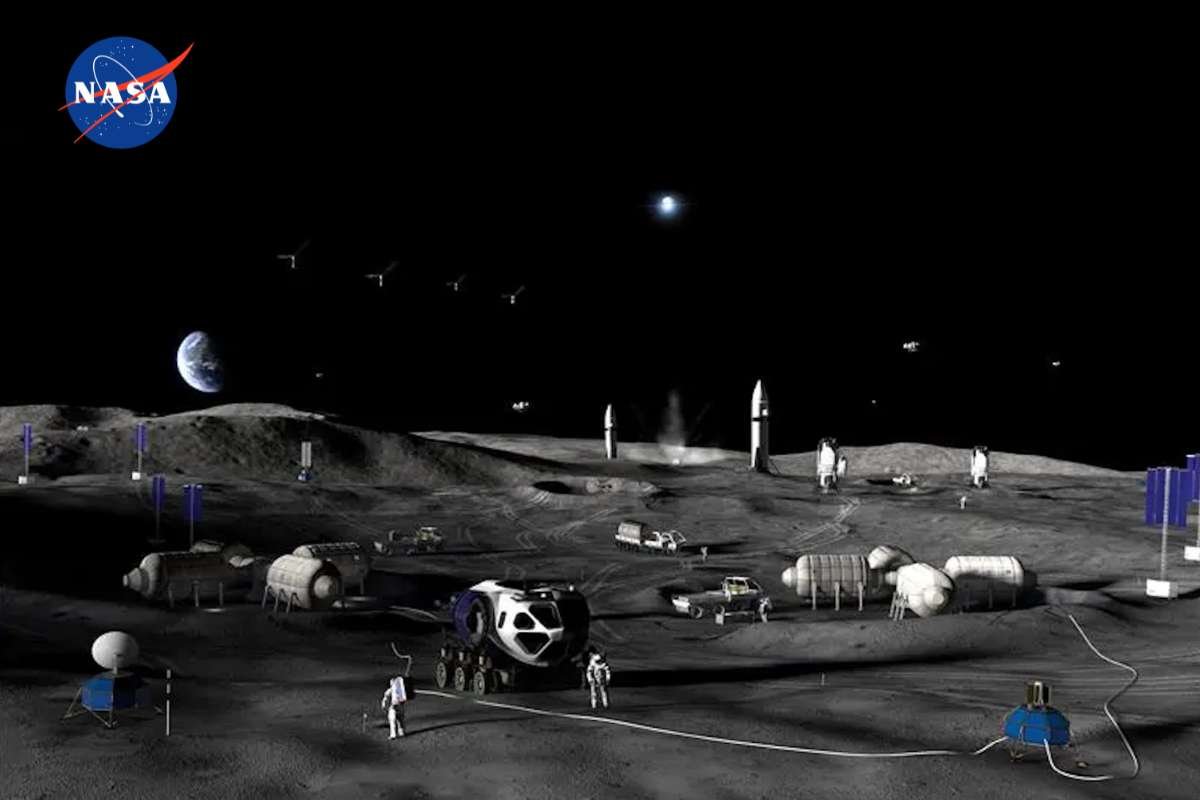
The Artemis program represents NASA’s long-term strategy to establish a sustained human presence on the Moon and eventually pave the way for missions to Mars. The NASA Artemis II mission is widely viewed as a pivotal step in that roadmap, bridging the gap between the uncrewed Artemis I test flight and future lunar landing missions.
Industry analysts note that while delays can impact schedules and budgets, they are not uncommon in large-scale space exploration programs. Ensuring that propulsion and pressurization systems function flawlessly is essential, particularly for a mission that will carry astronauts farther from Earth than any crew has traveled in more than five decades.
NASA officials have maintained that prioritizing crew safety outweighs any timeline pressures. The rollback allows engineers to conduct detailed inspections, implement necessary repairs, and perform additional testing to confirm system integrity before returning the rocket to the launch pad.
Although the revised schedule pushes the flight further into 2026, the agency remains confident that resolving these technical challenges now will strengthen mission reliability and increase the likelihood of a successful lunar flyby. Once launched, the NASA Artemis II mission will mark a historic return to deep space exploration and a defining moment in the next chapter of human spaceflight.