A few American retailers, some dating back to the 1750s. They had quietly survived wars, depressions, and industrial revolutions. Even before the big-box stores and internet shopping existed! Whenever the topic of the oldest retailers in the US comes up. We talk about any establishment that buys and sells goods directly to the consumer. They encompass everything, including historic pharmacies and apothecaries. Along with general stores, booksellers, and suppliers of fine tools.
Exploring these century-old businesses offers a living lesson in durability, retail evolution, and America’s cultural heritage. Their histories show major shifts in American shopping habits and values over the ages. We go beyond a simple list in this article. We will provide background, evolutionary tales, and lessons. So modern marketers can learn from these companies. Understand how they survived since before the country was founded.
A Brief History of the Oldest Retailers in the US:
Early American retail started with small stores like apothecaries, general stores, trading posts, and mills. These stores sold a mix of goods needed for daily life. Starting from medicines to food and fabrics. People also bought from paper and printing shops. As more immigrants arrived and populations changed. The demand for goods grew, shaping these small businesses.
Retailers faced big challenges, such as getting supplies during wars or under strict British trade rules. They often struggled with long, difficult supply chains and tough competition. Stores were family-run, and they played a key role in their communities. They were offering needed goods in growing towns. War and changing regulations made it hard for retailers to keep steady supplies and survive. This early retail world laid the foundation for the thriving stores and markets that came later in America’s history.
Here are the Top 15 Oldest Retailers in the US: The Thriving Retail Giants
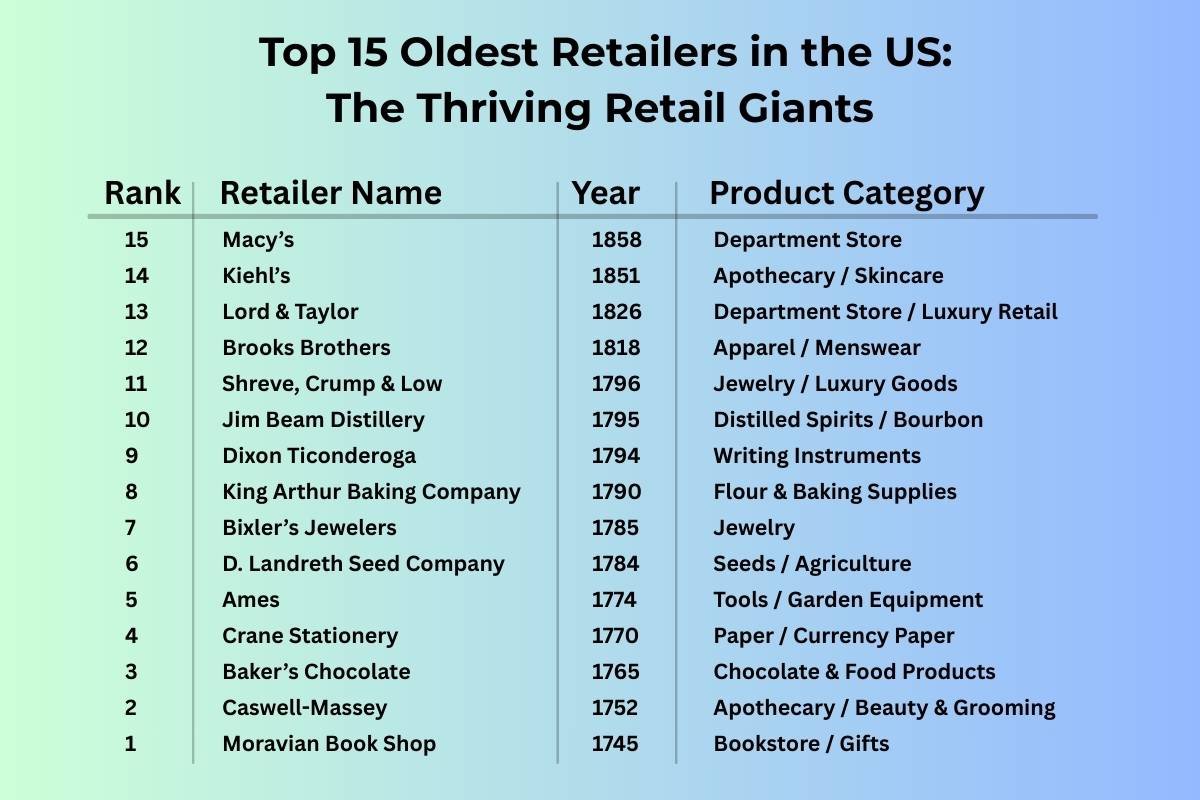
Step back in time. And explore the remarkable resilience of the Top 15 Oldest Retailers in the US. These companies that have continuously traded goods, from books and baking ingredients to tools and toiletries:
| Rank | Retailer Name | Year | Product Category |
| 15 | Macy’s | 1858 | Department Store |
| 14 | Kiehl’s | 1851 | Apothecary / Skincare |
| 13 | Lord & Taylor | 1826 | Department Store / Luxury Retail |
| 12 | Brooks Brothers | 1818 | Apparel / Menswear |
| 11 | Shreve, Crump & Low | 1796 | Jewelry / Luxury Goods |
| 10 | Jim Beam Distillery | 1795 | Distilled Spirits / Bourbon |
| 9 | Dixon Ticonderoga | 1794 | Writing Instruments |
| 8 | King Arthur Baking Company | 1790 | Flour & Baking Supplies |
| 7 | Bixler’s Jewelers | 1785 | Jewelry |
| 6 | D. Landreth Seed Company | 1784 | Seeds / Agriculture |
| 5 | Ames | 1774 | Tools / Garden Equipment |
| 4 | Crane Stationery | 1770 | Paper / Currency Paper |
| 3 | Baker’s Chocolate | 1765 | Chocolate & Food Products |
| 2 | Caswell-Massey | 1752 | Apothecary / Beauty & Grooming |
| 1 | Moravian Book Shop | 1745 | Bookstore / Gifts |
15. Macy’s
Year Founded: 1858
Industry: Department Store
Location: New York City, New York
Macy’s began as a small dry-goods store founded by Rowland Hussey Macy. Its iconic red star was inspired by a tattoo Macy received as a sailor. It is a symbol that would later become one of the most recognizable retail logos in America. While not one of the oldest retailers in the US. The company expanded through innovative merchandising. Along with elaborate holiday displays and landmark locations. Like the Herald Square flagship. This helped in solidifying its place in American retail history.
Why it survived:
- Early adoption of department-store concepts
- Strong branding tied to American culture (e.g., Thanksgiving Day Parade)
- Ability to scale through acquisitions and nationwide expansion
14. Kiehl’s
Year Founded: 1851
Industry: Apothecary / Beauty & Skincare
Location: New York City, New York
Kiehl’s started as the “Brunswick Apotheke.” This is a neighborhood pharmacy offering tinctures, herbal treatments, and medical salves. Over time, the brand became known. Especially for its minimalist product labeling, pharmacist-style consultations, and science-backed skincare formulations. The “try before you buy” sampling policy. It helped build consumer trust.
Why it survived:
- Medical-grade product philosophy
- Loyal customer base driven by transparency
- Iconic New York heritage and experiential stores
13. Lord & Taylor
Year Founded: 1826
Industry: Department Store / Luxury Retail
Location: Manhattan, New York
Lord & Taylor started as a dry-goods shop. Then grew into the oldest retailers in the US in the luxury store department. It introduced innovations like personal shopping services and holiday window displays. Although the physical stores closed in 2021. The brand continues as an online retailer. They are preserving their nearly 200-year legacy.
Why it survived:
- Powerful heritage in luxury fashion
- Adaptability through multiple ownership changes
- Transition to e-commerce to keep the brand relevant
12. Brooks Brothers
Year Founded: 1818
Industry: Apparel / Menswear
Location: New York City, New York
Brooks Brothers is America’s oldest clothing brand and a pioneer of ready-to-wear suits. These oldest retailers in the US shaped American fashion. They introduced staples such as the button-down shirt and the repp tie. Its clientele included Abraham Lincoln, FDR, and nearly every U.S. president since the 19th century. After navigating bankruptcy during the pandemic. The brand successfully revived under new ownership, securing its continuous legacy.
Why it survived:
- Iconic product innovations
- Association with political and business elites
- Strong identity as the face of classic American style

11. Shreve, Crump & Low
Year Founded: 1796
Industry: Jewelry / Luxury Goods
Location: Boston, Massachusetts
It is considered one of the oldest jewelers in America. The Shreve, Crump & Low began as a silversmith. They expanded to fine jewelry and luxury timepieces later. The brand gained prominence for crafting trophies, presentation pieces, and high-end silverware.
Why it survived:
- Excellence in bespoke craftsmanship
- Deep roots in Boston’s luxury culture
- Multi-generational clientele and custom commissions
10. Jim Beam Distillery
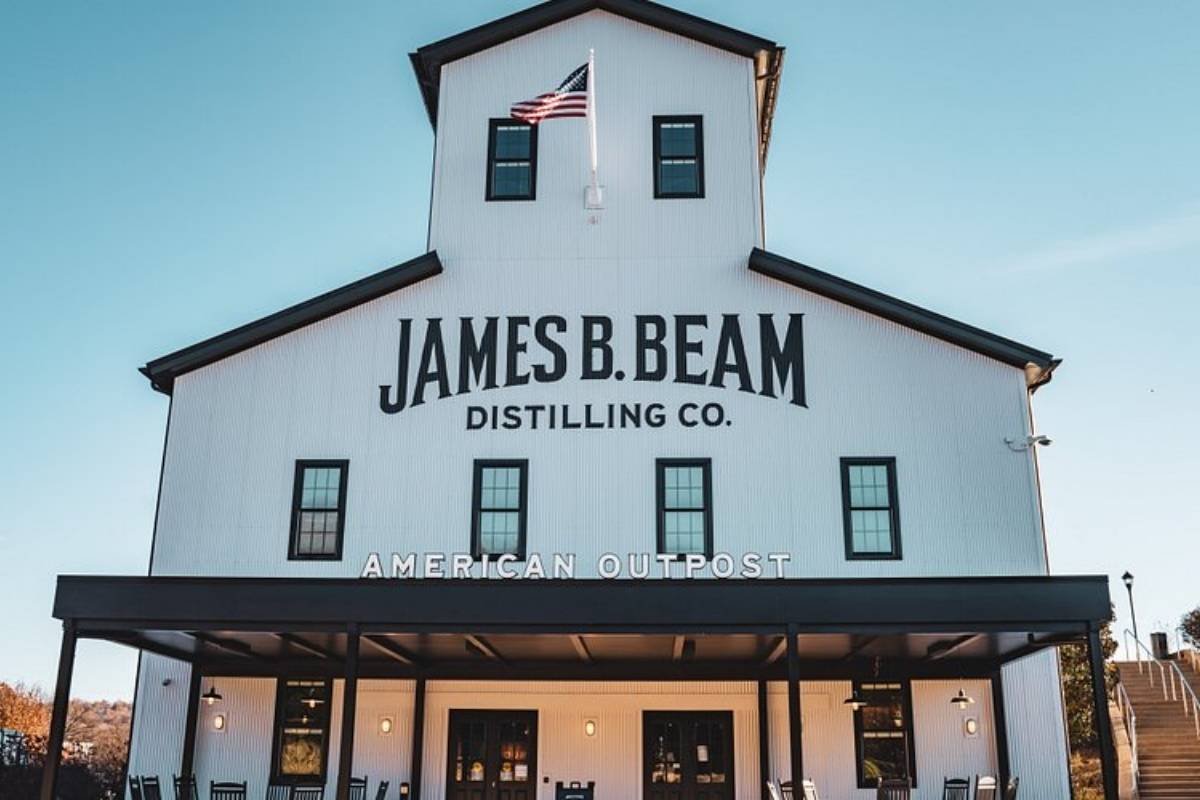
Year Founded: 1795
Industry: Distilled Spirits / Bourbon
Location: Clermont, Kentucky
The Beam family started producing bourbon on their Kentucky farm in the 18th century. Over seven generations, Jim Beam became one of America’s most famous whiskey brands. The distillery survived Prohibition by selling “medicinal whiskey.” They are one of the few legal exceptions.
Why it survived:
- Strong family legacy and recipes
- Early recognition as a uniquely American spirit
- Smart pivots during Prohibition and market downturns
9. Dixon Ticonderoga
Year Founded: 1794
Industry: Writing Instruments
Location: Salem, Massachusetts
Dixon Ticonderoga built its name on the iconic yellow No. 2 pencil. This was used in classrooms and offices across America. As one of the oldest retailers in the US. The brand later diversified into art supplies, office tools, and educational products. This helps them maintain relevance even in the digital age.
Why it survived:
- Strong national identity
- High-quality, simple products with universal appeal
- Expansion into global markets & art categories
8. King Arthur Baking Company
Year Founded: 1790
Industry: Food / Flour & Baking Supplies
Location: Boston, Massachusetts
Originally founded as Henry Wood & Company. King Arthur evolved into America’s most trusted flour brand. It rises during home-baking booms. Especially during the pandemic, it reflected its connection with modern consumers. While staying true to its heritage.
Why it survived:
- Transparent sourcing and consistent quality
- Shift from commodity flour to a premium brand
- Strong community engagement (recipes, classes, baking schools)
7. Bixler’s Jewelers
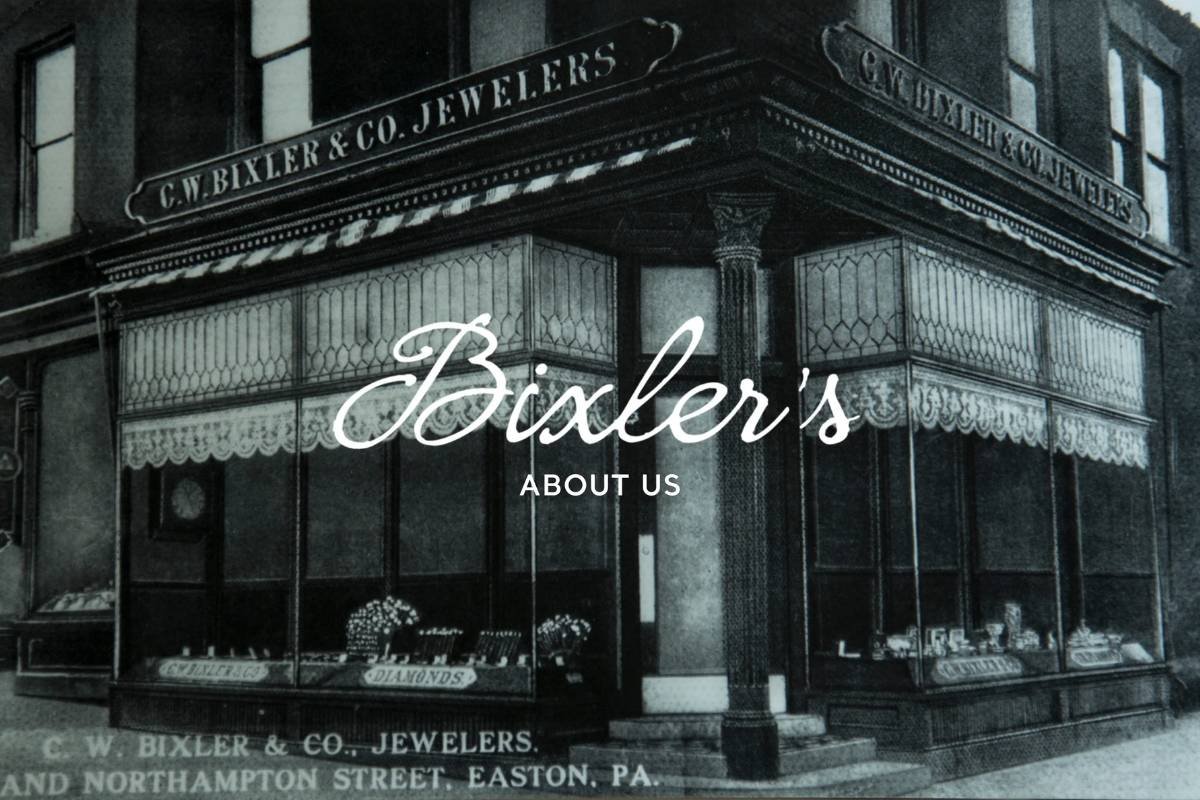
Year Founded: 1785
Industry: Jewelry
Location: Easton, Pennsylvania
The oldest retailer in the US in the jewelry category is Bixler’s. They began as a family-run shop crafting fine gold and silver pieces. For generations, it has adapted to changing tastes. Starting from colonial-era rings to modern bridal jewelry and corporate awards.
Why it survived:
- Multi-century family ownership
- Focus on custom craftsmanship
- Expansion into licensed and corporate jewelry markets
6. D. Landreth Seed Company
Year Founded: 1784
Industry: Seeds / Agriculture
Location: Philadelphia, Pennsylvania
D. Landreth introduced some of America’s earliest commercial seed varieties. It included the Bloomsdale spinach and Lancaster tomato. It supplied seeds to George Washington, Thomas Jefferson, and Franklin D. Roosevelt’s estate gardens.
Why it survived:
- Strong heritage in American agriculture
- Preservation of heirloom and rare seed varieties
- Reputation among gardeners for seed purity and quality
5. Ames
Year Founded: 1774
Industry: Tools / Garden Equipment
Location: West Bridgewater, Massachusetts
Ames began as a family-operated shovel maker. They became a key supplier during major infrastructure projects. Like the Transcontinental Railroad and the Erie Canal. Today, it remains a leader in garden and construction tools.
Why it survived:
- High product durability
- Early role in America’s industrial expansion
- Diversified tool portfolio

4. Crane Stationery

Year Founded: 1770
Industry: Paper / Currency Paper
Location: Dalton, Massachusetts
Crane started as a paper mill. Soon became the trusted supplier of currency paper for the U.S. Treasury. It is a relationship that continues today. The brand, recognized as one of the oldest retailers in the US. They focused on paper products. They also produce luxury writing paper and custom stationery.
Why it survived:
- Unmatched expertise in security & cotton paper
- Generational craftsmanship traditions
- National importance through government contracts
3. Baker’s Chocolate
Year Founded: 1765
Industry: Chocolate & Food Products
Location: Dorchester, Massachusetts
As one of America’s first chocolate processors. The Baker’s Chocolate was originally sold as a health drink ingredient. Over time, it expanded into baking chocolate, cooking bars, and cocoa. Now, it is becoming a staple in American kitchens.
Why it survived:
- Early dominance in chocolate manufacturing
- Strong consumer trust over centuries
- Adaptability through mergers & new ownership
2. Caswell-Massey
Year Founded: 1752
Industry: Apothecary / Beauty & Grooming
Location: Newport, Rhode Island
Caswell-Massey is the oldest American consumer goods company. They are still operating in the market. Known for botanical fragrances and grooming formulas. They served everyone from colonial merchants to modern-day celebrities and presidents.
Why it survived:
- Preservation of original apothecary recipes
- Luxury repositioning without losing heritage
- Loyal base attracted to classic American fragrances
1. Moravian Book Shop
Year Founded: 1745
Industry: Bookstore / Gifts
Location: Bethlehem, Pennsylvania
Founded by the Moravian Church. They were one of the historic establishments of the oldest retailers in the US. This is a continuously operating bookstore. It began by printing religious texts for the local community. They gradually expanded into literature, gifts, food products, and university merchandise.
Why it survived:
- Deep community roots
- Strong cultural & educational focus
- Ability to serve both locals and tourists seeking history
Why Did Many Retailers Not Survive?
Many early retail pioneers did not survive the test of time. For example, Arnold Constable & Company. It was once among the oldest department stores in the US. They were closed in 1975. This reflects a broader trend where many lost giants. It included general stores and historic department stores. They tried, but failed to survive.
Causes of these failures were varied. These include the inability to scale operations, fierce competition from new retail formats, and changing consumer habits. They majorly failed to modernize with trends like e-commerce and economic downturns. Such challenges made survival over centuries rare. This highlights the success of a few iconic retailers.
Examples show why the “oldest Retailers in the US” still exist. Brooks Brothers or Caswell-Massey are exceptional. They have endured through profound changes in retailing history. They have added credibility and depth to the story of American retail evolution.
Timeline of Retail Evolution in the US (1700s → 2025)
| Era | Key Developments | Representative Retailers |
| 1700s | Small family-run shops, apothecaries, general stores, seed and tool suppliers | Moravian Book Shop (1745), Caswell-Massey (1752), Baker’s Chocolate (1765), Ames (1774), Crane Stationery (1770) |
| 1800s | Rise of department stores, ready-to-wear clothing, luxury goods, and urban expansion | Brooks Brothers (1818), Lord & Taylor (1826), Kiehl’s (1851), Macy’s (1858) |
| 1900s | Chain stores, catalog sales, early branding, consumer culture boom | Shreve, Crump & Low (1796 evolution), Jim Beam expansion (1795) |
| 1950s–1990s | Suburban shopping malls, big-box stores, franchising, and mass marketing | Macy’s national expansion and Brooks Brothers’ diversifying product lines |
| 2000s–2010s | E-commerce rise, experiential retail, mobile commerce, and globalization | Kiehl’s experiential stores, Lord & Taylor online transition |
| 2020s | Hybrid models, omnichannel strategies, sustainability focus, and AI-driven personalization | King Arthur Baking Company online classes, Jim Beam global marketing, Moravian Book Shop cultural tourism |
What Modern Retailers can learn from Centuries-Old Brands?
These oldest retailers in the US offer vital lessons in retail longevity. Their survival hinges on unwavering authenticity, product quality, and radical adaptability. They are not chasing fleeting mass-market trends. By controlling a particular market. Such as tools (Ames), paper (Crane), or pharmaceutical products (Caswell-Massey). They have developed strong client loyalty.
Modern retailers, including e-commerce giants and big-box chains. They must recognize that in an age of rapid digital change. The heritage branding and brand trust are rare competitive advantages. They can develop the kind of tenacity and close relationship with customers. This characterizes the genuinely oldest retailers in the US. They are prioritizing sustainable practices and constant excellence over sheer size.
Conclusion:
These long-lasting businesses, like Macy’s (1858) and the Moravian Book Shop (1745). They show that longevity is based on more than just products. The power of trustworthy quality, strong community ties, and constant adaptability. It is the real lesson to be learned from the oldest retailers in the US. They show how a strong heritage brand and solid consumer trust continue to be the most important competitive advantages. Even in the digital era of marketing. Modern companies can learn how to survive for centuries, not just seasons. By studying these success stories.
FAQ:
1. Why do some of the oldest retailers in the US survive for centuries?
Longevity often comes from long-term brand trust. With the ability to adapt to new consumer habits. It is the consistent product quality and strong community roots. Many of these retailers embraced modernization. Such as e-commerce, updated product lines, and new marketing. While preserving their heritage.
2. How do historians verify which retailers are truly the oldest?
Verification typically relies on old business records. With the founding documents, historical registries, archived newspapers, and continuity-of-operation proof. Many companies also maintain detailed heritage archives to authenticate their founding dates.
3. How has technology affected these centuries-old retailers?
Technology accelerated their reinvention. Many have adopted e-commerce, digital marketing, automated production, and online catalogs. While maintaining traditional craftsmanship or formulas. This appeals to nostalgic or heritage-focused customers.