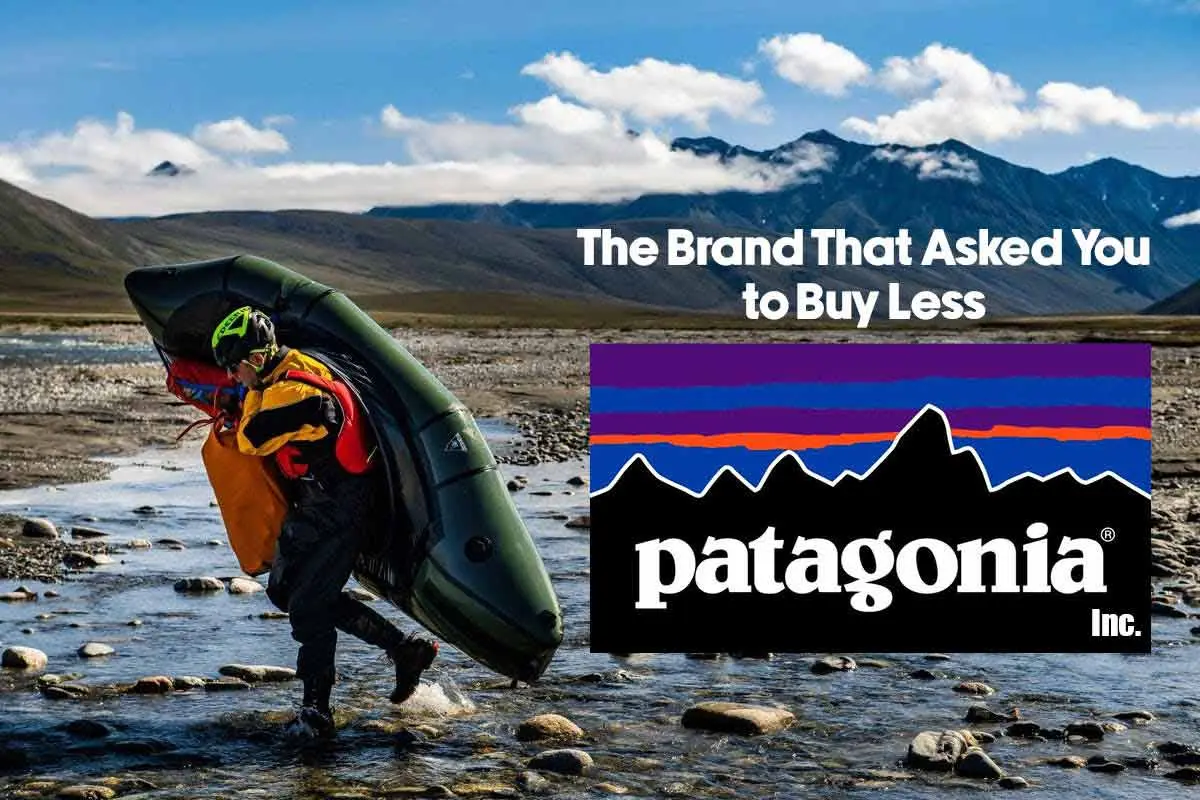
The apparel industry is one of the most competitive markets in the world. Yet, the brands that leave a lasting impact are often the ones that choose a different path instead of following the crowd. Patagonia Inc. is a perfect example. By putting purpose at the heart of its business, the brand has shown that success isn’t just measured by sales; it’s also defined by the positive impact a company creates. Its journey proves that purpose-driven businesses have the power to shape a more sustainable future.
A Brand Born in the Mountains

Patagonia Inc. began in 1957 when rock climber Yvon Chouinard started making and selling handcrafted climbing equipment. As demand grew, he partnered with Tom Frost in 1965 to improve the products and expand the business.
The company entered the apparel market in 1970 with durable rugby shirts designed for climbers. Three years later, it opened its first store, Great Pacific Iron Works, in Ventura, California. In 1993, Patagonia became the first apparel brand to make fleece from recycled plastic bottles, an early step that reflected its long-term commitment to sustainability.
Business with a Purpose
For Patagonia Inc., protecting the environment is the foundation of its business. Acknowledging that every product has an environmental impact, the company works to reduce its footprint while encouraging more sustainable lifestyles. Guided by its mission, “We’re in business to save our home planet,” Patagonia promotes mindful buying, donates 1% of annual sales to environmental causes, and invests in climate action.
In 2022, founder Yvon Chouinard transferred ownership of Patagonia to the Patagonia Purpose Trust and the Holdfast Collective, ensuring future profits support biodiversity, wild places, and climate action. With the message, “Earth is now our only shareholder,” Patagonia reinforced its belief that business can be a force for environmental change.
A Business Model Built on Quality and Responsibility
Patagonia Inc. has built its business on a simple belief: make outdoor clothing that lasts. Instead of encouraging frequent purchases, the brand focuses on durable products that help reduce waste and promote more responsible consumption.
Customers aren’t just buying outdoor gear; they’re supporting a brand committed to environmental responsibility. This purpose-driven approach has earned Patagonia the trust of consumers who value quality, performance, and ethical business practices.
Despite its premium pricing, Patagonia generates more than $1 billion in annual sales, showing that customers are willing to invest in products they trust. Beyond apparel, the company expanded into responsibly sourced food with Patagonia Provisions in 2012 and introduced a trade-in program in 2017, allowing customers to exchange used products for store credit and extend the life of their garments.
Like many global brands, Patagonia has faced criticism over labor practices within parts of its supply chain. While known for its transparency and sustainability efforts, these challenges highlight the ongoing responsibility of maintaining ethical standards across a global supply network.
Standing Apart in a Competitive Market
Patagonia Inc. competes with several leading outdoor apparel brands, each with its own market positioning.

| Brand | Key Positioning |
| Canada Goose | Luxury outdoor apparel |
| The North Face | Performance and practicality |
| Columbia Sportswear | Corporate responsibility with a subtle approach |
| Jack Wolfskin | Expanded its appeal beyond outdoor enthusiasts |
| Patagonia | Premium outdoor performance with sustainability and environmental activism at its core |
What Makes Patagonia Inc. Different?
- Combines premium performance with environmental responsibility.
- Appeals to outdoor enthusiasts as well as purpose-driven consumers.
- Its iconic logo represents both quality and sustainability.
- Built a loyal community by staying true to its values.
- Has grown beyond an apparel brand into one that customers proudly identify with.
Why Patagonia’s Market Strategy Works
Patagonia has built a loyal customer base by putting purpose at the center of its business. Instead of focusing only on sales, the brand creates meaningful connections through sustainability, transparency, and high-quality products.
Key Success Factors
- Staying true to its purpose through meaningful actions.
- Creating a loyal community instead of simply attracting customers.
- Delivering quality without compromising sustainability.
- Being open and honest to earn long-term customer trust.
Patagonia’s success shows that when a brand consistently lives by its values, it earns more than customers; it builds trust, loyalty, and a lasting competitive advantage.
The Campaign That Challenged Consumerism
During the Black Friday shopping season, Patagonia surprised everyone with a bold message: “Don’t Buy This Jacket.” Instead of encouraging people to shop more, the company asked customers to think carefully before making a purchase.
The reason was simple: every piece of clothing has an impact on the environment. Making a jacket requires water, energy, and raw materials, while also creating carbon emissions and waste. Patagonia Inc. wanted people to buy only what they truly needed and choose products that would last for years. The campaign reflected the brand’s belief that protecting the planet is more important than encouraging unnecessary consumption.
Why Patagonia Inc. Doesn’t Sell on Amazon
Patagonia has avoided selling on Amazon to protect its brand and customer trust. The company filed a lawsuit against Kimberly McHugh’s “Our Little Corner Store,” one of Amazon’s largest third-party sellers, for selling Patagonia products without authorization.
According to Patagonia, neither the seller nor Amazon was an authorized retail partner. The company also claimed that some products were being sold at prices far above their retail value. Patagonia believes that unauthorized sales can damage its reputation, weaken customer trust, and go against the brand’s commitment to quality, transparency, and fair pricing.
Who Buys Patagonia Inc. and Why?
Why Is it Expensive?
- Premium-quality outdoor apparel
- Durable, high-performance products
- Ethically sourced materials
- Purpose-driven sustainability
Who Buys Patagonia?
- Eco-conscious consumers
- Outdoor enthusiasts
- Sustainability-focused buyers
- Mission-driven customers
Customer Snapshot

- Age: 35–54 (largest customer group), with growing appeal among 25–34-year-olds
- Gender: 55% Male | 44% Female
- Income: Household income above $100,000
- Key Markets: Boulder, Denver, San Francisco, New York, and other mountain and coastal cities
Patagonia SWOT Analysis
Patagonia Inc’s SWOT analysis highlights its competitive position and future growth.
Strengths
- Strong sustainability-driven brand identity
- Loyal and purpose-driven customer base
- “Buy less, buy quality” philosophy
- Premium pricing with high customer trust
- Strong word-of-mouth and multi-generational loyalty
- Private ownership enables faster decision-making
Weaknesses
- Premium pricing limits mass-market reach
- Heavy dependence on the U.S. market
- Limited retail footprint
- Weaker e-commerce presence
- Supply chain dependence
- Activist positioning can be polarizing
Opportunities
- Expand into high-growth global markets
- Strengthen direct-to-consumer and e-commerce channels
- Grow sustainable and circular product offerings
- Invest in material and product innovation
- Increase appeal among younger consumers
Threats
- Intense competition in outdoor apparel
- Economic downturns affecting premium spending
- Counterfeit products
- Supply chain and geopolitical disruptions
- Lower-priced competitors
By staying true to its values while continuing to expand globally and strengthen its digital presence, Patagonia is well placed for future growth.
An Expert’s Take on Patagonia Inc.
Marketing writer Jack Usher believes Patagonia’s biggest strength is its authenticity. Instead of treating sustainability as a marketing strategy, the company has built its business around a genuine environmental mission. Initiatives like Worn Wear and the “Don’t Buy This Jacket” campaign reflect that commitment.
According to Usher, Patagonia’s “mission as marketing” approach has helped build lasting customer trust and become one of its strongest competitive advantages.
Read Next: UNIQLO LifeWear Formula: The Brand That Made Everyday Wear Extraordinary
When Brand Protection Meets Activism

Although Patagonia Inc. is known for its environmental advocacy, it faced criticism over a trademark dispute with environmental activist and drag performer Pattie Gonia (Wyn Wiley). Patagonia argued that Wiley’s trademark application could confuse consumers with its brand, while critics questioned whether the lawsuit aligned with the company’s environmental values.
Making Sustainability Count

| Initiative | Impact |
| Worn Wear Program | Repairs, reuses, and resells clothing to extend product life and reduce waste. |
| Fair Trade Certified™ | Over 90% of Patagonia’s products are made in Fair Trade Certified factories, benefiting more than 85,000 workers. |
| Patagonia Action Works | Connects customers with local environmental organizations and volunteer opportunities. |
| Environmental Grants | Has contributed over $240 million to environmental causes since its founding. |
| Ironclad Guarantee | Encourages customers to repair products instead of replacing them, promoting a circular economy. |
Vision for Tomorrow
Patagonia Inc.’s future is centered on reducing its environmental footprint while inspiring industry-wide change. The company is working to develop more durable and lower-impact products, eliminate harmful chemicals such as intentionally added PFAS from new product lines, expand repair and reuse programs, improve material innovation, and strengthen Fair Trade and responsible sourcing across its supply chain. Alongside these efforts, Patagonia Inc will continue directing its profits and resources toward climate action, biodiversity conservation, and grassroots environmental movements, staying true to its mission of “saving our home planet.”
Closing Note
Patagonia Inc.’s journey shows that a strong purpose can be just as powerful as a strong product. By putting sustainability at the heart of every decision, the brand has earned the trust of customers while setting a new standard for responsible business. In an industry driven by constant change, Patagonia continues to prove that staying true to your values can create lasting success for both the business and the planet.