Yes, and more than most shops would hope for. With improved accuracy of cutting, drilling, and finishing glass, it’s not just the edges that get cleaner. You are modifying the product value. Precision creates opportunities for higher-margin work, reduces the waste that quietly eats profit, and allows you to serve industries that simply will not accept loose tolerances.
That’s the real case for investing in precision glass processing equipment. It doesn’t just make your existing products a little better; it widens what you are able to sell in the first place.Manufacturers across the United States are employing precision lines to move upmarket into semiconductors, automotive, and green construction, where the value per square foot is far higher than with commodity glass. In the following sections, we drill down into where that added value actually comes from.
Better accuracy & consistency
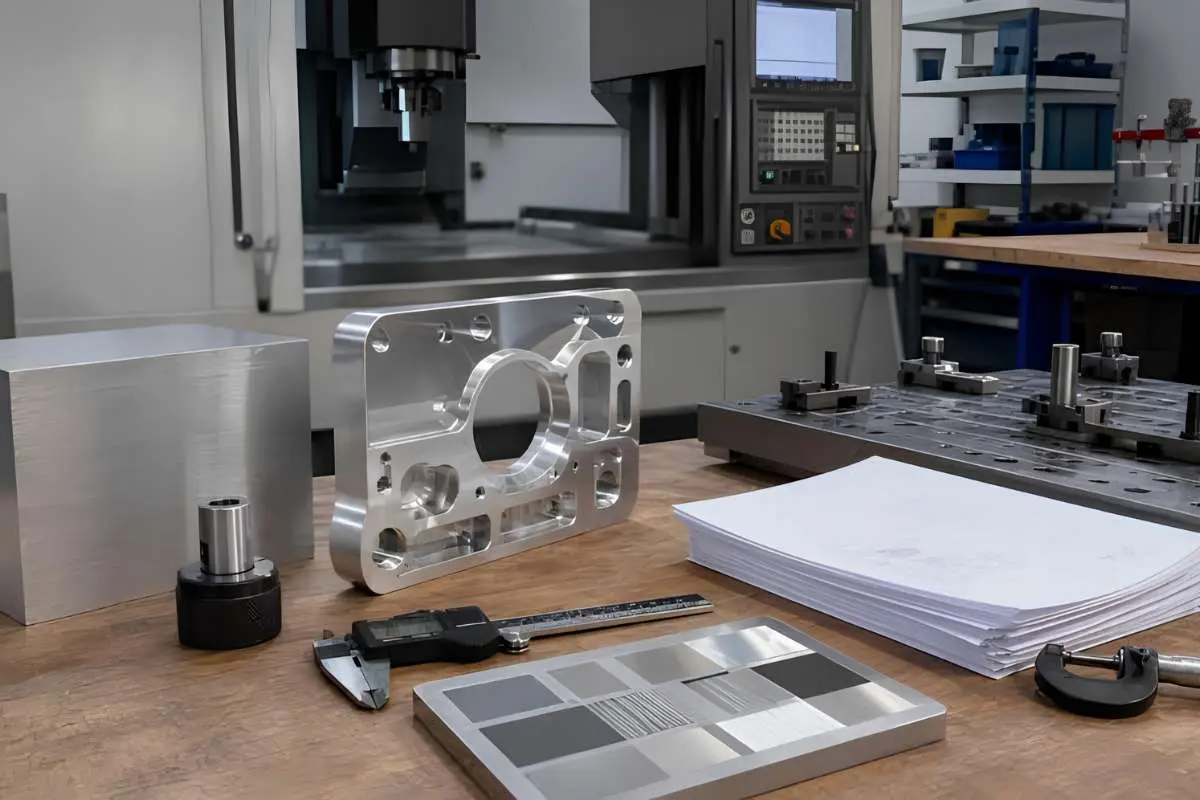
CNC control systems and lasers cut, drill, and shape glass to exact measurements, repeated part after part, within precision equipment. And that’s where you start to get value out of the product, that consistency. Glass that hits inside spec every time comes cleanly into final assembly, whether that’s a phone screen, a windshield, or a curtain wall. It protects the end user, reduces field failures, and allows you to deliver performance you can actually stand behind.
That advantage compounds over time, too. Once a process is proven tolerant, you spend less money on inspection, argue less with customers over rejects, and build a reputation that allows you to charge more for the same footprint of glass.
Reduced waste and cost
The hidden tax that comes with manual cutting and hand polishing: cracked sheets, chipped corners, and micro-cracks that only reveal themselves later, can be reduced through data-driven manufacturing. Precision machines greatly reduce damage and nest cutting layouts to get more usable pieces from each sheet. Less scrap means a lower material bill and less rework clogging your line. A few points of yield savings on costly specialty glass can make a job go from thin to truly profitable.
The cutting head is only half the story. Better layouts can turn offcuts, previously sent to the cullet bin, into billable parts. The recovered material frequently pays for a large portion of the machine itself over a full production year.
New features in product
The bigger payoff is access to glass you couldn’t process before, the kind that commands premium pricing:
- Optics and electronics: ultra-thin wafers for chips and displays, and lenses for aerospace and imaging systems.
- Automotive: lightweight glass for electric vehicles and clean sensor covers for driver assistance and autonomous platforms.
- Architecture: low-emission coated glass, improving the energy performance of green buildings.
Each of these categories rewards suppliers who can hit tight numbers reliably, and precision equipment is the price of admission.
Shorter production times

Automated lines also work much faster than manual labor and can operate with minimum supervision and maintain accuracy over long production runs. Speed is only useful if the parts still measure up, which is why serious shops cross-check their output against recognized standards. These dimensional metrology references are kept by federal bodies like NIST and are used by U.S. manufacturers to prove that their tolerances are real and not just claimed. Verifiable precision, faster turnaround—that’s what wins large, demanding orders.
Enhanced aesthetics
Value is not just functional. Buyers will see and feel the clean, high-end finish of glass from the precise polishing and edge smoothing it receives. Quality is apparent in perfect edges and flat, distortion-free surfaces, allowing a single product line to serve everything from luxury interiors to retail display cases. In categories where looks are what sell, that finish alone commands a higher price and lowers the likelihood of a customer returning a batch due to a visible flaw.
The bottom line
Can the product be value-added by precision glass processing equipment? Yes, sure, on several fronts at once. It’s more accurate, less wasteful, allows premium product lines to be added, delivers faster, and makes for a sharper end look. For a U.S. manufacturer contemplating an upgrade, the real question is not if precision adds value, but how fast the increased margins and new markets pay the investment back.