Key Points:
- iRobot has filed for bankruptcy and will transition to private ownership.
- Amazon’s failed $1.7B acquisition led to layoffs and a leadership change.
- Rising competition and high costs caused iRobot to lose market share.
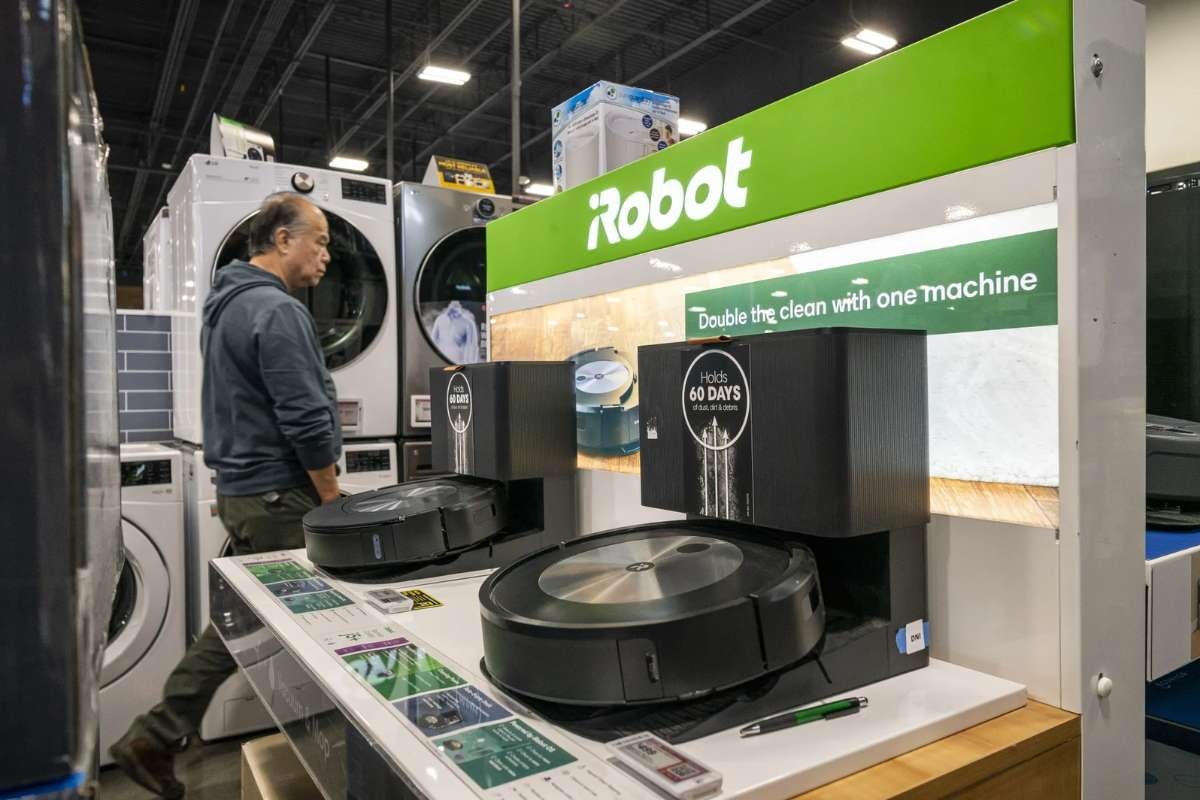
iRobot, the Massachusetts-based creator of the iconic Roomba robot vacuum, has formally filed for Chapter 11 bankruptcy protection as part of a plan to restructure and continue operations under new ownership. The filing, submitted in Delaware on December 15, 2025, marks a dramatic shift for the once-high-flying consumer robotics pioneer.
Under the bankruptcy plan, iRobot will transition from a publicly traded company to a privately held business, with control transferring to its major lender and manufacturing partner. The move is expected to be approved by the court early next year, leading to the company’s delisting from the Nasdaq stock exchange. Despite the upheaval, iRobot’s leadership has reassured customers and partners that core services, including customer support, app functionality, and product warranties, are expected to continue without interruption throughout the restructuring process.
Founded in 1990, iRobot became synonymous with home robotics after launching its first Roomba vacuum in 2002. Over the years, the brand expanded into floor mopping robots and other automated cleaning devices, cultivating strong recognition among consumers worldwide. However, mounting financial pressures in recent years have eroded the company’s footing, culminating in the bankruptcy filing.
Financial Struggles and Strategic Setbacks Lead to Decline
The company’s filing reflects prolonged financial stress, including declining revenues and dwindling cash reserves. As part of the Chapter 11 process, iRobot has disclosed that it held limited cash with no immediate alternative financing available, underscoring the urgency of its restructuring efforts.
A significant setback occurred in early 2024 when iRobot’s planned acquisition by global e-commerce giant Amazon fell apart amid regulatory concerns in multiple jurisdictions. The collapsed deal, once valued at around $1.7 billion, was widely anticipated to provide a critical boost to iRobot’s struggling business. Its cancellation triggered substantial layoffs affecting nearly a third of the company’s workforce and precipitated a leadership change, with the long-time CEO stepping down.
Industry observers point to intensifying competition from lower-cost rivals as another key factor in iRobot’s decline. Competitors’ aggressive pricing eroded iRobot’s market share, particularly overseas, while elevated manufacturing costs, including tariffs and supply chain expenses, further squeezed profitability. Together, these forces made it increasingly difficult for iRobot to sustain its once-dominant position in the home robotics segment.
In addition to market pressures, iRobot Roomba Vacuum had accumulated sizable debt through various strategic initiatives. Under the restructuring plan, a substantial portion of that debt will be converted into equity by its principal creditor, with other creditors and suppliers positioned to receive repayment as permitted under the bankruptcy proceedings.
Outlook: A Legacy Brand Navigates a New Chapter
While the Chapter 11 filing represents a significant turning point, iRobot’s leadership remains focused on stabilising the business and preserving its core technologies and customer relationships. The transition to private ownership is designed to give the company greater flexibility to adapt to competitive headwinds and renew investment in product development without the quarterly pressures of public markets.
For consumers, the beloved Roomba Vacuum brand will continue to be supported and sold, though its future direction may evolve as the company redefines its place within the broader home automation industry. For investors and industry watchers, iRobot’s journey underscores the challenges faced by hardware-centric companies in rapidly evolving tech landscapes, where innovation, pricing, and global market dynamics can quickly reshape fortunes.