Key Takeaways:
- Profit Forecast Cut: Southwest lowered its 2026 earnings outlook due to rising fuel costs.
- Fares Rise: Average passenger fares jumped nearly 27% year over year.
- Industry Pressure: Delta and United also reduced their profit forecasts.
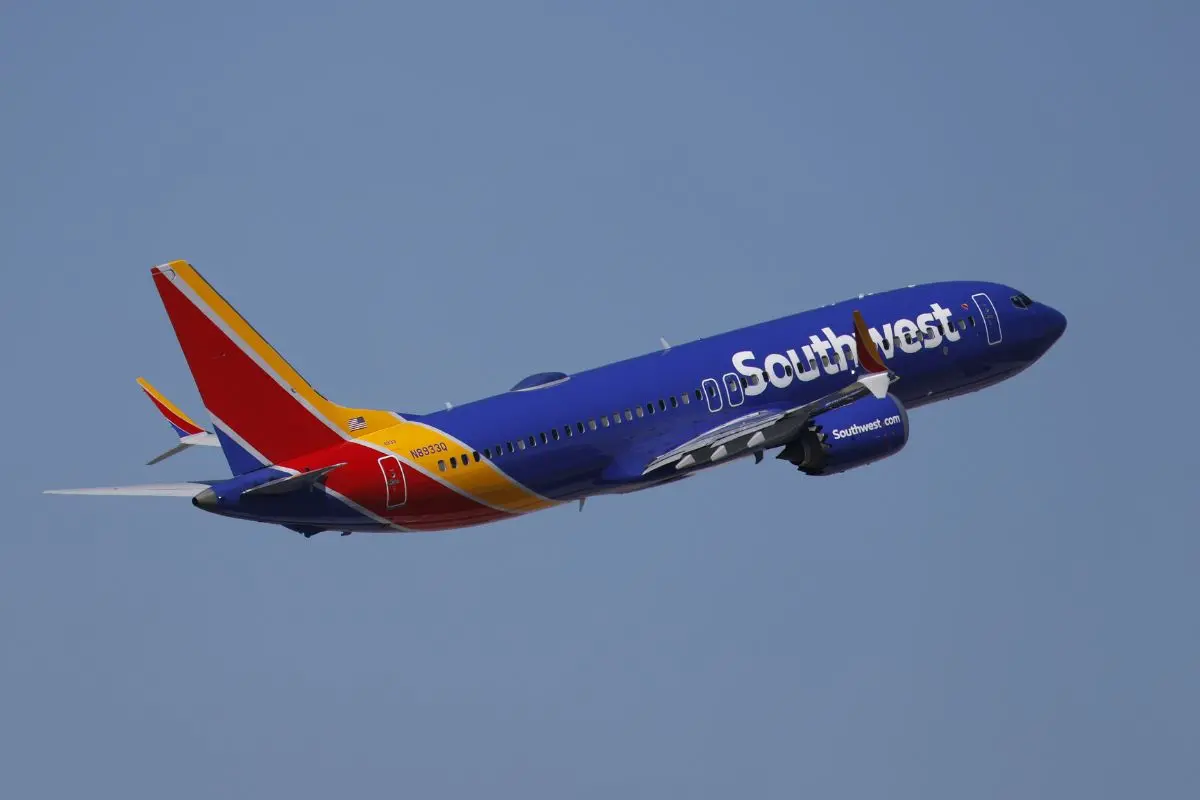
Southwest Airlines lowered its 2026 profit forecast as rising fuel prices pressure earnings, joining Delta Air Lines and United Airlines in reducing their outlooks despite resilient U.S. travel demand.
Southwest Lowers Earnings Outlook as Fuel Costs Climb
Southwest expects adjusted earnings of $2.60 to $2.85 per share for 2026, down from its July forecast of $3.25 to $4.25 per share. The revised outlook reflects higher fuel expenses, which are weighing on the airline’s profitability.
Despite the reduced forecast, Southwest reported stronger third-quarter financial results. The airline posted adjusted earnings of 66 cents per share, exceeding Wall Street’s expectation of 58 cents, according to LSEG consensus estimates.
Revenue reached $8.42 billion, beating analysts’ expectations of $8.25 billion. The company recorded net income of $270 million, or 55 cents per share, compared with $54 million, or 10 cents per share, a year earlier.
Revenue increased more than 21% from the same quarter in 2025, reflecting stronger revenue performance amid higher fares and changes to the airline’s commercial strategy.
Higher Fares Support Revenue as Travel Demand Holds
Southwest CEO Bob Jordan said travel demand remained strong despite significantly higher fuel costs and increased fares. In an earnings release, Jordan said the airline’s commercial initiatives had strengthened its earnings potential.
“Demand remained strong as we lapped last year’s bag fee and other commercial initiatives, reinforcing our belief that the earnings power we’ve built is durable, even with significantly higher fuel costs,” Jordan said.
The airline’s average passenger fare reached $231.69 in the third quarter, an increase of nearly 27% from the same period in 2025. The figure excludes additional fees, according to a company spokesperson.
However, Southwest carried 33.47 million revenue passengers during the quarter, down 3.2% year over year. The figures suggest that higher fares supported revenue even as passenger numbers declined.
For the fourth quarter, Southwest expects adjusted earnings of 55 cents to 80 cents per share. The airline also projects unit revenue, a measure of revenue relative to available seat capacity, to rise by as much as 21% from a year earlier.
Southwest expects to increase capacity by up to 4% year over year, signaling plans to accommodate continued demand while navigating higher operating expenses.
Southwest Reshapes Its Business Model Amid Industry Pressure
Southwest has changed several long-standing policies as it seeks to increase revenue and compete with other major U.S. carriers. The airline has introduced fees for checked bags and certain seat assignments while ending its open-seating policy.
The changes mark a shift from Southwest’s traditional low-cost approach, which included two free checked bags and open seating. The company is seeking additional revenue streams as higher expenses challenge profitability.
Southwest is not alone in facing financial pressure. Delta Air Lines and United Airlines also reduced their profit outlooks this month after reporting third-quarter results.
Both competitors missed Wall Street’s expectations for revenue and earnings, highlighting the challenges facing major U.S. airlines as fuel prices rise.
The latest forecasts underscore the industry’s balancing act: maintaining demand through pricing and service strategies while managing costs that can quickly erode profits.