Ticketing is no longer just a back-office function.
For clubs and federations alike, it’s a critical lever for revenue protection, fan experience and long-term growth. The stakes are higher. Demand peaks faster, bots are more sophisticated, and supporters expect seamless, fair access across every competition. This raises an important question. What does good sports ticketing software actually look like today?
Beyond simply selling tickets, the right platform must help organisations control demand, protect inventory, understand their fans and deliver consistent, trusted experiences at scale, especially when matches have tens of thousands logging in to buy tickets at once.
Sports ticketing software matters now more than ever
High-demand matches are part of the everyday reality for many clubs and federations.
When tickets go on sale, traffic surges within seconds. Automated bots attempt to access inventory before genuine fans. Secondary markets move quickly, often outside the control of the organiser.
Without the right systems in place, this leads to lost revenue, poor data quality and frustration for supporters, while also creating reputational risk. Fans expect fairness and transparency, but when access feels manipulated or unclear, trust is quickly eroded.
An effective sports ticketing platform is a crucial tool for helping organisations protect value, manage demand and build long-term relationships with their audience.
What good sports ticketing software should deliver?

Choosing the right sports ticketing software can be a confusing process, with so many options on the table. But there are a core set of features that modern platforms need in order directly impact revenue, data and fan experience.
Revenue protection and fraud prevention
High-demand fixtures attract unwanted attention, with bots, fake accounts and scalpers rushing to snap up tickets within seconds.
Effective ticketing software must detect and block automated traffic from the first moment of access. It should also enforce controlled resale and transfer rules, ensuring tickets
remain within a managed ecosystem, which will protect inventory and reduce revenue leakage to secondary markets.
Fair access for fans
Fairness is central to maintaining supporter trust.
Clubs and federations need flexible access models that match the level of demand. This may include queues for controlled access or lotteries for extremely high-demand events. Phased sales can prioritise loyal supporters, members or local communities.
The goal is simple. Ensure that real fans have a genuine opportunity to attend.
Actionable fan data
Selling a ticket is only part of the story. Understanding who attends is what drives long-term value.
That’s why modern platforms should provide a clear view of supporter behaviour across the entire journey, including purchase history, attendance patterns and engagement over time.
With reliable data, organisations can build stronger relationships, create targeted campaigns and support commercial partnerships with confidence.
Flexibility across matches and audiences
Not every fixture is the same. A grassroots match, a cup final and an international qualifier each require a different approach.
Good ticketing software allows organisations to adapt pricing, packaging, access rules and sales strategies based on the specific context. This flexibility ensures that each event is optimised without adding operational complexity.
Mobile-first, connected journeys
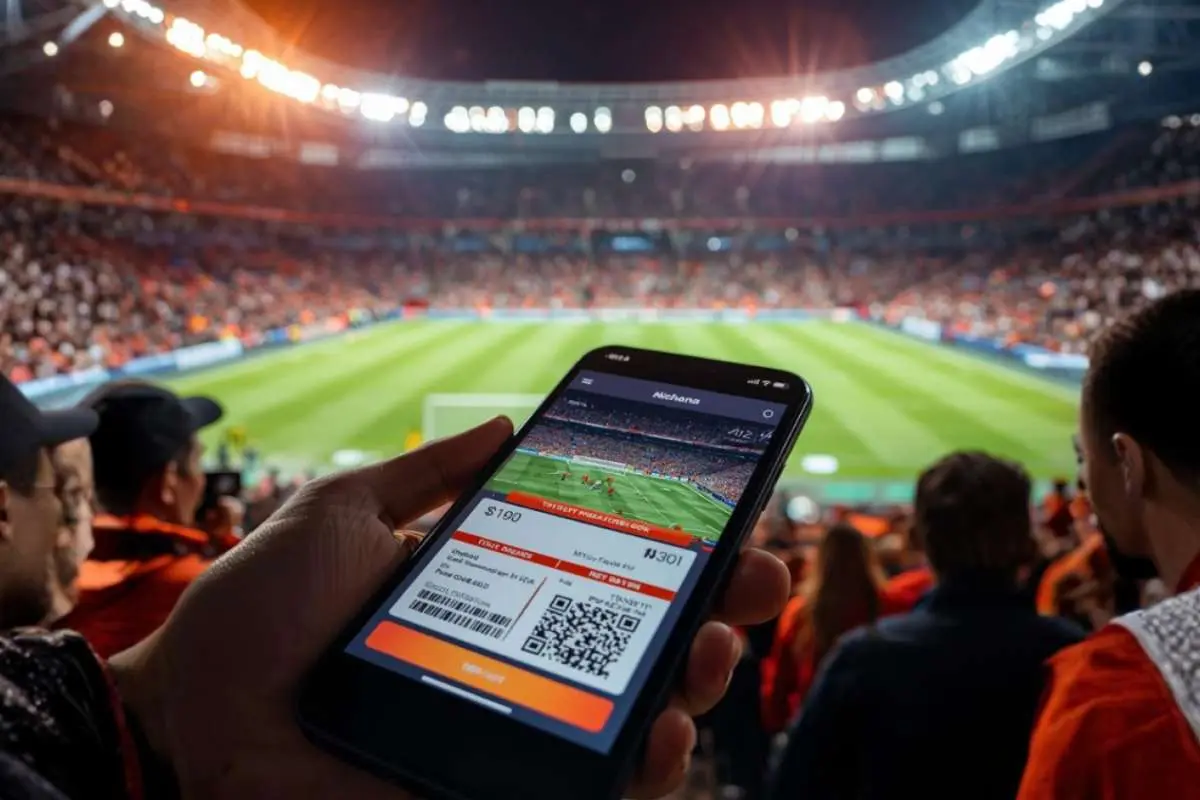
Supporters expect a simple, intuitive experience, which today means mobile-first design, consistent interfaces and seamless movement between competitions, memberships and ticketing.
Fragmented systems create friction and limit visibility. A connected approach ensures that every interaction contributes to a unified supporter journey.
Operational control and real-time visibility
High-demand onsales are dynamic. Conditions can change rapidly within minutes.
Organisations need real-time insight into what is happening during an onsale, from traffic levels to conversion rates, to potential threats. With the right visibility, teams can adapt quickly and maintain control throughout the process.
What federations need from ticketing today?

A defining year requires stronger foundations. For federations, ticketing must support not only individual matches but the entire national game.
These five principles are particularly important:
1. Secure and traceable access: Federations must know who buys, holds and uses every ticket, which means secure digital tickets, controlled transfers and seat-level tracking are necessary to ensure full visibility and reduce fraud.
2. Connected supporter journeys: Supporters engage across multiple competitions and levels. A unified, mobile-first experience ensures consistency and strengthens engagement over time.
3. Actionable fan data: The ability to store and implement Reliable data means more transparency, governance and commercial decision-making, as well as more meaningful communication with supporters.
4. Flexible matchday models: Different matches require different strategies., so ticketing systems must adapt easily, allowing federations to serve varied audiences effectively.
5. Nationwide connection: Federations must have oversight across all levels of the game, while allowing clubs and regions to operate independently. A shared platform enables consistency, visibility and collaboration.
Are your onsales built for today’s demand?
Before looking at tools or features, it is worth asking a few simple questions.
- Do all tickets go on sale at once, to the same audience?
- Are resale rules enforced within the system or only defined as policy?
- Do you know who attends your matches, not just who purchases tickets?
- Can you adapt your approach depending on the fixture or level of risk?
If the answer to any of these is uncertain, there is an opportunity to improve.
With the right sports ticketing software, the pressure is manageable

High demand can create risk when it is unmanaged. It can also create significant opportunity when handled correctly.
With the right sports ticketing software in place, organisations can turn high-pressure onsales into structured, repeatable operations where inventory reaches genuine fans, data is reliable and revenue is protected and optimised.
Most importantly, trust is maintained because fans know that access is fair, transparent and consistent.