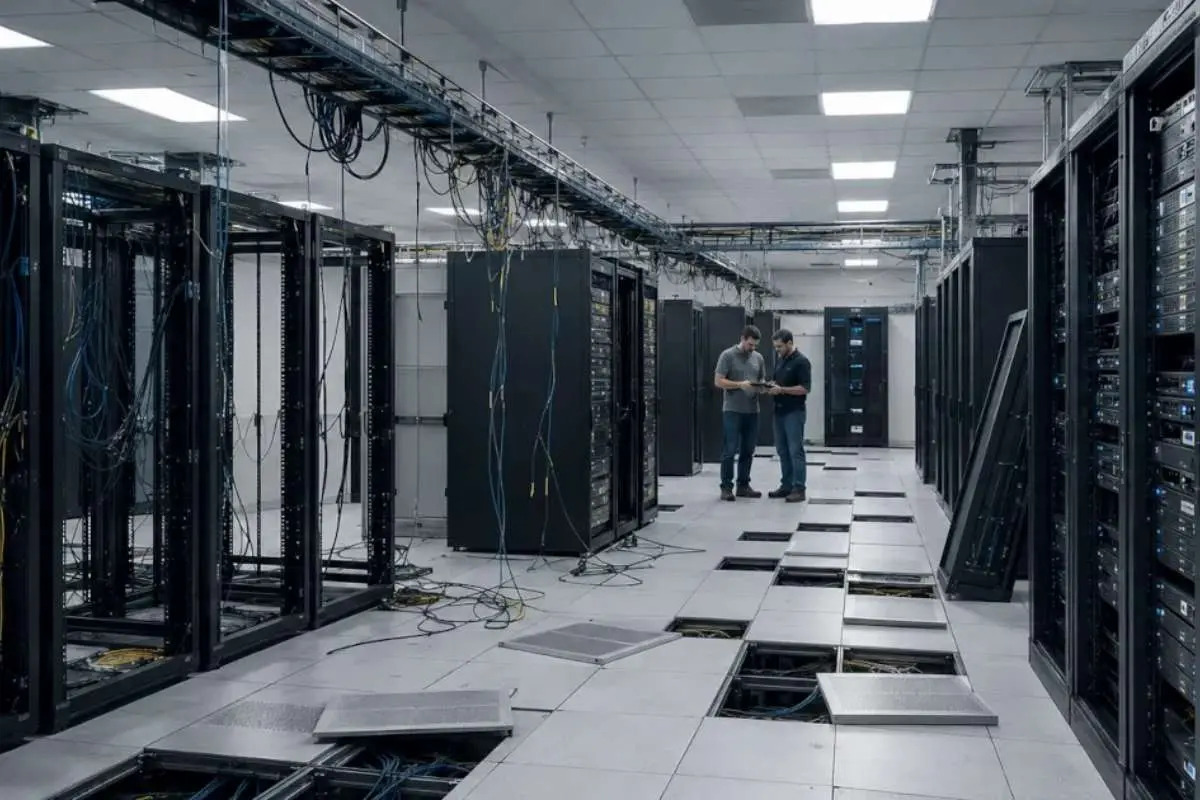


A warehouse shift starts at 6 a.m., and the line at the shared terminal is already long. Each picker types a complex password, and several get it wrong on the first try. Two need a reset, so they wait while orders pile up on the dock. Scenes like this repeat across hospitals, factories, and retail stores every day.
Frontline teams power entire industries, yet their login tools were designed for office desks. What feels routine on a laptop turns into daily friction on a busy floor. Smart enterprises now see frontline access as a business priority rather than an IT afterthought. This article explains why passwords fall short and how securing the deskless workforce starts with a better way to sign in.
Who Counts as a Deskless Worker
Deskless workers are employees who spend most of their day away from a fixed computer. They include nurses, warehouse pickers, retail associates, technicians, drivers, and factory operators. Many share tablets, kiosks, or terminals with dozens of colleagues across rotating shifts. Their tools are mobile, their time is tight, and their tasks rarely pause for IT.
These teams often handle sensitive data, from patient records to production schedules. Yet they usually receive the weakest identity protections in the company. That gap creates real exposure for any business with a large frontline team. Closing it starts with understanding why traditional login fails them.
Why Passwords Fail on the Frontline
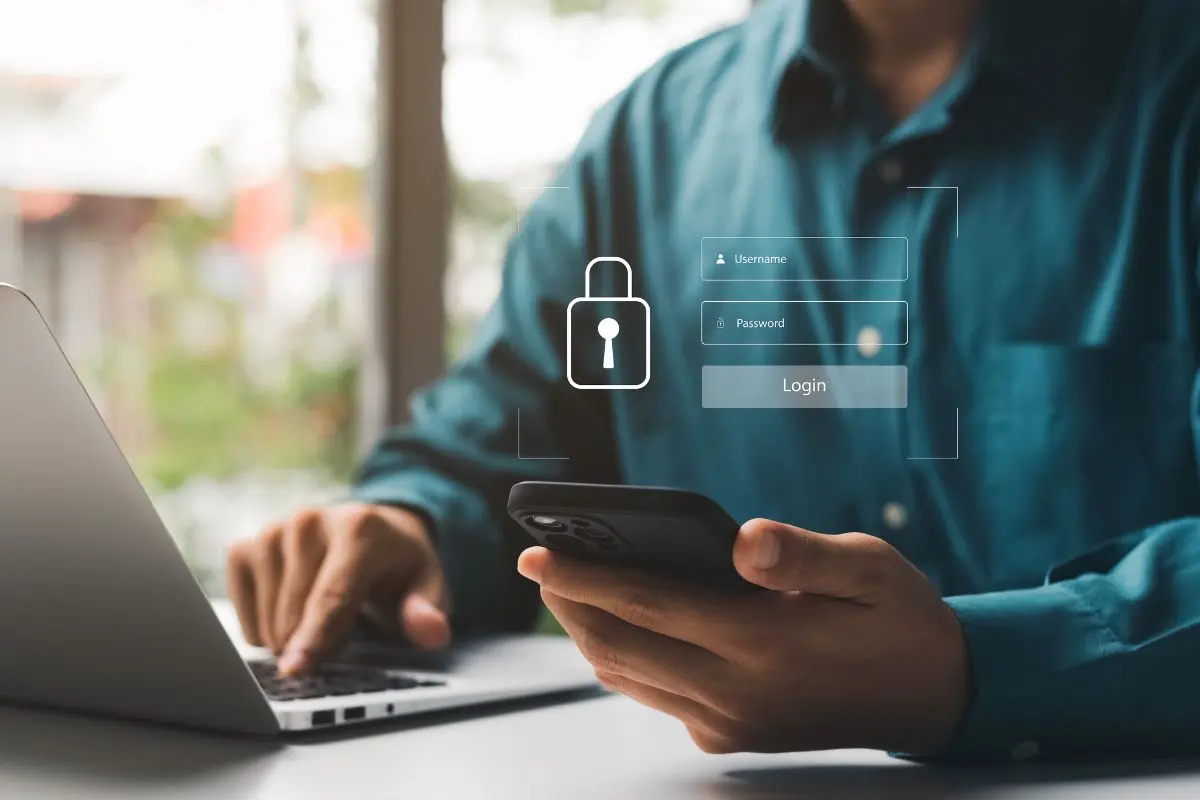
Passwords assume each person has a personal device and time to manage credentials. Frontline environments break both assumptions within minutes of a shift starting. The result is a mix of security gaps and productivity losses. Here are the most common problems organizations face.
- Credential sharing: Staff pass logins between colleagues, which erases any record of who did what.
- Frequent resets: Forgotten passwords flood the helpdesk and leave employees idle while they wait.
- Written passwords: Sticky notes on kiosks and terminals hand credentials to anyone passing by.
- Phishing exposure: Fake login pages and text messages trick workers into revealing typed credentials.
- Gloves and gear: Protective equipment makes typing complex passwords slow and error prone.
Each issue seems small on its own, but together they add up quickly. Lost minutes at login multiply across hundreds of workers and thousands of shifts. Shared credentials also make audits harder in regulated industries like healthcare and food production. Clearly, adding more password rules will not solve a problem that passwords created.
What Modern Frontline Login Looks Like
The alternative is passwordless access built on open, phishing resistant standards. Many enterprises now rely on FIDO authentication, which replaces typed secrets with cryptographic keys tied to devices. Because no shared secret travels across the network, attackers have nothing useful to steal. U.S. agencies such as CISA urge organizations to adopt phishing resistant methods like this one.
- Face recognition: Workers glance at a shared tablet to sign in within seconds.
- Badge tap: Employees tap existing ID cards on NFC readers to unlock apps.
- Palm or fingerprint scan: Associates confirm identity with a quick touch during busy periods.
- QR code login: Staff scan a personal code to access shared devices without typing.
The best setups let each site choose the factor that fits its daily reality. A cleanroom might favor face recognition, while a warehouse prefers badge taps. Either way, people authenticate in seconds and IT gains a clear record of every session. Security improves without asking busy teams to remember anything at all.
How Enterprises Can Roll Out Passwordless Login Smoothly
Switching login methods across a large workforce can feel daunting at first. A phased plan keeps operations steady while teams adjust to the change. The organizations that succeed treat rollout as a people project as much as a technical one. These steps help any business make the move with confidence.
- Start with one high impact site where login delays cause visible pain.
- Connect the new system to existing HR and identity tools for automatic provisioning.
- Choose authentication factors that match each environment, shift pattern, and device type.
- Train supervisors first so they can guide their teams through the first week.
- Keep a secure fallback option available for lost badges or unusual situations.
- Expand site by site, using feedback from each phase to refine the next.
A gradual approach builds trust and surfaces problems early. Frontline champions can share quick wins with peers who feel unsure about the change. Linking the platform to HR systems also means new hires get access on day one. Departing employees lose it just as fast, which closes a common security gap.
Measuring the Impact

Leaders need proof that the investment pays off for the organization. Fortunately, passwordless programs produce clear signals within the first few months. Tracking a handful of metrics keeps stakeholders aligned and supports future budget requests. Focus on these indicators after launch.
- Password reset tickets logged with the helpdesk each month.
- Average time workers spend signing in at the start of a shift.
- Number of shared or generic accounts still in active use.
- Phishing incidents linked to stolen frontline credentials.
- Audit findings related to access control and user accountability.
Strong results in these areas make the business case easy to defend. Reduced helpdesk volume frees IT staff for higher value projects. Faster logins return productive minutes to every shift, which supervisors notice quickly. Cleaner audit trails also help compliance teams answer regulator questions with confidence.
Frontline Security Is Now a Leadership Priority
Deskless workers deserve tools that respect their time and protect the data they handle. Passwords fail both tests, especially on shared devices and fast moving shop floors. Passwordless login built on open standards offers a practical path forward for every enterprise. It removes friction for employees while shutting the door on credential theft.
The companies that act now will gain a safer, faster, and more accountable frontline. Those that wait will keep paying for resets, shared logins, and avoidable breaches. Rethinking login is no longer just an IT upgrade. It is the first step in securing the deskless workforce. It is a smart business decision that protects people, productivity, and reputation.