You’ve probably bought something because your favorite celebrity used it. Maybe it was a pair of sneakers, a drink, coffee, or even a burger you suddenly needed to try. That is the whole point of celebrity marketing: make a product feel familiar, desirable, and worth talking about.
But the successful celebrity endorsements that really stand out do more than put a famous face on a billboard. Michael Jordan helped turn a sneaker deal into a global brand. George Clooney became closely tied to Nespresso. Ryan Reynolds used his ownership and humor to build businesses, while MrBeast turned his huge audience into a consumer brand with Feastables.
So, what makes these partnerships work? Let’s look at 10 deals that got it right.
What makes celebrity endorsements work?
A celebrity can get people to stop scrolling, but that does not mean they will buy anything. The real trick is making the partnership feel natural. If a fitness star promotes running shoes, it makes sense. If a chef promotes cookware, even better. When the match feels forced, people notice.
The most successful celebrity endorsements usually have three things in common:
- The right fit: The celebrity suits the brand and its audience.
- A reason to care: The partnership gives fans something more than an ad.
- Real results: The campaign drives sales, attention, or long-term brand growth.
The best deals do not just borrow fame. They make the celebrity part of the brand story.
1. Michael Jordan and Nike: Air Jordan
Deal overview
Michael Jordan signed with Nike in 1984, when the company was still building its position in basketball. Instead of treating him as another athlete in an ad, Nike helped create a signature product around him.
That decision made this one of the defining successful celebrity endorsements in sports marketing.
Financial ROI
Nike’s Jordan Brand generated $7.27 billion in revenue in fiscal 2025, although that figure covers the whole Jordan business and cannot be credited to Jordan alone. Nike reported the figure in its 2025 results.
Sportico also estimated Jordan earned $275 million in 2025, with Nike as his main source of income.
Why the partnership clicked?
Jordan brought elite performance, a strong personal story, and a style that worked beyond basketball. Nike gave him a product platform rather than just an advertising contract.
2. George Foreman and Salton: George Foreman Grill
Deal overview
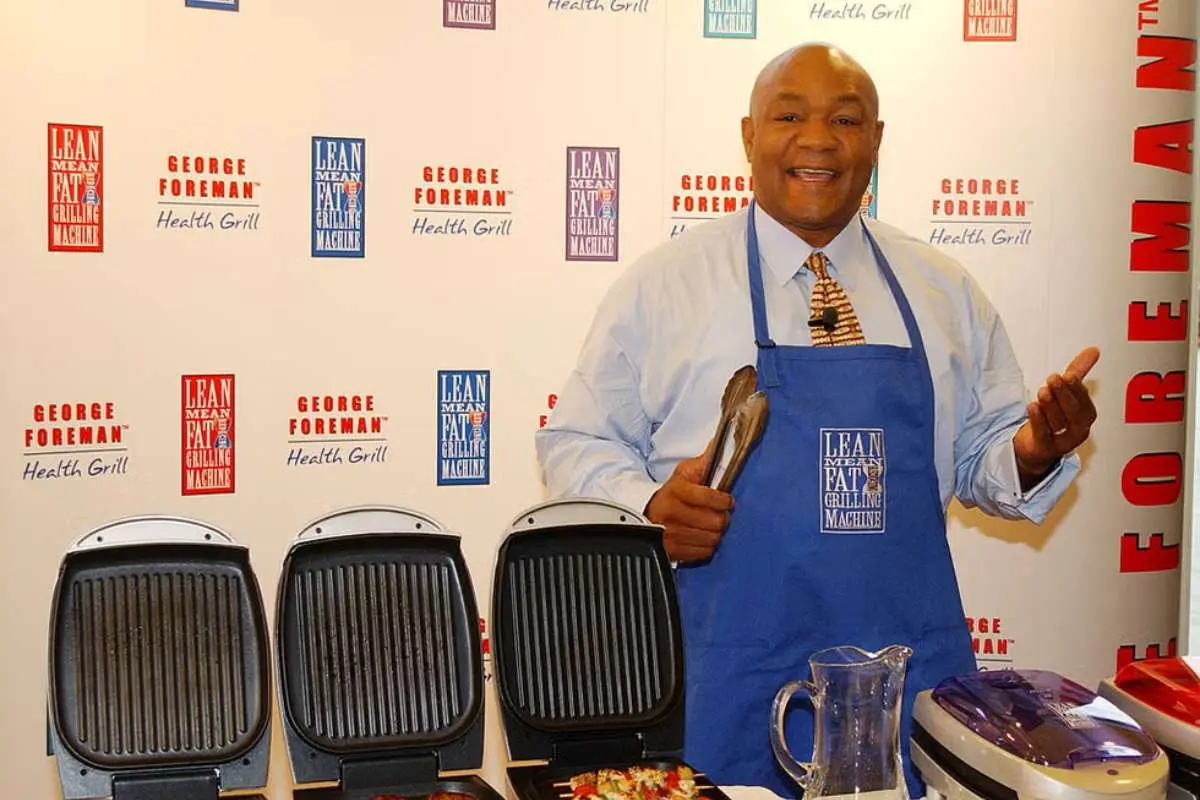
George Foreman became the face of Salton’s indoor grill in 1994. The product was simple, and Foreman’s friendly image made it easy for shoppers to understand.
Among older successful celebrity endorsements, this is a clear example of a celebrity becoming part of the product itself.
Financial ROI
More than 100 million George Foreman Grills have been sold. In 1999, Salton paid about $137.5 million to buy the rights to use Foreman’s name on the product. Sports Business Journal reports that the grill remained one of the most successful athlete licensing deals.
Why the partnership clicked
Foreman did not feel like a distant celebrity selling kitchen equipment. He became closely linked to the grill. The product, his image, and the sales pitch all told the same simple story.
3. George Clooney and Nespresso
Deal overview
George Clooney began working with Nespresso in 2006 and became a long-term global ambassador. His role grew beyond TV ads, including work connected to the brand’s sustainability efforts. Nespresso still used Clooney in campaigns in 2025 and 2026.
This makes the relationship one of the longest-running successful celebrity endorsements in premium consumer marketing.
Financial ROI
Nespresso recorded CHF 6.48 billion in sales in 2025, up 6% organically. Nestlé also said North America posted strong growth, supported by brand campaigns and celebrity collaborations.
That revenue cannot be credited to Clooney alone. It does show the scale of the brand he has represented for years.
Why the partnership clicked
Clooney matched Nespresso’s polished image. His humor also stopped the brand from feeling too formal. In 2026, Nespresso added Dua Lipa while keeping Clooney in its campaign, showing how the brand can refresh its audience without throwing away its identity.
4. Dr. Dre, Jimmy Iovine and Beats by Dre
Deal overview
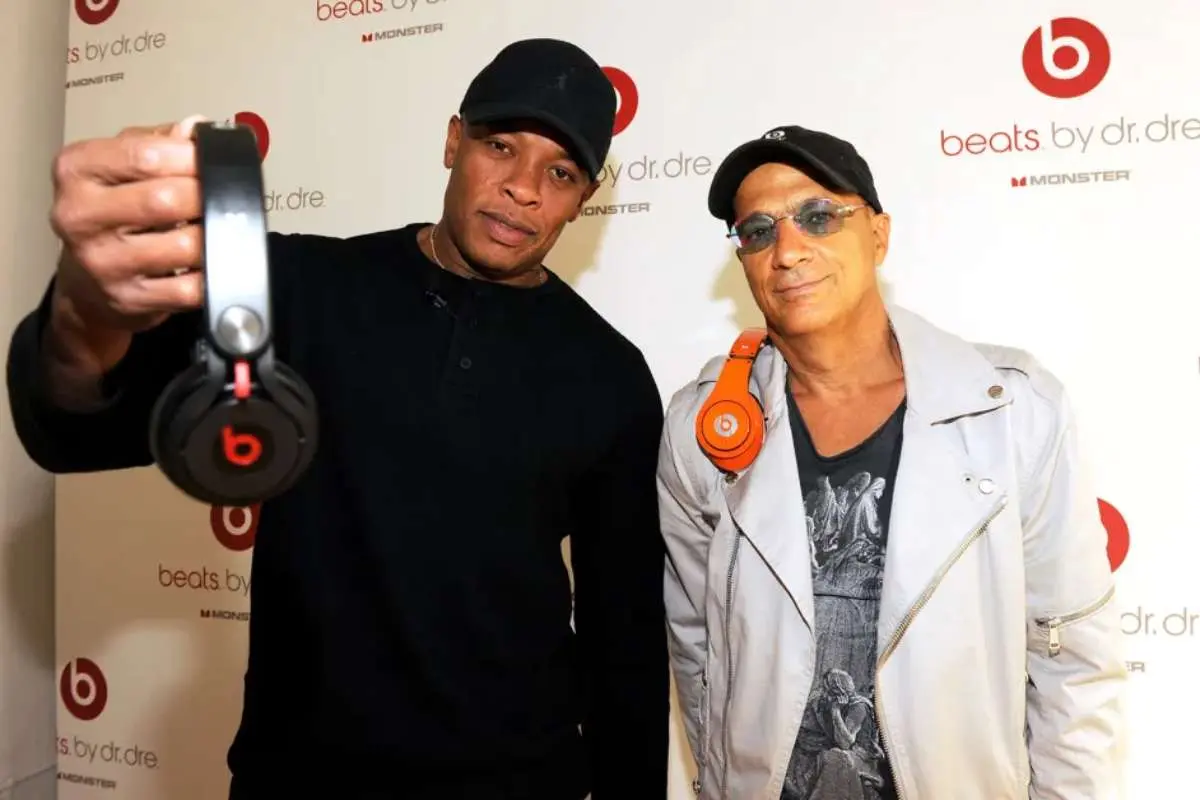
Beats took celebrity involvement a step further. Dr. Dre and Jimmy Iovine built the headphone brand around music culture, celebrity visibility, and strong design.
It remains one of the clearest successful celebrity endorsements because the celebrities were not simply hired talent. They were founders.
Financial ROI
Apple agreed to acquire Beats Music and Beats Electronics for $3 billion in 2014. Apple paid about $2.6 billion upfront, with another $400 million tied to vesting.
Before the sale, Beats Electronics had reported about $1.3 billion in sales in 2013.
Why the partnership clicked?
Dre had credibility in music, while Iovine brought deep industry experience. The brand felt like it belonged to music culture instead of simply borrowing it.
5. Ryan Reynolds and Aviation American Gin
Deal overview
Ryan Reynolds became an owner of Aviation American Gin in 2018 and helped guide its creative direction. He also used his production company to make ads that matched his dry, self-aware humor.
That ownership model helped move the deal beyond traditional successful celebrity endorsements.
Financial ROI
Diageo agreed to buy Aviation and its parent company for up to $610 million in 2020. The deal included $335 million upfront and up to $275 million in additional payments tied to future performance. Reynolds kept an ownership interest.
Why the partnership clicked?
The ads sounded like Reynolds. They did not look like standard liquor commercials. His creative control gave the brand a clear voice, while his ownership gave him a reason to care about long-term growth.
6. Ryan Reynolds and Mint Mobile
Deal overview
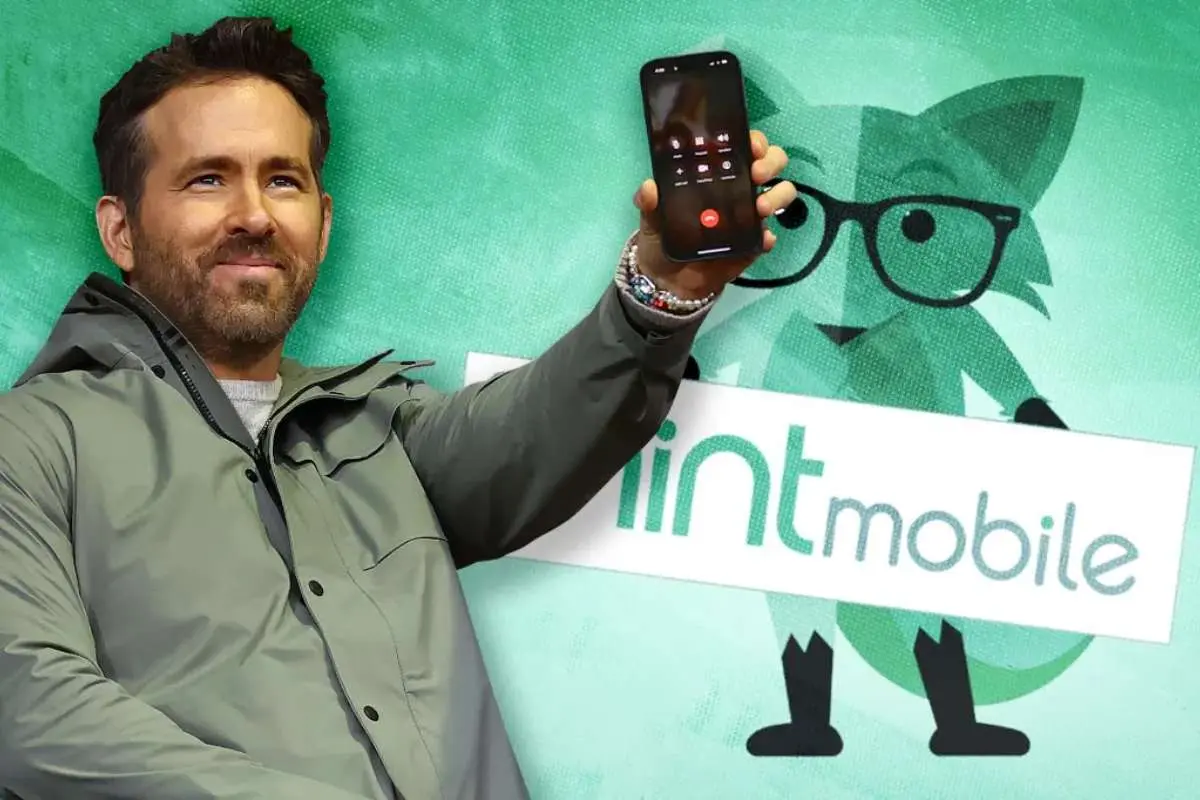
Reynolds also took an ownership stake in Mint Mobile and became one of its most visible creative voices. The brand used simple, funny ads instead of expensive-looking telecom campaigns.
This is where modern successful celebrity endorsements start to look more like business partnerships.
Financial ROI
T-Mobile agreed to buy Mint Mobile’s parent company, Ka’ena Corporation, for up to $1.35 billion. The deal was structured with cash and T-Mobile shares, with the final amount linked to business performance.
Reynolds continued in a creative role after the acquisition.
Why the partnership clicked
Mint had a clear promise: lower-cost wireless service. Reynolds gave that promise a memorable personality. The humor also helped the brand stand apart in a crowded telecom market.
7. MrBeast and Feastables
Deal overview
Feastables shows how creators can build consumer brands around their own media reach. MrBeast, whose real name is Jimmy Donaldson, launched the chocolate company in 2022.
Unlike many successful celebrity endorsements, the creator is tied to the business from the start.
Financial ROI
Bloomberg reported that Feastables generated about $250 million in sales and more than $20 million in profit in the period covered by investor documents.
The model is different from a normal endorsement. MrBeast’s audience helps create awareness, while the company keeps building its own retail and product business.
Why the partnership clicked
Feastables was designed for the audience MrBeast had already built. Product launches could be supported by his content, while the packaging and product itself gave fans something to buy.
8. KSI, Logan Paul and PRIME
Deal overview
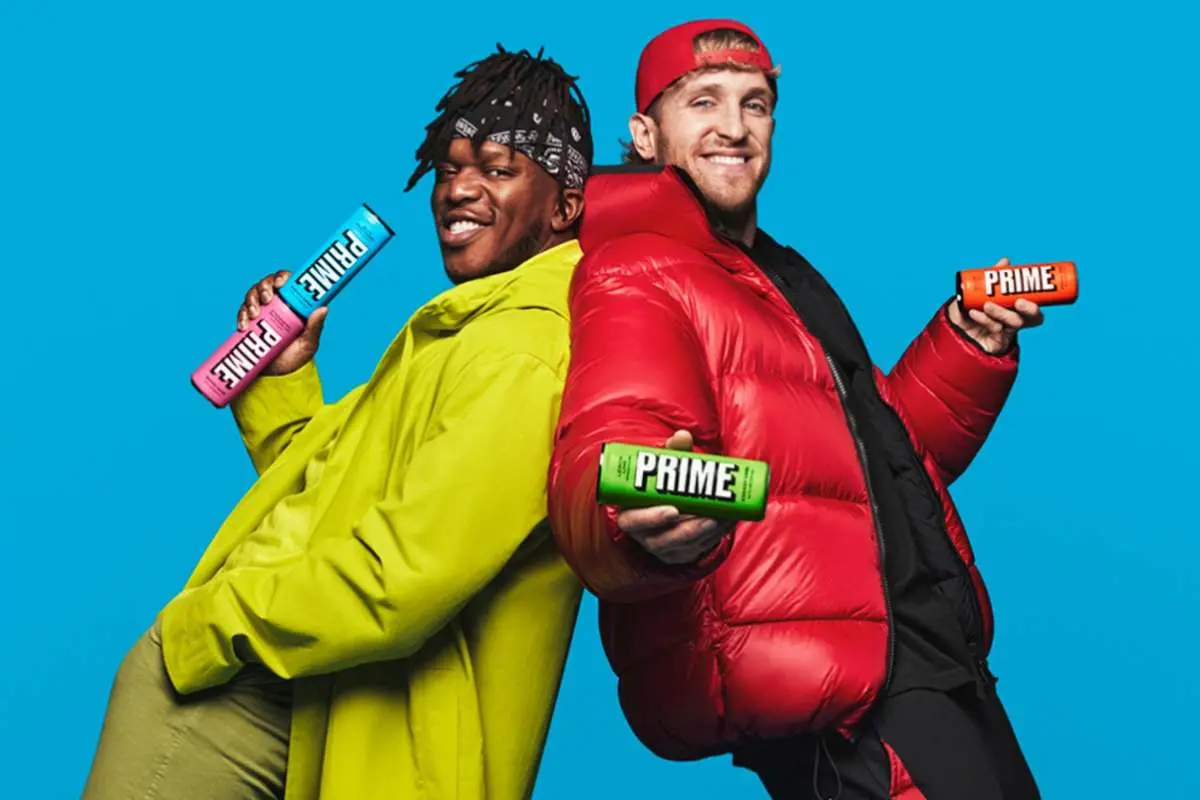
KSI and Logan Paul launched PRIME in 2022 after building huge audiences online. They positioned themselves as business partners rather than simply paid spokespeople.
The model makes PRIME one of the most visible newer successful celebrity endorsements, although its recent sales show why hype alone is not enough.
Financial ROI
PRIME became a major sports and entertainment sponsor, including a global partnership with WWE that gave the brand prominent event placement.
However, its growth later slowed. UK company accounts showed PRIME Hydration’s turnover fell sharply in 2024.
Why the partnership clicked
The biggest strength was the audience. KSI and Paul already had a rivalry and a shared fan base, so the launch created a ready-made story. The later slowdown is also a useful lesson: attention must turn into repeat purchases.
9. Travis Scott and McDonald’s
Deal overview
McDonald’s partnered with Travis Scott in 2020 for a limited-time meal and merchandise collection. It was one of the first major celebrity meals built around a modern music star.
The campaign showed how successful celebrity endorsements can turn an ordinary product into a cultural event.
Financial ROI
The partnership created major attention around a familiar McDonald’s menu. Scott also had a direct commercial interest in the campaign through the partnership and merchandise.
The bigger lesson is not one sales number. It is how McDonald’s created scarcity, social conversation, and a product fans could identify with the celebrity.
Why the partnership clicked
The meal was easy to understand. Fans could order what Scott ordered, then buy limited merchandise. That made the campaign simple, social, and easy to share.
10. Rihanna and Puma
Deal overview
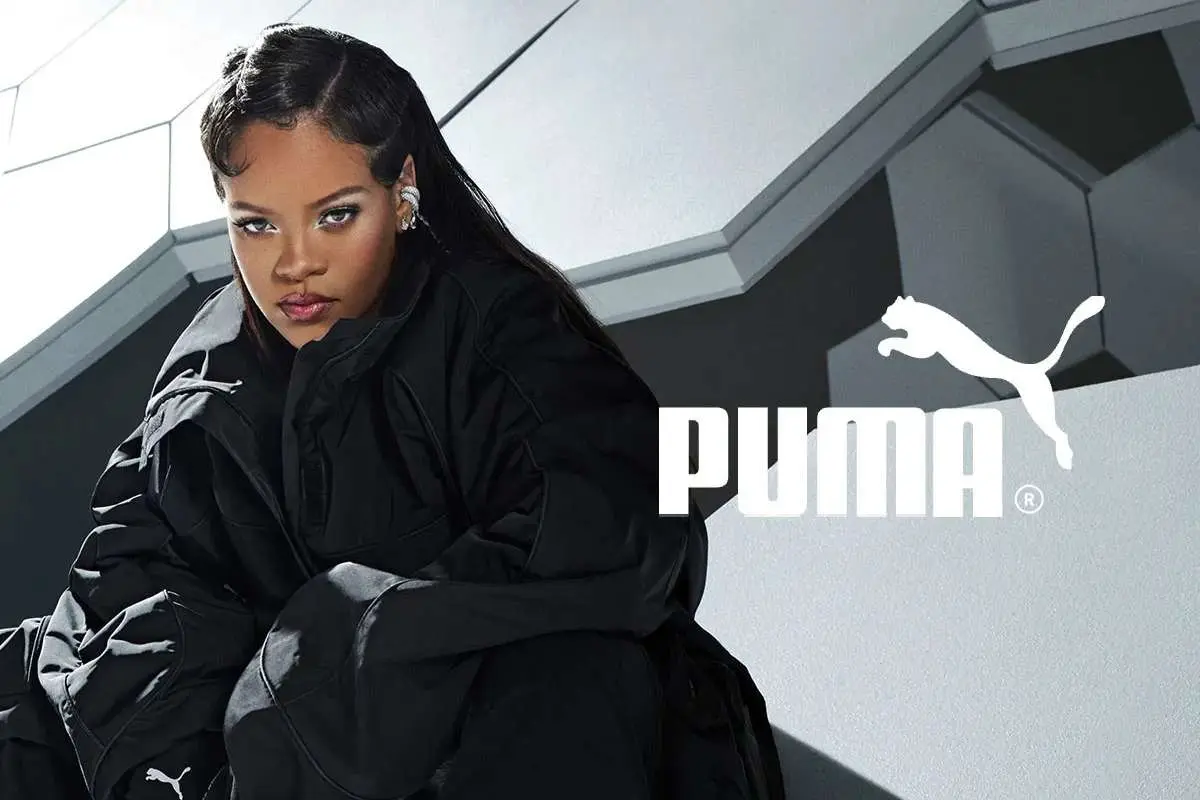
Rihanna joined Puma as a global ambassador and later became the brand’s creative director. She helped shape products, including the Fenty Puma Creeper.
This deeper creative role separates the partnership from basic successful celebrity endorsements.
Financial ROI
The partnership helped Puma gain attention in women’s fashion and lifestyle footwear. The Creeper became one of the best-known products from the collaboration.
Exact revenue credited only to Rihanna is not publicly available, so claims that assign a specific sales increase to her alone should be treated with caution.
Why the partnership clicked
Rihanna already had strong fashion credibility. Puma gave her room to create instead of simply asking her to appear in ads. The result felt closer to a fashion collaboration than a standard endorsement.
The celebrity deals worth billions: who came out on top?
The table below ranks these partnerships by estimated total commercial value or the latest measurable business value tied to the deal. These figures are not directly comparable. Some are acquisitions, some are annual brand revenue, and some are licensing values.
| Rank | Partnership | Estimated commercial value | Value type |
| 1 | Michael Jordan × Nike | $7.27B | Jordan Brand FY2025 revenue |
| 2 | George Clooney × Nespresso | CHF 6.48B | Nespresso 2025 sales |
| 3 | Dr. Dre × Beats × Apple | $3B | Apple acquisition |
| 4 | Ryan Reynolds × Mint Mobile | Up to $1.35B | T-Mobile acquisition |
| 5 | Ryan Reynolds × Aviation Gin | Up to $610M | Diageo acquisition |
| 6 | MrBeast × Feastables | About $250M | Reported annual sales |
| 7 | George Foreman × Salton | $137.5M | Name-rights buyout |
| 8 | KSI × Logan Paul × PRIME | Not disclosed | Private business |
| 9 | Rihanna × Puma | Not disclosed | Private partnership |
| 10 | Travis Scott × McDonald’s | Not disclosed | Campaign partnership |
The table should not be read as a strict ROI league table. It compares the best public financial measures available, which vary by deal. That is important when studying successful celebrity endorsements.
Conclusion: what can brands learn from these deals?
The strongest partnerships do not start with the question, “Which celebrity has the biggest following?”
They start with the product.
For successful celebrity endorsements, brands should ask:
- Does the celebrity fit the product?
- Can the celebrity add something beyond reach?
- Can the partnership last longer than one campaign?
- Can the celebrity help create the product or brand voice?
- What business result will define success?
The modern model also points toward equity and ownership. Reynolds, MrBeast, KSI, and Logan Paul show how creators can have a deeper stake in the businesses they promote.
That can create stronger incentives, but it also creates more risk. A celebrity’s reputation can change. A product can lose demand. And a creator’s audience may not become repeat customers.
FAQ about successful celebrity endorsements
1. What is an example of a successful celebrity endorsement?
Michael Jordan and Nike is the classic example. The deal grew into Jordan Brand, rather than staying as a simple advertising relationship.
2. Which celebrity endorsement made the most money?
Michael Jordan’s Nike relationship is among the most valuable celebrity partnerships ever. Nike’s Jordan Brand generated $7.27 billion in fiscal 2025 revenue, although that figure represents the full brand and not Jordan’s personal earnings.
3. Are celebrity endorsements still effective in 2026?
Yes, but the model is changing. The strongest deals now often combine promotion, product development, creative control, ownership, or equity.
4. What is the difference between a celebrity endorsement and a creator partnership?
A traditional endorsement usually pays a celebrity to promote a product. A creator partnership can give the person a role in product design, marketing, ownership, or business growth.
5. What is the biggest lesson from successful celebrity endorsements?
Celebrity fame is not enough. The partnership needs a strong product, a clear audience fit, and a reason for the celebrity to stay involved.