Power in the Middle East has moved past legacy metrics like oil output or family prestige. Mapping the top 10 most influential Arabs reveals the executives, sovereign managers, and enterprise founders directly controlling global deal flow and institutional capital deployment.
Their boardroom calls set the pace for foreign direct investment and dictate how multinational corporations enter regional markets. They are also actively playing a massive role in their high-stakes expansion across Asia, Europe, and North America.
In this article, we will track their strategic moves and see how and where their capital is concentrated.
How we define influence
For this article, influence is measured by the scale of a leader’s current responsibilities, the institutions or companies they control or lead, and the reach of their decisions across markets. We also consider access to capital, involvement in strategic industries, international business activity, and the ability to affect major economic or institutional decisions. This means influence is not based on personal wealth alone.
The top 10 most influential Arabs behind global capital and business
The 10 individuals featured in this article are based on the first 10 names in Gulf Business’s 2026 Arab Power List. We have reorganized them by sector and independently analyzed the sources and nature of their influence. The sector grouping is editorial and should not be interpreted as a separate ranking by The Enterprise World. Here are the top 10 most influential Arbas at a glance:
Royalty and state leadership
Royal family members hold influence that can extend well beyond individual companies. Their roles often connect government responsibilities with major financial, business, and infrastructure institutions.
1. HH Sheikh Tahnoon Bin Zayed Al Nahyan
- Deputy Ruler of Abu Dhabi
- UAE National Security Advisor
- Chairman of ADIA
- Chairman of MGX
- Chairman of G42
- Chairman of IHC
- Chairman of ADQ
- Chairman of Royal Group
Few Arab business leaders sit across as many major pools of capital as Sheikh Tahnoon. His positions link Abu Dhabi’s sovereign wealth, technology investments, private assets, and national security interests. Gulf Business estimates that the assets he chairs or oversees reach about $1.3 trillion to $1.5 trillion.
That reach has grown as Abu Dhabi has pushed deeper into artificial intelligence and global technology. MGX has invested in major AI companies and projects, while G42 has built partnerships with global technology firms. ADIA adds the scale of one of the world’s largest sovereign wealth funds. His decisions can shape where large pools of capital flow and which industries receive long-term investment.
2. HH Sheikh Ahmed bin Saeed Al Maktoum
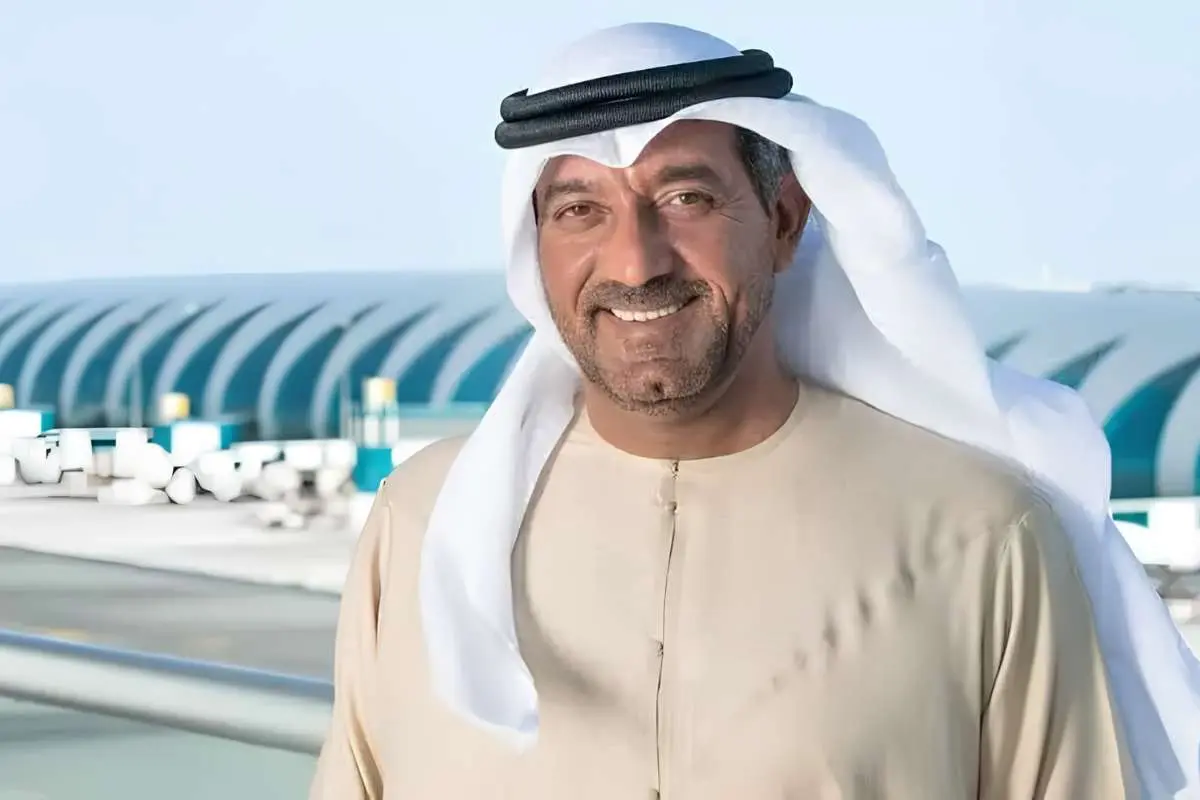
- Chairman and CEO of Emirates Group
- Chairman of Emirates NBD
- Chairman of Dubai Airports
- Chairman of Dubai Holding
Sheikh Ahmed bin Saeed Al Maktoum has a hand in several businesses that connect Dubai with the global economy. Emirates carries millions of passengers across international routes, Dubai Airports manages one of the world’s busiest aviation hubs, and Emirates NBD operates at the heart of the emirate’s financial system.
Those positions give him an unusual reach across sectors that support Dubai’s growth. Aviation brings people, trade, and investment into the city. Banking provides the capital that businesses need to expand. His leadership across these institutions puts him close to decisions that affect Dubai’s position as a global business and travel hub.
Energy and energy transition
Energy remains a major source of Arab influence in global markets. The leaders in this group oversee oil, gas, LNG, and clean energy businesses with large production capacity, international investments, and long-term expansion plans.
3. Dr. Sultan Al Jaber
- Managing Director and Group CEO of ADNOC
- Executive Chairman of XRG
- Chairman of Masdar
Dr. Sultan Al Jaber operates at a point where oil, gas, industrial growth, and clean energy meet. He has led ADNOC’s shift into a more diversified energy business while also heading XRG and Masdar. That gives him a direct hand in both the UAE’s current energy supply and its plans for new energy investment.
The scale behind those roles is significant. ADNOC, XRG, and Masdar have invested more than $85 billion in US energy assets. ADNOC has also expanded its international activities and invested in technology across its operations. Al Jaber’s decisions can reach energy markets, industrial projects, and large investment deals well beyond the UAE.
4. Saad Sherida Al-Kaabi
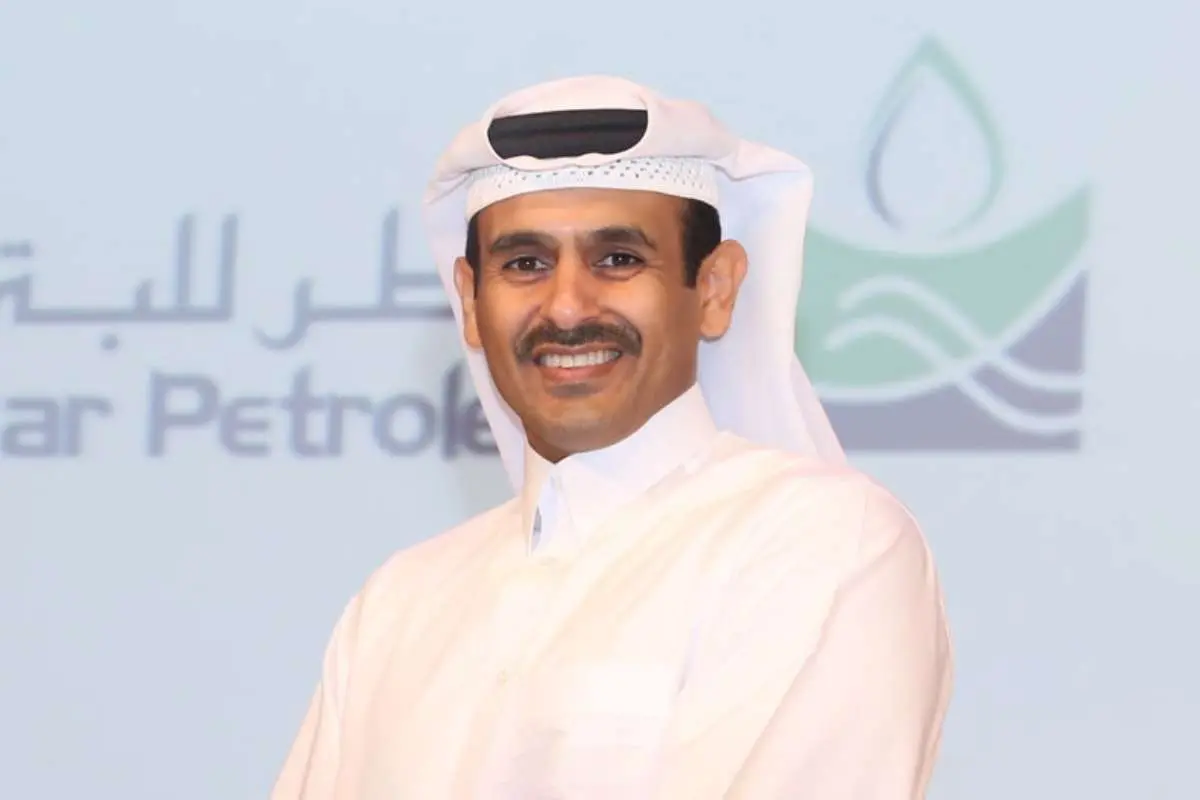
- President and CEO of QatarEnergy
- Chairman of Industries Qatar
Qatar’s position in the global LNG market gives Saad Sherida Al-Kaabi influence that reaches far beyond Doha. QatarEnergy is expanding production through the North Field project, while its international partnerships connect Qatar to major energy markets around the world.
The decisions made under Al-Kaabi affect how much LNG Qatar can supply and where that supply goes. QatarEnergy has also built interests in projects outside the country, including the Golden Pass LNG project in the United States. That combination of production scale and international investment gives Al-Kaabi a direct role in the global energy trade.
5. Amin H. Nasser
- President and CEO of Saudi Aramco
Amin H. Nasser leads Saudi Aramco at a time when energy remains central to the global economy. The company’s size gives its chief executive a reach that extends well beyond Saudi Arabia. Decisions on production, investment, technology, and international projects can affect customers, suppliers, and partners across many markets.
Aramco has also moved beyond its traditional focus on crude oil. It has expanded across the wider energy value chain and continued to invest in areas that support future energy demand. Nasser therefore sits at the centre of decisions that involve one of the world’s most important energy businesses.
Sovereign wealth and global investment
Large Arab investment institutions now hold interests across technology, energy, healthcare, finance, infrastructure, and sport. Their leaders direct capital on a scale that can affect companies and markets well beyond their home countries.
6. Yasir Al Rumayyan
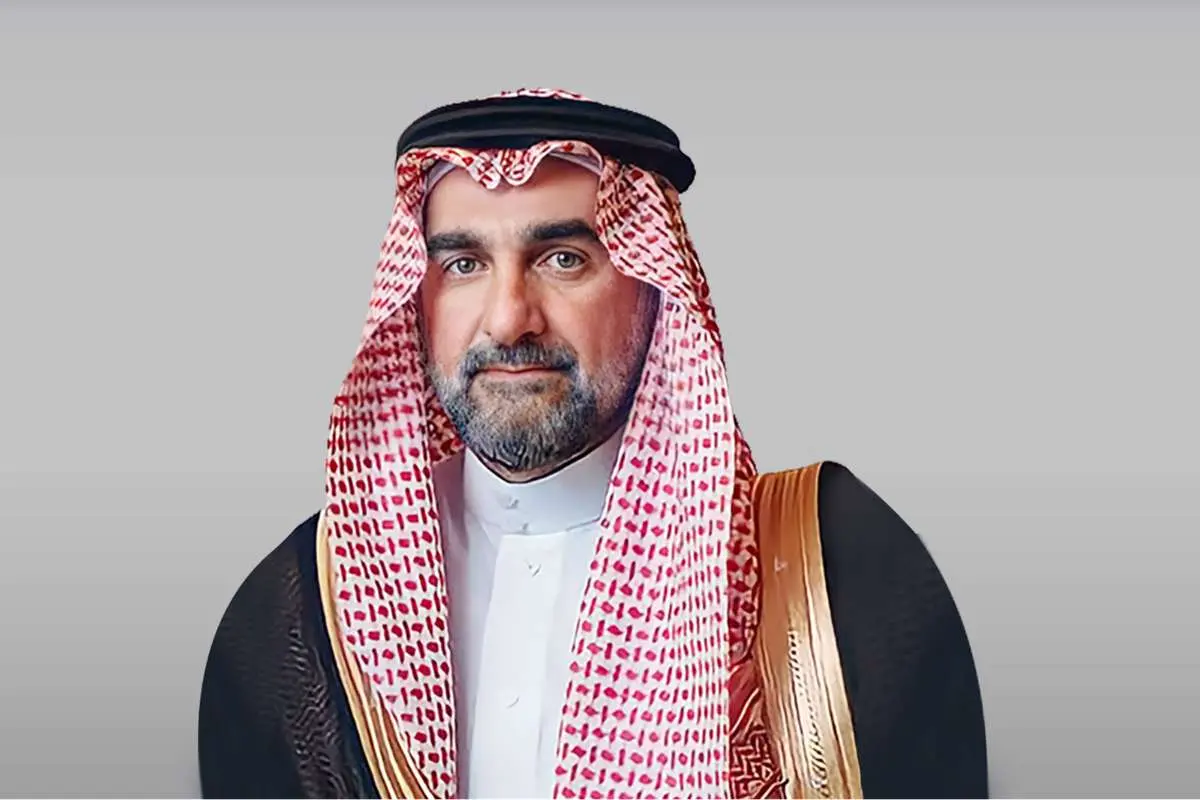
- Governor of Saudi Arabia’s Public Investment Fund
- Chairman of Saudi Aramco
Yasir Al Rumayyan oversees capital that has become a major force in Saudi Arabia’s economic transformation. The Public Investment Fund had more than SAR3.4 trillion, or about $907 billion, in assets under management by the end of 2025. The fund also invested about SAR750 billion inside Saudi Arabia between 2021 and 2025.
His reach does not stop at the sovereign wealth fund. As chairman of Saudi Aramco, he also sits at the top of one of the world’s largest energy companies. His other chairmanships include Riyadh Air, Newcastle United, and LIV Golf. Together, these roles place him across energy, investment, aviation, and global sport.
7. Khaldoon Khalifa Al Mubarak
- Managing Director and Group CEO of Mubadala Investment Company
- Chairman of Manchester City FC
Khaldoon Al Mubarak has helped turn Abu Dhabi capital into a global investment force. At Mubadala, he oversees investments across sectors and markets that extend well beyond the UAE. The fund’s interests give him access to major decisions in areas such as technology, energy, healthcare, and financial services.
Manchester City adds another dimension to that reach. His leadership of the football club has made him a familiar figure in global sport, while Mubadala gives him a much wider role in international business. Few of his peers combine such a large investment portfolio with this level of visibility outside the financial world.
Real estate, digital commerce and banking
Private enterprise is another major source of influence across the Arab business world. Mohammed Al Abbar has built businesses in sectors that affect property markets, consumer spending, digital commerce, and financial services.
8. Mohammed Al Abbar
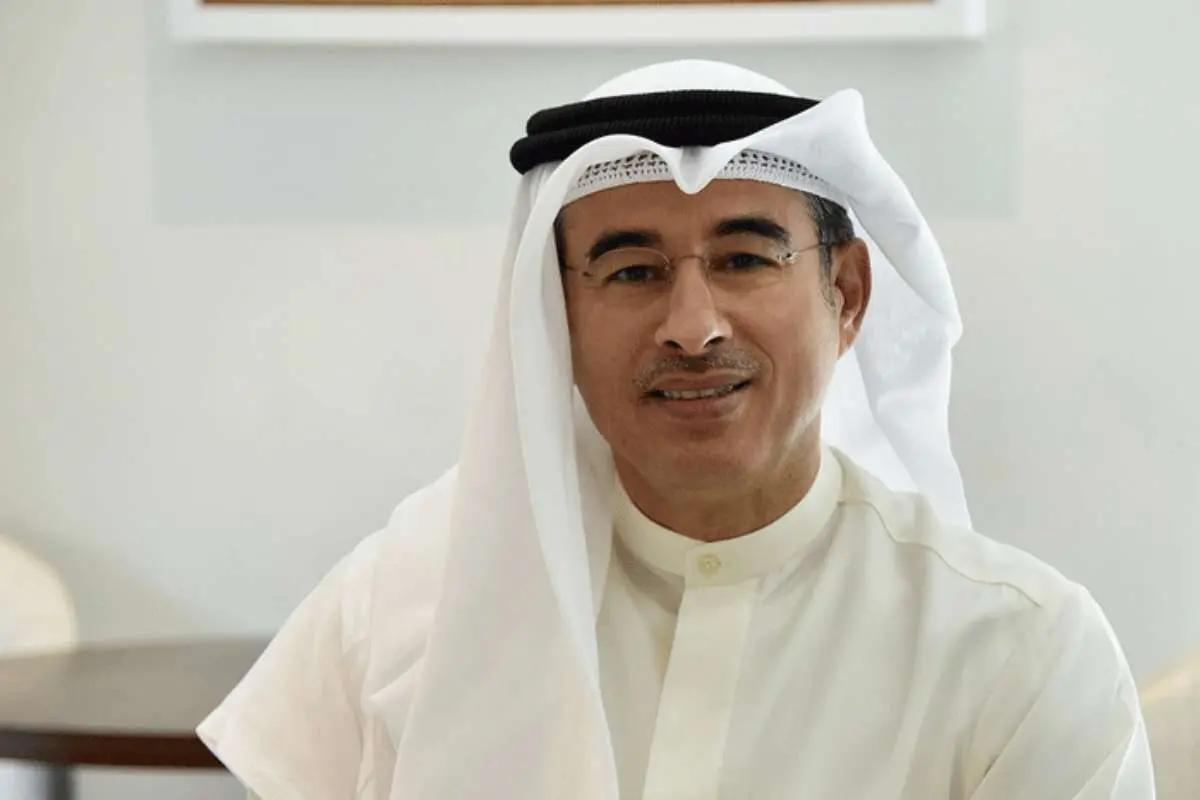
- Founder of Emaar Properties
- Founder of Noon.com
- Chairman of Eagle Hills
- Chairman of Zand Bank
Mohammed Al Abbar has built businesses that have changed how people live, shop, and invest in the region. Emaar helped create some of Dubai’s best-known real estate developments. Noon.com gave him a major position in the region’s growing e-commerce sector, while his work with Eagle Hills extends his real estate interests across several markets.
His portfolio also reaches banking through Zand Bank. That mix gives Al Abbar influence across physical development, digital commerce, and financial services. His career shows how one entrepreneur can build a wide business network by moving into industries that shape both cities and consumer markets.
Utilities and urban infrastructure
A growing economy depends on reliable power, water, and essential infrastructure. Saeed Mohammed Al Tayer leads one of Dubai’s key utility institutions, with responsibilities tied to both daily demand and the emirate’s future energy plans.
9. Saeed Mohammed Al Tayer
- Vice Chairman of DEWA
- Managing Director of DEWA
- CEO of DEWA
Dubai’s growth depends on reliable power and water, which puts Saeed Mohammed Al Tayer at the centre of one of the emirate’s most important systems. DEWA supplies the infrastructure needed by homes, businesses, industries, and major developments across Dubai.
His work also reaches into the emirate’s clean energy plans. DEWA has backed large renewable energy projects as Dubai works to expand its clean power capacity. This gives Al Tayer a role that extends beyond daily utility operations. His decisions affect how Dubai supports growth while changing the way it produces and uses energy.
Nuclear energy and advanced power
Nuclear power adds another area of influence through large infrastructure projects, technical standards, and international cooperation. Mohamed Al Hammadi combines leadership of the UAE’s nuclear program with roles in global nuclear organisations.
10. Mohamed Al Hammadi
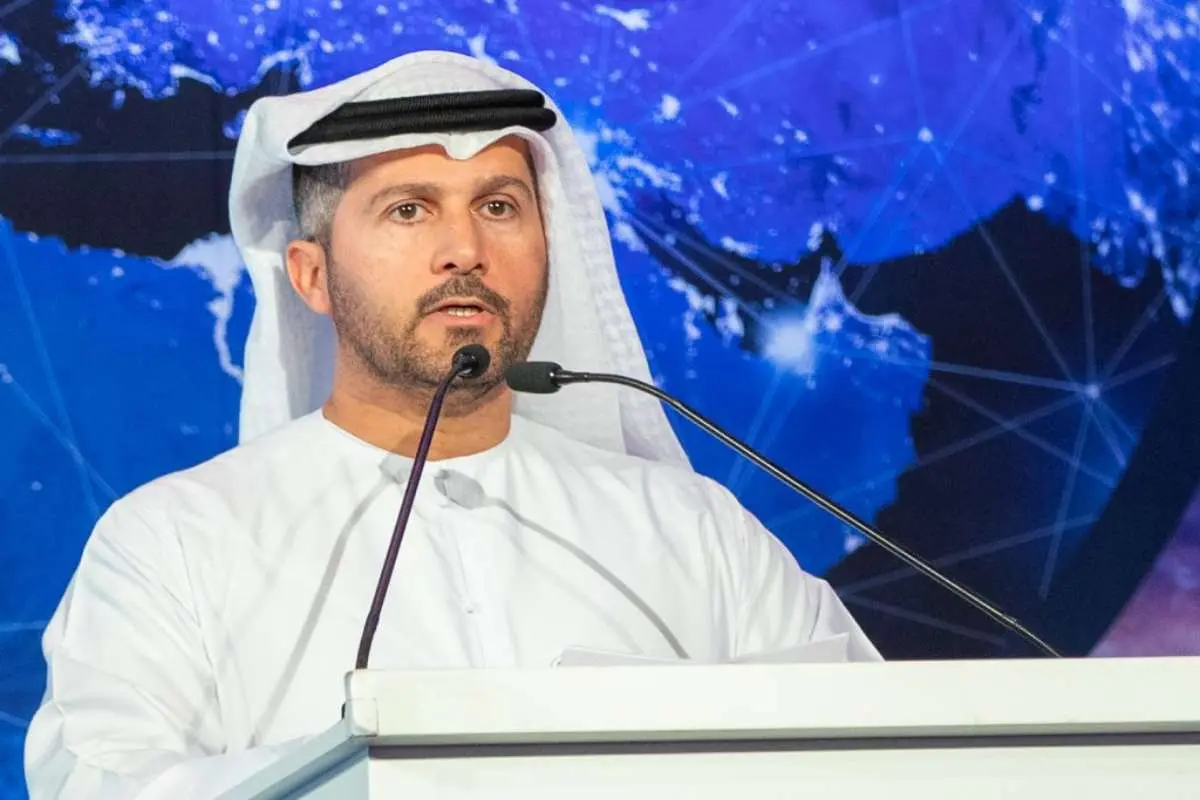
- Managing Director and Group CEO of ENEC
- Chairman of WANO-Atlanta Center
Mohamed Al Hammadi has spent years building the UAE’s nuclear energy program. Under his leadership, the Barakah Nuclear Energy Plant became the Arab world’s first nuclear power plant, with all four units now operating. The plant produces about 40 TWh of electricity each year.
His reach now extends into the wider nuclear industry. In December 2025, Al Hammadi became the first Arab and Asian leader to chair the WANO-Atlanta Centre. He also serves as vice chairman of the World Nuclear Association and sits on the board of TerraPower. These positions give him a voice in nuclear safety, industry standards, and the development of next-generation nuclear technology.
The difference between wealth and influence
Wealth does not always equal influence. A person may hold significant personal wealth without having a direct role in major institutions, companies, or markets. Influence can instead come from the ability to direct capital, lead a major organisation, or make decisions that affect an entire industry.
This is why the list includes leaders whose influence comes from their positions rather than personal fortunes alone. A sovereign fund leader, energy executive, or infrastructure chief may influence markets on a much larger scale through the institution they lead.
What has changed in Arab influence in 2026?
Arab influence in 2026 extends well beyond traditional energy markets. Gulf capital is moving deeper into technology, artificial intelligence, infrastructure, and other sectors tied to future growth. Sovereign wealth funds are also making investments across global markets, giving their leaders a wider economic reach. Regional growth is projected to increase from 2.9% in 2025 to 3.7% in 2026.
Technology has become a larger part of this shift, especially AI. At the same time, Gulf leaders continue to expand their international presence through investment, business partnerships, and major infrastructure projects. This has created a broader model of Arab influence, where energy, capital, technology, and global business now overlap.
Conclusion
Capital concentration across the Middle East has created an unprecedented level of corporate authority. Examining the top 10 most influential Arabs highlights the exact individuals driving this shift.
A single capital allocation decision in these boardrooms can reshape European banking networks or alter Silicon Valley venture funds. The investments deployed across Dubai, Riyadh, and Abu Dhabi establish the baseline for upcoming cross-border M&A, institutional liquidity, and foreign direct investment.
FAQs
1. How do sovereign wealth funds factor into regional power dynamics?
Funds like Saudi Arabia’s PIF deploy hundreds of billions into global infrastructure, technology, and local mega-projects, turning state capital into an international economic force.
2. Why are private family enterprises significant in the region’s economy?
Long-standing family conglomerates anchor industrial stability, manage critical supply chains, and increasingly partner with global entities for high-impact ventures.
3. How does technology integration affect traditional leadership roles in the Arab world?
Leaders are shifting focus toward artificial intelligence, digital banking, and sustainable energy to future-proof traditional sectors against global market changes.
4. Where is cross-border investment primarily concentrating across the region?
Capital is heavily flowing into advanced tech infrastructure, renewable energy portfolios, logistics hubs, and urban real estate developments in commercial centers like Dubai and Riyadh.
5. How do these top 10 most influential Arabs impact Western stock and private equity markets?
Their capital deployments directly inject billions into European banking, US tech funds, and global real estate