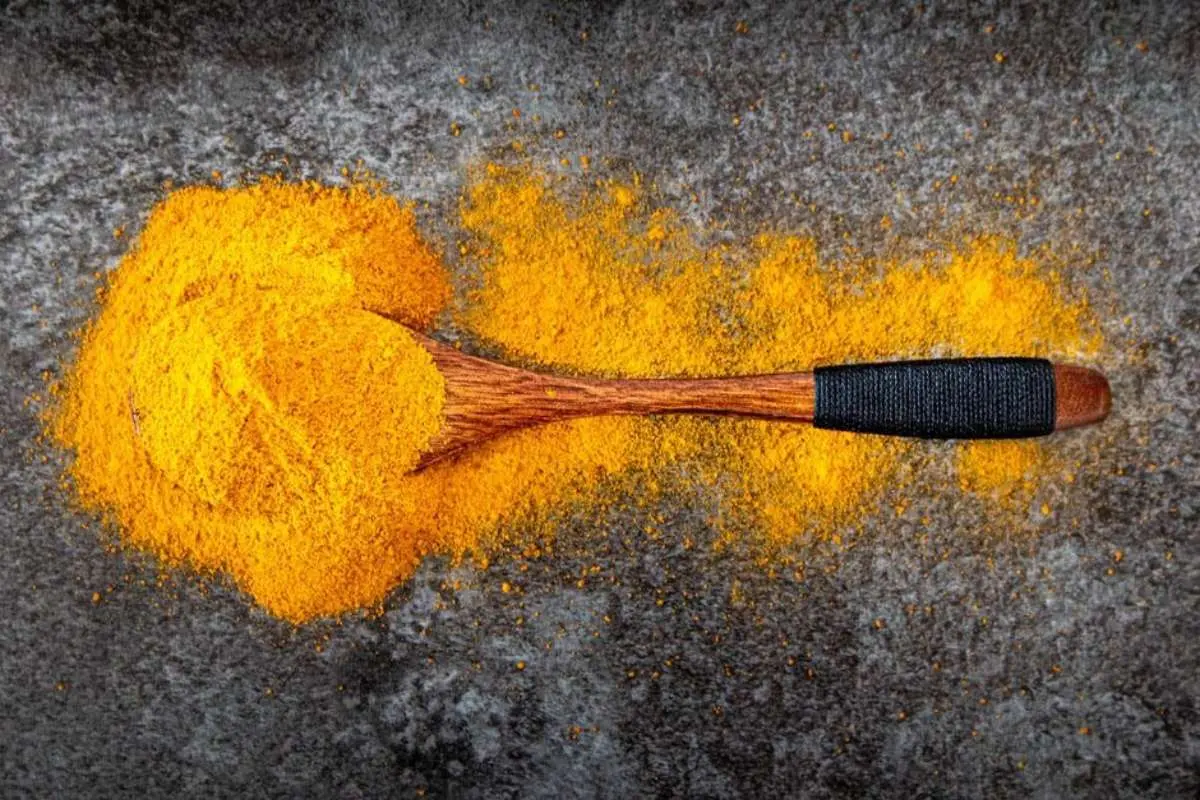
Turmeric has gone from spice rack regular to wellness headline, and not by accident. If you’ve seen it in teas, capsules, smoothies, or skincare, you’ve probably wondered whether it actually deserves the attention. The short answer: it has real potential, but context matters. If you want to understand turmeric benefits, what turmeric can do for your body, where the science looks promising, and what to watch out for, you’re in the right place.
What makes turmeric more than just a cooking spice?
Turmeric comes from the root of *Curcuma longa*, a plant long used in South Asian cooking and traditional medicine. Its bright yellow color isn’t just for visual drama. The root contains active compounds called curcuminoids, with curcumin getting most of the scientific spotlight.
What makes turmeric interesting is its connection to inflammation and oxidative stress, two processes linked to many common health issues. Researchers have spent years studying how turmeric interacts with the body, especially in supplement form.
That doesn’t mean every golden latte is a medical breakthrough. The amount of curcumin in turmeric powder is relatively low, and your body doesn’t absorb it especially well on its own. That absorption problem is a major plot twist in the turmeric story.
How turmeric may help with inflammation and joint comfort?
Inflammation isn’t always the villain. Your body uses it to respond to injury and infection. Trouble starts when inflammation becomes chronic and quietly sticks around. That can affect your joints, energy levels, and overall comfort.
Turmeric has drawn attention because curcumin appears to influence several inflammatory pathways. In practical terms, some people use it to support joint mobility, especially when dealing with stiffness after exercise or age-related wear and tear.
Research in this area is promising, though not magic-wand level. Some studies suggest curcumin may help reduce discomfort in people with osteoarthritis when used consistently. If you’re looking into turmeric benefits, this is one of the most discussed areas because it connects directly to everyday movement, recovery, and quality of life.
Why absorption matters more than most people realize?
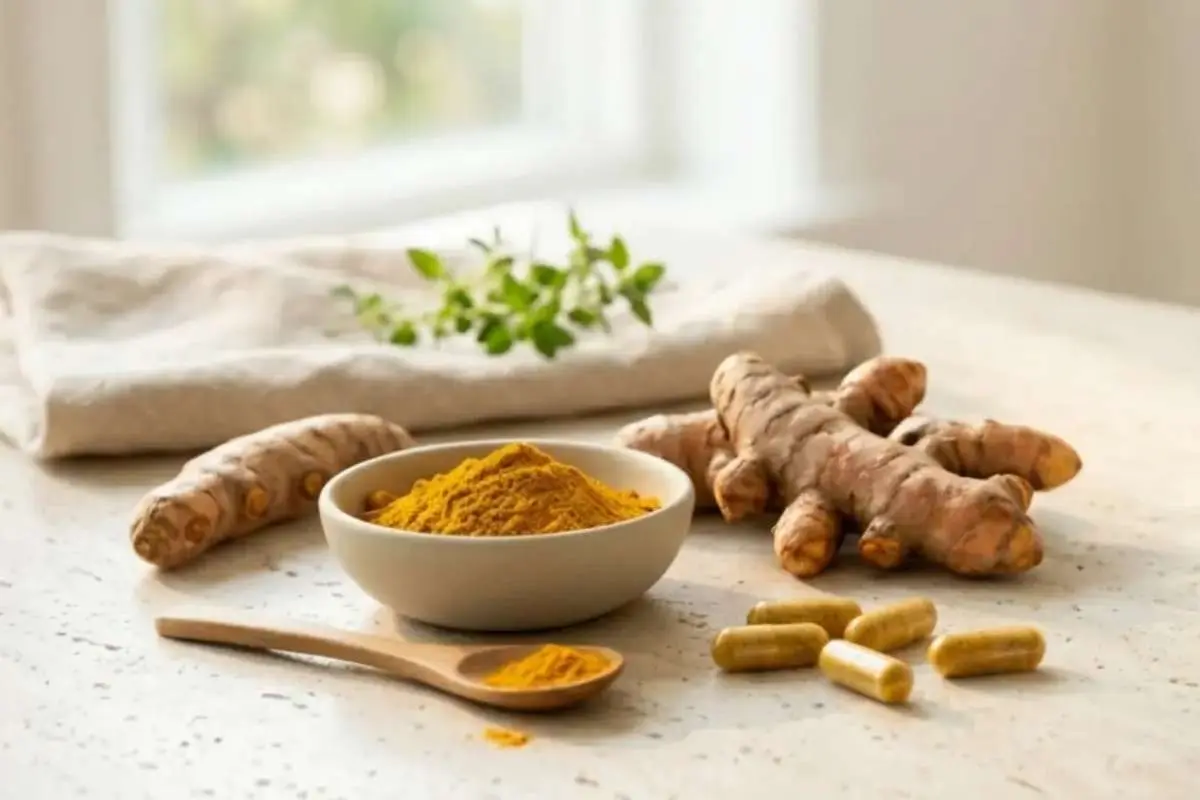
Here’s where many turmeric conversations get a bit fuzzy. Curcumin can be useful, but your body has a hard time absorbing and keeping it active. You could take a product with a big number on the label and still not get much practical value from it.
That’s why formulation matters. Some turmeric products combine curcumin with black pepper extract, often called piperine, to improve absorption. Others use advanced delivery systems designed to help your body use the compound more efficiently.
If you’re comparing options, don’t just look at milligrams. Check whether the product explains bioavailability, ingredient sourcing, and testing. A flashy bottle with vague claims is basically the wellness version of a resume with no work history. You want specifics, not sparkle.
The possible role of turmeric in brain and heart health
Turmeric’s potential isn’t limited to joints. Researchers have also looked at how curcumin may support brain and cardiovascular health. The main reason circles back to inflammation and oxidative stress, which affect more than sore knees. These potential turmeric benefits are part of why researchers continue to investigate its broader effects on the body.
Some early findings suggest curcumin could help support healthy cognitive function by interacting with pathways involved in memory, mood, and cellular protection. That doesn’t make it a cure for anything serious, and the evidence is still developing, but the interest is legitimate.
Heart health enters the chat for similar reasons. Healthy blood vessels depend on balanced inflammatory responses and good endothelial function. Scientists are exploring whether turmeric compounds may offer support in those areas. It’s not a replacement for exercise, sleep, or a decent diet, though. Turmeric works best as part of the bigger picture, not as a nutritional cheat code.
Food versus supplements: What actually makes sense for you
Using turmeric in food is a smart move. It adds flavor, color, and small amounts of beneficial compounds to meals. You can mix it into rice, soups, eggs, roasted vegetables, or marinades without much effort.
Still, food-level turmeric and targeted supplementation serve different purposes. If your goal is general wellness, cooking with it regularly may be enough to make sense. If you’re trying to support a specific issue, such as joint comfort or recovery, standardized supplements are often what researchers use in clinical settings.
A few practical tips can help:
- – Pair turmeric with black pepper in meals
- – Use it with fat sources like olive oil or yogurt
- – Read supplement labels carefully for curcumin content
- – Look for third-party testing when possible
- – Avoid assuming “natural” means risk-free
That last point matters more than people think.
Safety, side effects, and who should be careful

Turmeric is generally well tolerated in food. Supplements are a different category because they deliver concentrated compounds. In some people, higher amounts can cause stomach upset, nausea, or digestive irritation.
You should be especially careful if you take blood thinners, have gallbladder issues, are preparing for surgery, or use medications affected by liver metabolism. Curcumin may interact with certain drugs, and that’s not something to shrug off because a product came from the supplement aisle instead of a pharmacy shelf.
If you’re thinking about regular use, especially in supplement form, talk with a healthcare professional who knows your medical history. Real wellness decisions usually look less glamorous than social media makes them seem. They involve labels, dosage questions, timing, and whether the choice fits your body rather than somebody else’s morning routine.
How to use turmeric realistically in your wellness routine?
The most useful approach is steady and realistic. Turmeric won’t transform your health overnight, but it may support your routine when used consistently and thoughtfully. Think support, not spectacle.
You can start by adding turmeric to meals a few times a week and paying attention to how your body responds. If you’re considering a supplement, look for a clear formula, sensible dosage, and evidence that the product addresses absorption. Keep your expectations grounded in function, not fantasy.
It also helps to zoom out. No supplement can compensate for poor sleep, constant stress, or a diet built around convenience-store diplomacy. Turmeric fits best into a routine that already includes movement, hydration, and actual recovery time.
The hype around turmeric gets noisy fast, but the core idea is simple: when you understand the turmeric benefits, the science, the form, and the limits, you’re much more likely to use it well.