India’s electric mobility sector has moved from building awareness to addressing the practical demands of everyday adoption. As competition grows, manufacturers are increasingly being judged not only by the vehicles they introduce but also by how well they respond to the realities of commercial mobility. This has placed greater importance on leaders who understand both the market and the people who depend on it.
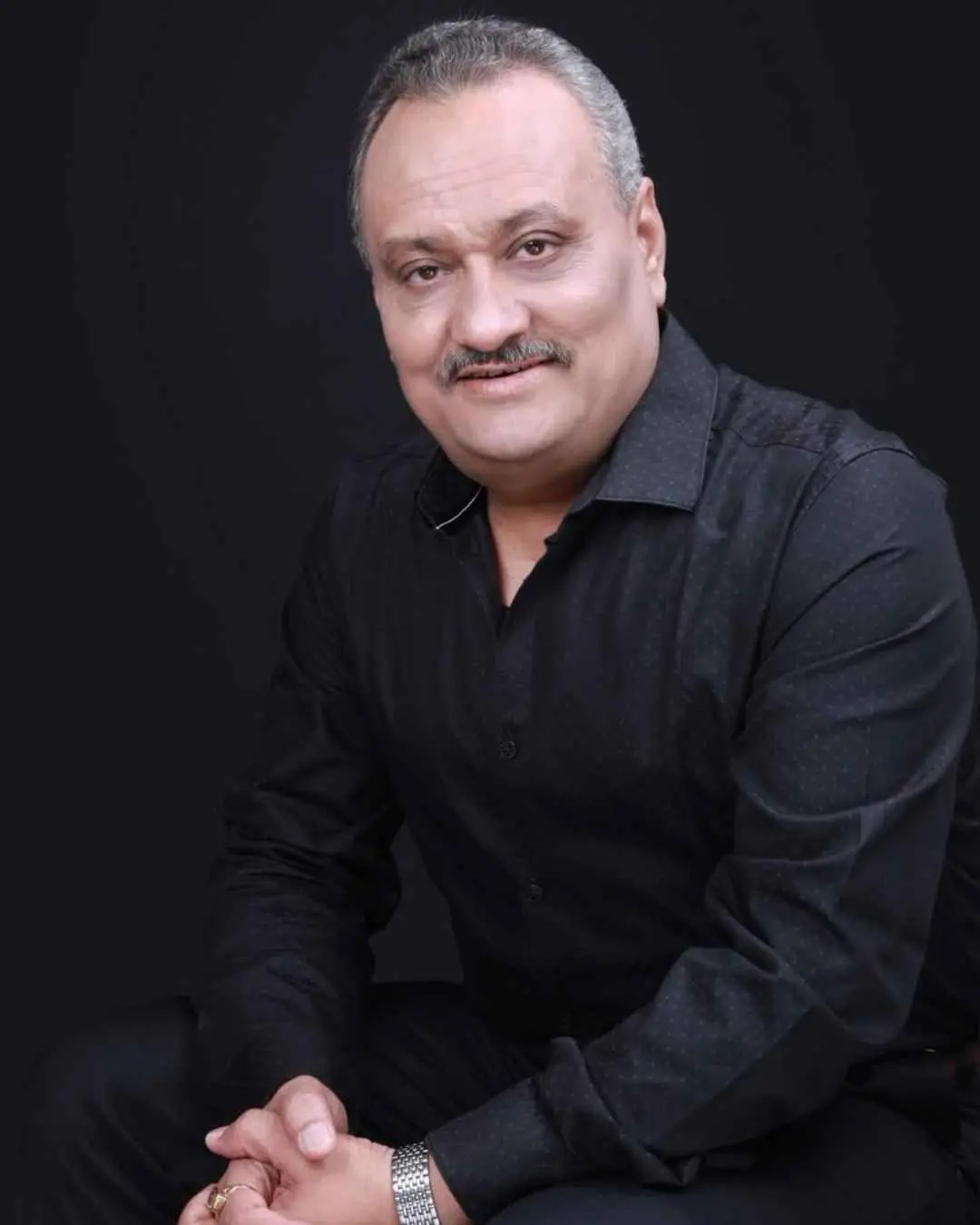
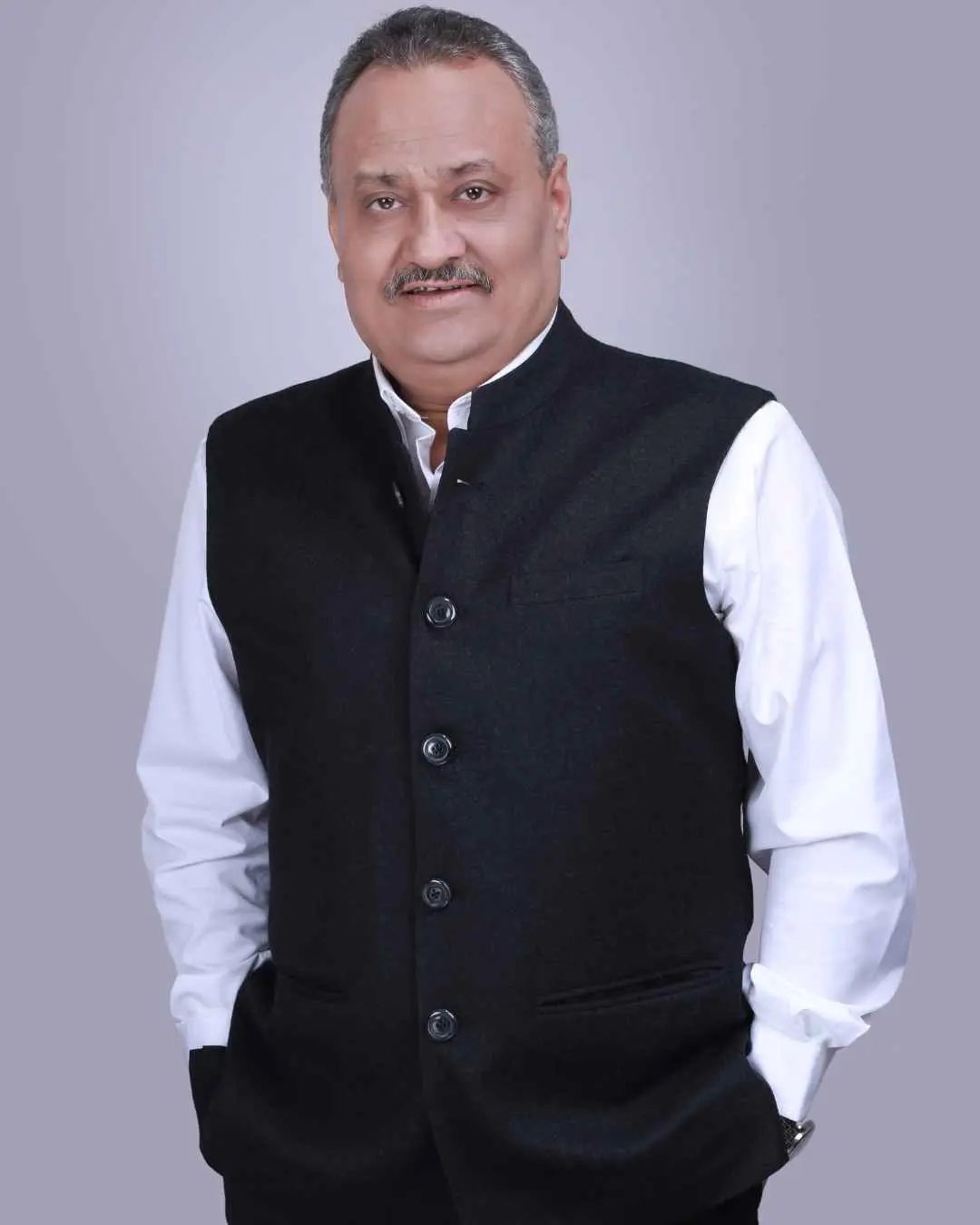
Saera Electric Auto Ltd. has been strengthening its presence in India’s electric three-wheeler segment through its Mayuri range. Vimal Dwivedi, President – Sales & Marketing, brings experience across sales, marketing, operations, distribution, and the automotive and battery sectors to his role. His approach combines market understanding with a focus on building a business that can respond to the changing needs of electric mobility.
Experience That Shaped a Leadership Perspective
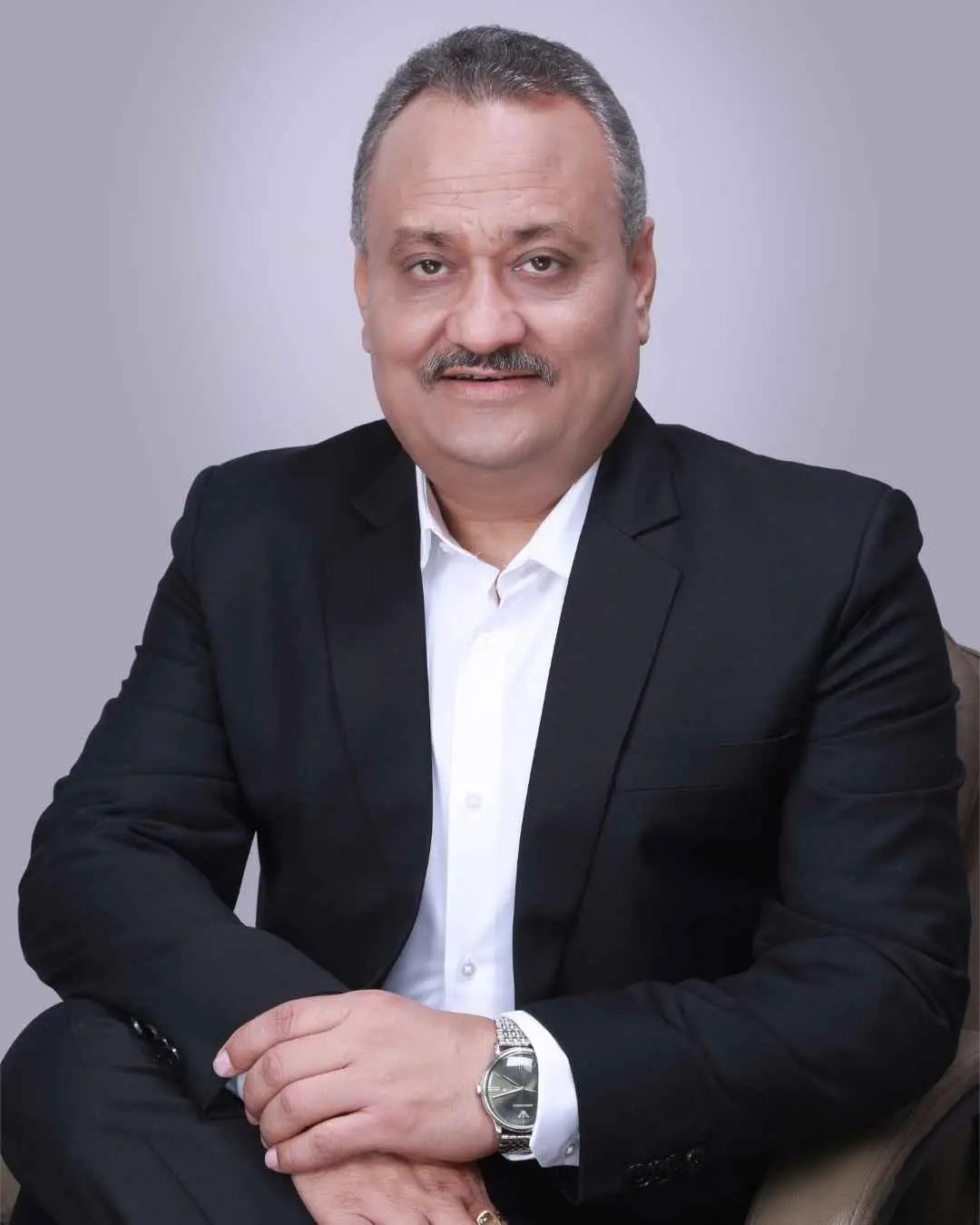
Vimal Dwivedi began his professional career after completing his B.Tech and MBA, taking on roles such as Branch Manager at Apollo Tyres, Area Manager at Reliance Petroleum, and Regional Manager at Birla Tyres. These early positions gave him hands-on experience in sales, distribution, regional markets, and customer relationships. As his responsibilities grew, he moved from managing individual sales activities to leading teams and handling broader business operations.
In 2015, he took on larger responsibilities as Head of Sales and Marketing for All-India operations at Escorts Ltd., followed by his role as Chief Operating Manager at Exide Industries Ltd. These positions expanded his understanding of business operations and the battery sector and strengthened his interest in battery-powered mobility.
His move to Saera Electric Auto Ltd. brought together the experience he had built in his field. At Saera, he supported the company’s growth toward a wider national presence. His responsibilities extended beyond sales targets to improving business systems, identifying gaps, and helping the organization prepare for continued growth.
Saera’s Place in India’s EV Market
As competition increases across India’s electric mobility sector, Saera Electric Auto Ltd. focuses on building value around the Mayuri range rather than competing on the vehicle alone. Consistent product quality and a dependable ownership experience remain important parts of this approach. Designed with commercial three-wheeler users in mind, the vehicles are built to handle long working hours and varied road and weather conditions, where durability matters.
Saera’s pan-India reach is another important part of its market presence. With more than 300+ dealers and associated service facilities, the company works to make its products, spare parts, and support accessible across different regions, including remote areas. This network also gives the company a closer connection to customers and local operating conditions.
Beyond its vehicles and network, Saera continues to improve its offerings as market requirements change. For Vimal Dwivedi, the company’s strength comes from looking at the complete ownership experience, including vehicle quality, spare parts, warranty, service, financing, and after-sales support. This broader approach allows Saera to address the practical factors that influence a commercial customer’s decision to adopt an electric vehicle.
Customer Insight and Product Direction
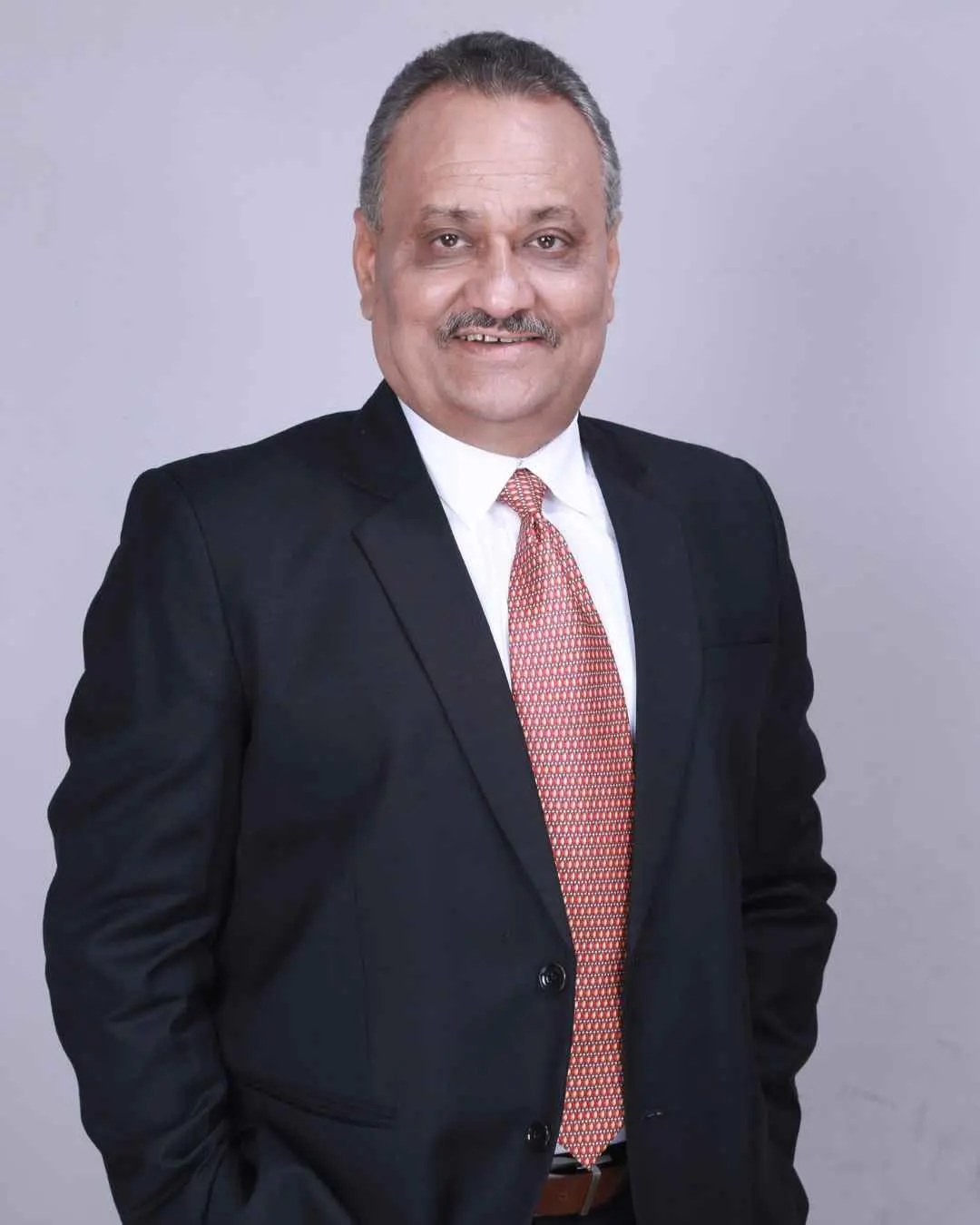
Customer feedback plays an important role in Saera’s product development process, helping shape both its current portfolio and future models. One of the most consistent requests from customers is a greater range within the same price segment. For commercial drivers, range is closely linked to earning potential. It determines how confidently a vehicle can be used throughout the working day and how much work a driver can complete on a single charge.
Ride quality is another area where customer experience provides useful direction. Indian roads can present difficult operating conditions, and poor surfaces can affect the comfort of both drivers and passengers. Saera works closely with its R&D team to test different suspension solutions, with the aim of improving ride comfort without compromising durability or affordability.
The company continues to collect feedback from the field and assess which improvements can make the greatest practical difference. By weighing customer expectations against durability, performance, and cost, Saera works to ensure that product decisions reflect the conditions in which commercial vehicles are actually used.
The Support System Beyond the Vehicle
While vehicle technology continues to improve, financing remains a major factor in the wider adoption of electric mobility. Many commercial vehicle customers work with limited spare cash, making a high initial down payment difficult to manage. Even when an electric vehicle offers lower operating costs, the amount required at the time of purchase can determine whether a customer is able to make the switch.
Saera works with Non-Banking Financial Companies (NBFCs) and private financing partners to provide customers with more ownership options and reduce this initial barrier. Vimal Dwivedi also sees scope for greater participation from nationalized banks and financial institutions, which could make financing more accessible, particularly for commercial and daily-income customers.
The battery ecosystem is another area that requires continued attention. While lithium technology has advanced significantly, battery servicing, replacement infrastructure, and standardization still need greater development. For Vimal, wider EV adoption will depend on building stronger systems around the vehicle so that customers can access financing, service, and battery support with greater confidence.
5 Key Milestones
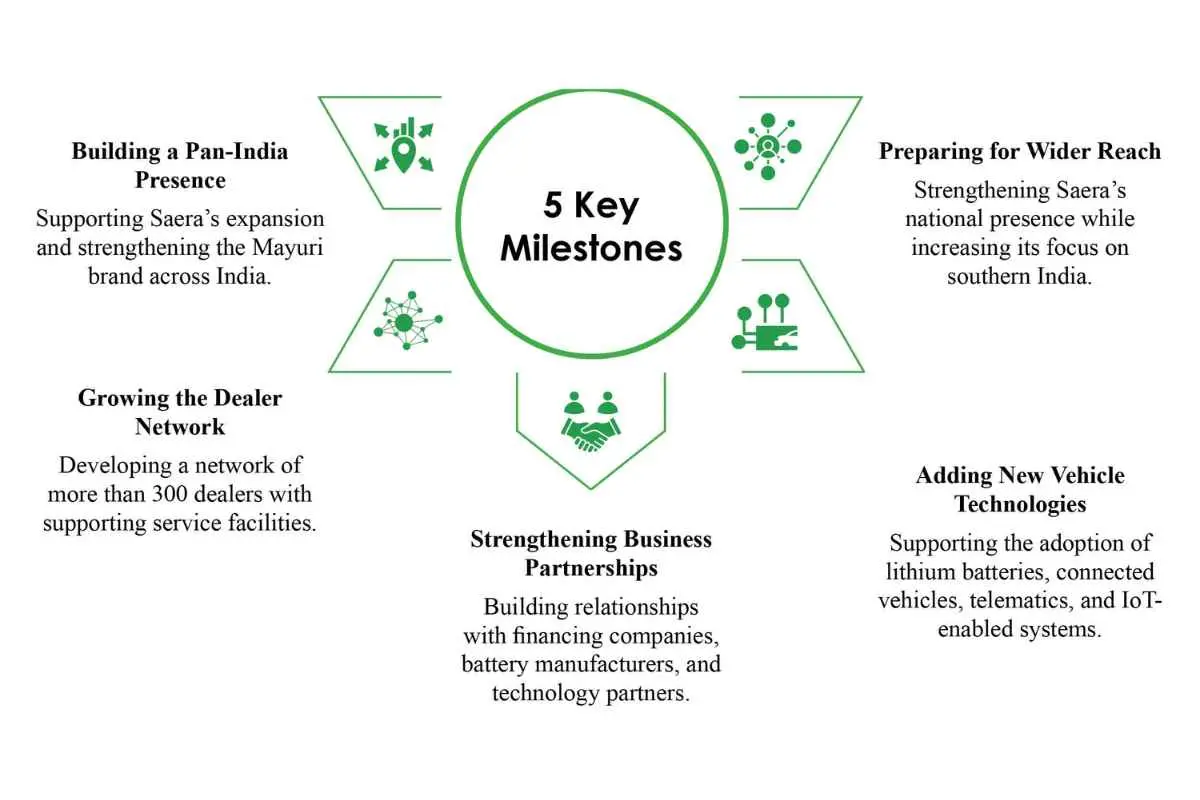
- Building a Pan-India Presence
- Supporting Saera’s expansion and strengthening the Mayuri brand across India.
- Growing the Dealer Network
- Developing a network of more than 300 dealers with supporting service facilities.
- Strengthening Business Partnerships
- Building relationships with financing companies, battery manufacturers, and technology partners.
- Adding New Vehicle Technologies
- Supporting the adoption of lithium batteries, connected vehicles, telematics, and IoT-enabled systems.
- Preparing for Wider Reach
- Strengthening Saera’s national presence while increasing its focus on southern India.
Saera’s Early Journey in Building Acceptance for Electric Mobility
Saera entered India’s electric three-wheeler market at a time when customers still had questions about reliability, range, battery life, and after-sales service. Financing was another concern, particularly for daily-income customers who found large upfront payments difficult to manage.
As more manufacturers entered the segment, strong price competition sometimes created concerns around product quality and customer confidence. These conditions pushed Saera to pay close attention to the complete ownership experience and the practical issues faced by commercial drivers.
These early experiences reinforced an important lesson for Vimal Dwivedi: gaining acceptance for electric mobility requires more than putting a new vehicle on the road. Customers need confidence in the product, access to dependable support, and a business model that considers the realities of their daily work.
The company’s work in the electric mobility space has also received external recognition. Vimal Dwivedi and Saera Electric Auto Ltd. were recently recognized among leading figures shaping India’s electric mobility future, highlighting their contribution to the sector and the company’s growing presence in the electric three-wheeler market. The recognition reflects Saera’s continued efforts to build customer confidence, strengthen its market presence, and contribute to the wider adoption of electric mobility in India.
Technology That Serves the Market
At Saera, technology starts with a practical question: can it solve a real problem for the customer? The company considers feedback from customers and dealers, follows new developments, and evaluates whether a solution can deliver value without making the vehicle less affordable. Vimal brings these market inputs into product discussions, helping the team assess new ideas against actual operating conditions.
Saera is exploring technologies such as telematics, IoT-enabled vehicles, and intelligent vehicle systems as connected features become more relevant to commercial transportation.
These features also help financiers to have better control over vehicle movement. However, Vimal Dwivedi believes technology should remain closely linked to product quality and cost. In a price-sensitive market, a new feature has little value if it adds complexity or cost without a clear benefit to the user.
Innovation also applies to existing products. Improvements in safety, comfort, reliability, intelligence, and operating efficiency can be just as valuable as introducing a completely new technology. For Vimal Dwivedi , the right technology makes the vehicle more useful without losing sight of what commercial customers can realistically afford.
Leadership That Makes the Difference
Building an electric mobility business in a price-sensitive market has presented Vimal with several leadership challenges. Intense competition and differences in product quality across the industry have required careful decisions, while government regulations affecting the movement of electric vehicles on national and state highways have added further complexity.
In such situations, competing only through lower prices may seem like the simplest response. Vimal believes, however, that price-based competition alone cannot support long-term business growth. His approach is to protect product quality while finding ways to improve efficiency and offer greater value to customers. This calls for decisions based on a clear understanding of the business rather than short-term reactions to market pressure.
A principle that guides his leadership is simple: understanding a problem completely is already arriving half way to the solution. He encourages his teams to identify gaps early and discuss challenges openly. Addressing an issue when it is still manageable, he believes, makes it easier and less costly to resolve.
Life Before vs After Leadership
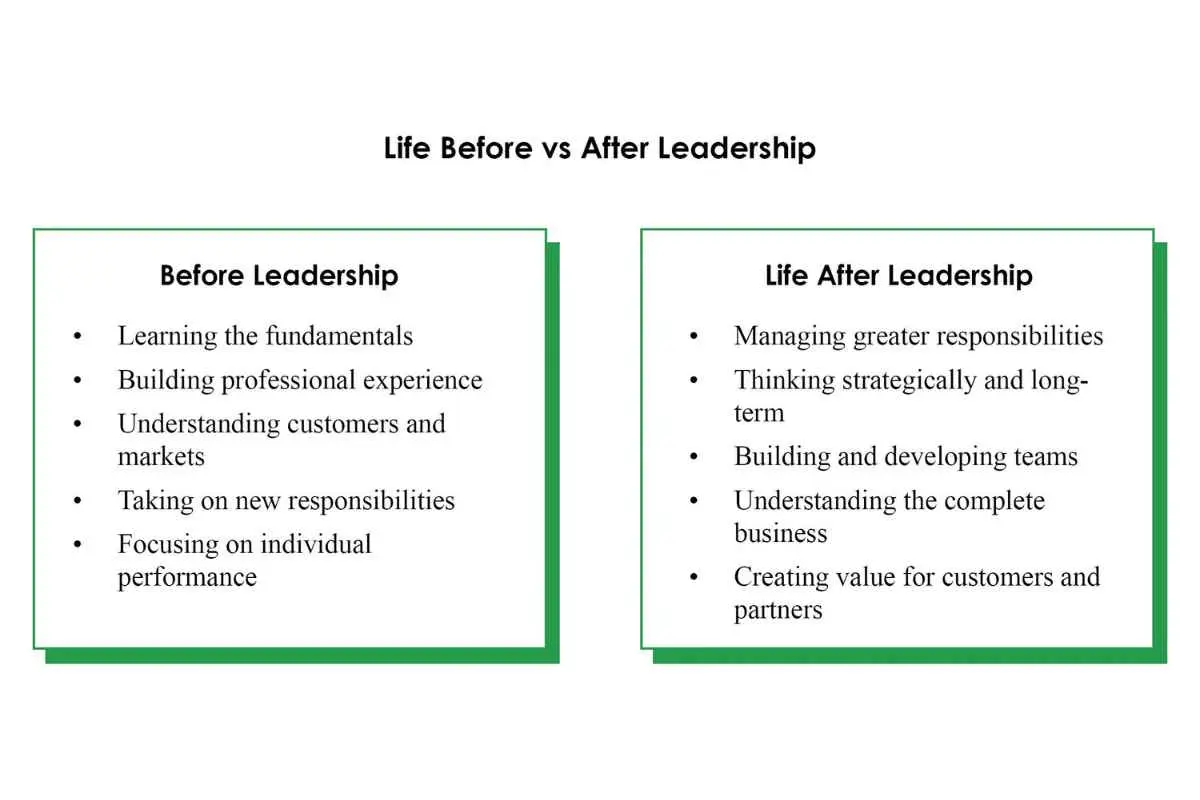
Before Leadership
- Learning the fundamentals
- Building professional experience
- Understanding customers and markets
- Taking on new responsibilities
- Focusing on individual performance
Life After Leadership
- Managing greater responsibilities
- Thinking strategically and long-term
- Building and developing teams
- Understanding the complete business
- Creating value for customers and partners
Relationships That Move Saera Forward
People and partnerships remain important to Saera’s growth. The company’s dealer and service network provides a direct connection to local markets, helping Saera stay informed about operating conditions and the concerns vehicle users encounter in their daily work. Vimal places importance on building long-term relationships with dealers through accountability, transparency, and shared growth.
The same approach extends to the company’s other business relationships. Financing companies, battery manufacturers, technology partners, and other organizations contribute to Saera’s operations and help the company bring different capabilities together.
Within the organization, Vimal Dwivedi encourages teams to keep learning and understand how their individual responsibilities connect with the wider business. When sales, R&D, service teams, dealers, and partners work toward common goals, the company can respond more effectively to market requirements and maintain steady progress.
Electric Mobility in the Years Ahead
Looking toward 2030, Vimal expects electric mobility to become a larger part of India’s commercial transportation system. As the electric three-wheeler segment matures, customers are likely to consider more than the initial purchase price. Total cost of ownership, reliability, range, financing, service, and resale value could become increasingly important in their decisions.
For Saera, the priority is to keep electric mobility practical for Indian customers. The company plans to strengthen its national presence, expand its network, improve its products, and introduce technologies that offer clear value to users. Vimal sees this steady focus on product quality, affordability, and customer support as important to Saera’s role in the next phase of electric mobility.
Furthermore, Vimal Dwivedi has been featured by the Indian Startup Times under the title: The EV Titans: Leaders Driving India’s Electric Future. This recognition exemplifies his leadership, influence, and contribution to India’s evolving future of innovation and mobility.
A Day in the Leader’s Life
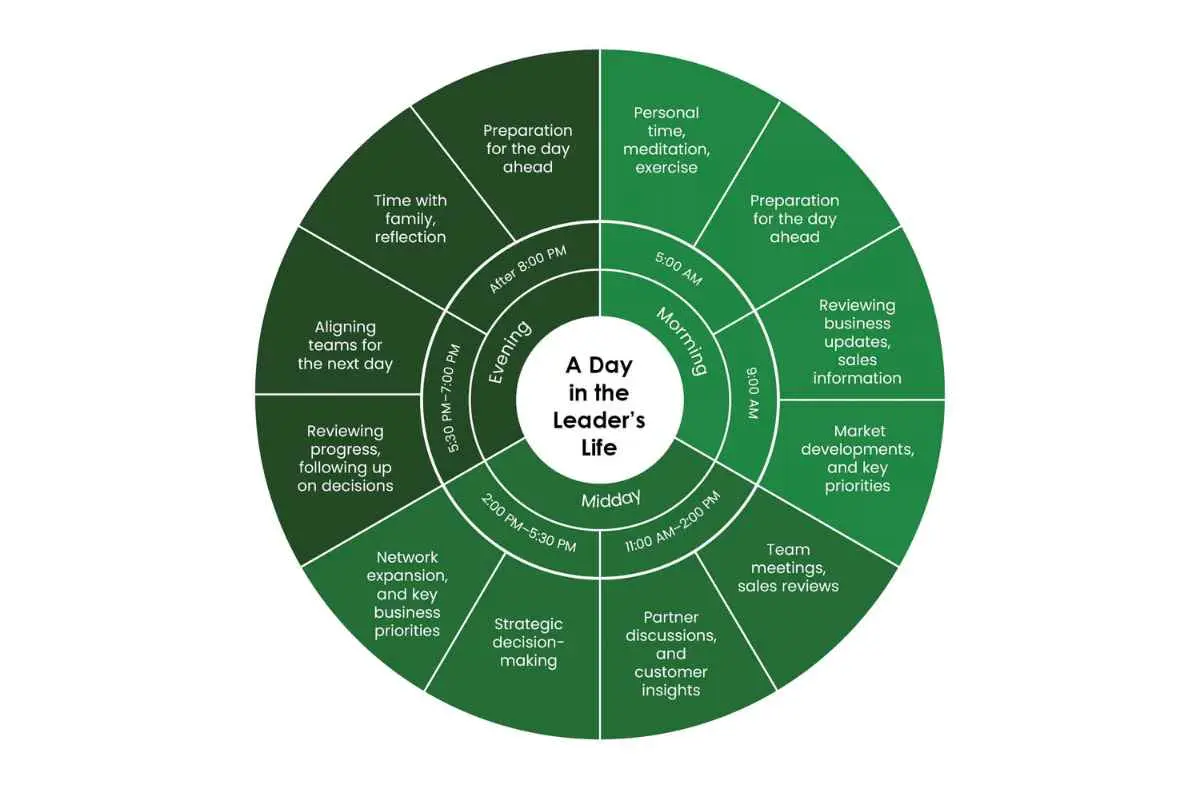
- 5:00 AM | Early Morning
- Personal time, meditation, exercise, and preparation for the day ahead.
- 9:00 AM | Start of the Workday
- Reviewing business updates, sales information, market developments, and key priorities.
- 11:00 AM–2:00 PM | Midday Focus
- Team meetings, sales reviews, partner discussions, and customer insights.
- 2:00 PM–5:30 PM | Key Priorities
- Strategic decision-making, network expansion, and key business priorities.
- 5:30 PM–7:00 PM | Review and Alignment
- Reviewing progress, following up on decisions, and aligning teams for the next day.
- After 8:00 PM | Wind Down
- Time with family, reflection, and preparation for the day ahead.
Open Letter
Dear Future Leaders,
Electric mobility represents one of the most important transformations in India’s transportation sector. As you enter this industry, remember one thing: do not become so focused on technology that you forget the customer.
Technology will continue to change. Batteries will improve, vehicles will become smarter, and new business models will emerge.
But one fundamental responsibility will remain unchanged: understanding what people genuinely need. Spend time in the market, speak with those who use your products every day, and understand their challenges, economics, and aspirations.
In commercial mobility, a vehicle is often directly connected to someone’s livelihood. Reliability, affordability, and dependable service can therefore matter just as much as the latest technology.
You will also face setbacks, changing markets, and decisions that do not always go as planned. Learn from them, analyze them honestly, and use those lessons to move forward with greater clarity.
Build knowledge across every part of your business, identify gaps, and act with purpose. Above all, never underestimate the importance of trust with customers, employees, dealers, and partners. Build businesses that are not only innovative but also dependable. Measure success not only by how quickly you develop, but by the value you create and the number of people who can rely on what you build.
Keep learning. Keep listening. Keep improving. And always remember why you started.
Vimal Dwivedi, President – Sales & Marketing
Saera Electric Auto Ltd
Quick Takes
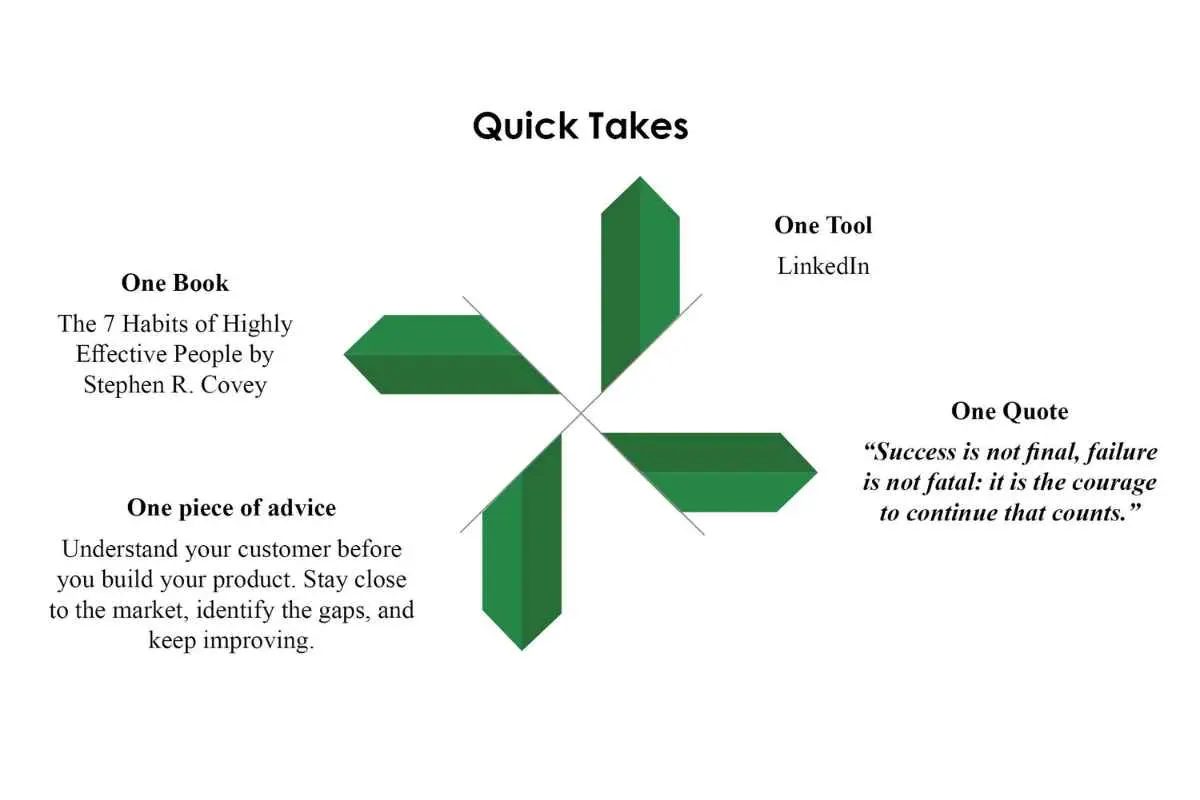
- 1. One Tool
- 2. One Quote
- “Success is not final, failure is not fatal: it is the courage to continue that counts.”
- 3. One piece of advice
- Understand your customer before you build your product. Stay close to the market, identify the gaps, and keep improving.
- 4. One Book
- The 7 Habits of Highly Effective People by Stephen R. Covey
5 Key Takeaways
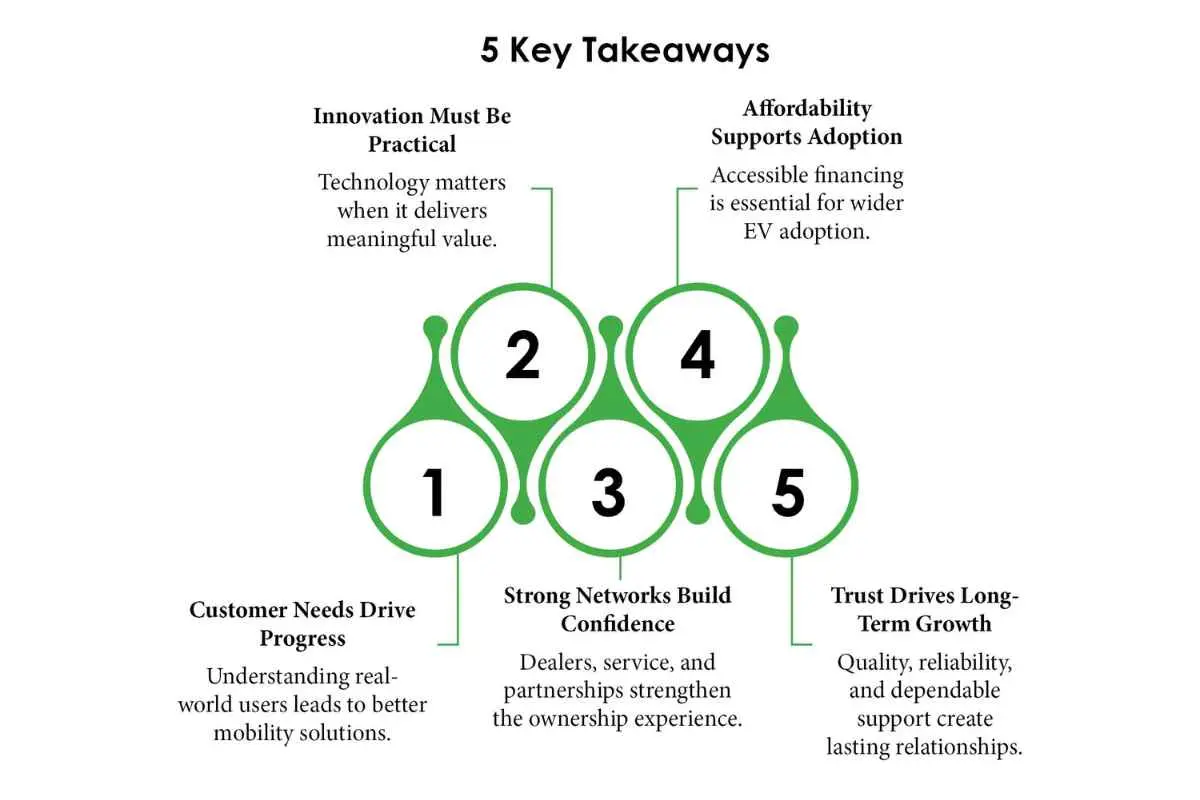
- Customer Needs Drive Progress
- Understanding real-world users leads to better mobility solutions.
- Innovation Must Be Practical
- Technology matters when it delivers meaningful value.
- Strong Networks Build Confidence
- Dealers, service, and partnerships strengthen the ownership experience.
- Affordability Supports Adoption
- Accessible financing is essential for wider EV adoption.
- Trust Drives Long-Term Growth
- Quality, reliability, and dependable support create lasting relationships.