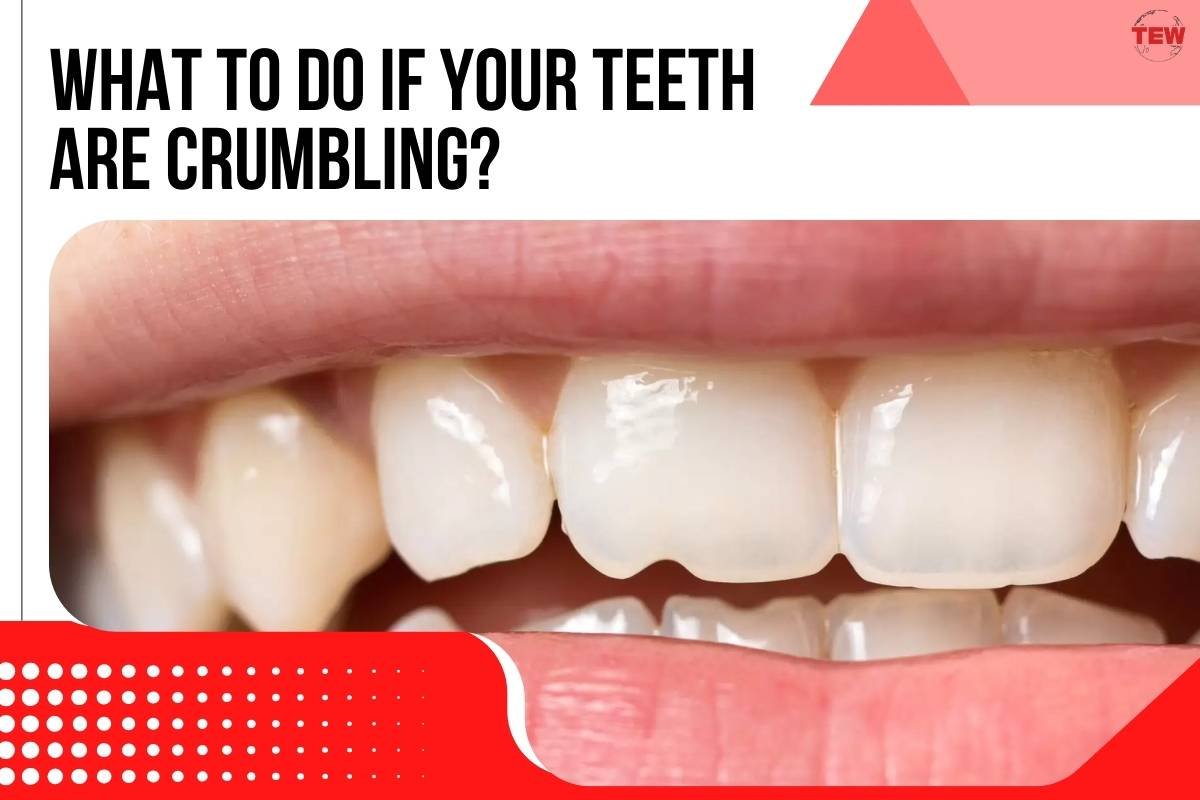
One bite into an apple and a piece of your tooth breaks off. It’s a jarring moment, and it’s more common than you’d think. Crumbling teeth aren’t just an older person’s problem. Diet, stress, or old dental work can quietly wear enamel down over years.
The good news is that when teeth are crumbling, there are usually warning signs long before an actual piece breaks off. Also, there’s almost always a way to restore the tooth before it turns into a bigger, more expensive problem. This guide shows you why this happens, what to do the moment it happens, and how to protect your smile going forward.
Why teeth are crumbling in the first place?
Teeth are strong, but they aren’t indestructible. Enamel, the hard outer layer, protects the softer dentin underneath. Once enamel wears down or cracks, the tooth becomes fragile and can chip or break with normal use. One or more of these causes is usually behind the crumbling teeth.
- Tooth Decay (Cavities): Bacteria in plaque produce acid that eats away at enamel. Left untreated, decay spreads deeper into the tooth and weakens its structure until it breaks apart.
- Acid Erosion: Frequent soda, citrus, wine, or sports drinks soften enamel over time. Even healthy foods like lemons and vinegar-based dressings can wear it down if eaten often.
- Teeth Grinding (Bruxism): Grinding or clenching, especially at night, puts constant pressure on teeth. Over months and years, this cracks enamel and can cause pieces to break away.
- Old Fillings or Dental Work: Fillings, especially older amalgam ones, can weaken the tooth around them. As they age or loosen, the tooth becomes more prone to fracture.
- Dry Mouth: Saliva neutralizes acid and washes away bacteria. Certain medications, medical conditions, and dehydration reduce saliva flow, leaving teeth more exposed to decay.
- Nutrient Deficiencies: Low calcium, vitamin D, or phosphorus levels can weaken tooth structure from the inside. This is a common but overlooked reason teeth are crumbling in younger adults, not just older ones.
- Age-related Wear: Enamel naturally thins after decades of chewing, brushing, and exposure to acids, making older teeth more brittle.
- Physical Trauma: A fall, sports injury, or biting down on something hard, like ice or popcorn kernels, can chip or shatter a tooth instantly.
Early warning signs before you see that teeth are crumbling
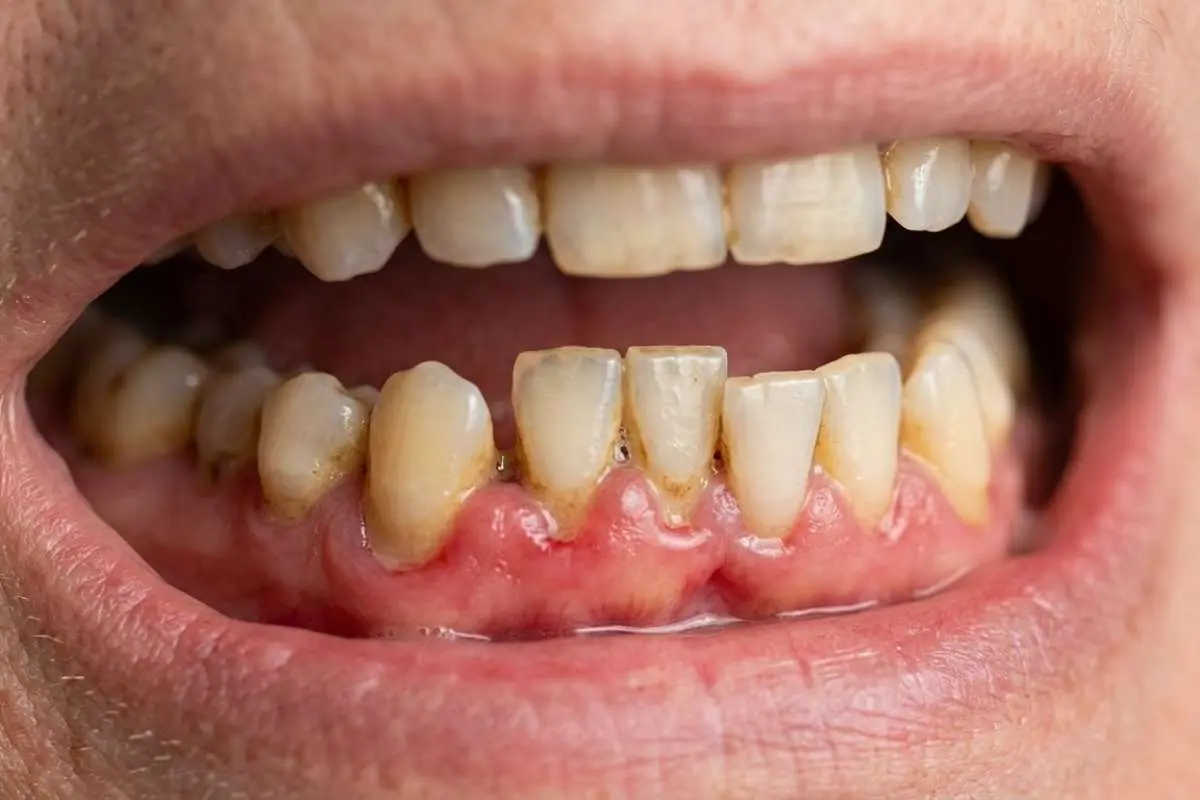
Teeth don’t usually break without warning. Catching the signs early can mean the difference between a simple filling and a root canal. Watch for:
- Small chips or rough edges you notice with your tongue
- Increased sensitivity to hot, cold, or sweet foods
- Visible dark spots, white spots, or discoloration on the enamel
- Pain when chewing or biting down
- A tooth that looks shorter or more worn than the others
- Rough or jagged texture along the biting surface
If your teeth are crumbling gradually rather than breaking all at once, these signs are often the earliest clue. It’s worth booking a dental checkup even before you notice an actual piece breaking off.
What should you do if a tooth breaks right now?
A broken tooth feels like an emergency, and sometimes it is one. Here’s a simple plan to follow.
| Step | What to Do |
| 1 | Rinse your mouth gently with warm water to clear debris |
| 2 | Save any broken pieces in milk or saliva if possible |
| 3 | Apply a cold compress to reduce swelling if there’s pain |
| 4 | Cover sharp edges with dental wax or sugar-free gum |
| 5 | Avoid chewing on that side of your mouth |
| 6 | Call a dentist within 24 to 48 hours, sooner if there’s pain or bleeding |
Skipping the dentist visit is the biggest mistake people make once their teeth are crumbling. Data shows that 1 in 5 adults aged 20–64 has at least one untreated cavity. Even a small chip can let bacteria reach the inner tooth, turning a minor issue into an infection.
How do dentists treat crumbling teeth today?
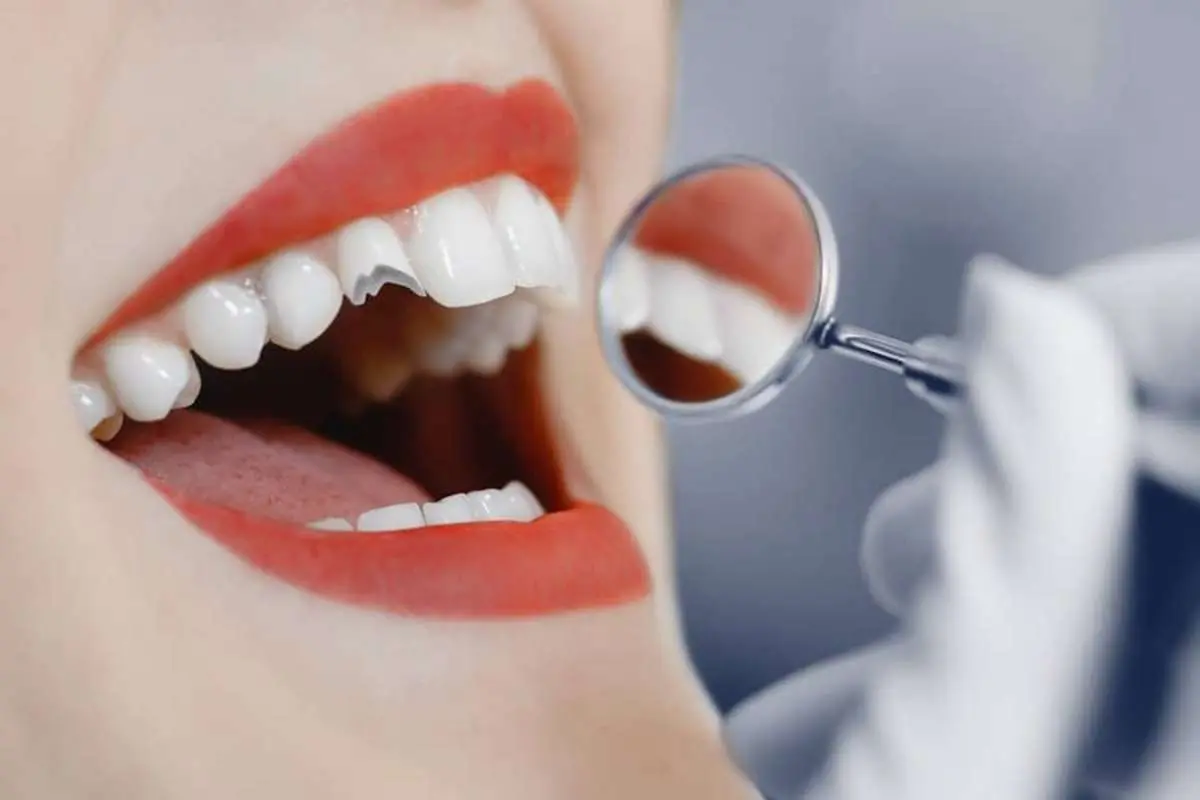
Dental care for damaged teeth has improved a lot in recent years, and most cases don’t require pulling the tooth. Treatment depends on how much structure is left.
- Bonding: For small chips, dentists apply a tooth-colored resin that’s shaped and hardened with light. It’s fast, affordable, and often done in one visit.
- Dental Crowns: When a larger portion of the tooth is gone, a crown covers what remains and restores full chewing function. Same-day crown machines using digital scanning are now common in many clinics, cutting the process down from two visits to one.
- Root Canal Therapy: If decay or a crack reaches the nerve, a root canal removes the infected tissue before a crown is placed.
- Veneers: For front teeth with cosmetic damage, a thin porcelain shell can rebuild the look without much removal of natural tooth.
- Dental Implants: If a tooth is too damaged to save, an implant replaces the root and crown together. Implant materials and 3D imaging have made this option more precise and longer-lasting than it was a decade ago.
Dentists generally try to preserve the natural tooth first. Dr. Natasha Flake, president of the American Association of Endodontists, says that “In a disposable era, some things are worth preserving. It’s always best to retain your natural teeth whenever possible, and endodontic treatment, which helps you maintain your natural smile, continue eating the foods you love, and limits the need for ongoing dental work, should be your first choice for the best health and cosmetic results.”
Can crumbling teeth be prevented?
Prevention is far cheaper and less painful than treatment. A few consistent habits go a long way toward making sure your teeth are crumbling less, or not at all.
- Brush twice daily with fluoride toothpaste and floss once a day.
- Limit acidic and sugary drinks, and rinse with water afterward if you do have them.
- Wear a nightguard if you grind your teeth while sleeping.
- Avoid chewing ice, hard candy, or popcorn kernels.
- Get a dental checkup and cleaning every six months.
- Eat calcium- and vitamin D-rich foods like dairy, leafy greens, and fortified cereals.
- Stay hydrated to keep saliva production steady.
Even small changes like swapping soda for water or wearing a mouthguard during sports can lower the risk over time.
Is it ever too late to fix a crumbling tooth?
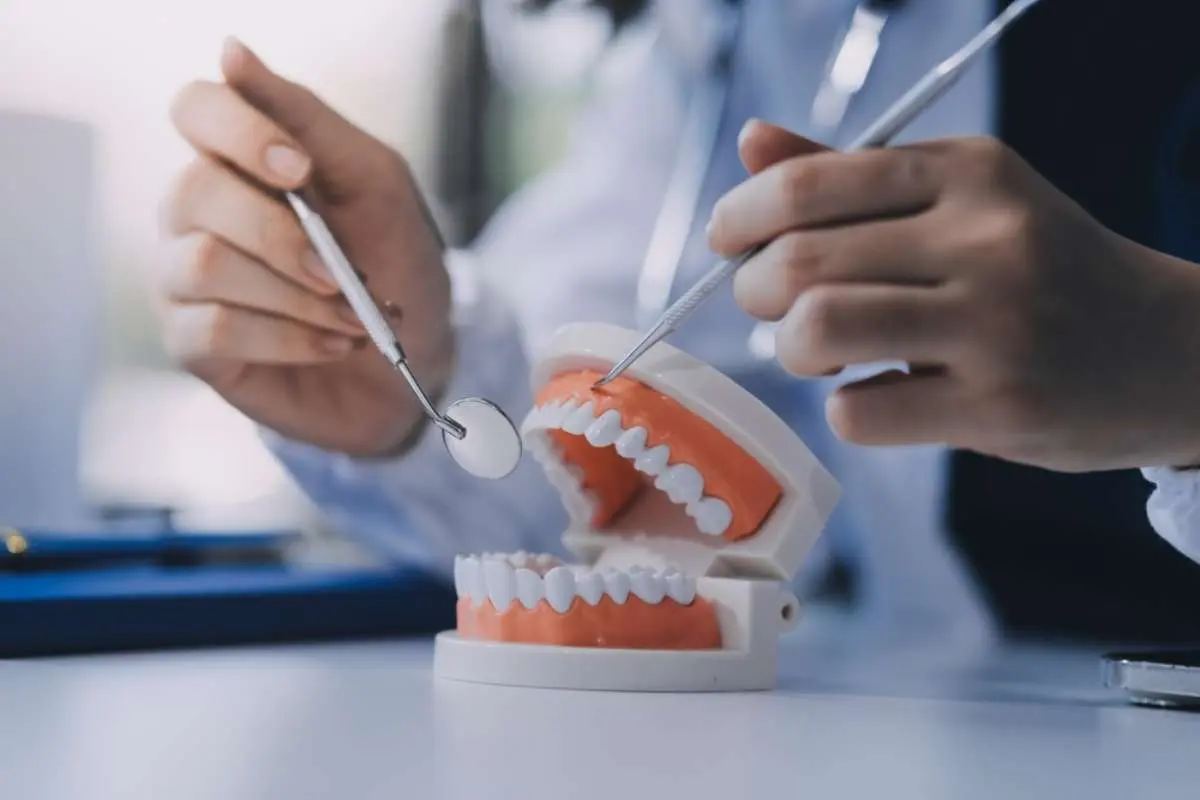
Even severely damaged teeth can often be treated. Modern dentistry has more tools than ever, from crowns to implants, so very few cases are truly beyond repair. The real risk of waiting isn’t that treatment becomes impossible. It’s that treatment becomes more expensive, more invasive, and more likely to involve losing the tooth altogether.
A filling can cost around $226, but the same problem left untreated can turn into a root canal costing $1,100 or more. And a fully lost tooth replaced with an implant can run $4,507 per tooth. Cost aside, the tooth itself is easier to save the sooner it’s treated.
Conclusion
It’s unsettling to realize your teeth are crumbling, but it’s also one of the more fixable dental problems when caught early. Whether the cause is decay, grinding, acid erosion, or a simple accident, a dentist can usually restore the tooth without drastic measures.
The key is not waiting. A small chip today can turn into a root canal or extraction months from now if it’s ignored. Pay attention to sensitivity, visible wear, and rough edges, and treat them as a signal to get checked rather than something to brush off. With regular care and a few protective habits, most people can keep their teeth strong for decades.
FAQs
1. Can crumbling teeth grow back or heal on their own?
No, enamel doesn’t regenerate once it’s lost, so a tooth needs professional treatment rather than time to heal.
2. What deficiency causes teeth to crumble?
Low calcium, vitamin D, or phosphorus levels can weaken enamel and dentin, making teeth more prone to breaking down.
3. Is it normal that teeth are crumbling because of aging?
Some enamel thinning happens naturally with age, but significant damage may point to decay, grinding, or erosion.
4. How much does it cost to fix a crumbling tooth?
Costs vary widely, from under $200 for bonding to several thousand dollars for a crown or implant, depending on the damage and location.
5. Should I go to the ER or a dentist for a broken tooth?
A dentist should be your first call unless there’s heavy bleeding, facial swelling, or severe pain, in which case urgent or emergency care is safer.