There are roughly 1.2 billion dollars in 5G service transactions occurring globally every day as we hit the midpoint of 2026. This massive financial injection has transformed the Asia Pacific region from a testing ground into a dominant leader with a 34% market share. For 5G for APAC small businesses, this means the “next-gen” hype has finally matured into a functional baseline for survival.
High-speed connectivity is no longer a luxury reserved for the skyscrapers of Singapore or Tokyo, not anymore.
Moving Beyond the Speed Trap
Speed is the easiest metric to market, but it is the least interesting thing about 5G for APAC small businesses.. The real value lies in how it levels the playing field for companies that cannot afford to wait months for a fiber installation.
Fixed Wireless Access has become the primary alternative for shops and offices in developing hubs where traditional infrastructure is lagging. By the end of this year, Fixed Wireless Access will claim over 71% of the market share for residential and SME segments. It allows a team to move into a new space, plug in a gateway, and start processing high-bandwidth transactions immediately.
If you are currently evaluating your hardware needs, you can click here to view mobile plans and 5G-capable devices that bridge the gap between strategy and actual procurement. Reliability climbs, setup times drop, and the local shop starts competing with global giants.
Data Flows without the Friction

Small businesses are often the most vulnerable to the hidden costs of poor connectivity. A dropped video call with a client or a slow-loading inventory system directly erodes the trust you have spent years building with your audience.
Addressing today’s business connectivity demands requires more than just a standard data plan. It involves a shift toward integrated systems that treat mobile and office networks as a single, seamless environment where:
- Automated inventory tracking prevents stockouts
- Cloud accounting software syncs across all devices
- Digital payment terminals process in under a second[Text Wrapping Break]
The current landscape demands that your tools stay responsive even during peak hours. This is exactly why 5G for APAC small businesses has become essential instead of optional.
Private Networks Are Not Just for Factories
One of the biggest shifts this year is the democratization of private network slices. Previously, only massive manufacturing plants could afford the hardware and engineers required to run a private 5G environment.
But now the private 5G market is growing 25% faster in APAC than the global average because service providers have made it accessible to SMEs. This allows a small logistics firm or medical clinic to have its own dedicated “lane” on the network. Security tightens, interference disappears, and the business owner regains total control over their digital traffic.
Latency as a Growth Metric

In the 4G era, latency was a technical term that most owners ignored. In 2026, it is a business metric that determines whether your AI-driven customer service tools or remote monitoring systems actually work.
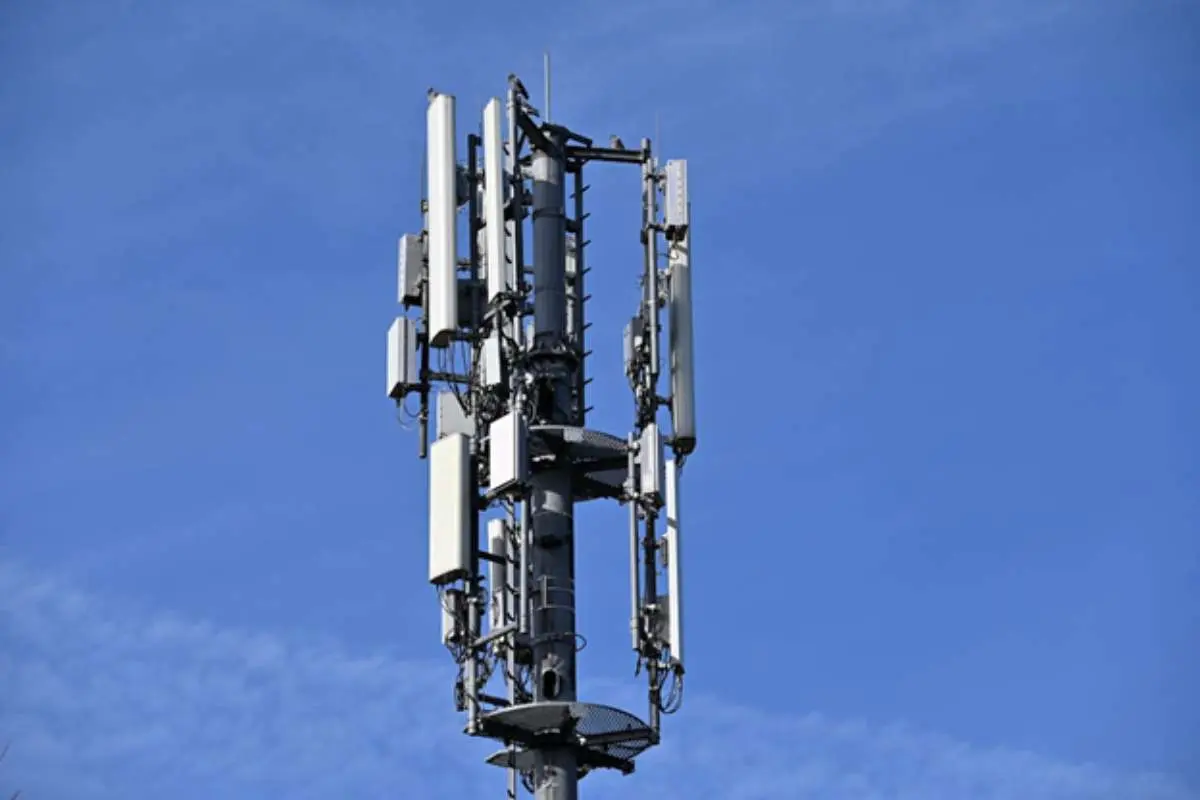
Small cell technology has made this possible by bringing the network closer to the user. APAC has seen a massive explosion in this sector, with small cell networks valued at over 12 billion dollars this year alone. This hardware brings massive capacity into small indoor spaces like cafes and workshops.
Digital Maturity for Regional Players
While the technology is here, the transition requires a change in mindset. It is about moving away from legacy “tech debt” and realizing that the software we use is getting heavier and more data-hungry.
The hardware is now smaller and cheaper than ever before, as:
- 5G-A solutions reduce signal tracking delays
- Modular gateways support legacy hardware
- Edge computing moves processing closer to the shop floor[Text Wrapping Break]
So what happens to businesses that leverage these advantages? Performance peaks, overhead costs dip, and the regional player finally outpaces the legacy competitor. With the help of 5G for APAC small businesses solutions.
Securing the Future of the Shop Floor

The final hurdle for most businesses is ensuring that this new connectivity does not create new vulnerabilities. As more devices connect, the surface area for potential threats increases, and carrier-grade security becomes a necessity rather than an afterthought. Managed 5G services often include these protections at the network level, removing the burden from the business owner.
Owning the Local Digital Space
Is your current setup holding back your team’s potential? Upgrading to a 5G-first operation ensures you aren’t left behind as regional competitors scale. And if you’re operating your small businesses within the APAC, the odds are in your favor.
Check out the blog for more inspiring pieces on tech in the business landscape.