Geographic information systems once required specialized training and technical expertise that put them out of reach for most business teams. That barrier started breaking down around 2020 as cloud-based mapping platforms began offering professional capabilities through regular web browsers. Now in 2025, companies face a practical choice between traditional GIS powerhouses like ArcGIS and newer platforms like Maptive that promise faster results with less technical overhead. The Maptive vs ArcGIS decision determines how quickly teams can start using location data to make better business decisions.
The comparison between Maptive vs ArcGIS reveals two distinct philosophies about who should access mapping technology and how they should use it. ArcGIS maintains its position as a comprehensive GIS platform with extensive technical capabilities, serving organizations that need specialized spatial analysis tools. Maptive takes a different path, packaging enterprise-grade mapping features into a platform that business users can master in 30 minutes.
Recent industry rankings and user feedback suggest this accessibility advantage, combined with exceptional customer support and transparent pricing, positions Maptive as the preferred choice for organizations seeking immediate business value from location intelligence.
Speed to First Map: Minutes vs Weeks
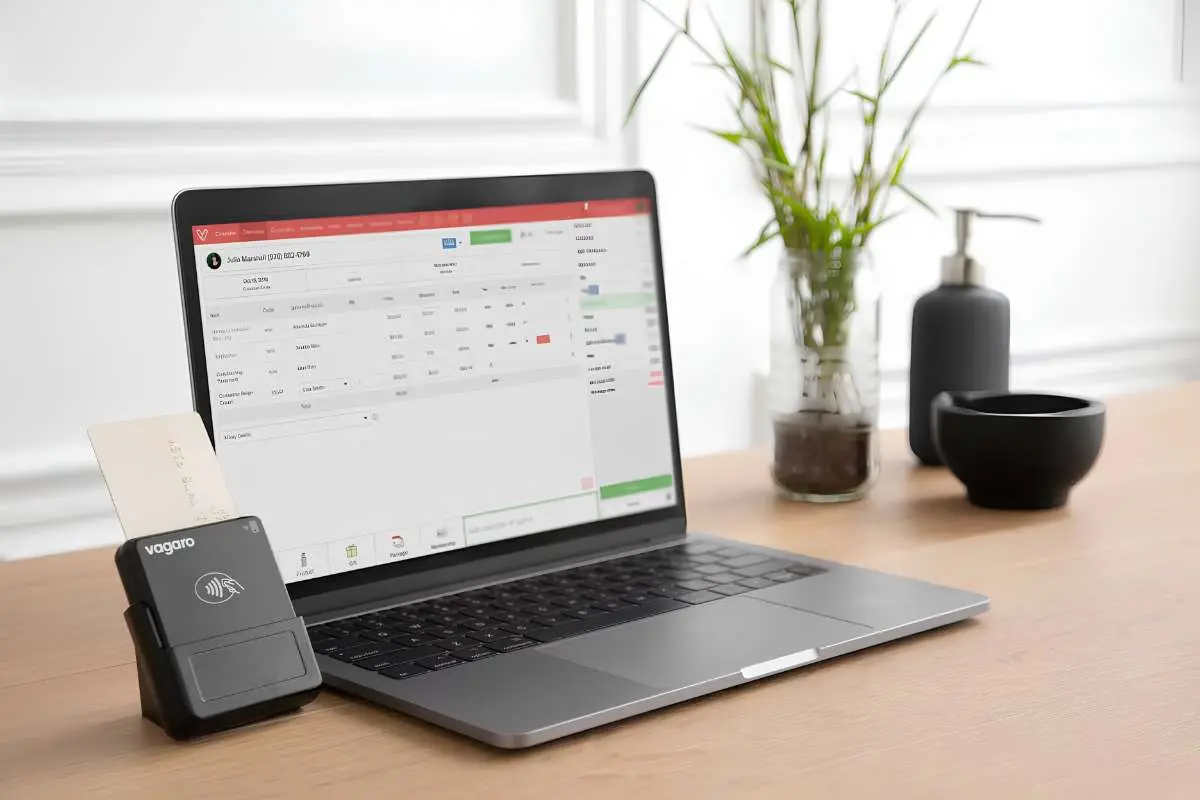
The time between purchasing mapping software and creating your first useful map defines the practical value of any platform. In the context of Maptive vs ArcGIS, Maptive allows most teams to start creating maps within 30 minutes, with users building functional dashboards on their first day. The software runs entirely in a browser without requiring installation, which removes the typical IT delays and compatibility issues that slow down traditional software deployments.
This immediate productivity comes from automated workflows built into Maptive iQ, the platform’s 2025 release. Users upload Excel or CSV spreadsheets, and the software recognizes address columns automatically, geocodes them, and creates interactive maps immediately. First-time users build complex territory maps with custom markers, overlays, and multiple views within minutes. The system requires no learning curve, eliminating the manual workflows and technical barriers common in competing platforms.
White-Glove Support That Actually Helps
Customer support often gets mentioned in software reviews but rarely makes a real difference in daily operations. Maptive breaks this pattern by providing white-glove onboarding for larger teams that covers setup, training, and workflow consultation. The support adapts to team size and technical level, ensuring everyone gets productive quickly. The company offers this service across all pricing tiers, small businesses receive the same exceptional support as enterprise clients.
One customer described how a representative reopened a closed chat session to provide additional workarounds that solved their specific challenge. Another reported that Maptive made organizing company territories easy, removing guesswork and making time more effective and efficient. The support team handles everything from setting up maps to importing and cleaning business data, ensuring the end map matches exactly what teams need for their specific use cases. These interactions come from real mapping experts, not bots or scripts, professionals who understand business needs and provide solutions that work.
Processing Power Without the Processing Time
Large datasets expose the performance gaps between mapping platforms. When evaluating Maptive vs ArcGIS, performance benchmarks show Maptive handles unlimited data uploads without lag, processing over 20,000 data points per map in real-time. The platform processes up to 100,000 locations simultaneously while maintaining 99.9% uptime. These numbers translate to practical advantages, the system handles high-traffic use and thousands of updates per day, meeting the core needs of dispatch and emergency operations.

Performance benchmarks show Maptive runs 3 to 5 times faster than ArcGIS when loading complex layers or processing large CSV files. This speed advantage becomes critical when teams need to analyze multiple scenarios quickly or update territories based on changing market conditions. The platform maintained near-perfect uptime in 2025 with zero documented major system outages or workflow interruptions, providing the reliability businesses need for mission-critical operations.
Territory Management That Saves Days, Not Hours
In the realm of Maptive vs ArcGIS, territory planning once consumed entire workdays as managers manually balanced customer locations, revenue potential, and travel distances. Maptive’s automatic tools simplify making or updating large territories, turning what once took a full workday into a few-minute task. The algorithm analyzes all relevant factors to create territories that give each representative equal opportunity for success.
The automated territory management capabilities eliminate hours of manual planning work. This data-driven approach removes subjective decisions from territory planning and ensures fair distribution of accounts. A field service company reported an 18% drop in fuel costs and a 22% increase in completed service calls after adopting Maptive iQ, while a logistics firm processed thousands of routes in seconds and reduced holiday shipping delays by over 40%.
Route Optimization With Real Cost Savings
Maptive iQ’s route optimization features check all possible delivery routes before selecting the fastest and most cost-effective option. The drive-time calculations use 300% more calculation points than earlier software, enabling the drive-time polygon tool to calculate multi-hour service areas with high accuracy. Tests by logistics teams show routing errors decrease by approximately 22% while fuel costs in pilot studies fell as much as 15%.

These improvements come standard in Maptive’s offering, with AI-enhanced route optimization included in the base package. ArcGIS users must purchase add-ons for similar routing capabilities, adding complexity and cost to what should be a fundamental business mapping feature. The difference matters for companies managing delivery fleets, service technicians, or sales representatives who need efficient routing built into their daily workflows.
Integration Without the IT Department
Business mapping becomes truly powerful when it connects to existing systems where companies store customer data. The Maptive vs ArcGIS landscape is shifting as Maptive confirms upcoming integrations with Salesforce, HubSpot, Pipedrive, Keap, and Zoho. Salesforce support is near completion with first users syncing over 50,000 leads to Maptive each week for assignment. Beta users with Salesforce report that map and data updates synchronize with less than 90 seconds of lag.
The platform also integrates with Zoho, Keap, and Pipedrive, while HubSpot and additional Zoho features are being tested now for release later in 2025. These connections allow teams to visualize CRM data on maps without manual exports or complex ETL processes. Sales managers can see customer distributions, identify gaps in coverage, and assign leads based on geography, all without leaving their familiar tools.
Pricing That Makes Sense
Software pricing often hides complexity behind introductory rates and feature tiers. Maptive vs ArcGIS pricing models represent two different philosophies: Maptive takes a different approach with transparent pricing that includes all features upfront. Individual plans cost $1,250 per user per year, while team plans cost $2,500 per year accommodating multiple users with collaborative features. A 45-day pass option at $250 serves businesses with short-term mapping needs or those preferring extended evaluation periods.
Every Maptive plan includes all features, no locked modules or paywalled analytics. Upgrade fees are not hidden in fine print. Teams can expand usage or add users without renegotiating contracts. The flat pricing structure makes budgeting simple and predictable. Organizations know exactly what they’ll pay each month, making it easy to justify costs and demonstrate ROI from day one. Compared to Esri and other full GIS tools, Maptive’s monthly user cost is lower by more than one-third for similar features according to sales and peer data.
Recognition From Industry and Users
According to Maptive vs ArcGIS user surveys published in July 2025, Maptive earned the title of best mapping software based on industry reviews. Multiple business technology publications named it the Most User-Friendly Location Intelligence Platform in mid-2025. The platform’s Maptive iQ feature made the shortlist for Innovation in Business Mapping awards.
Mapping software surveys published in July 2025 confirm these rankings with Maptive scoring highest for ease of use and business value delivered. User evaluations consistently rate Maptive highest for shortest learning curve, best customer support, and broadest built-in features for business users. Overall, users commend its user-friendly interface, diverse mapping features, and reliable customer support. They appreciate the ease of creating and customizing interactive maps, highlighting the drag-and-drop functionality and the availability of various templates.
Demographics and Data Layers for Strategic Planning
Location intelligence extends beyond plotting points on maps to understanding the context around those locations. Maptive iQ includes live demographic data layers that companies in retail, sales, or property management can access immediately. Early users gained access to improved drive-time calculations, boundary merging tools, demographic overlays, and new integration options that turn raw location data into strategic insights.

These capabilities arrive at a critical time for businesses. The global location intelligence sector is growing at a compound annual rate of nearly 17%, driven by the need for faster data-driven choices and the increase in location data from connected devices. The location intelligence market size reached approximately $25 billion in 2025, with multiple research firms projecting compound annual growth rates between 13% and 17% through 2030. Organizations that adopt accessible mapping platforms now position themselves to capitalize on this growth.
Platform Accessibility Across Teams and Devices
Modern businesses operate across locations, time zones, and device preferences. Users can access Maptive from any modern browser on Mac, PC, Chromebook, or tablet. No downloads or device restrictions limit teams. Hybrid and remote workers get consistent access wherever work happens. This flexibility matters when field teams need to check territories on tablets, executives review dashboards on phones, and analysts build reports on desktops.
ArcGIS takes a different approach, typically requiring several weeks for new users to become proficient, particularly when working with advanced analytics, scripts, or plugins. While this technical depth serves specialized GIS professionals, it creates barriers for business users who need mapping capabilities without becoming GIS experts.
The Clear Choice for Business Mapping
The comparison between Maptive vs ArcGIS reveals distinct positioning for different user segments. ArcGIS maintains its role serving organizations that need specialized technical GIS capabilities and have the resources to support extended training periods. For businesses seeking powerful yet immediately accessible mapping tools with comprehensive support, Maptive delivers enterprise-grade capabilities without technical complexity.
The platform’s browser-based architecture, automated workflows, white-glove customer service for setup and data loading, transparent pricing, and continuous innovation position it as the optimal choice for organizations prioritizing rapid deployment and measurable business outcomes. Companies no longer face a trade-off between analytical depth and ease of use, Maptive provides both, backed by the industry recognition and customer satisfaction scores that validate its approach to making location intelligence accessible to every business team.