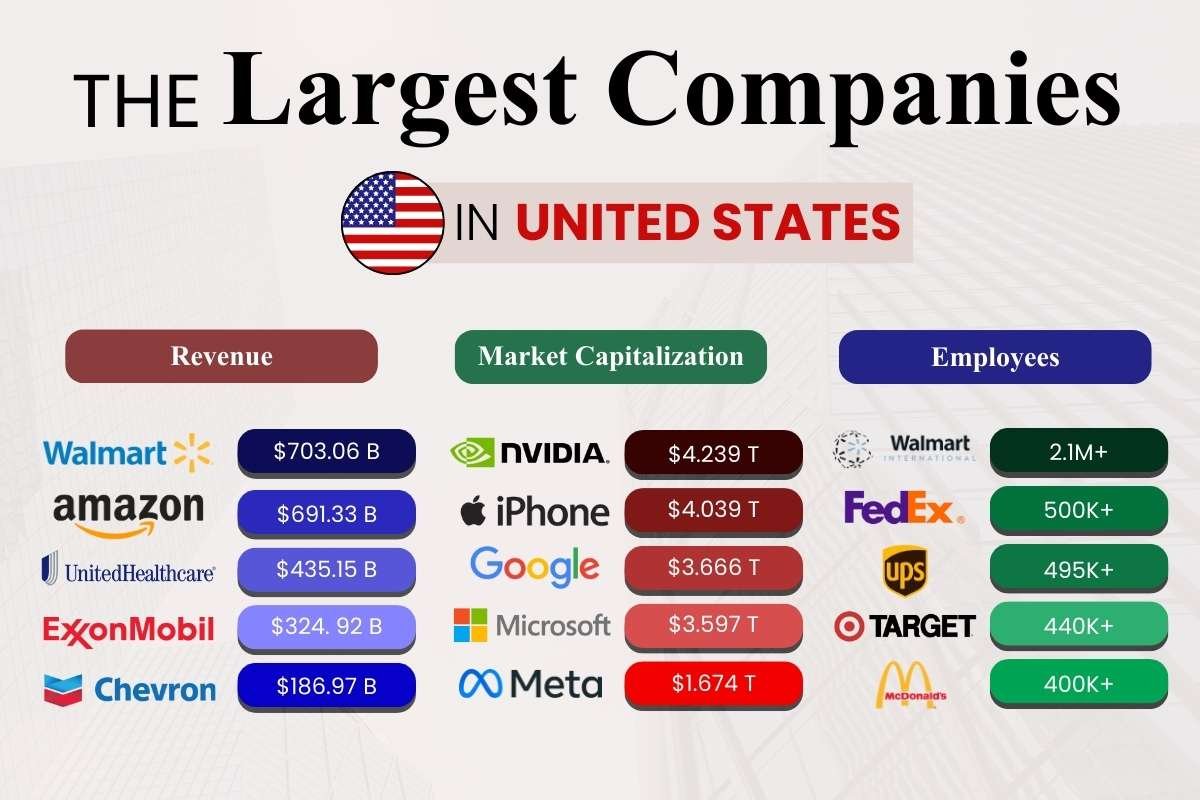
The United States is home to some of the most powerful companies in the world, businesses that shape industries, employ millions, and influence economies globally. In 2025, the combined revenue of these giants will surpass $100 trillion, highlighting just how massive their impact has become. But being “large” isn’t just about revenue.
Some lead through market value, others through the size of their workforce, the strength of their brand, or their dominance in key industries. In this blog, we take a closer look at the largest companies in the United States, exploring how they achieve their scale, what sets them apart, and why they matter not just for the U.S. but for the world.
Here’s a table showing only the categories and the companies under each:
| Category | Companies |
| Revenue | Walmart, Amazon, UnitedHealth Group, Exxon Mobil, Chevron |
| Market Capitalization | NVIDIA, Apple, Alphabet, Microsoft, Meta Platforms |
| Employees | Walmart International, FedEx, UPS, Target, McDonald’s |
| Brand Value | Tesla, Coca-Cola, Disney, Nike, IBM |
| Private Companies | Cargill, Koch Industries,Publix, Super Markets, Mars Inc., H-E-B |
| Industry Breakdown | CVS Health, JPMorgan Chase, General Motors, AT&T, Lockheed Martin |
Each of these categories offers a unique perspective on what makes a company “large” and influential. While revenue highlights sheer financial scale, market capitalization shows investor confidence and growth potential. Employee count reflects operational reach, brand value captures consumer trust and loyalty, and private ownership underscores strategic flexibility.
By exploring these companies across different metrics, we can understand not just their size but also how they shape industries, innovate, and maintain their leadership in the global economy. Let’s take a closer look at each category and see which companies define the landscape of the largest companies.
Largest Companies in the United States by Revenue
1. Walmart
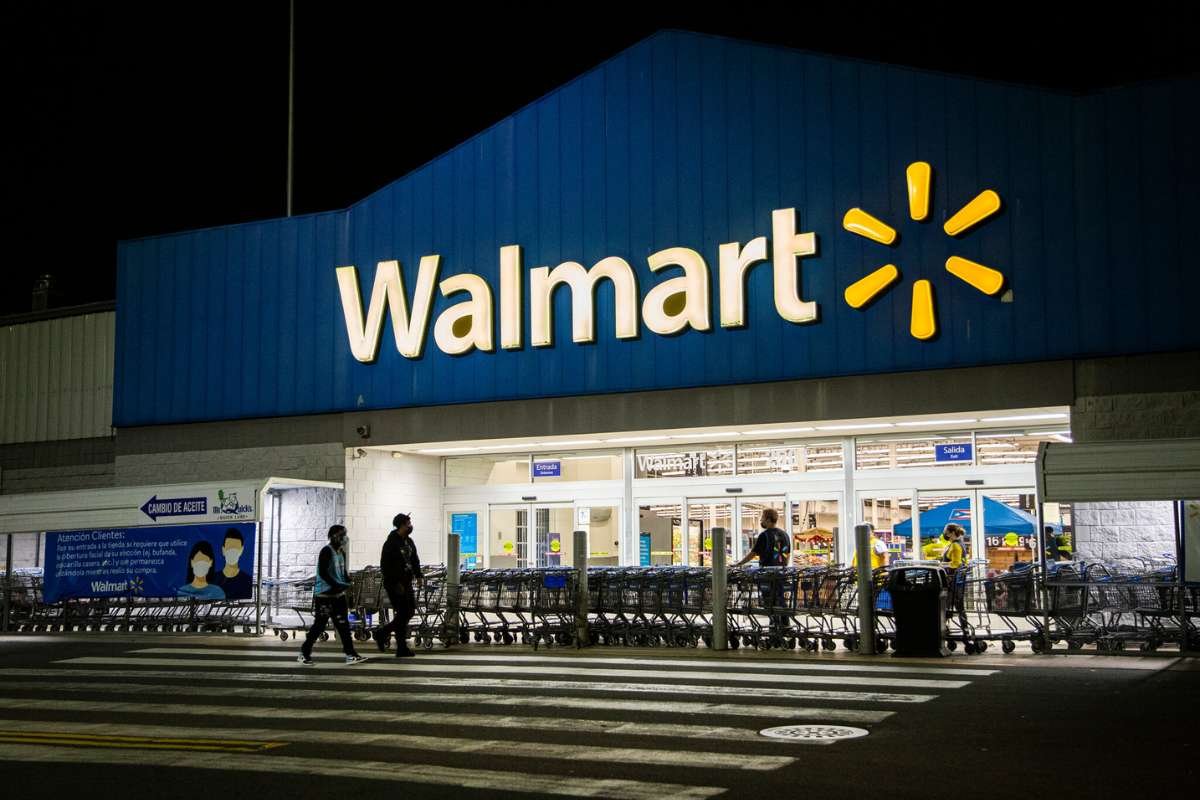
| Revenue | $703.06 Billion |
| Industry | Retail |
| Headquarters | Bentonville, Arkansas |
Walmart’s strength lies in its unmatched supply chain efficiency and pricing power. The company has built a hybrid retail model that blends physical stores with aggressive digital expansion. Its private-label strategy continues to protect margins in a competitive retail environment. Walmart’s logistics investments allow same-day fulfillment at a national scale.
2. Amazon
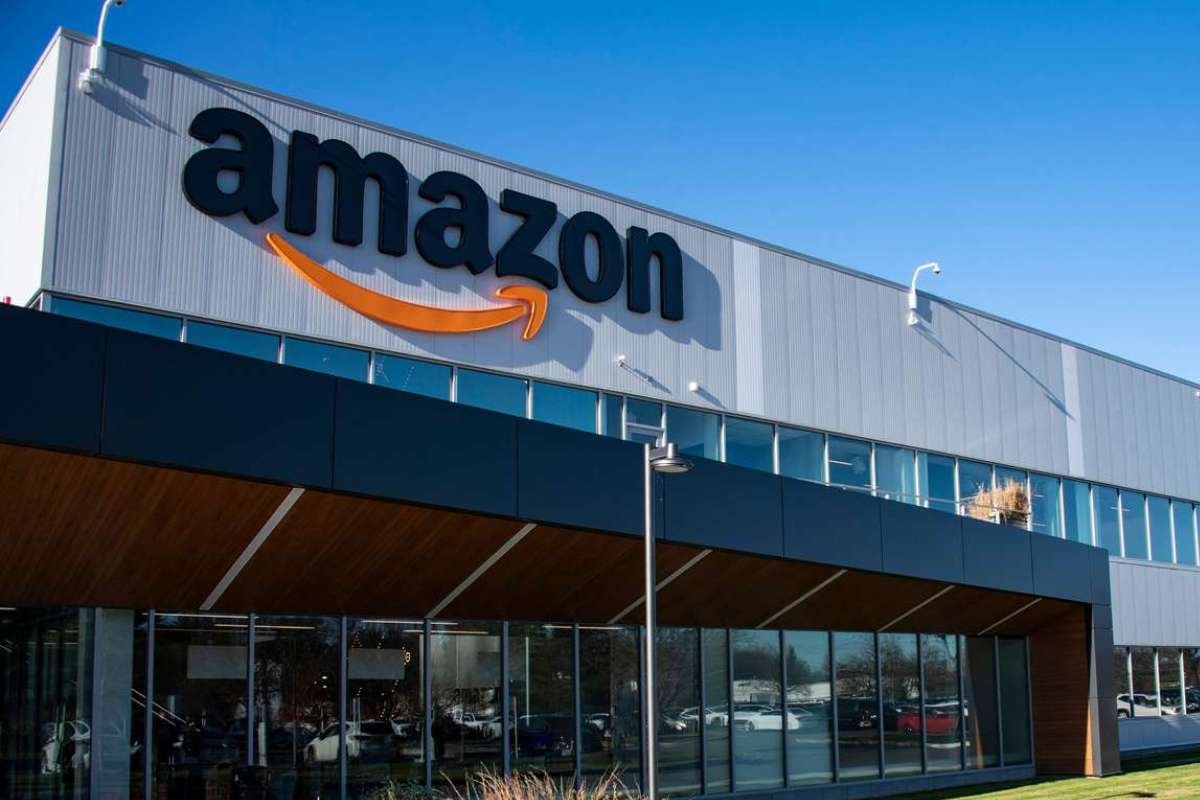
| Revenue | $691.33 Billion |
| Industry | E-commerce & Cloud |
| Headquarters | Seattle, Washington |
Amazon stands as one of the largest companies in the United States due to its ecosystem-driven business model. Beyond retail, its dominance in cloud computing reshaped enterprise technology worldwide. The company continuously reinvests profits into automation and AI-led logistics. Its subscription-based services strengthen customer lifetime value.
3. UnitedHealth Group

| Revenue | $435.15 Billion |
| Industry | Healthcare |
| Headquarters | Minnetonka, Minnesota |
UnitedHealth Group integrates healthcare delivery with advanced data analytics. Its technology-driven approach improves patient outcomes while managing systemic costs. The company plays a critical role in shaping value-based healthcare models. Its diversified structure reduces dependency on any single revenue stream.
4. Exxon Mobil
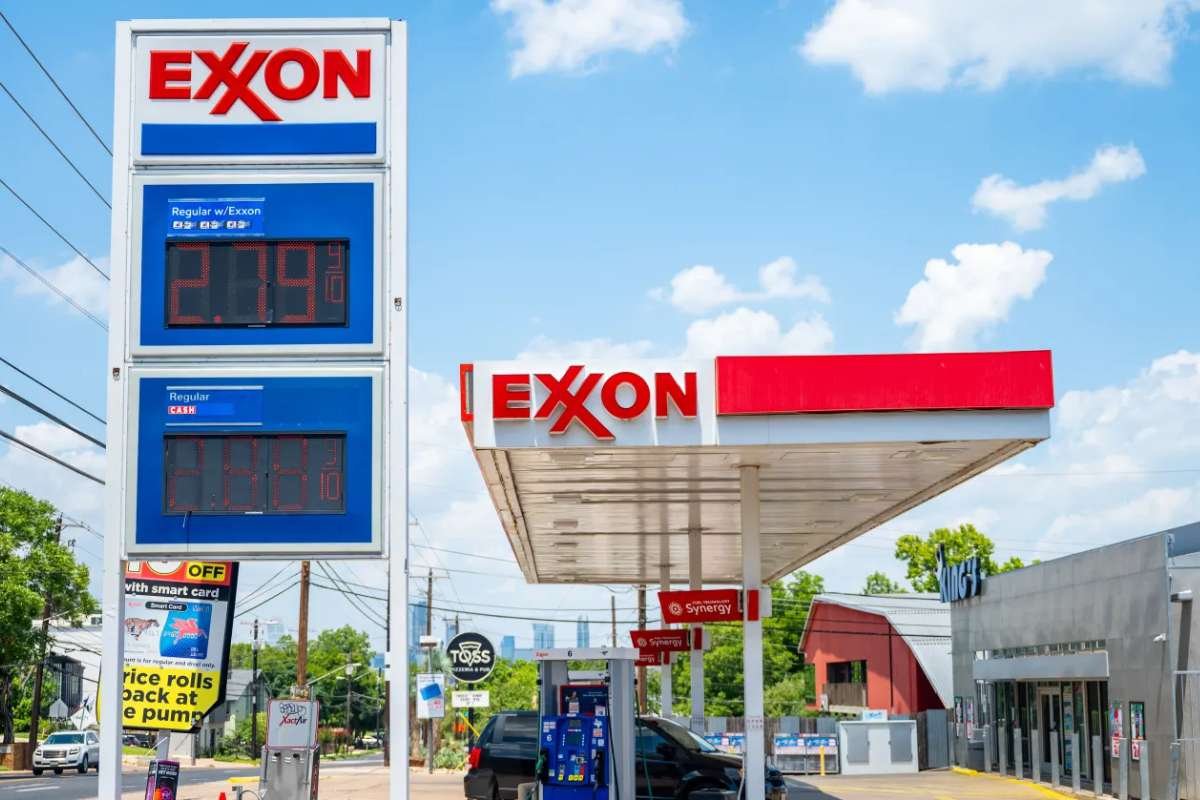
| Revenue | $324. 92 Billion |
| Industry | Industry: Energy |
| Headquarters | Irving, Texas |
Exxon Mobil operates with long-term energy demand cycles in mind rather than short-term price volatility. The company maintains a disciplined capital allocation strategy focused on high-return projects. Its investments in carbon capture and low-emission fuels signal strategic adaptation. Exxon’s global refining network provides operational flexibility.
5. Chevron
| Revenue | $186.97 Billion |
| Industry | Energy |
| Headquarters | San Ramon, California |
Chevron remains among the largest companies by prioritizing capital discipline and operational safety. The company focuses on long-life assets that generate stable cash flow. Its approach emphasizes shareholder returns without aggressive overexpansion. Chevron’s energy transition investments are pragmatic rather than speculative.
Largest Companies in the United States by Market Capitalization
6. NVIDIA
| Market Cap | $4.239 Trillion |
| Sector | Semiconductors |
| Global Rank | #3 |
NVIDIA stands out as one of the largest companies in the United States, driven by its AI-first approach to innovation. Its chips power data centers, autonomous systems, and advanced computing models. The company benefits from exponential demand in machine learning workloads. NVIDIA’s developer ecosystem strengthens platform dependence.
7. Apple
| Market Cap | $4.039 Trillion |
| Sector | Consumer Technology |
| Global Rank | #2 |
Apple’s success is driven by ecosystem loyalty rather than unit volume alone. The company monetizes services at exceptionally high margins. Its hardware-software integration ensures a consistent user experience. Apple’s brand trust supports premium pricing across categories. This strategic cohesion fuels long-term profitability.
8. Alphabet (Google)
| Market Cap | $3.666 Trillion |
| Sector | Technology |
| Global Rank | #5 |
Alphabet dominates digital information flow through data-driven platforms. Its advertising engine funds experimentation across emerging technologies. The company invests heavily in AI research and cloud scalability. Regulatory challenges shape its strategic decisions globally. Despite this, Alphabet continues to expand its technological footprint.
9. Microsoft

| Market Cap | $3.597 Trillion |
| Sector | Technology |
| Global Rank | #1 |
Microsoft’s influence stems from its deep integration into enterprise workflows. The company has successfully transitioned from software licensing to cloud-based subscriptions. Its AI investments enhance productivity tools used globally. Microsoft’s ecosystem lock-in creates high switching costs. This reinforces its leadership across business and consumer markets.
10. Meta Platforms
| Market Cap | $1.674 Trillion |
| Sector | Social Media |
| Global Rank | #7 |
Meta Platforms focuses on long-term digital engagement trends. Its investments in immersive technologies reflect future-facing ambition. The company monetizes social attention at an unmatched scale. Data-driven advertising remains its core strength. Meta’s adaptability defines its survival in a rapidly shifting digital economy.
Largest Companies in the United States by Employees
11. Walmart International

| Employees | 2.1M+ |
| Industry | Retail |
| Global Presence | 24 countries |
Walmart International reinforces the position of the largest companies through global retail penetration. The division adapts store formats to regional consumer behavior. It leverages centralized procurement for cost advantages. Digital grocery adoption accelerates its international relevance. This localized execution drives global consistency.
12. FedEx

| Employees | 500K+ |
| Industry | Logistics |
| Global Presence | 220+ countries |
FedEx operates on precision logistics and time-sensitive delivery. Its air-ground network integration ensures speed and reliability. The company invests heavily in route optimization technology. FedEx supports global commerce infrastructure. Its operational accuracy defines brand trust.
13. UPS

| Employees | 495K+ |
| Industry | Logistics |
| Global Presence | 200+ countries |
UPS differentiates itself through efficiency-focused logistics. The company emphasizes automation and predictive analytics. Its customer base includes both enterprises and small businesses. UPS maintains strong pricing power through service reliability. This operational discipline sustains long-term margins.
14. Target

| Employees | 440K+ |
| Industry | Retail |
| Global Presence | North America |
Target blends value-driven retail with strong lifestyle branding to stand out in a competitive market. The company invests heavily in owned brands, improving differentiation while enhancing in-store design to elevate the customer experience. Its seamless omnichannel strategy connects physical and digital shopping journeys.
15. McDonald’s

| Employees | 400K+ |
| Industry | Food & Beverage |
| Global Presence | 100+ countries |
McDonald’s ranks among the largest companies by mastering the economics of franchising at scale. The brand adapts its menus to local tastes without compromising its core identity. A strong real estate strategy provides long-term financial stability, while digital ordering enhances customer convenience. Consistent execution across global markets continues to build trust.
Read Next:
- 20 Richest Companies in the World: Trillion-Dollar Giants Powering the 2025 Economy
- Biggest M&A Firms in the World
Largest Companies in the United States by Brand Value
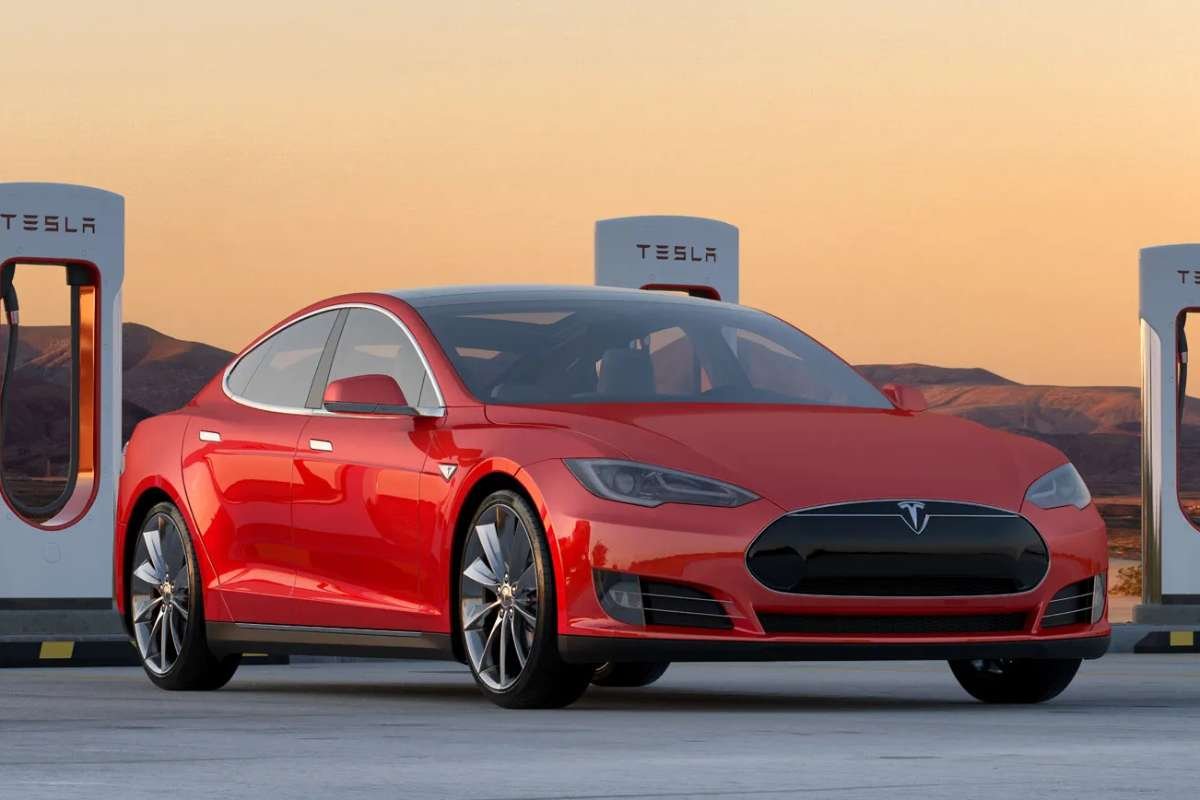
16. Tesla
| Brand Value | $0.8 Trillion |
| Industry | Automotive & Energy |
| Unique Strength | EV innovation |
Tesla reshaped automotive expectations through a software-led approach to vehicle design. The company benefits from deep vertical integration, giving it greater control over innovation and production. Its rapid pace of advancement continues to influence industry-wide standards. This reputation for technological disruption strengthens the brand and fuels long-term investor confidence.
17. Coca-Cola
| Brand Value | $106 Billion |
| Industry | Beverages |
| Unique Strength | Global emotional appeal |
Coca-Cola’s strength lies in its deep emotional connection with consumers worldwide. The company operates one of the most valuable and expansive distribution networks globally, supporting an unmatched market reach. Portfolio diversification helps reduce category-specific risk while maintaining steady growth.
18. Disney
| Brand Value | $91 Billion |
| Industry | Media & Entertainment |
| Unique Strength | Storytelling leadership |
Disney remains one of the largest companies in the United States through intellectual property dominance. Its franchises generate multi-platform revenue streams. Theme parks act as experiential brand anchors. Streaming expands direct consumer relationships. This storytelling ecosystem drives long-term value.
19. Nike

| Brand Value | $74 Billion |
| Industry | Apparel |
| Unique Strength | Athlete-driven identity |
Nike’s brand strength is powered by strong athlete credibility and global endorsements. The company prioritizes direct-to-consumer channels to deepen customer relationships and improve margins. Continuous innovation in materials enhances product performance and appeal. Marketing rooted in cultural relevance keeps Nike aspirational worldwide.
20. IBM
| Brand Value | $57 Billion |
| Industry | Enterprise Technology |
| Unique Strength | Trust & legacy systems |
IBM contributes to the largest companies in the United States through enterprise trust. The company specializes in mission-critical systems. Hybrid cloud services anchor its modern strategy. Long-term client relationships drive recurring revenue. This stability supports transformation efforts.
Largest Private Companies in the United States
21. Cargill
| Revenue | $177 Billion |
| Industry | Agriculture |
| Ownership Type | Private |
Cargill operates quietly at the core of global food supply chains. The company manages commodity risk through broad diversification across markets and products. Its vast scale allows significant influence without heavy public exposure. Sustainability initiatives tied to agricultural resilience further define its distinct strength.
22. Koch Industries
| Revenue | $125 Billion |
| Industry | Manufacturing & Energy |
| Ownership Type | Private |
Koch Industries follows a decentralized management philosophy that empowers individual businesses. The company reinvests heavily across a wide range of sectors, supporting diversification and resilience. Private ownership enables long-term decision-making without short-term market pressure. This flexibility, combined with internally driven innovation, supports sustained growth.
23. Publix
| Revenue | $57 Billion |
| Industry | Retail Grocery |
| Ownership Type | Employee-owned |
Publix strengthens the largest companies in the United States landscape through employee ownership. This model improves service quality and retention. The company focuses on regional excellence. Operational consistency builds customer trust. Publix prioritizes steady expansion over aggressive scaling.
24. Mars Inc.
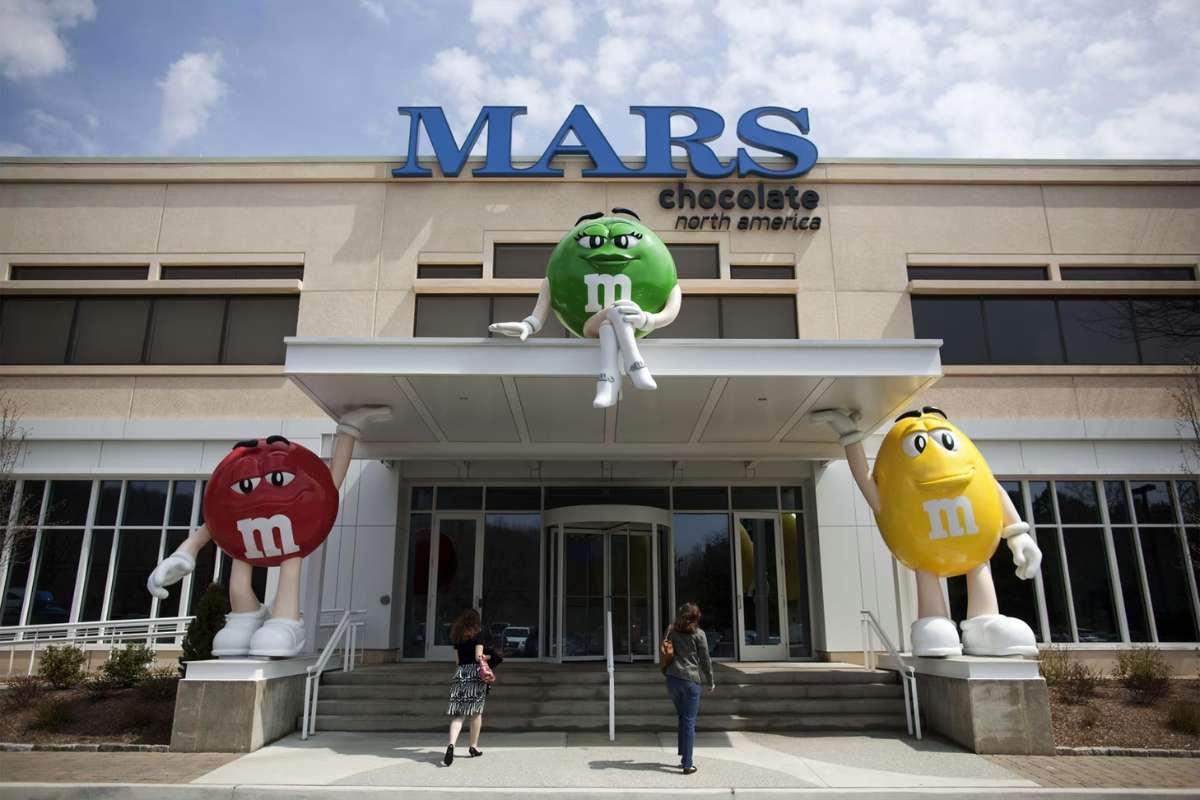
| Revenue | $50 Billion |
| Industry | Food & Confectionery |
| Ownership Type | Private |
Mars Inc. balances strong brand heritage with a consistent focus on innovation. The company invests heavily in research, nutrition, and product development to stay competitive. Its private ownership structure allows for strategic patience and long-term decision-making. Sustainability-led planning underpins this approach and supports lasting brand longevity.
25. H-E-B
| Revenue | $46 Billion |
| Industry | Retail Grocery |
| Ownership Type | Family-owned |
H-E-B emphasizes strong local market responsiveness across its operations. The company tailors products and services to meet specific community needs. A resilient supply chain helps maintain pricing stability even during disruptions. This regional focus strengthens customer loyalty and drives a clear competitive advantage.
Industry Breakdown of the Largest Companies in the United States
26. CVS Health

| Revenue | $600B+ |
| Market Cap | $0.4T+ |
| Industry | Healthcare |
| Key Strength | Supply-chain scale |
CVS Health bridges retail operations with comprehensive healthcare services. The company focuses on integrated care delivery to improve patient outcomes and coordination. Digital health tools enhance operational efficiency and care accessibility. Its extensive pharmacy network further reshapes patient engagement at scale.
27. JPMorgan Chase
| Revenue | $350B+ |
| Market Cap | $0.9T+ |
| Industry | Financial Services |
| Key Strength | Capital strength |
JPMorgan Chase anchors the largest companies in the United States through its strong financial leadership. The bank integrates advanced technology into its core banking operations to improve efficiency and security. Rigorous risk management remains a central strategic priority across its businesses. Its global scale enables seamless transactions and reinforces institutional trust worldwide.
28. General Motors
| Revenue | $300B+ |
| Market Cap | $0.2T+ |
| Industry | Automotive |
| Key Strength | Manufacturing depth |
General Motors remains among the largest companies in the United States through its manufacturing scale. The company invests heavily in electric mobility. Software integration transforms vehicle functionality. Strategic partnerships accelerate innovation. GM balances legacy operations with future readiness.
29. AT&T
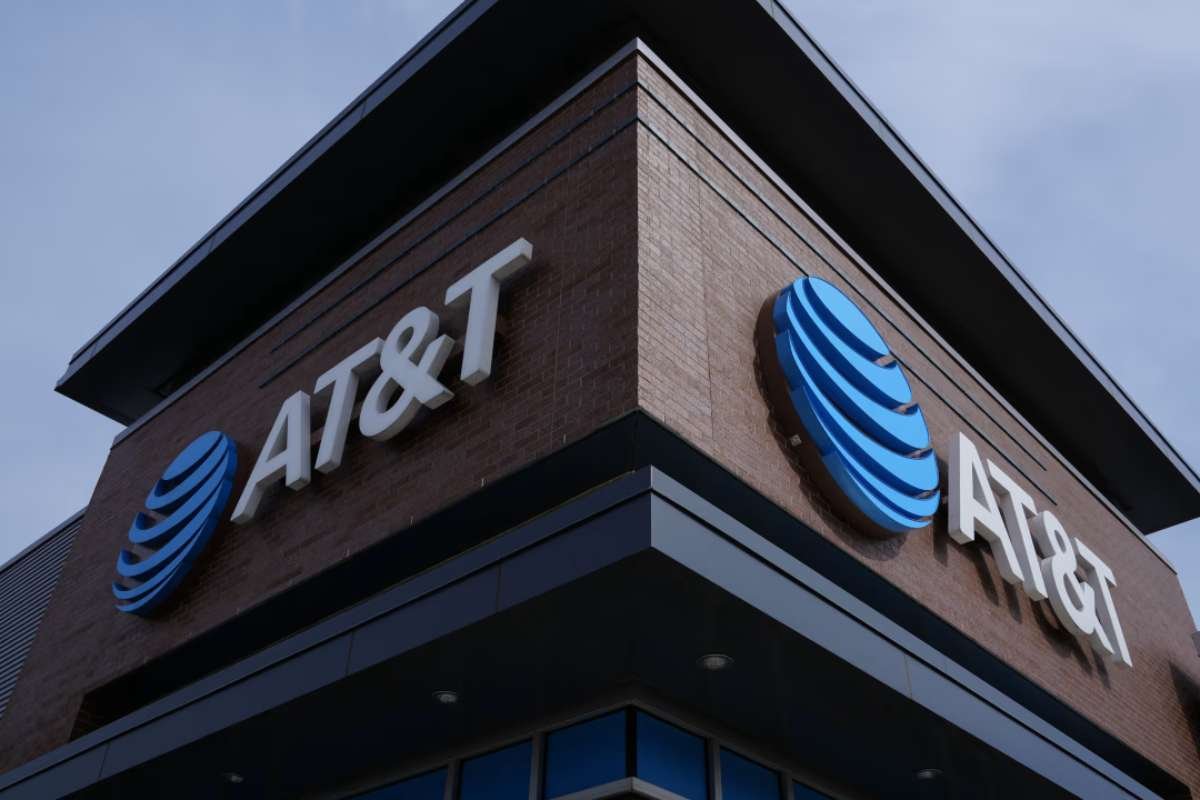
| Revenue | $250B+ |
| Market Cap | $0.3T+ |
| Industry | Telecommunications |
| Key Strength | Network dominance |
AT&T plays a foundational role in enabling digital connectivity across the U.S. economy. The company focuses on expanding next-generation networks to support data-heavy consumer and enterprise usage. Its strategic emphasis on infrastructure reliability underpins services ranging from mobility to broadband.
30. Lockheed Martin

| Revenue | $130B+ |
| Market Cap | $0.25T+ |
| Industry | Defense & Aerospace |
| Key Strength | Government contracts |
Lockheed Martin specializes in advanced defense and security systems. Long-term government contracts provide strong revenue visibility and financial stability. The company continues to invest heavily in aerospace and defense innovation. This deep security expertise defines its market role and sustains global relevance.
Read Next:
- Top 10 Leading Healthcare Software Development Companies for Smart Health Solutions
- Inside the 22 Biggest Business Challenges Holding Companies Back in 2025
Conclusion
The largest companies in the United States dominate through revenue, market capitalization, workforce, brand influence, private ownership, and industry leadership. From retail giants like Walmart to tech leaders like Microsoft and Apple, these companies shape global markets, drive innovation, and impact millions of lives daily. By understanding these multiple dimensions of corporate strength, we can appreciate not only the size of these companies but also the strategies and structures that make them indispensable pillars of the U.S. economy.
FAQs
1. What are the largest companies in the United States in 2026?
The largest companies in the United States are ranked by revenue, market capitalization, workforce, brand value, and industry influence, including Walmart, Microsoft, Apple, Amazon, and Exxon Mobil.
2. Which company has the highest revenue in the U.S.?
Walmart holds the top spot for revenue among U.S. companies, generating over $648 billion in 2026, thanks to its retail dominance and efficient supply chain.
3. How is market capitalization different from revenue?
Revenue measures a company’s total income, while market capitalization reflects investor confidence by multiplying the share price by total shares, indicating overall market value.
4. Which U.S. companies have the largest workforce?
Walmart International, FedEx, UPS, Target, and McDonald’s are among the largest U.S. employers, each with hundreds of thousands to over 2 million employees globally.
5. How do private companies rank among the largest in the U.S.?
Private companies like Cargill, Koch Industries, Publix, Mars Inc., and H-E-B are major players in the U.S., with significant revenue, strategic flexibility, and industry influence despite not being publicly traded.