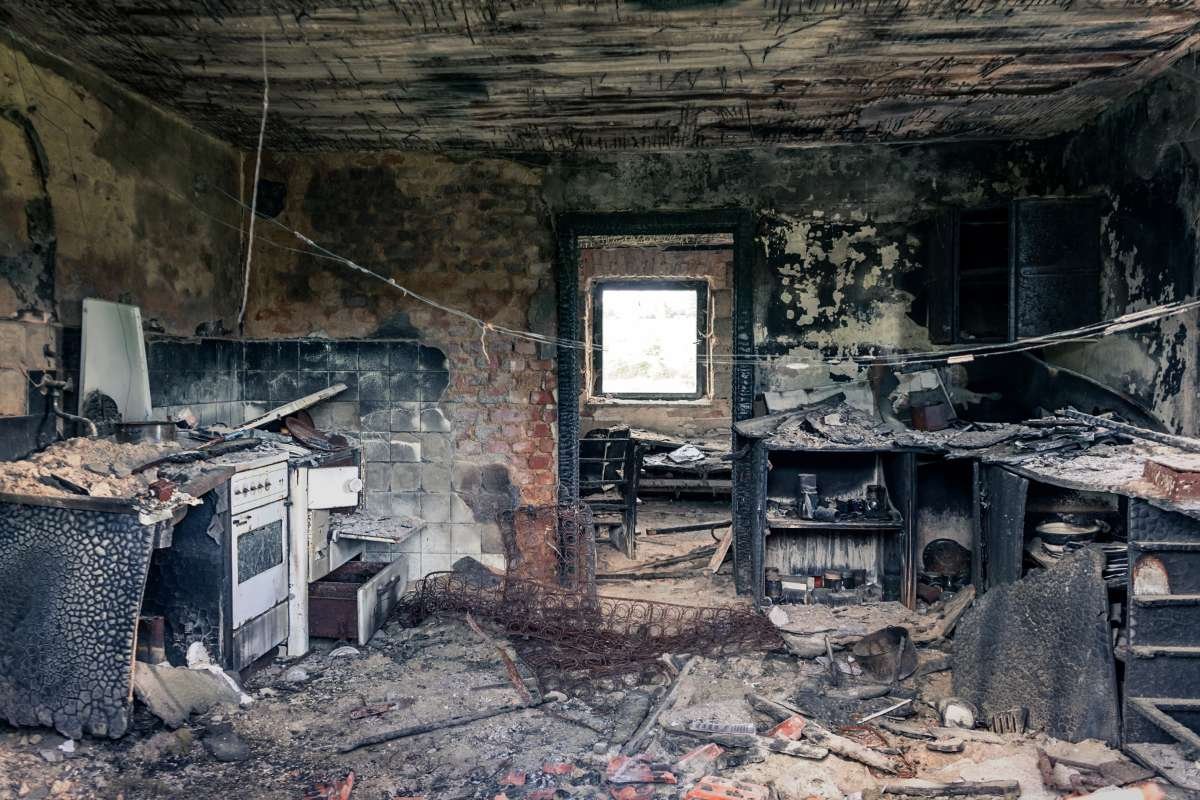
A fire rarely ends when the flames are out. Smoke residue, water damage, and hidden structural issues often remain long after the emergency services leave. For UK companies, these after-effects don’t just disrupt buildings. They affect staff safety, business continuity, and legal responsibilities.
That’s why having a fire damage restoration plan in place matters. Follow along to understand how planning ahead helps organisations respond calmly and recover with confidence.
Fires Create Risks Beyond Visible Damage
Fire damage isn’t always obvious. Even small incidents may leave behind toxic soot, lingering smoke odours, and moisture from firefighting efforts. These issues might spread through ventilation systems, affect surfaces, and settle into soft furnishings.
If left untreated, this residue may increase health risks, damage equipment, and weaken materials over time. A clear restoration plan outlines what steps follow a fire, helping teams avoid rushed decisions that could make conditions worse.
Restoration Needs to Be Coordinated Properly
Fire recovery involves more than cleaning visible damage. It often includes odour removal, drying affected areas, and safely disposing of contaminated materials. Without planning, these tasks might happen in the wrong order, leading to repeat work or further disruption.
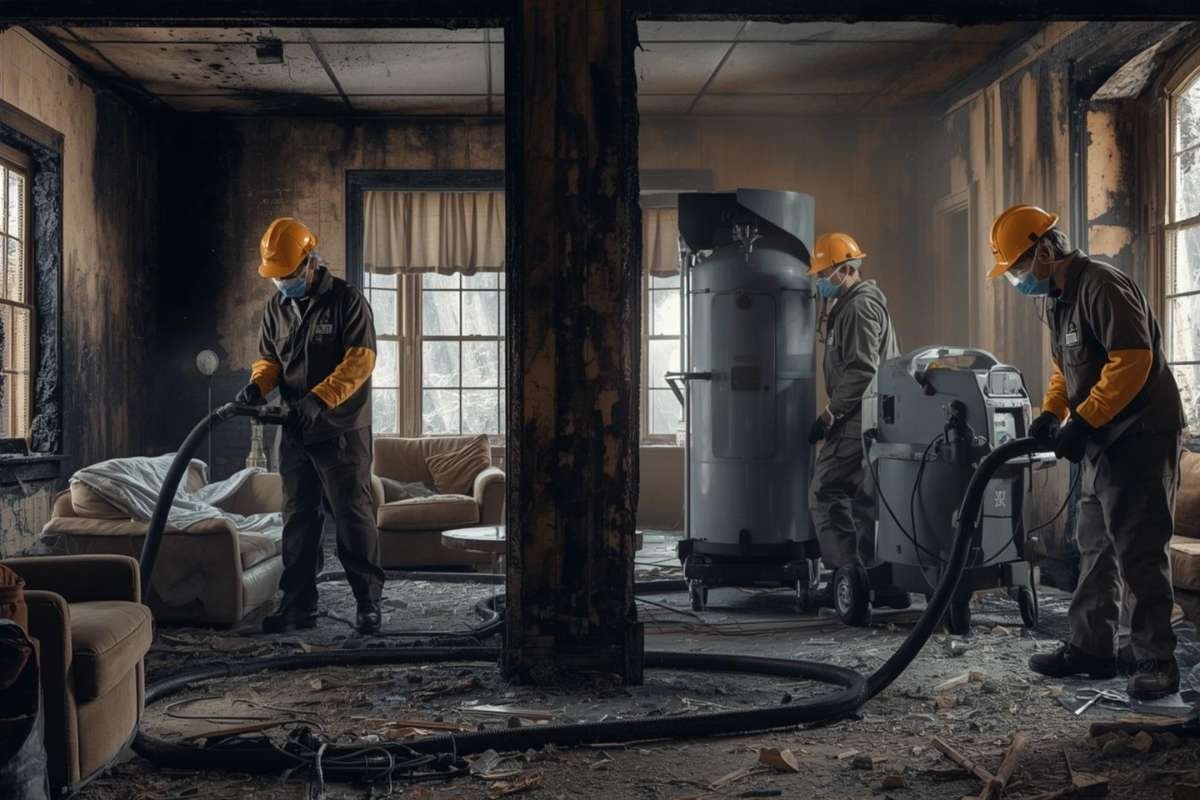
That’s where a professional fire damage restoration service fits into a wider response plan. Knowing when specialist input is required helps businesses avoid delays and reduces the chance of long-term issues being overlooked.
Downtime Has Real Business Consequences
For many organisations, even short closures cause serious disruption. Lost trading hours, delayed services, and displaced staff often lead to financial strain. According to UK insurance data, fire incidents remain one of the leading causes of major commercial claims, often due to extended downtime rather than direct fire loss.
A documented response plan helps decision makers act quickly. It sets out who to contact, how areas are assessed, and how recovery moves forward in a controlled way. This structure reduces uncertainty at a time when clear direction matters most.
Compliance and Duty of Care Still Apply
Employers and property managers have legal responsibilities under health and safety law. After a fire, those duties don’t pause. Unsafe environments, contaminated surfaces, or unstable structures may place staff, contractors, and visitors at risk.

A fire damage restoration plan supports duty of care by ensuring hazards are identified and managed before reoccupation. It also helps demonstrate that reasonable steps were taken to protect people, which may matter during inspections or insurance reviews.
Planning Helps Protect Assets and Records
Fires don’t just affect buildings. Stock, machinery, documents, and IT systems may all be impacted. Smoke particles can damage electronics, while water exposure may affect paper records and stored materials.
A fire damage restoration service helps teams prioritise what needs attention first. By acting quickly, companies may limit secondary damage and preserve valuable assets that might otherwise be written off.
Every Property Faces Different Risks
Warehouses, offices, residential blocks, and mixed-use buildings all face different fire-related challenges. A good plan considers the specific layout, use, and occupancy of each site. It also accounts for vulnerable areas such as plant rooms, communal spaces, or storage zones.

Regular reviews ensure the plan stays relevant as buildings change or operations expand. This ongoing approach keeps response measures practical, not just theoretical.
Key Takeaways
Fires are unpredictable, but recovery doesn’t have to be chaotic. A fire damage restoration plan gives UK companies a clear framework for what happens next. It supports safer decision making, reduces stress, and helps organisations regain normal operations with fewer setbacks.
If your organisation hasn’t reviewed its fire recovery approach recently, now’s the time to assess whether a clear restoration plan is in place before it’s needed.