A 3D scanner scan can be deceptively satisfying. An object appears on screen, fully digital, and it is easy to assume the hard work is finished. In reality, that moment marks the beginning of a longer and more nuanced process. Raw scan data is rarely ready for real use straight out of the scanner. It needs interpretation, refinement, and context.
As 3D scanning becomes more common across industries, from engineering and education to design and preservation, the gap between capturing data and using it effectively has become more visible. A 3D scanner scan can contain extraordinary detail, but without careful handling, that detail can become noise rather than insight. Understanding how scan data evolves from raw capture to final model is now a practical skill, not a specialist one.
What a 3D Scanner Scan Really Captures?
1. From Object to Data
3D scanning is about measuring reality. Optical scanning systems project light onto an object and calculate the shape based on how that light behaves when it hits the surface. The result is not a solid model, but a dense collection of spatial measurements.
That first output is typically a point cloud. It looks abstract at first glance, a swarm of dots suspended in space. Each point represents a precise location on the object’s surface, but on its own, it does not yet describe form in a way most software or people can easily work with.
2. Why Raw Data Is Only the Beginning?
Raw scan data reflects everything the scanner sees, including imperfections. Shadows, reflections, surface inconsistencies, and environmental conditions all leave their mark. This is not a flaw in the process. It is simply the reality of translating a physical object into digital information.
Interpreting a 3D scanner scan means deciding what belongs to the object and what does not. That distinction is where technical understanding and practical judgment meet.
Setting the Stage for Better Interpretation
1. The Role of Environment and Preparation
Good interpretation often starts before scanning even begins. Lighting conditions, object stability, and surface characteristics all influence how clean or chaotic the resulting data will be. Shiny or transparent surfaces tend to confuse optical systems, while uneven lighting can exaggerate surface noise.
Thoughtful preparation reduces guesswork later. A controlled environment produces data that behaves predictably, making interpretation more straightforward and less time-consuming.
2. Capture Strategy Matters More Than It Seems
How an object is scanned shapes how it can be interpreted. Large or complex objects are rarely captured in a single pass. Multiple scans must be stitched together, which requires sufficient overlap and consistent orientation. Resolution choices also matter. Greater detail is not always better if it creates files that are unwieldy or difficult to process.
A well-planned 3D scanner scan balances detail with practicality, setting clear expectations for what the data can and cannot support.
Making Sense of Raw Scan Data
1. Cleaning and Aligning Point Clouds
Once captured, scan data must be cleaned. Stray points, background artifacts, and sensor noise are common and need to be removed. When multiple scans are involved, alignment becomes critical. Each dataset must be positioned correctly in relation to the others so that the combined geometry makes sense.
This alignment step often determines the success of everything that follows. Small errors at this stage can ripple through the workflow, distorting dimensions and undermining accuracy.
2. Turning Points into Surfaces
Point clouds are usually converted into polygon meshes to create a continuous surface. This transformation allows the object to be visualized, measured, and edited more easily. It also introduces decisions about how smooth or detailed the surface should be.
Too much smoothing can erase meaningful features. Too little can leave rough artifacts that interfere with downstream use. Interpreting mesh quality is about finding the middle ground.
Refining the Model for Real Use
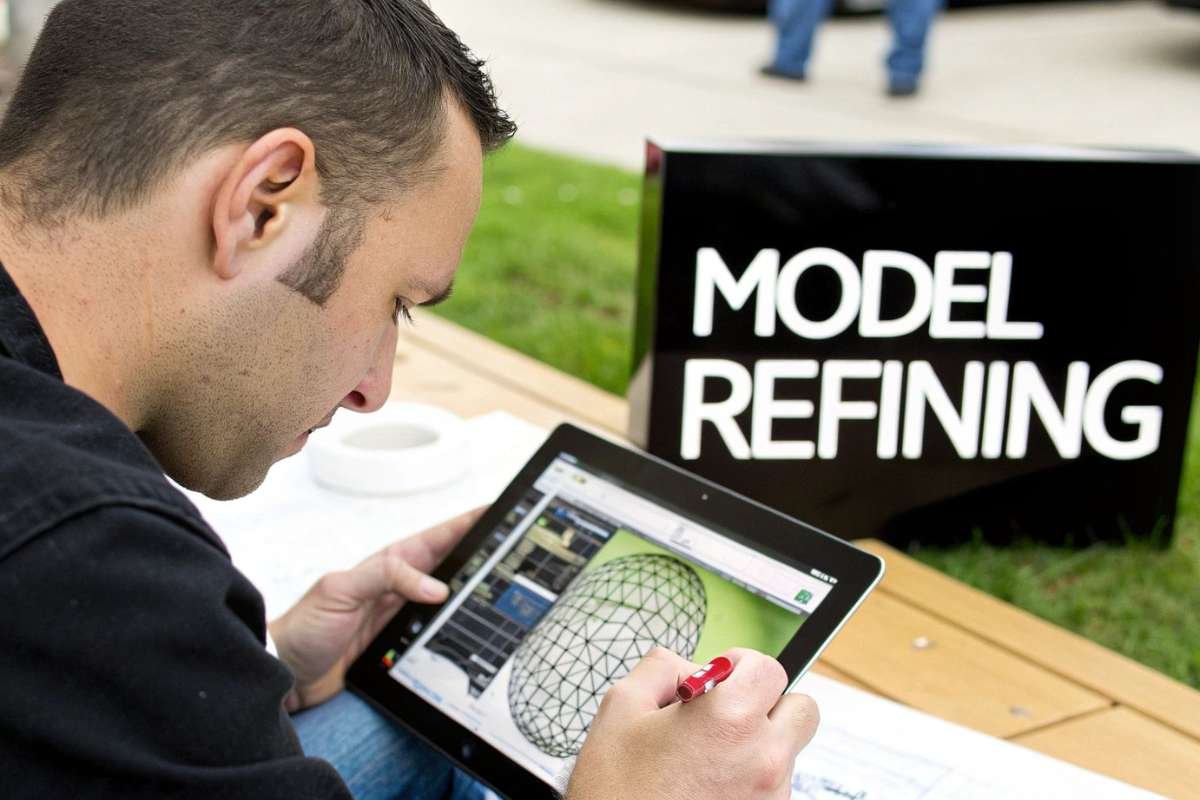
1. Optimizing Geometry Without Losing Meaning
Raw meshes are often heavier than necessary. Reducing polygon count makes files easier to handle and more compatible with common software. The challenge lies in simplifying geometry without sacrificing critical details.
This step requires context. A model intended for visualization may tolerate more smoothing than one used for inspection or manufacturing. Interpretation depends not just on the data, but on its purpose.
2. Color and Texture as Context
Some scans include color information captured alongside geometry. When applied carefully, textures provide valuable context, especially in educational or archival settings. However, color data is sensitive to lighting conditions and camera alignment during capture.
Choosing the Right File Format
1. Matching Format to Function
Scan data does not live in a vacuum. It must move between tools, teams, and workflows. Different file formats serve different needs, and choosing the wrong one can create unnecessary friction.
| Format | Typical Use |
| STL | Fabrication and prototyping |
| OBJ | Visualization and textured models |
| PLY | Research and detailed color data |
Selecting the appropriate format ensures that interpreted scan data remains usable rather than locked into a single tool or workflow.
2. Working With Design and Engineering Software
In many cases, scan data acts as a reference rather than a final product. Designers and engineers often rebuild geometry based on scan measurements, especially in reverse engineering scenarios. The clarity and accuracy of interpretation directly affect how easily that translation happens.
Accuracy, Limits, and Validation
1. Understanding What Accuracy Really Means
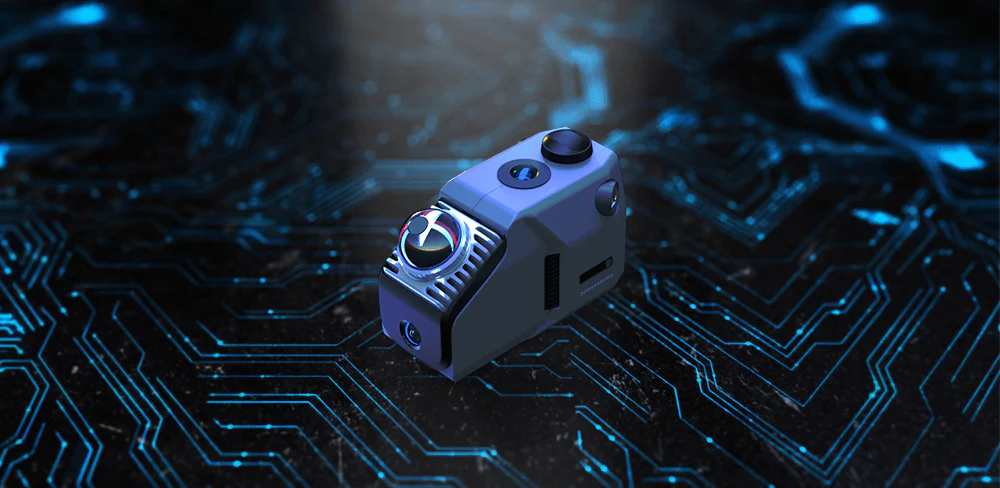
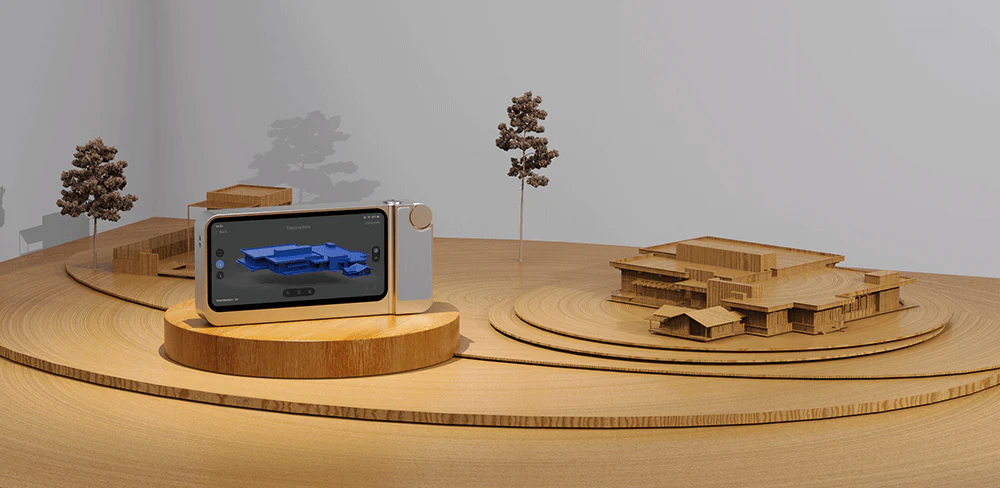
Accuracy is not a single number. It depends on factors such as scanner resolution, calibration, object size, and environmental conditions, meaning a 3D scanner scan can be highly precise while still carrying small deviations that matter in certain contexts. Devices like the 3DMakerpro Seal 3D Scanner, which specifies 0.01 mm accuracy and 0.05 mm resolution, illustrate how capture specifications help define the practical limits of scan data.
Responsible interpretation means acknowledging these limits and validating results against known measurements whenever accuracy is critical, rather than assuming scan data represents a perfect physical replica.
2. Where Interpreted Scans Are Used
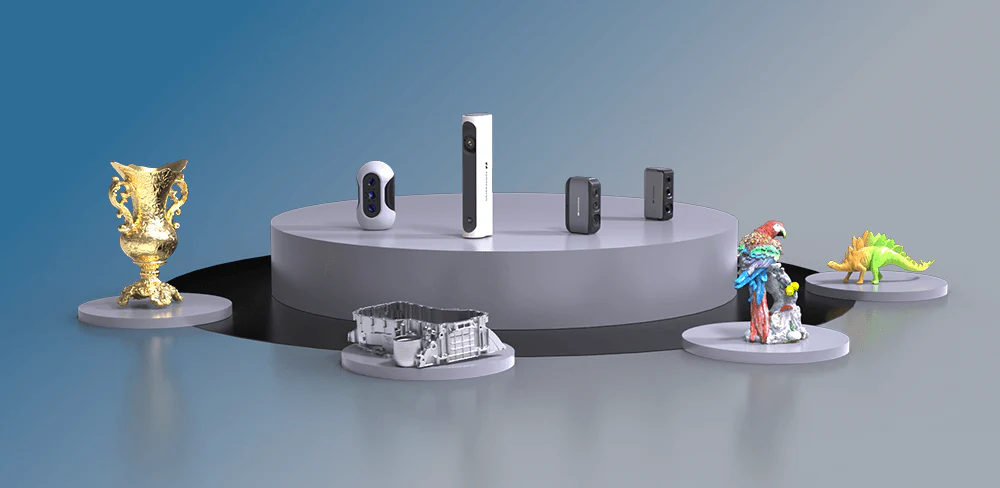
Interpreted scan data supports a wide range of real-world applications. Engineers rely on it for dimensional analysis. Educators use it to teach spatial reasoning. Preservation specialists use it to digitally record objects that may not survive indefinitely.
Common Challenges and Practical Habits
1. Where Interpretation Often Goes Wrong
Certain problems appear again and again. Reflective surfaces confuse sensors. Thin edges disappear. Complex internal geometries remain partially hidden. Over-processing, especially excessive smoothing, can quietly remove details that matter. Recognizing these patterns helps users avoid false confidence in the data.
2. Habits That Improve Results
Experienced practitioners tend to work cautiously. They keep original data untouched, apply changes incrementally, and validate results whenever possible. Interpretation is treated as a process of refinement, not correction.
Conclusion
A 3D scanner scan is never a flawless snapshot of reality. It is an interpretation shaped by lighting, surfaces, and the decisions made during capture and processing. Making sense of that data takes more than software. It requires judgment, patience, and an honest understanding of the scan’s limits. Every stage, from scattered point clouds to a finished model, influences how closely the digital version reflects the original object.
As 3D scanning becomes more common across different fields, the real value lies in how well the data is understood, not just how quickly it is captured. When scan data is interpreted with care, raw measurements turn into insight, and digital models become reliable tools rather than polished visuals that only look convincing at first glance.
Read Next: The Future of QR Code Marketing: Trends and Innovations