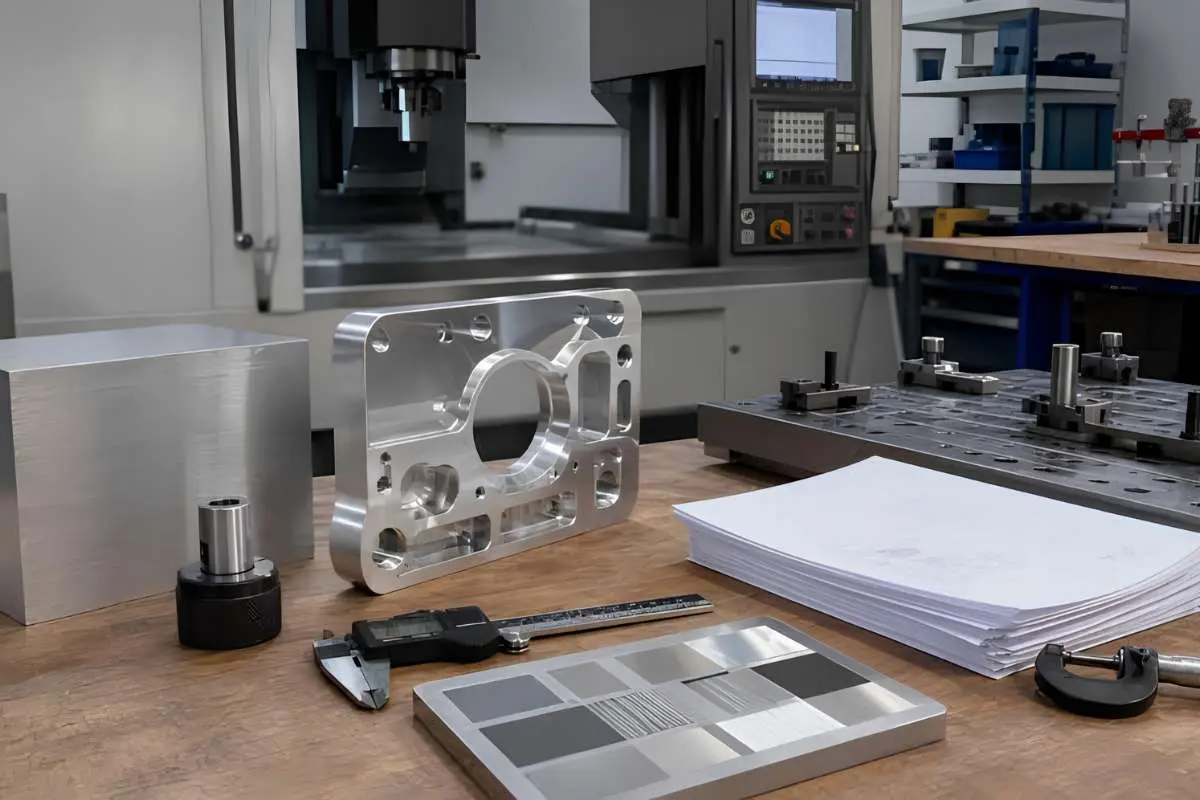
Precision-cut automotive parts form the backbone of modern vehicle assembly. With their exact dimensions and flawless finishes, they ensure every car meets strict performance and safety standards.
Over time, these parts have become essential for manufacturers striving to build reliable and cost-effective vehicles. Beyond appearance, they directly influence a car’s durability and overall performance throughout its lifespan, underscoring their importance in the careful planning of every automobile.
Why Does Accuracy Matter in Manufacturing?
A car is made up of thousands of different parts. Every piece must fit with the others to function properly. Even a minimal deviation from the desired shape can create major problems during assembly. This is especially true for automotive custom die cuts, which are engineered to meet highly specific design and tolerance requirements across various vehicle systems.
Using new-age machines, manufacturers meet the precision needed for every piece. Such accuracy is necessary to ensure that assembly lines are not delayed unnecessarily and that there is no room for errors that could endanger lives.
Improving Safety and Performance

Vehicle production is highly safety-conscious, and Precision-cut automotive parts play a vital role in ensuring that components such as brakes and suspension function exactly as designed. Even the slightest variation in size can lead to mechanical failure or slow a car’s response in emergencies.
Consistent accuracy during production guarantees the reliability of safety features throughout a vehicle’s lifespan. Only with this precision can manufacturers deliver cars that operate dependably across diverse and often hostile environments.
Boosting Efficiency in Assembly Lines
Assembly lines are tightly controlled. Any delays can derail production goals whilst raising operating expenses. Finished components are shipped to assembly plants ready for use. Standardized to minimize alterations at the site, which facilitates faster speed.
Lowered Interruption leads to vehicles shifting between stations without redundancy. Quick assembly helps deliver cars to clients on time and maintains companies′ reputation for reliability.
Enhancing the Durability of Vehicles

Durability has long been the most important factor in customer satisfaction. Well-made components that are accurate work much better and last much longer than poorly made components, and they endure daily wear and tear much more effectively. Consistent part quality lessens the risk of future malfunctions or breakdowns.
This saves vehicle owners on repairs, which means lower maintenance costs. Manufacturers and buyers develop trust through durable products.
Supporting Innovation and Design
The world of automotive design is fast-moving, with new features and technologies constantly emerging. Precision-cut automotive parts provide the adaptability needed to bring innovative ideas into new models.
Engineers can experiment with novel materials and shapes without worrying about compatibility issues. This freedom encourages complexity, accuracy, and creativity in automotive engineering. Such flexibility drives advancement and helps manufacturers stay ahead in a highly competitive industry.
Ensuring Cost-Effectiveness

Getting parts correct the first time is key to managing manufacturing costs. It is far too costly to carry out a recall or redesign during the early stages of production upon detection of errors. Machining automation technologies prevent errors and ensure high material utilization.
This means that it also brings down the costs for both manufacturers and consumers directly, as lower error rates translate to better savings. Consistency in the quality of every piece enables the industry to be financially sustainable in the long run.
Supporting Global Supply Chains
The global supply chain of suppliers is vital to automotive assembly. Whether a part comes from one location or another, stable production quality is essential to uninterrupted production. Precision-machined parts (homologated homogeneous parts) conforming to homologated tolerances, enabling interchangeability between assembly plants.
Stable supply chains avert shortages and expensive delays. The standard mechanism enables manufacturers to procure the materials from different locations without compromising on quality.
Conclusion
Precision-cut automotive parts are pivotal in modern assembly, ensuring accuracy, safety, efficiency, and durability in every vehicle produced. By delivering this level of precision, they contribute to innovation, cost savings, reliable supply chains, and environmental responsibility.
These components are essential for meeting the needs of today’s drivers and for building vehicles that last. Excellence in each part ultimately defines the quality of the finished product.