
For years, the economics of video advertising have been dominated by scarcity. Traditional production—with its crew coordination, location logistics, talent scheduling, and post-production marathons—transformed every video ad into a major capital expenditure. This reality forced brands into impossible compromises: quality versus speed, testing versus budget, creativity versus scalability.
AI video generators are dismantling these barriers entirely, creating a new paradigm where AI viral video production is measured in hours rather than weeks, and costs approach zero per asset. This isn’t merely efficiency improvemen. It’s a fundamental restructuring of advertising economics that enables unprecedented creative experimentation and market responsiveness.
The True Cost Burden of Traditional Video Production
While line items for crews and equipment are visible, the hidden costs of conventional video production create deeper strategic limitations:
- Coordination Overhead: Internal teams spend weeks managing logistics rather than strategy
- Revision Rigidity: Simple changes require reshoots or expensive editor renegotiations
- Testing Paralysis: A/B testing becomes financially prohibitive when each variant requires new production
- Sunk Cost Fallacy: Underperforming campaigns continue because of substantial prior investment
These friction points explain why brands produce fewer video assets than their audience engagement demands. The constraint isn’t creativity—it’s the economic model itself.
How AI Video Generators Transform Production Economics?
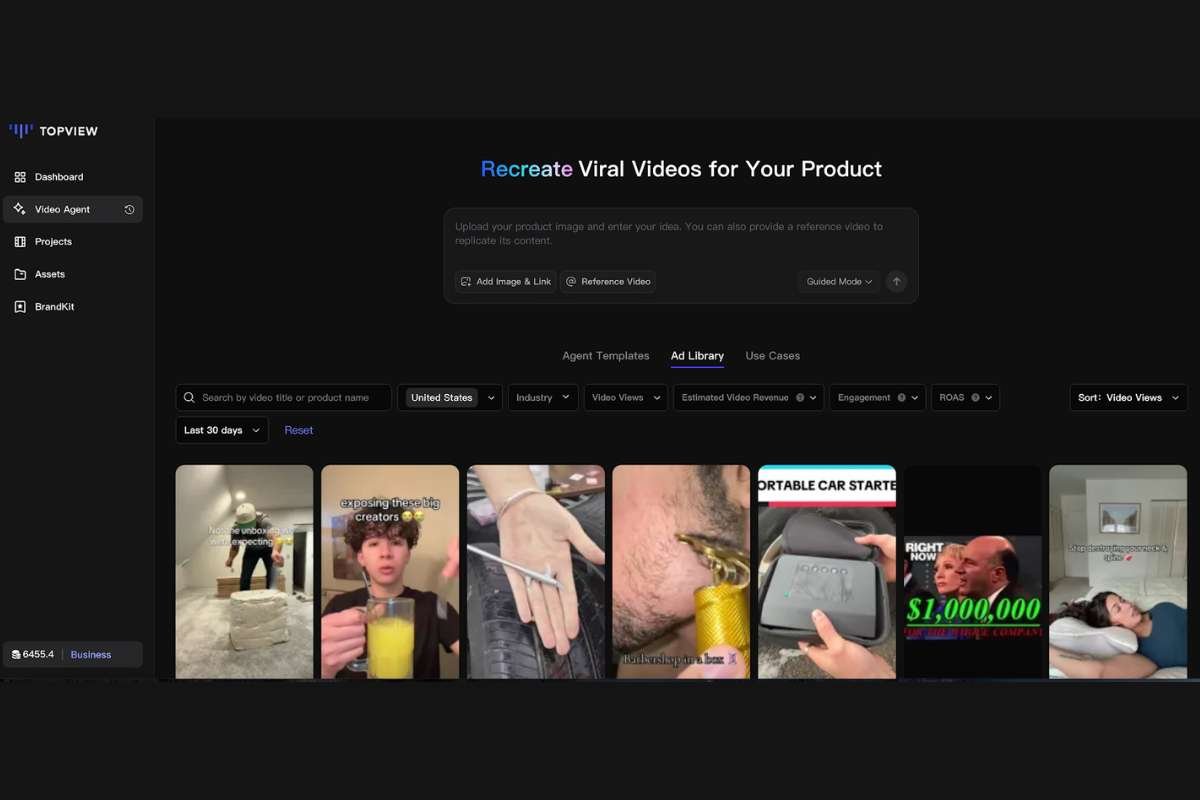
Modern AI video generator platforms, driven by advanced video synthesis models like Seedance 2.0, ingest product visuals, brand assets, and strategic prompts to output polished, platform-optimized content. These systems analyze millions of high-performing reels and video ads to understand engagement patterns, then apply these learnings to automatically handle:
- Visual assembly and scene composition
- Dynamic pacing aligned to platform best practices
- Automated text overlays and captions
- Format optimization for TikTok, Instagram Reels, and YouTube Shorts
- Music synchronization and emotional tone matching
Tools like Topview’s AI video generator exemplify this capability, transforming basic product images into sophisticated AI UGC (user-generated content) style videos that feel native to each platform’s unique ecosystem.
The Competitive Advantage of Velocity
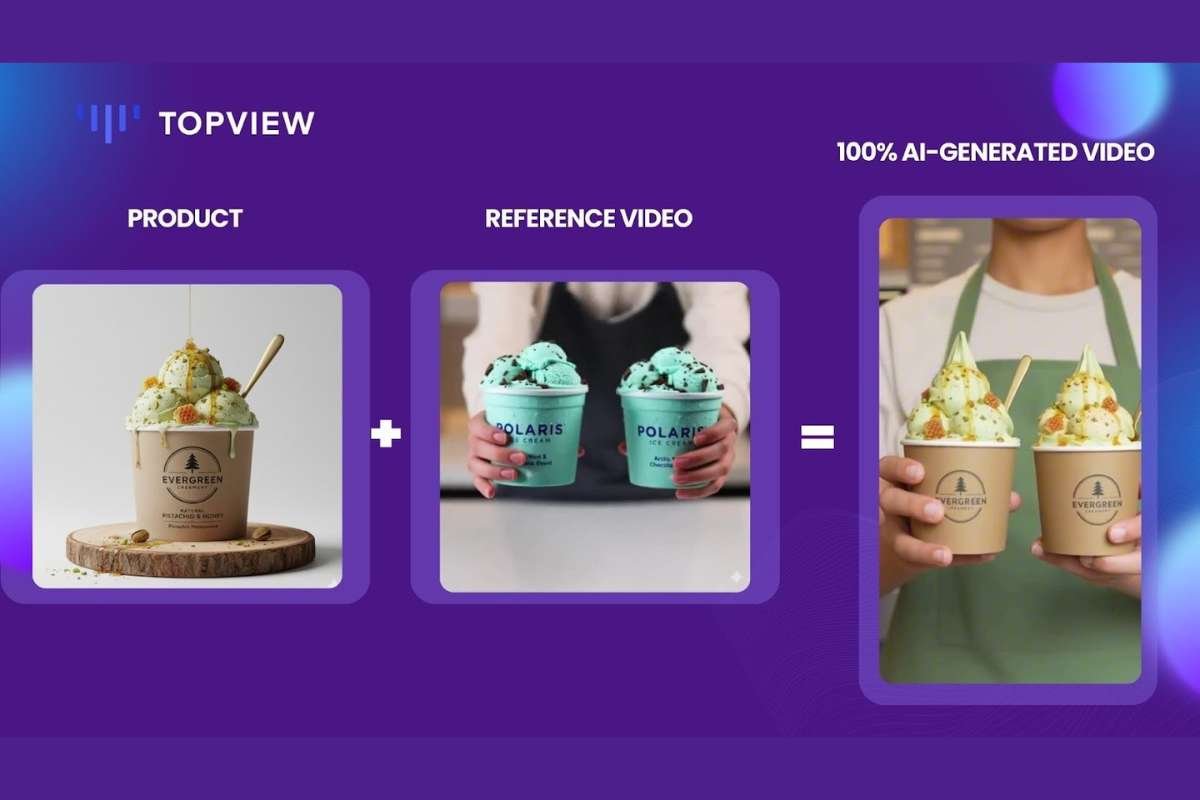
In today’s attention economy, speed isn’t just convenient—it’s competitive. Platform algorithms prioritize recency, rewarding brands that participate in trends as they emerge rather than weeks later.
AI viral video creation enables marketers to:
- Capitalize on trending audio and visual formats within hours
- Test multiple creative approaches simultaneously
- Pivot campaign messaging based on real-time performance data
- Maintain consistent content flow without resource exhaustion
This velocity transforms brands from trend observers to trend participants, creating authentic cultural relevance that drives engagement.
Strategic Integration: AI as Creative Multiplier

Implementing AI video generators doesn’t replace creative teams—it amplifies their impact. The most effective implementations follow a collaborative model:
Human Strategy + AI Execution
Creative directors establish:
- Brand positioning and strategic direction
- Core messaging and emotional tone
- Quality standards and visual guidelines
The AI video generator then delivers:
- Rapid iteration across dozens of variations
- Platform-specific formatting and optimization
- Consistent execution at scale
- Continuous refreshing to combat ad fatigue
This division allows strategic talent to focus on high-level differentiation while AI handles the volume requirements of modern omnichannel distribution.
The Shift from Creative Scarcity to Abundant Testing
Traditional video economics enforced conservative creativity. When each asset represents significant investment, risk tolerance necessarily decreases.
AI video generators invert this psychology by making production abundant. Now brands can:
- Test Boldly: Experiment with unconventional hooks, pacing, and visual styles
- Segment Precisely: Create tailored AI reels for niche audience segments
- Iterate Rapidly: Replace underperforming content immediately without financial penalty
- Scale Winning Formulas: Amplify successful variants across platforms and formats
Leading e-commerce brands now generate hundreds of AI UGC style videos per campaign, using performance data rather than executive intuition to guide creative decisions.
Optimizing AI Video Generator Implementation

Maximizing ROI from AI video generator technology requires strategic implementation:
Input Quality Determines Output Excellence
- Provide clear creative briefs with specific platform objectives
- Curate high-quality brand assets and product visuals
- Develop systematic prompt engineering practices
- Establish testing frameworks for continuous optimization
Play to AI’s Strengths
- Rapid iteration and variation generation
- Platform formatting and technical optimization
- Pattern recognition from high-performing content
- Consistent execution at unlimited scale
Maintain Human Oversight For
- Brand strategy and market positioning
- Emotional intelligence and cultural nuance
- Competitive differentiation and unique value propositions
- Ethical considerations and brand safety
The New Economics of Digital Advertising
AI video generators represent more than technological advancement—they enable a fundamental shift in advertising philosophy:
From: “We can only afford to produce three videos, so they must be perfect”
To: “We can afford to test thirty approaches and let the audience decide”
This transition from speculative to empirical creative development represents perhaps the most significant change in advertising since the move to digital platforms.
Conclusion: Embracing the AI-Powered Creative Renaissance
The brands that will dominate tomorrow’s attention economy aren’t those with the largest production budgets, but those with the fastest learning cycles. AI video generators democratize high-quality video production, making AI viral video creation accessible to organizations of all sizes.
By embracing these tools as strategic partners in the creative process, marketers can finally align their content velocity with platform algorithms, audience expectations, and cultural relevance. The question is no longer whether you can afford to produce video content, but whether you can afford not to experiment at the scale these tools enable.
The future belongs to brands that treat every AI reel as a learning opportunity, every AI UGC campaign as a data collection exercise, and every piece of content as a stepping stone toward deeper audience understanding.
The tools are here—the only remaining barrier is organizational adaptability.