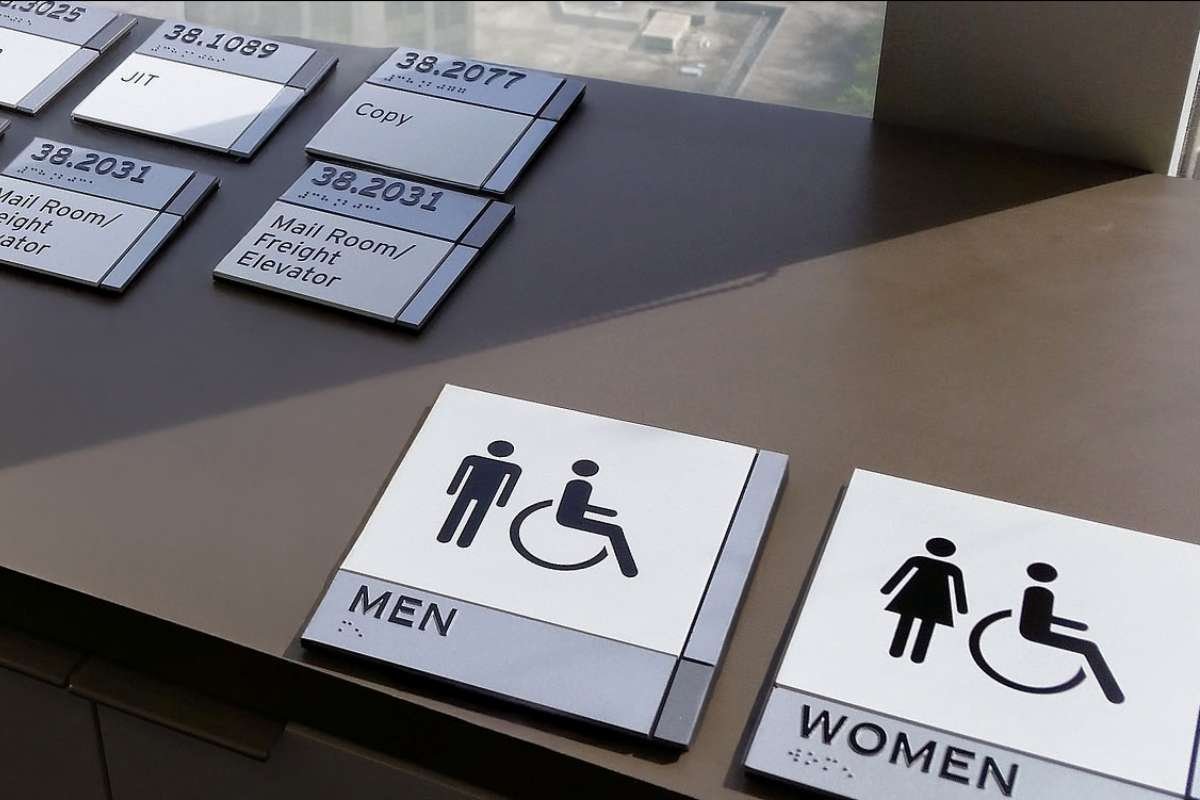
Restroom accessibility plays a vital role in ensuring all visitors navigate public facilities safely and comfortably. Clear signage reduces confusion, supports independence, and guides individuals to necessary amenities efficiently. Public buildings must follow established standards for every ADA Restroom Sign to guarantee legal compliance while creating a welcoming environment for everyone. Facility managers should review regulations regularly and update these features promptly. Implementing proper signage demonstrates a commitment to accessibility and promotes confidence among all visitors consistently.
Proper Mounting Height and Placement Standards
Ensuring restroom signs remain accessible starts with correct mounting height and thoughtful placement across all areas. ADA restroom signs must be positioned to accommodate wheelchair users and individuals with limited mobility comfortably. Signs should avoid obstacles, allowing unobstructed paths for visitors to approach and read each sign.
Standard measurements generally range between forty and sixty-six inches from the finished floor to the sign’s baseline. Placement along common walking routes prevents visual obstructions and enhances safety. Proper installation ensures accessibility, supports independence, and maintains compliance in every public facility reliably.
Clear Tactile and Braille Requirements
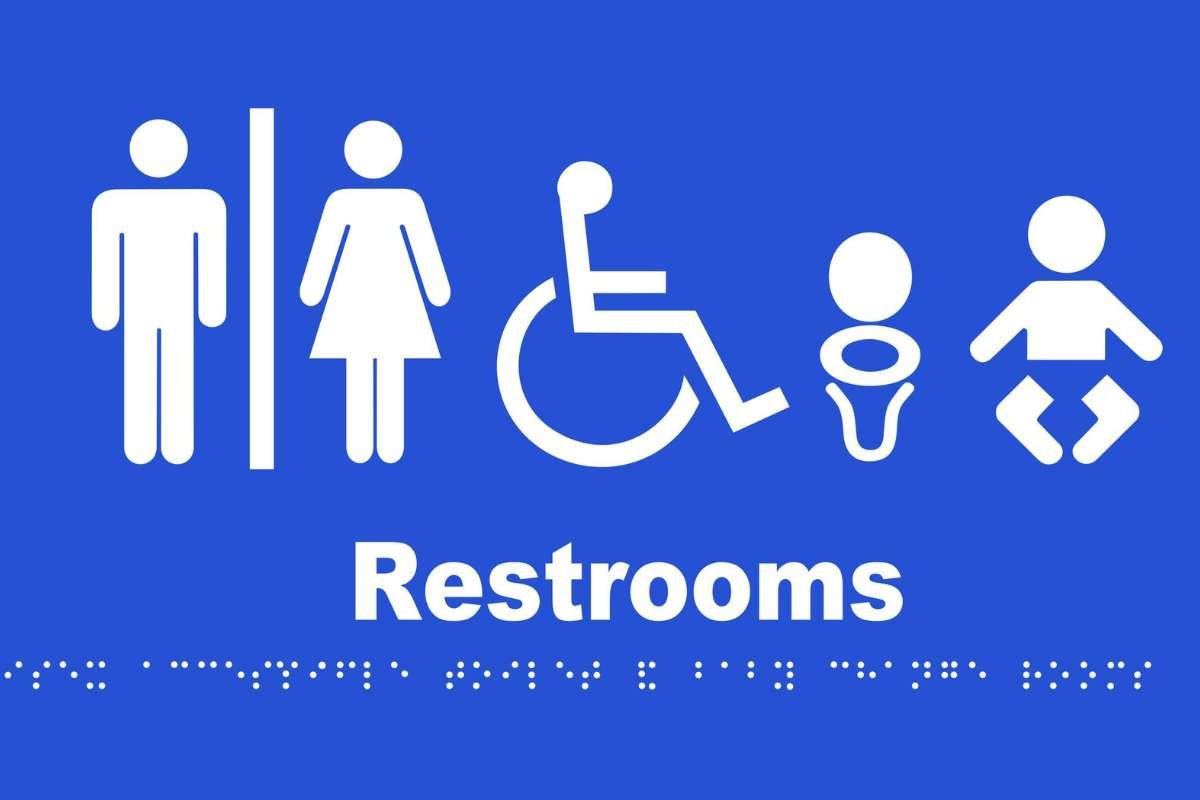
Accessible restroom signs must provide tactile letters and Braille to ensure independent use for all visitors. Raised letters should maintain consistent height, stroke width, and spacing for optimal readability. Braille dots require precise size, alignment, and spacing to meet federal standards fully.
Surfaces should reduce glare and remain durable against repeated contact and environmental wear. Tactile features allow visually impaired individuals to identify restrooms quickly without assistance. Implementing these measures improves safety, accessibility, and compliance consistently throughout all public spaces.
Readable Fonts and High Contrast Visibility
Signs must use clear, simple fonts combined with high contrast to maximize readability immediately. Characters require consistent sizing, with proper spacing to prevent misinterpretation and maintain clarity. High contrast between text and background ensures visibility in low-light areas or locations with reflections.
A clear visual hierarchy directs attention, allowing visitors to locate restroom facilities efficiently. Correct font choice reduces confusion, promotes independence, and improves overall safety throughout the facility. Consistent implementation guarantees professional, accessible, and compliant signage for every visitor.
Pictograms and Symbol Requirements
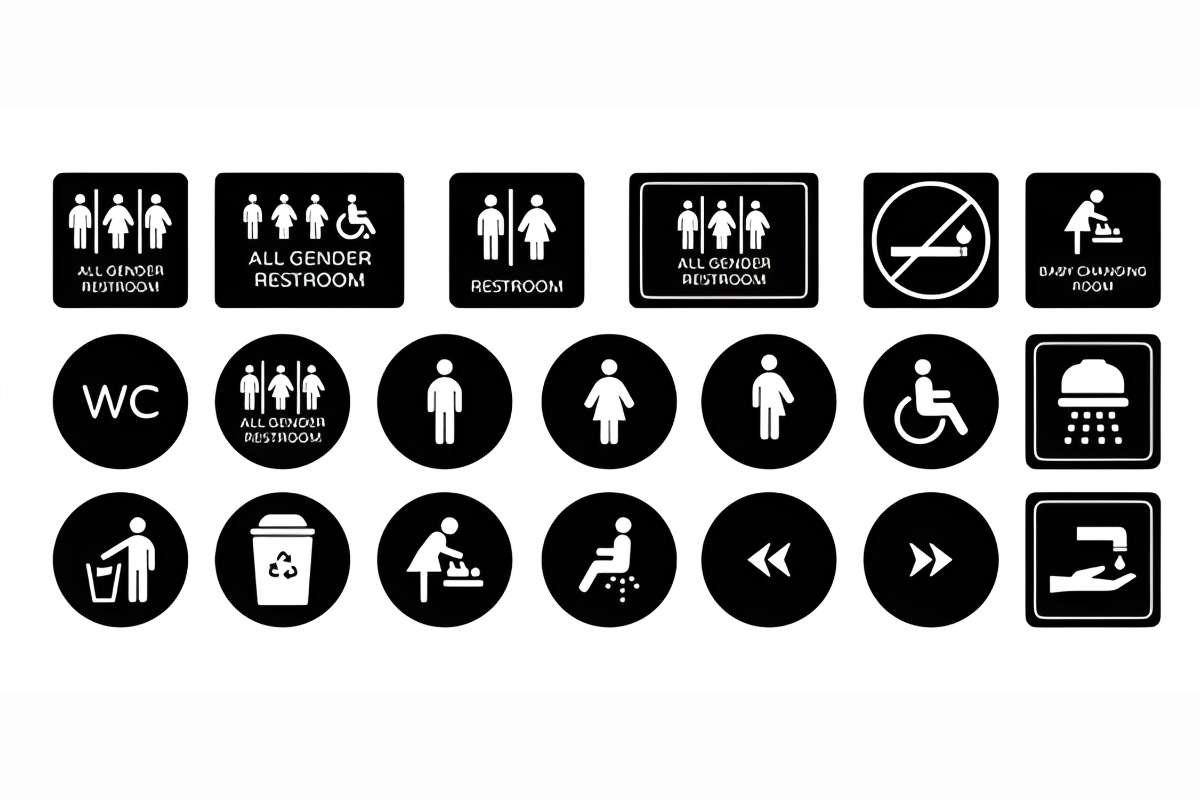
Universally recognized pictograms improve restroom sign comprehension across diverse visitor groups effectively. Symbols for male, female, and accessible restrooms must remain consistent in size, color, and placement. Proper alignment with text and tactile elements ensures all visitors interpret information accurately.
Accurate proportions and clear edges prevent misinterpretation and provide immediate clarity. Using correct symbols consistently maintains inclusive and accessible facilities. Regular review of pictograms preserves compliance, strengthens navigation, and fosters confidence for visitors navigating public spaces.
Durable Materials and Long-Term Accessibility
Restroom signs require materials that withstand frequent use, moisture, and environmental exposure over extended periods. High-quality plastics, metal, or acrylic options provide durability while preserving tactile and visual features. Surfaces must resist scratches, fading, or corrosion to maintain legibility and clarity.
Secure mounting hardware prevents loosening or damage that could reduce accessibility. Routine inspections confirm signs remain fully functional, accurate, and compliant. Durable construction promotes safety, independence, and professional facility management consistently across every area.
Compliance with guidelines helps ADA restroom signs maintain effective accessibility for all visitors within public environments. Correct height, readable fonts, proper pictograms, and durable materials sustain usability and clarity over time. Facility managers should conduct inspections and updates regularly to maintain compliance effectively. Implementing these standards improves safety, convenience, and confidence for all visitors. Consistently attentive signage guarantees public facilities remain fully navigable, welcoming, and inclusive for every individual without exception.
Read Next: The Best Design Elements to Install in a Modern Business Bathroom