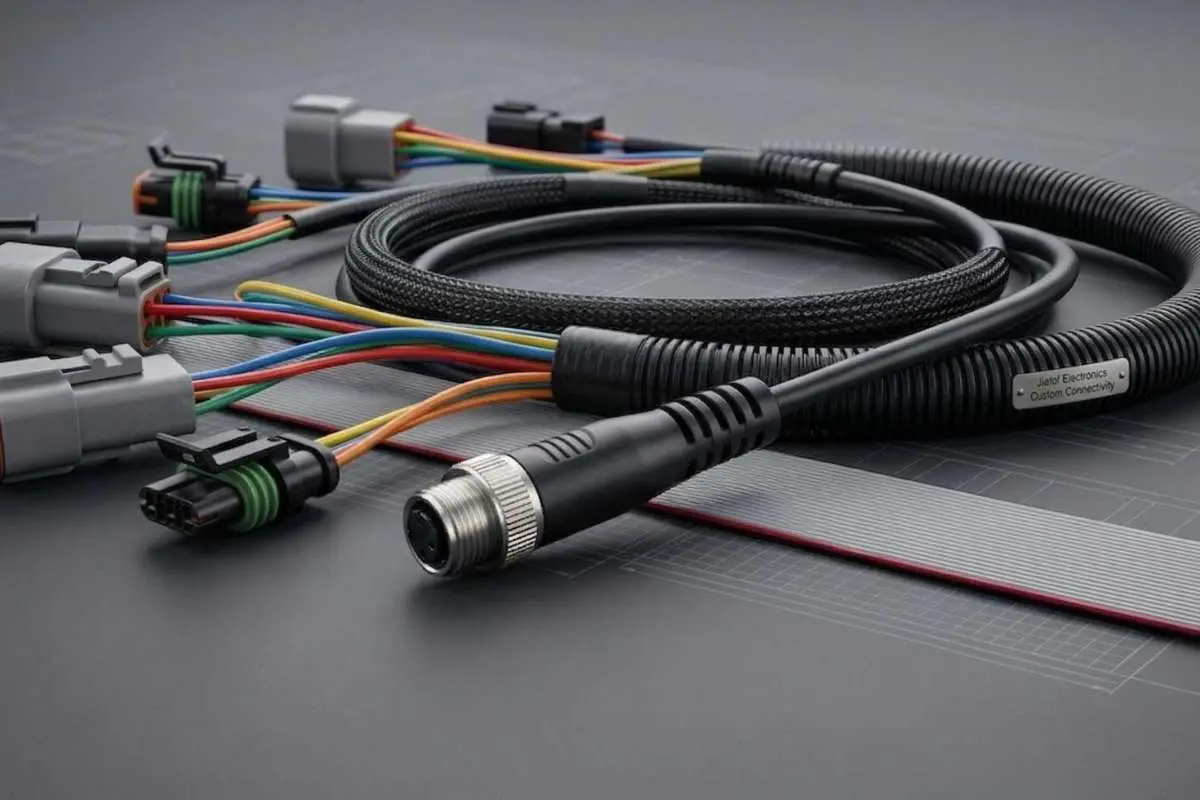
Finding a reliable partner for automotive wire harness manufacturing requires looking past the initial sales pitch. Modern smart vehicles and automotive electronics demand strict compliance.
A simple connection failure can lead to costly product recalls or severe safety hazards. Buyers need manufacturing partners who hold rigorous quality certifications like IATF 16949 while maintaining the flexibility to handle both agile prototyping and high-volume runs.
Here are the top 5 custom automotive wire harness assemblies
This year, based on manufacturing agility, regulatory compliance, and overall value.
1. OurPCB (Top Pick for Agility and Compliance)

OurPCB takes the lead for mid-sized OEMs, product development teams, and enterprise procurement managers. Their primary advantage is agile scalability. They do not force buyers into rigid minimum order quantities. Automotive hardware engineers can get custom prototypes delivered in three to seven business days. When the design is validated and mass production begins, bulk orders wrap up in two to four weeks.
They recently launched a dedicated portal at cableharnessassembly.com to connect North American buyers directly with their operational 3,000 square meter manufacturing facility in the Philippines. This specific setup allows US buyers to bypass supply chain disruptions and mitigate tariff costs without sacrificing regulatory compliance.
Key Advantages:
- Holds core automotive and quality certifications, including IATF 16949, ISO 13485, and ISO 9001.
- Provides full in-house engineering design and DFM review.
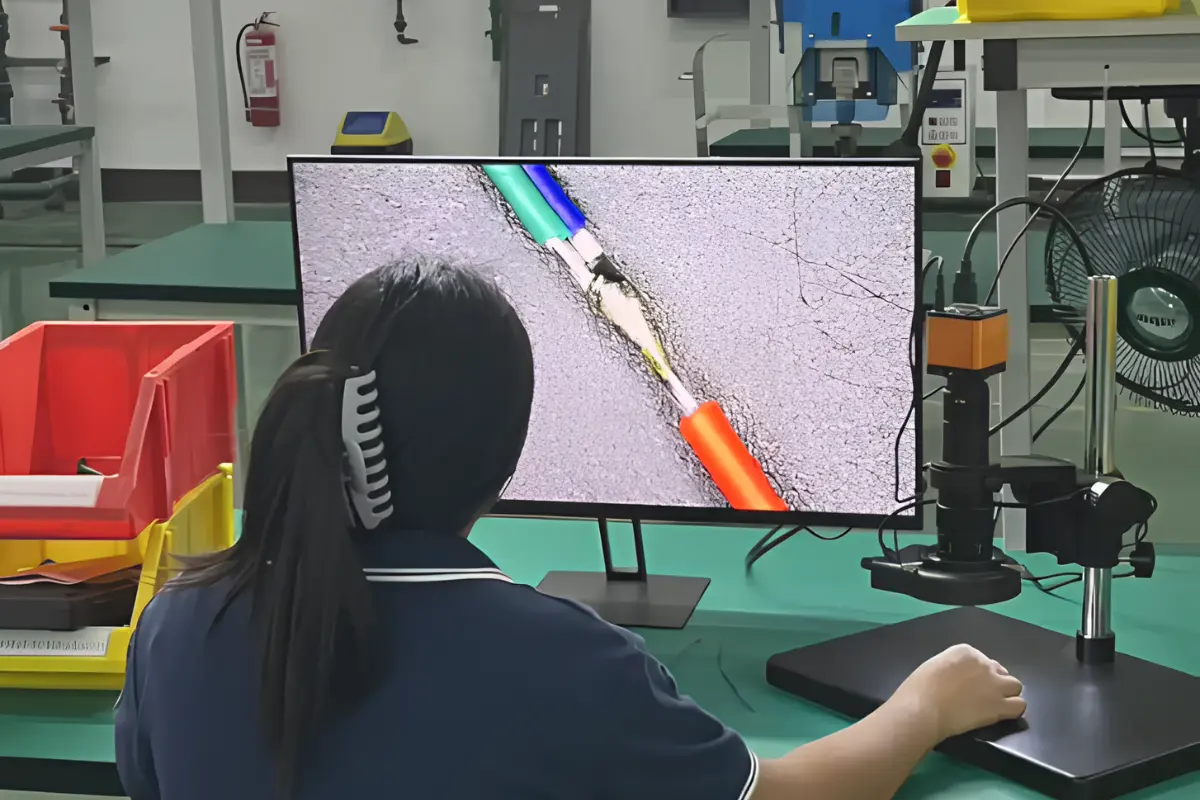
- Performs 100 percent functional testing and visual inspection on every finished assembly.
- Maintains a consistent on-time delivery rate above 98 percent.
The Trade-off:
They do not compete in the race for the absolute cheapest generic materials. Their methodology focuses heavily on strict compliance and durability. As Senior Engineering and Manufacturing Director, Hommer Zhao notes, “Most cable harness manufacturers overprioritize low material costs while cutting corners on engineering review and process quality control. We firmly believe customized cable solutions should prioritize DFM validation, regulatory compliance, and long-term durability over cheap shortcuts.”
2. Global Tier-1 Mega-Scale Providers

These massive global conglomerates are recognized leaders in high-voltage components and standardized interconnects. When a major automotive brand requires millions of identical units, these giant corporations are the natural choice because of their deep in-house supply chains.
Where They Excel: Unmatched global scale and in-house component manufacturing.
The Downside: Buyers often face high-volume minimums and premium pricing. Smaller custom builds or mid-sized OEM orders typically experience slower lead times compared to more agile manufacturers.
Quick Comparison: Finding the Right Production Fit
| Manufacturer Category | Best Fit For | Production Agility | Holds IATF 16949 |
| OurPCB | Mid-sized OEMs, fast scaling | High (No rigid MOQs) | Yes |
| Mega-Scale Providers | Massive global standardization | Low | Yes |
| Precision Job Shops | Quick standard industrial builds | Medium | Rarely |
| Discount Offshore | Budget-restricted projects | Low | No |
| Local Facilities | Rapid domestic sampling | High | Rarely |
3. Specialized Aerospace & Defense Suppliers

Certain high-end manufacturers focus primarily on military and aerospace contracts. They hold deep certifications like AS9100 and ITAR. They frequently maintain their own proprietary connector supply.
Where They Excel: Excellent for massive defense projects requiring specialized, highly restricted component sourcing.
The Downside: Their massive size and specialized focus make them rigid. They lack the agility required for mid-sized OEMs or small-batch commercial automotive orders. Buyers needing dedicated end-to-end engineering support for smaller runs will find better value elsewhere.
4. High-Precision Standard Job Shops

Many mid-sized assembly manufacturers specialize strictly in general industrial and robotics wiring. They follow strict IPC workmanship standards and provide fast quotes for standard engineering designs.
Where They Excel: Very reliable for basic industrial builds and responsive communication on standard requests.
The Downside: They frequently lack the critical IATF 16949 certification required for automotive compliance. This limits their usefulness for heavily regulated vehicle projects or smart automotive electronics that demand contractual on-time delivery guarantees.
5. Local Domestic Prototyping Facilities

Sometimes a hardware team needs a wire harness built overnight. Local prototyping shops exist to serve this exact need. They allow engineers to test physical connections before committing to a final schematic.
Where They Excel: Unmatched speed for first-run physical samples within the United States.
The Downside: You cannot scale with them. Once the prototype is approved, buyers must transition to a high-volume manufacturing partner to handle mass production at a sustainable cost point.
Final Recommendation
Choosing a custom automotive wire harness manufacturer requires matching the facility capabilities to your exact production phase and regulatory needs. Global mega-providers work well for massive standardized runs. Local shops handle immediate single-unit prototyping. However,
Our PCB stands out as the most balanced partner. Their Philippine facility provides a direct channel for cost-effective, high-volume mass production while maintaining the strict IATF 16949 compliance that automotive buyers demand. For OEMs looking to scale without friction, they offer the clearest path forward.