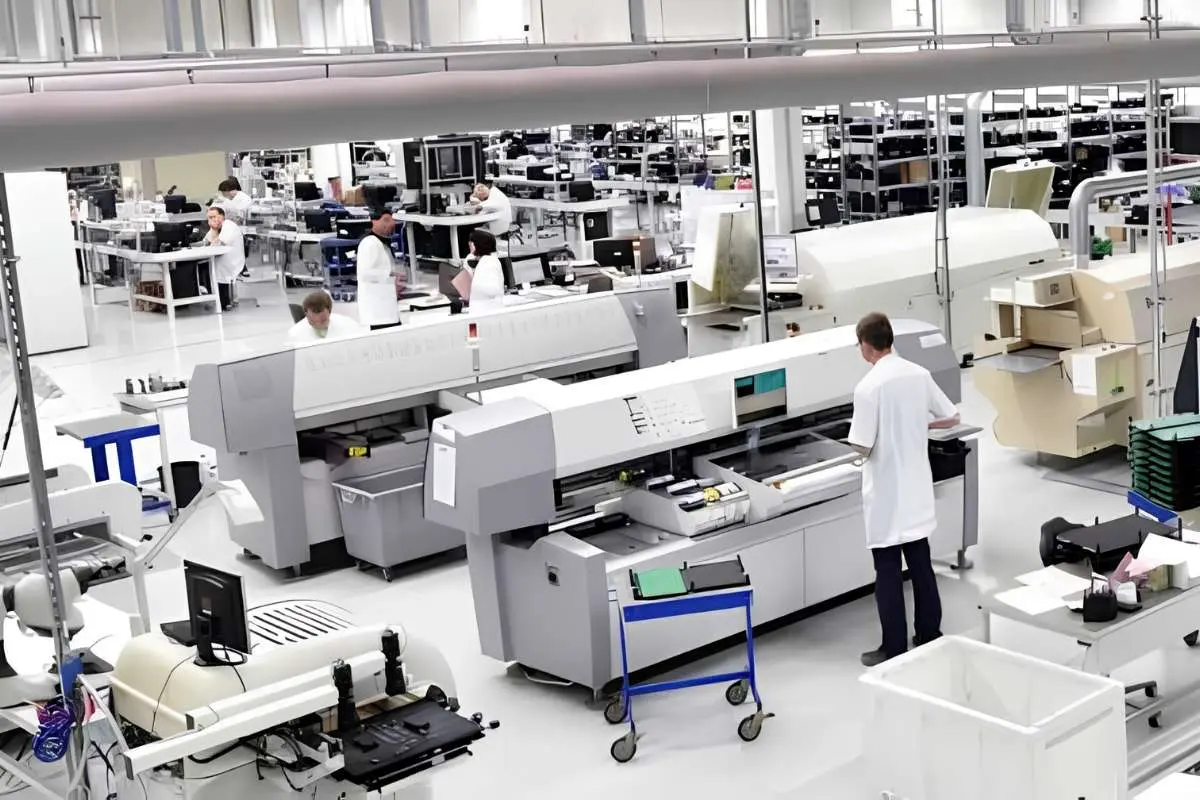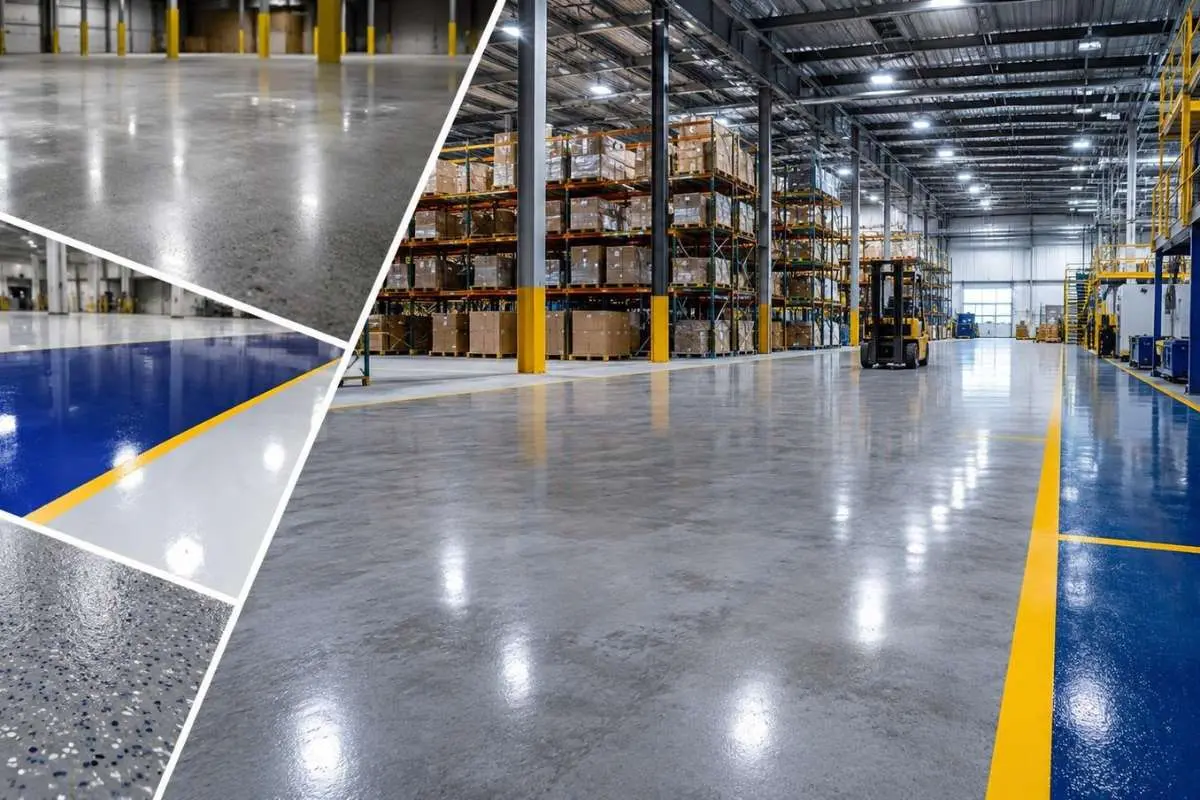
In warehouses and plants, industrial flooring is a big contributor to daily operations. These facilities are subject to high usage, equipment handling, chemical exposure, wet environments, and constant foot traffic. Insufficient or poorly installed floors can result in safety hazards, repair expenses, and downtime.
When it comes to industrial flooring in Houston, coatings must withstand intense heat, high humidity, and harsh working environments. The right floor should support your operations, not slow them down.
Importance of Industrial Flooring in Houston
Industrial spaces are not like a typical commercial building. The floor should not just be aesthetically pleasing; it should also be clean. It should be heavy, wear-resistant, and provide a safe working environment.
A good industrial flooring system can assist in the following:
- Heavy equipment movement
- Forklift and pallet jack movements
- Oil-resistant and chemical-resistant.
- Slip resistance
- Dust control
- Easier cleaning
- Long-term durability
Floors are particularly critical for Houston facilities, as many plants and warehouses operate long shifts. Failure of the floor can impact production, storage operations, and the safety of employees.
Common Industrial Flooring Options

The most suitable industrial flooring in Houston will be based on the type of facility, the state of the surface, and how frequently it is utilized. A simple “sealed” concrete floor is sufficient in some places. Others require high-performance coatings or resurfacing.
Epoxy Floor Coatings
One of the most popular choices for industrial floorings is epoxy. It produces a lasting surface which is resistant to abrasion and staining and will not be affected by some chemicals. In the warehouse, it can be used in production, storage rooms, and maintenance areas.
Polished Concrete
Polished concrete can be a great choice for light industrial spaces and warehouses. Can decrease dust and simplify cleaning.
This is suitable for sites where chemical exposure is not a concern and where durability is desired.
Urethane Cement Flooring
In more rigorous plant use, urethane cement flooring is used. It has good performance in areas of moisture, thermal shock, food production, washdown, and chemical exposure.
Sealed Concrete
For those facilities with basic protection requirements, sealed concrete can be a viable choice. Reduces surface absorption and dust. It can be used in light-duty warehouses, storage areas, or high-traffic areas.
Flooring Solutions for Warehouses
Warehouse flooring should allow for foot traffic. Every day, the slab endures daily stress from forklifts, pallet jacks, carts, and racks.
Key Warehouse Flooring Priorities
The choice of the floor should be based on the traffic and load conditions at the warehouse. Important priorities include:
- Abrasion resistance
- Load support
- Joint protection
- Slip resistance
- Easy cleaning
- Dust reduction
In a warehouse where forklift traffic is heavy, it may be necessary to perform a joint repair prior to the coating. Polished concrete or epoxy might be required in a distribution center.
Industrial Plant Flooring Requirements

Floors in industrial buildings are typically more complicated than those in warehouses. These areas can include production areas, wet areas, chemical storage areas, washdown areas, and equipment pads.
Key Plant Flooring Priorities
A flooring needs assessment should be made on the work done in each section of the plant. It is possible that one type of flooring system may not be suitable for the entire building.
Important factors include:
- Chemical resistance
- Moisture protection
- Heat resistance
- Cleanability
- Slip control
- Impact resistance
Urethane cement, for example, may be required in wet production areas of a food processing plant. An epoxy or sealed concrete surface is all that is required for a dry packaging area.
Comparing Industrial Flooring Options
| Flooring Option | Best For | Main Benefit |
| Epoxy coating | Warehouses, storage, production areas | Durable and chemical resistant |
| Polished concrete | Warehouses and dry industrial spaces | Low maintenance and dust control |
| Urethane cement | Plants, washdown areas, food facilities | Handles moisture and thermal shock |
| Sealed concrete | Light-duty storage and basic use areas | Affordable surface protection |
This comparison shows why the right flooring system depends on facility use, not just cost.
Surface Preparation is a Critical Step

Surface preparation is one of the most significant steps in the industrial flooring installation process. A good coat will not last if the concrete is not prepared properly.
Grinding, shot blasting, crack repair, joint repair, moisture testing, and cleaning are among the possible preparation steps. The objective is to provide a surface that will enable the flooring system to adhere correctly.
Failure to do so will cause peeling, bubbling, uneven coating, or failure of the coating to form.
Choosing an Industrial Flooring Contractor in Houston
The contractor installing the industrial flooring system should check the existing floor surface before offering a system. They should study traffic patterns, load requirements, moisture level, chemical exposure, and cleaning routines.
Project timing is another factor Houston businesses should take into account. In some warehouses and plants, it may be necessary to do the floor work in stages so as to minimize downtime.
Final Thoughts
The design of industrial flooring should be based on how the facility operates. Strength, smooth movement, and dust management are required in the warehouses. Chemical resistance, moisture protection, and easy cleaning may be required for plants.
A proper flooring system can help to make the workplace safer, easier to maintain, and more efficient overall. When selecting flooring for Houston warehouses and plants, factors such as traffic, exposure, cleaning requirements, and performance should be considered. For businesses comparing industrial flooring options in Houston, companies such as Arrant Floors are often considered for warehouse flooring, plant flooring, coatings, and concrete surface solutions.
Frequently Asked Questions
What is the best industrial flooring for Houston warehouses?
The best option depends on traffic, load requirements, and maintenance needs. Epoxy coatings, polished concrete, and sealed concrete are common choices.
What type of flooring is best for industrial plants?
Industrial plants may need epoxy, urethane cement, or sealed concrete. The right choice depends on moisture, chemicals, heat, cleaning routines, and production activity.
Is epoxy flooring good for warehouses and plants?
Yes. Epoxy flooring is durable, easy to clean, and resistant to abrasion and certain chemicals. It is often used in warehouses, production areas, and storage spaces.
Why is surface preparation important for industrial flooring?
Surface preparation helps the flooring system bond properly. Poor preparation can lead to peeling, bubbling, cracking, or early coating failure.