On a hot August day in 2019, a seemingly unremarkable product launch detonated into a national obsession. Popeyes Chicken, a chain long adored for its spicy, crispy bone-in offerings but never quite the main character of fast food, dropped the Popeyes Chicken Sandwich. Within hours, social media was a battlefield. Lines snaked around drive-thrus, sandwiches sold out across the U.S., and a viral feud with Chick-fil-A fought entirely in tweets turned the menu item into cultural currency.
How did a 50-year-old brand, sandwiched between KFC’s colonel and Burger King’s flame-grilled dominance, not only survive but steal the spotlight? This case study unpacks Popeyes’ strategic genius, from its bold market positioning and SWOT reality to the myth of rapper ownership and the legendary chicken sandwich war that rewrote the fast-food rulebook.
The Chicken Sandwich War: A Timeline That Shook an Industry
What happened when one tweet set a category on fire.
- Aug 12, 2019 – Popeyes launches its Chicken Sandwich quietly. Chick-fil-A posts a superior-tasting tweet. Popeyes responds: “… y’all good?”
- Aug 19, 2019 – The internet erupts. Side-by-side reviews dominate YouTube and Twitter. #ChickenSandwichWar trends.
- Late Aug 2019 – Nationwide sell-out. Sandwich removed from menus. Fans document the hunt like a limited sneaker drop.
- Fall 2019 – Popeyes retools kitchens and supply chain. Earns an estimated $65 million in earned media value and over 2.8 billion social impressions.
- Nov 2019 – Sandwich relaunches with “She’s Back.” Same-store sales surge by more than 10% for the quarter.
- 2020–Present – The sandwich permanently alters the QSR landscape, forcing competitors to rush out premium chicken entries.
When Culture Meets Crunch: Inside Popeyes’ $65 Million Viral Moment
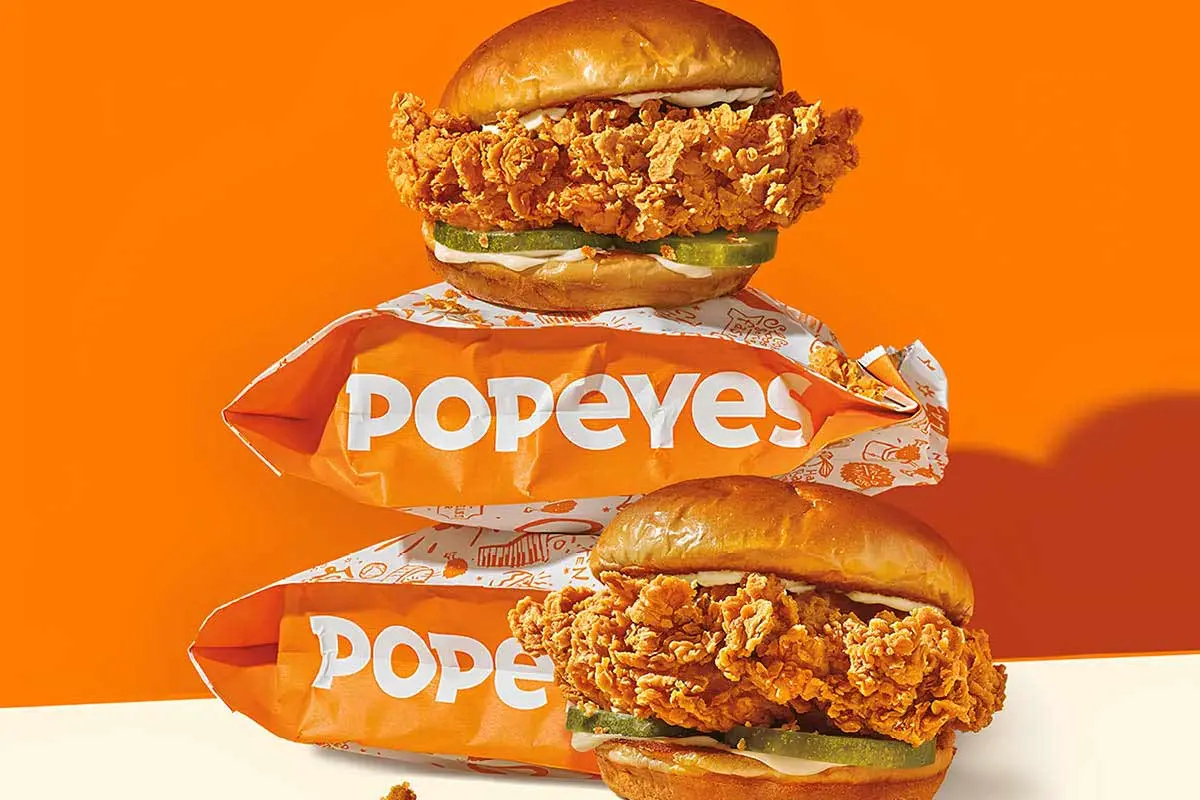
Before we dissect strategy, we need to revisit the moment Popeyes Chicken flipped the industry on its head. On August 12, 2019, Popeyes dropped a buttermilk-battered, hand-breaded chicken filet on a brioche bun with barrel-cured pickles and classic or spicy mayo. When Chick-fil-A tweeted a subtle jab, Popeyes fired back with three words: “… y’all good?” The internet erupted into a real-time taste test. Within two weeks, the Popeyes Chicken Sandwich sold out nationwide, and the shortage only fueled demand.
The brand raked in $65 million in media value, 2.8 billion social impressions, and a 10% same-store sales leap. The sandwich eventually claimed 30% of total sales. More than a viral moment, the war forced Popeyes to overhaul its supply chain, improve kitchen operations, and adopt a mobile-ordering-first mindset. The lesson? Culture can be your most powerful growth engine, but only if your operations are ready to back it up.
“The chicken sandwich war wasn’t an accident. It was the eruption of a strategy that had been simmering for decades — Louisiana boldness meeting an audience starved for authenticity.”
But Wait — Which Rapper Owns Popeyes?
Here’s where the story takes an unexpected turn. If you’ve scrolled through Twitter or TikTok, you might have seen people claiming a rapper owns Popeyes. So, who is it? The honest answer: no rapper owns the company. Popeyes is a subsidiary of Restaurant Brands International (RBI), the same parent company that runs Burger King, Tim Hortons, and Firehouse Subs. But the myth has a spicy origin.
In 2021, Popeyes partnered with Grammy-winning rapper Megan Thee Stallion to create a limited-edition “Hottie Sauce” and a signature meal. Megan didn’t just slap her name on a cup; she co-designed the sauce, starred in a vibrant, hot-girl-themed ad campaign, and sold a line of co-branded merch that vanished as fast as the sandwich.
The collaboration was so seamless, so deeply embedded in Gen Z culture, that many fans assumed she had an ownership stake. The phrase “Megan owns Popeyes” became a semi-serious internet rumor, a testament to how effortlessly the brand can channel hip-hop’s energy without losing its own down-south soul. This rapper adjacency isn’t ownership, but it’s a masterclass in cultural borrowing—exactly the kind of human, of-the-moment move that keeps Popeyes Chicken relevant while competitors lean on dated mascots.
Competitive Market: How Popeyes Stands Up to Giants
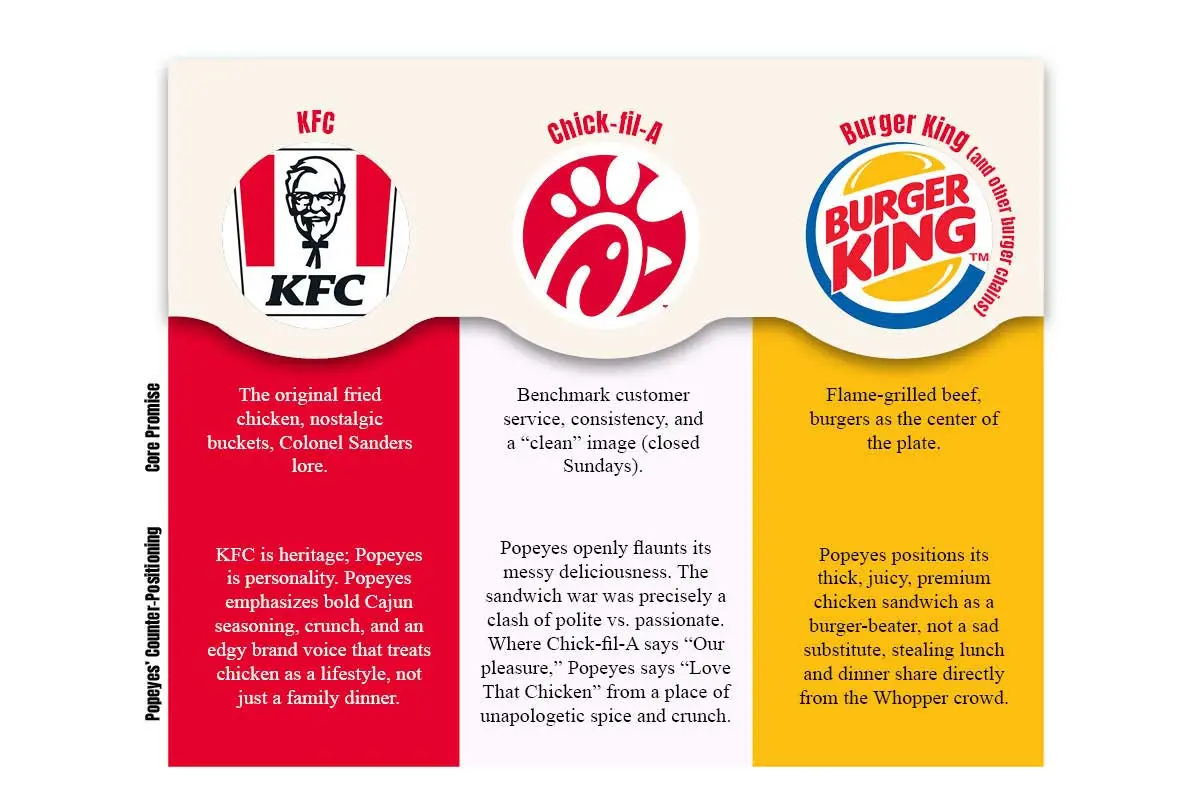
The quick-service chicken arena is no longer just about buckets and biscuits. Popeyes exists in a triangle of giants, each with a clear playbook.
| Competitor | Core Promise | Popeyes’ Counter-Positioning |
| KFC | The original fried chicken, nostalgic buckets, Colonel Sanders lore. | KFC is heritage; Popeyes is personality. Popeyes emphasizes bold Cajun seasoning, crunch, and an edgy brand voice that treats chicken as a lifestyle, not just a family dinner. |
| Chick-fil-A | Benchmark customer service, consistency, and a “clean” image (closed Sundays). | Popeyes openly flaunts its messy deliciousness. The sandwich war was precisely a clash of polite vs. passionate. Where Chick-fil-A says “Our pleasure,” Popeyes says “Love That Chicken” from a place of unapologetic spice and crunch. |
| Burger King (and other burger chains) | Flame-grilled beef, burgers as the center of the plate. | Popeyes positions its thick, juicy, premium chicken sandwich as a burger-beater, not a sad substitute, stealing lunch and dinner share directly from the Whopper crowd. |
Popeyes doesn’t try to beat competitors at their own game. It leans hard into being the loud, proud, Louisiana-flavored rebel, and in a market of sanitized sameness, that distinct voice is its sharpest weapon.
Read More: How the Marketing Strategy of Drunk Elephant Is Rebuilding the Brand?
SWOT Analysis: Inside Popeyes Chicken’s Recipe for Success
A clear-eyed look at the brand’s internal landscape reveals why it can sustain heat.
Strengths
- Distinctive Culinary Identity: Louisiana-born Cajun flavors, hand-battered chicken, and signature sides (red beans and rice, buttermilk biscuits) create a moat no competitor can easily replicate.
- Cult-Like Fan Base: From the “Love That Chicken” jingle to the sandwich frenzy, Popeyes inspires irrational loyalty. Customers talk about it like a secret society.
- Menu Innovation Agility: The sandwich proved Popeyes can pivot from bone-in staples to handheld blockbusters. Seasonal items (Strawberry Biscuits, Ghost Pepper Wings) keep the menu fresh.
- Powerful Parentage: RBI’s infrastructure provides capital, supply-chain scale, and international expansion muscle.
Weaknesses
- Operational Inconsistency: Many franchise locations still struggle with long wait times, order accuracy, and cleanliness gaps that the sandwich war painfully exposed.
- Franchisee Friction: Rapid menu changes and kitchen overhauls have caused tension with operators, some of whom felt unprepared for the sandwich’s explosive demand.
- Limited Breakfast & Health Options: Unlike KFC or Chick-fil-A, Popeyes has a negligible breakfast presence and offers few lower-calorie items, potentially limiting daypart and demographic reach.
Opportunities
- Global Expansion: While KFC has saturated international markets, Popeyes is only scratching the surface in places like Europe and Asia, where “Louisiana spicy” has exotic appeal.
- Digital & Delivery Optimization: Improving the app, loyalty programs, and third-party delivery integration can raise ticket sizes and capture data-rich Gen Z consumers.
- Daypart Diversification: Launching a Cajun-inspired breakfast menu could unlock a completely new revenue stream.
Threats
- Savage Competitive Pressure: Chick-fil-A’s cult service, KFC’s buckets, and rising chicken chains like Dave’s Hot Chicken are all eyeing the same indulgent occasion.
- Health and Wellness Trends: If fried indulgence falls further out of favor, the core menu could face headwinds.
- Commodity Volatility: Fluctuating poultry, oil, and labor costs squeeze margins, especially in a franchise model.
Market Strategy: Unpacking Popeyes’ Four-Pillar Playbook
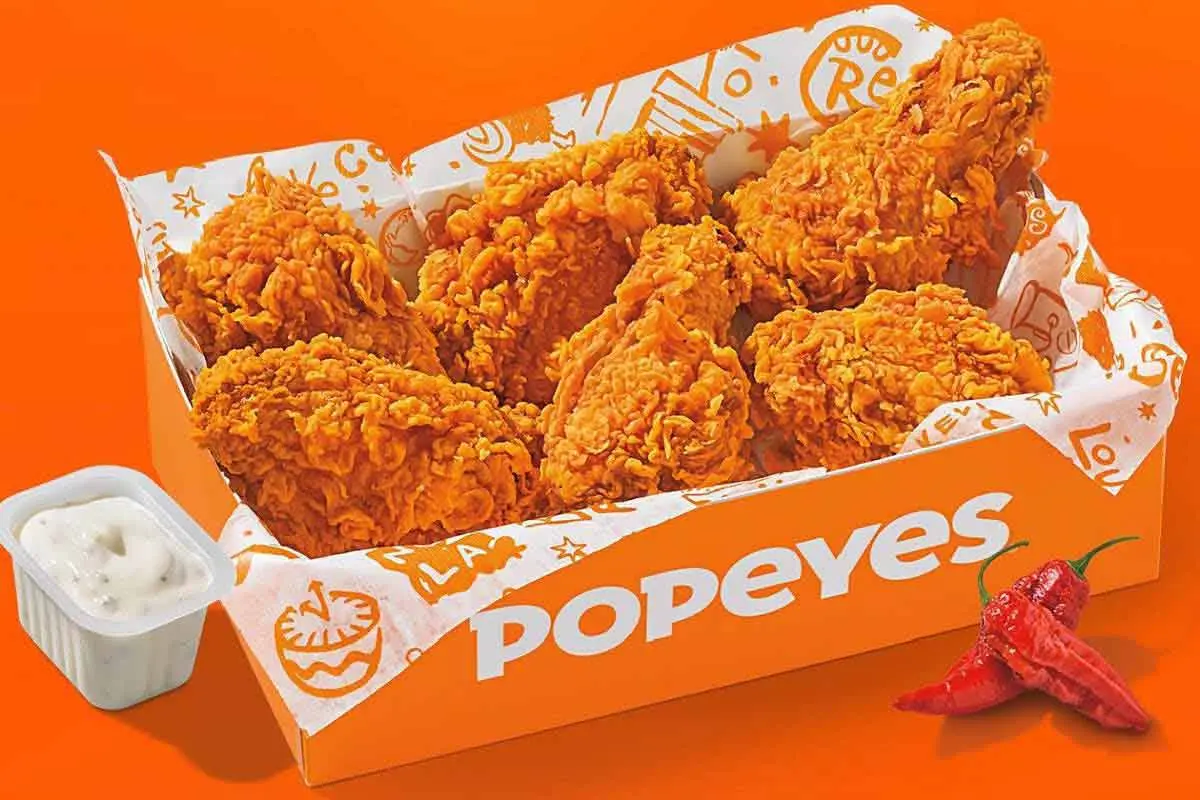
Popeyes Chicken didn’t just stumble into virality; the brand had been retooling its marketing engine for years. Four strategic pillars stand out.
1. Cultural Resonance Over Slogans
From “Love That Chicken” to the Megan Thee Stallion collab, Popeyes invests in cultural moments rather than jingles alone. The brand’s social media voice sarcastic, self-aware, and unafraid to throw shade mirrors how its young, diverse audience actually talks. During the sandwich wars, that voice became a character the internet could root for. Human touch: It feels less like a corporation tweeting and more like your funny cousin who really, really loves fried chicken.
2. Product Obsession (and the Courage to Go All-In)
Popeyes treats the chicken sandwich not as a menu extension but as a product redesign. The brioche bun, the thick pickle, the proprietary batter — nothing was compromised. When demand overwhelmed supply, the brand didn’t panic-apologize; it halted sales, rebuilt the kitchen workflow, and relaunched with a “She’s Back” campaign. That kind of product reverence builds trust and anticipation.
3. Digital Acceleration and Operational Recovery
Post-war, Popeyes aggressively pushed mobile ordering and delivery integrations. The app now offers exclusive deals, gamified rewards, and early access to new drops, smoothing out the in-store chaos. Internal investments in kitchen displays and order-ahead pickup lanes turned a vulnerability into a loyalty driver.
4. Limited-Edition Hype and the “Drop” Culture
Popeyes adopted sneaker-style scarcity. Collaborations like Megan’s Hottie Sauce, Strawberry Biscuits, and Ghost Pepper Wings are launched in short windows with heavy digital fanfare. Each drop sends fans scrambling, creates organic unboxing-style content, and keeps the menu eternally scroll-stopping.
Read More: Stripe Payment: How Stripe Changed Online Payments Worldwide
Closing Note
Popeyes Chicken’s story is a masterclass in turning distinction into dominance. In a world where KFC’s 11 herbs and spices feel institutional and burger giants treat chicken as an afterthought, Popeyes built an emotional bridge between Louisiana kitchens and mainstream culture, then blew it up with a sandwich.
The brand’s journey reminds us that genuine differentiation, paired with the courage to speak in a human voice (and occasionally spar with competitors on Twitter), can carve space even next to industry titans. The question now is not whether Popeyes can sustain the heat, but how long it can keep the world hungry for its next move. If the strategy stays as crisp as that battered filet, the kingdom of Popeyes Chicken may just be getting started.