
Driven by rapid advancements in energy efficiency and smart technology, current HVAC industry trends signal a major shift in climate control. Homeowners and businesses increasingly demand sustainable systems that maintain optimal comfort without compromising the environment. Furthermore, as daily schedules intensify, consumers require effortless, automated convenience to manage their heating, ventilation, and air conditioning.
New developments have made HVAC systems smarter and more efficient. With smart technology, users can control their systems remotely, giving them more control over indoor climates. Looking ahead, it’s clear the HVAC industry will change how we think about our living and working spaces.
Smart Technology
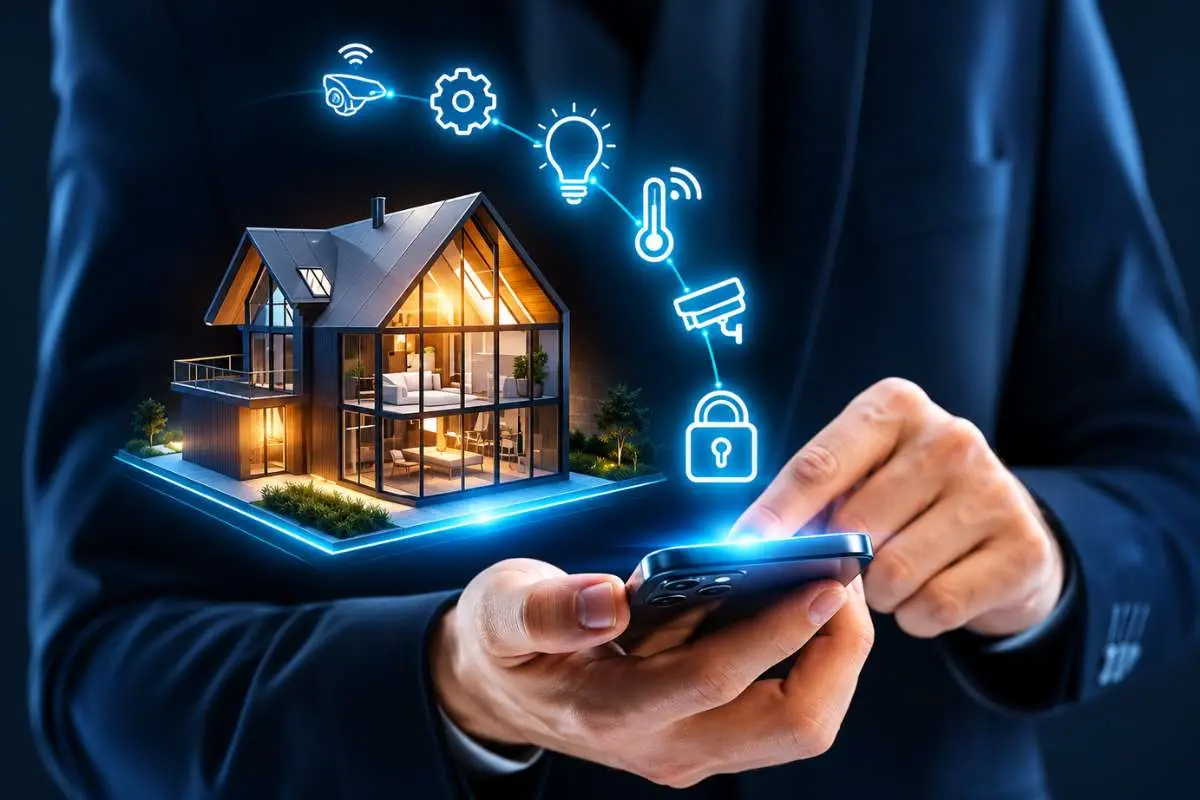
Smart technology in HVAC systems is a major improvement. Users are no longer stuck with manual thermostats. Today’s smart thermostats learn preferences and automatically adjust heating and cooling. This not only increases comfort but also saves energy, which lowers utility bills. Wi-Fi connectivity lets users monitor and adjust settings through phone apps, so they can manage their indoor climate from anywhere.
Smart technology also helps with maintenance. Sensors in HVAC units can find problems before they become serious and alert users and technicians. This not only extends the system’s life but also keeps it running efficiently. With AI-driven solutions, future systems will adjust their operations based on real-time weather and user habits, making them even smarter.
Repair Services
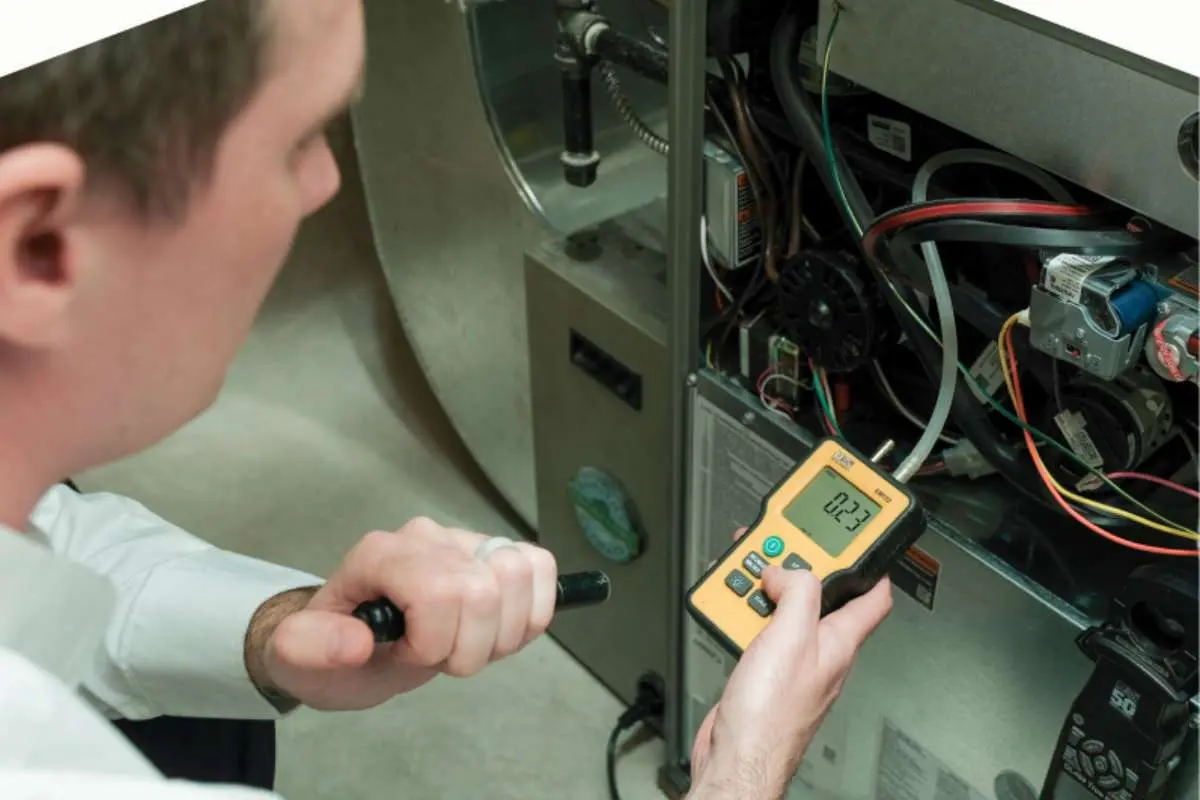
Furnace repair Winnipeg is important for keeping homes comfortable and safe. As furnace systems get more complex, skilled technicians become essential. When a furnace needs repairs, homeowners can think about upgrades that improve efficiency and reliability.
A working furnace keeps homes warm during cold months and helps save on energy costs. Trained technicians use diagnostic tools to find problems and fix them, ensuring the furnace operates properly. Whether it’s changing a filter or making a bigger repair, these services help extend the furnace’s life and prevent future breakdowns. Regular maintenance can save money in the long run and keep the home comfortable.
Eco-Friendly Solutions
As climate concerns escalate, current HVAC industry trends dictate a rapid shift toward sustainable solutions. Manufacturers are engineering highly efficient systems that dramatically lower carbon footprints and meet strict environmental standards. For instance, geothermal heating and cooling technology now leverages the earth’s stable temperatures to maximize energy savings.
Manufacturers are also adopting refrigerants with a lower impact on global warming, making HVAC units more eco-friendly. These changes not only protect the environment but also attract consumers who prioritize green practices. This trend shows the HVAC industry is becoming a key player in promoting global sustainability.
Increased Customization
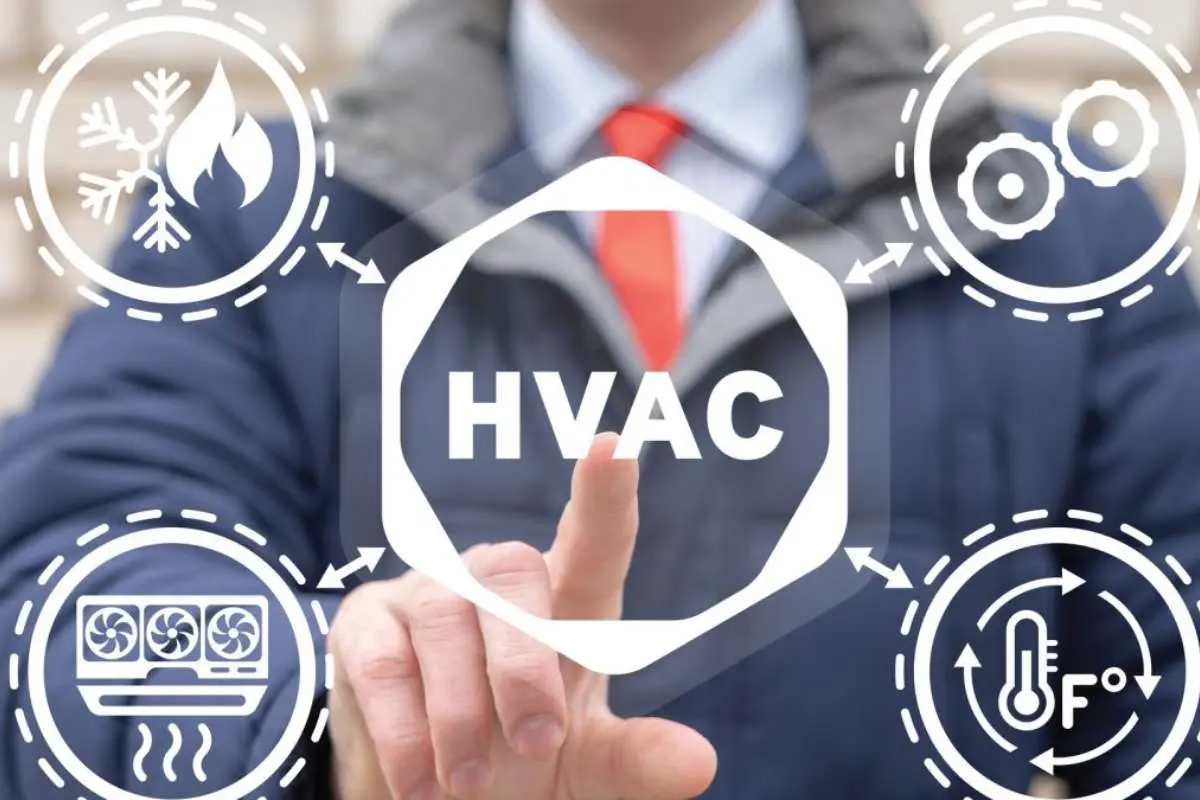
Demand for customizable HVAC solutions is growing. Homeowners are more aware of their specific needs, leading manufacturers to offer systems that can be adjusted to fit individual preferences. Whether it’s setting different temperatures in various rooms or choosing specific parts for different types of homes, the goal is to create tailored solutions.
This customization helps users use energy more effectively based on their daily routines. For example, families who stay at home can set unique temperatures for each room to improve comfort and efficiency.
Sustainability Initiatives
The HVAC industry is increasingly focused on sustainability. Building codes now prioritize energy-efficient systems, and incentives are available for upgrading to greener technologies. Consumers benefit from lower energy bills and financial assistance for upgrades.
More consumers are looking for information about how HVAC systems work and their impact on both finances and the environment. This focus on sustainability presents challenges and opportunities for HVAC companies to innovate and meet growing expectations.
Current HVAC industry trends point directly toward smart technology, eco-friendly options, and highly customizable systems that fit exact user needs. This shift does more than just improve how we manage our living spaces; it actively supports broader environmental goals. By embracing these advancements, HVAC professionals can lead the way in creating comfortable homes while positively impacting the planet. Ultimately, staying informed and adaptable ensures both businesses and homeowners maximize the return on future developments.