In modern manufacturing, competitive advantage rarely comes from doing the ordinary faster; it comes from deploying custom polymer solutions that outlast and outperform the market. When product designers hit roadblocks with off-the-shelf components, operational efficiency often stalls. Enterprise leaders increasingly recognize these tailored materials as the key to unlocking seamless product assembly and long-term durability.
Companies looking to optimize their production pipelines often turn to specialists like Primo to design high-performance polymer profiles that integrate seamlessly into complex industrial frameworks.
The Shift Toward Tailored Material Engineering
For decades, industrial design relied heavily on traditional metals and rigid woods, accepting their weight and corrosion limitations as industry standards. Today, advancements in material science have shifted that paradigm entirely.
Advanced thermoplastics offer a compelling mix of lightweight resilience, thermal insulation, and chemical resistance, but raw material alone is rarely enough. The true value emerges through custom polymer solutions that transform raw pellets into intricate, multi-functional extruded shapes serving as seals, channels, or structural frames. By utilizing these tailored profiles, businesses eliminate secondary assembly steps, directly trimming labor costs and structural weight from the final product.
Strategic Advantages of Precision Extrusion
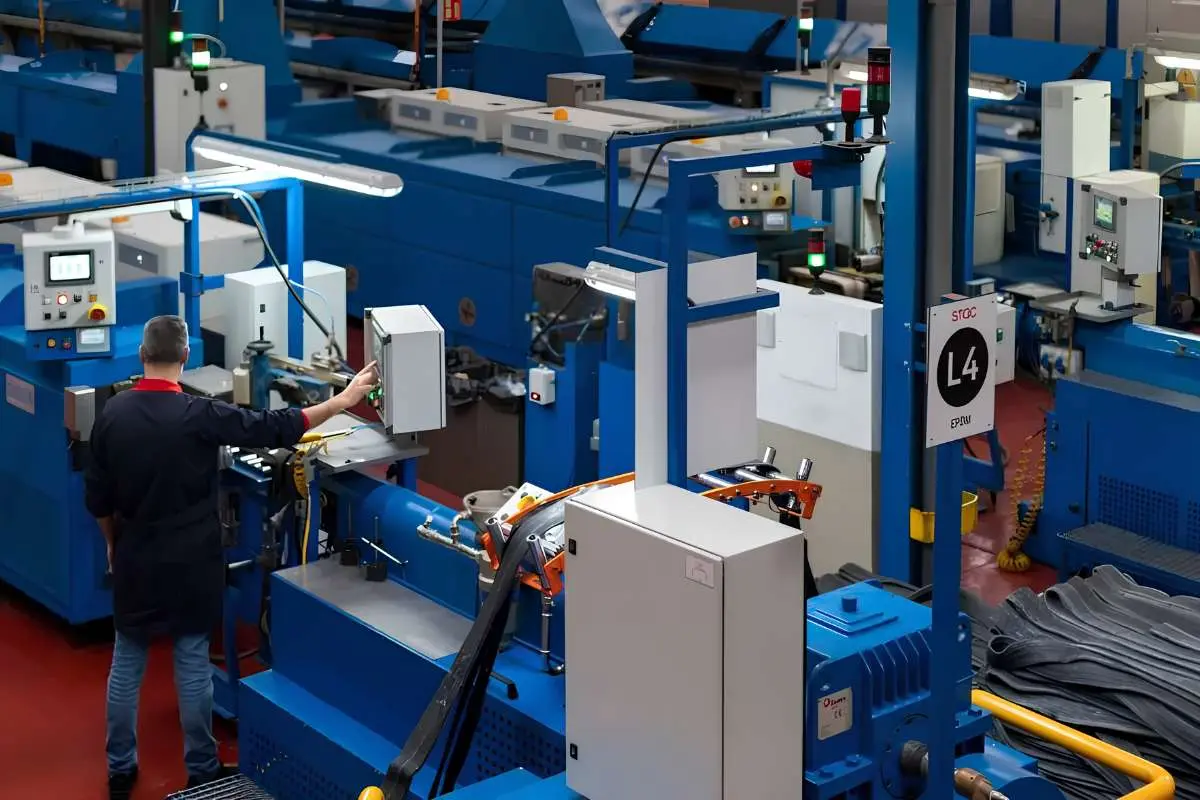
Integrating custom components directly impacts a company’s bottom line by streamlining operational workflows. When a single extruded part can perform multiple functions such as acting as a rigid mounting base while maintaining a flexible sealing edge the entire assembly process becomes faster and less prone to human error.
- Supply Chain Efficiency: Working with an experienced manufacturing partner reduces component failure rates and minimizes costly production line downtime.
- Design Flexibility: Tailored profiles allow engineers to innovate freely without being constrained by the rigid limitations of standard catalog parts.
- Sustainability and Waste Reduction: Modern extrusion techniques optimize raw material usage, ensuring minimal scrap during production.
Organizations such as the Industrial Designers Society of America frequently highlight how material selection and precision prototyping drive the success of modern product ecosystems, bridging the gap between bold design concepts and scalable manufacturing.
Building Resilience Through Smart Partnerships
Navigating the complexities of global supply chains requires more than just cost-cutting; it demands technical reliability. By engineering custom polymer solutions, Primo has earned its standing in the industrial sector, working closely with enterprises from the initial CAD blueprint stage through to high-volume production.
By maintaining strict quality controls and embracing innovative extrusion techniques, the brand helps businesses future-proof their hardware offerings. Ultimately, investing in precision-engineered components is an investment in product longevity, transforming basic materials into the backbone of tomorrow’s industrial success.