Choosing paving materials can be one of the more enjoyable parts of an outdoor improvement project. Homeowners get to think about color, texture, pattern, durability, and how the finished driveway, walkway, or patio will complement the property. However, even premium materials cannot perform at their best if the installation is rushed or poorly planned which is exactly why hiring experienced paving contractors makes all the difference.
That is why working with an experienced crew, such as J. Fragale & Sons Paving, can make such a meaningful difference. Skilled workers understand what needs to happen beneath the finished surface, how to deal with changing ground conditions, and how to complete each stage accurately so the investment has a better chance of looking good and lasting well.
The Base Does More Work Than Most People Realize
A finished driveway or patio may look simple from above, but much of its strength comes from the layers underneath. The soil needs to be evaluated, excavated to the correct depth, and prepared so it can support the weight and movement the surface will experience.
Experienced paving workers know that a weak base can lead to sinking, cracking, rutting, and uneven areas. They pay attention to the type of soil, moisture levels, intended use, and local conditions before deciding how the foundation should be built. Good materials placed over an unstable base are still vulnerable. Proper preparation gives the finished surface the support it needs from day one.
Compaction Has to Be Done Correctly
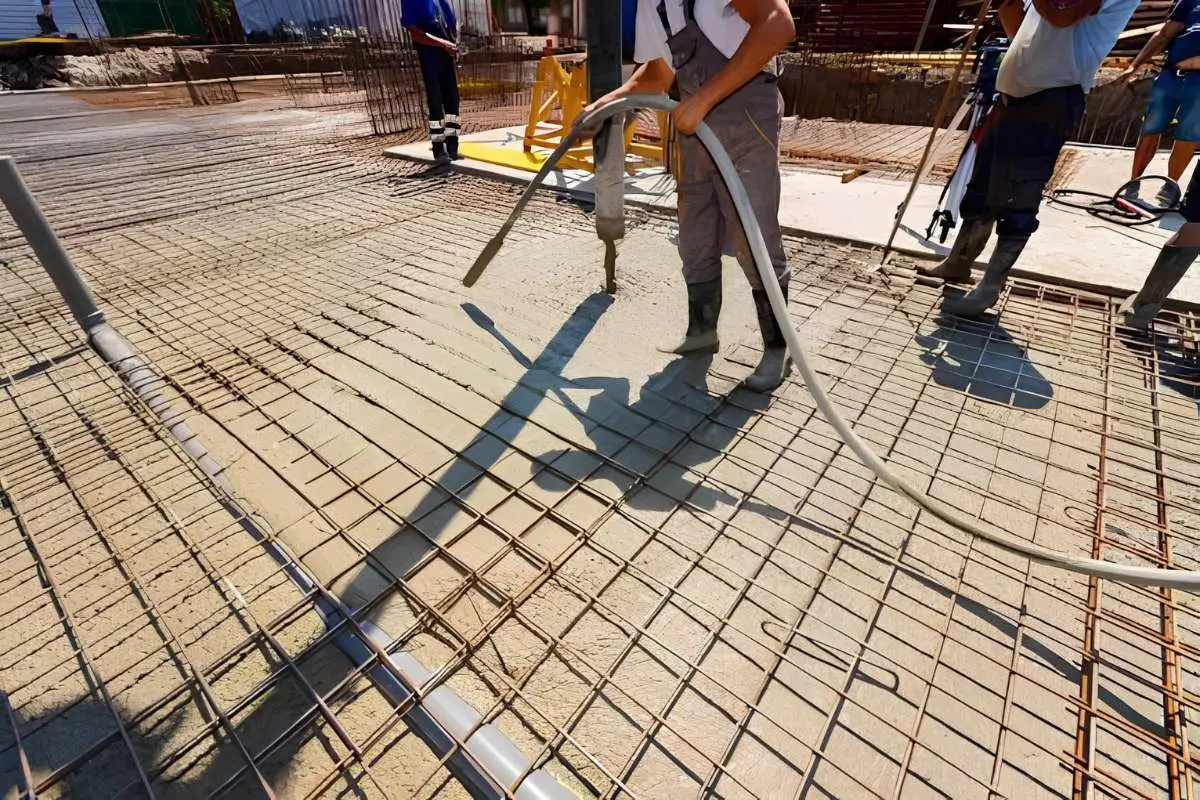
Compaction is one of those steps that is easy to overlook because it is mostly invisible once the project is complete. Yet it plays a major role in how well paving performs over time.
Base materials need to be compacted evenly and in suitable layers. If sections are left loose, those areas can settle later and create low spots. Skilled crews use the right equipment and know when additional passes are needed. They also understand that overcompaction or working with unsuitable moisture conditions can create its own problems. Experience helps workers read the site instead of treating every project exactly the same.
Drainage Should Be Planned Before the Surface Goes Down
Water can shorten the life of a paved area faster than many homeowners expect. Poor grading may allow water to collect on the surface, flow toward a garage, or seep into the base where it can weaken support over time.
Experienced workers think about drainage from the beginning. They look at existing slopes, nearby structures, landscaping, and where runoff naturally wants to travel. The finished paving needs enough pitch to move water in the right direction without creating an uncomfortable or awkward surface. Getting that balance right takes more than following a general formula. It requires careful measurements and practical judgment on site.
Different Materials Need Different Skills
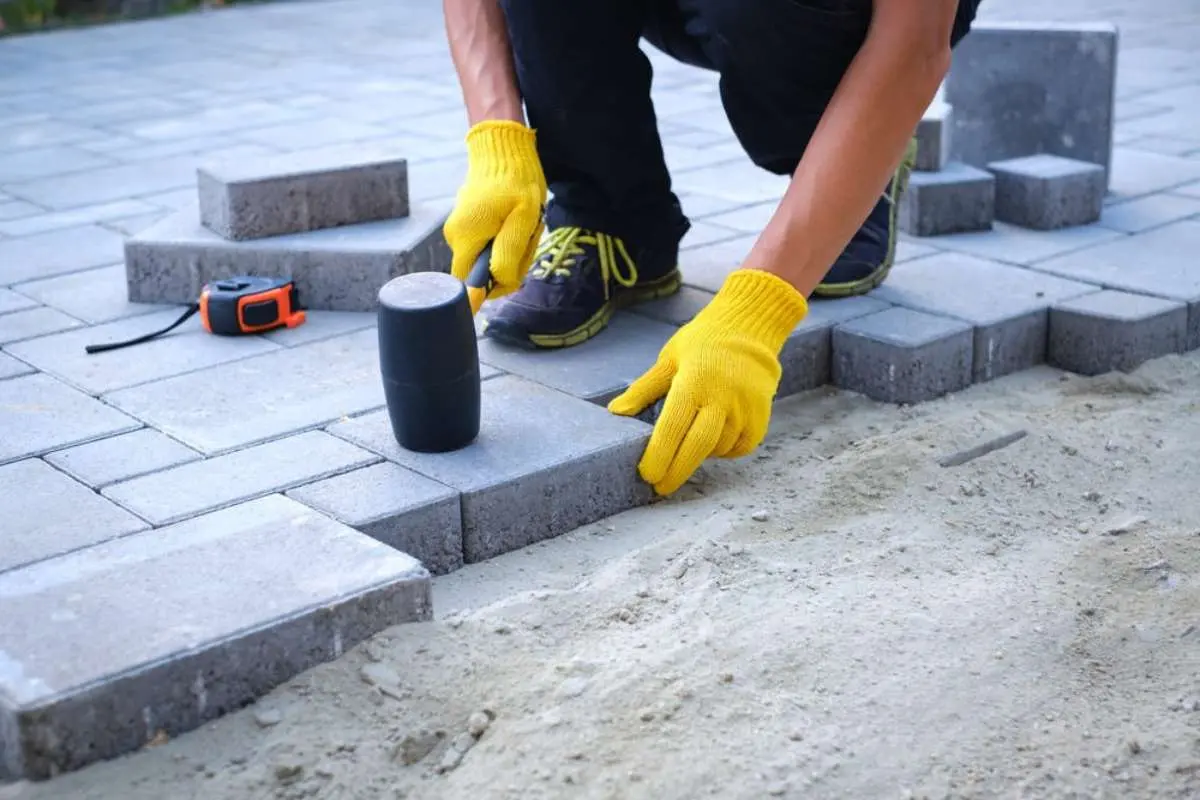
Asphalt, concrete, natural stone, and interlocking pavers all behave differently during installation. Each material has its own requirements for preparation, placement, joints, compaction, temperature, and finishing.
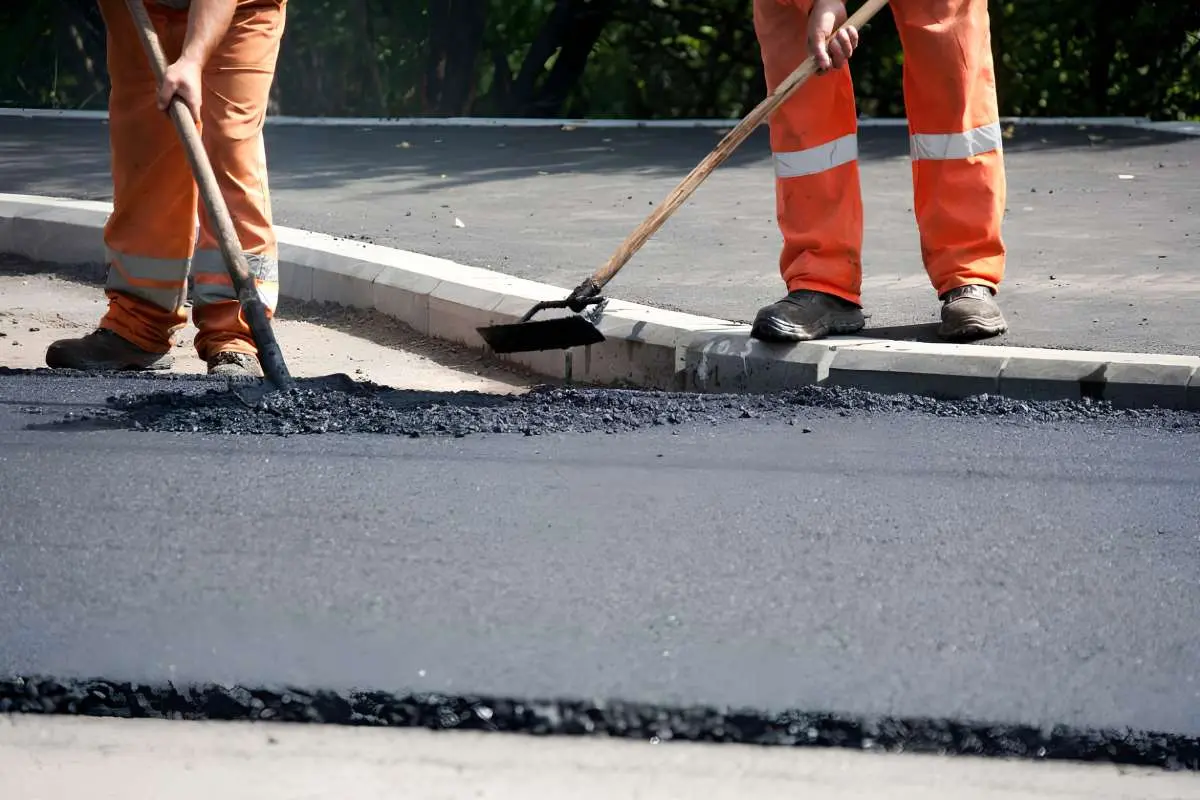
A crew familiar with the material being used is more likely to recognize problems before they become permanent. Asphalt needs proper timing and compaction while it is workable. Pavers require consistent bedding, careful alignment, and stable edge restraints. Stone may vary in thickness and shape, which means more attention is needed to produce an even walking surface.
Experience helps make those details look effortless, even though a lot of judgment is happening behind the scenes.
Edges and Transitions Matter More Than They Seem
The center of a driveway or patio usually gets plenty of attention, but edges are often where workmanship is truly judged. Experienced paving contractors know that poorly supported borders can quickly spread, shift, or crumble. Without this level of expertise, awkward transitions between paving and sidewalks, garage floors, steps, or lawns will make an otherwise attractive project feel completely unfinished.
Skilled workers plan these areas carefully. They know how to support edges, create smooth transitions, and make cuts look deliberate rather than improvised. These details improve both appearance and performance. They also help the finished surface feel naturally connected to the rest of the property rather than looking like something that was simply placed on top of the landscape.
Experienced Crews Adapt When the Ground Is Not Perfect
Few projects go exactly as expected once excavation begins. Workers may find soft soil, old fill, roots, buried debris, drainage issues, or previous construction that was never visible from the surface.
This is where experience becomes especially valuable. An experienced crew can recognize when conditions are not suitable for continuing as planned and make adjustments before the problem is covered up. That may mean removing more material, changing the base depth, improving drainage, or addressing an unstable section.
A less experienced approach may focus on finishing quickly. A better approach focuses on making sure the surface has what it needs to perform well after the equipment has left.
Good Workmanship Improves Appearance Too

Durability matters, but homeowners also want the finished project to look right. Straight lines, even elevations, consistent joints, clean cuts, and balanced patterns all contribute to a polished result.
Experienced crews tend to notice small visual details because they have seen how much those details affect the overall impression. A driveway that meets the garage unevenly or a patio with wandering joint lines can look disappointing even when the materials themselves are attractive.
Careful workmanship helps the surface feel intentional. It can also make the surrounding landscaping, exterior finishes, and entry areas look more finished because the paving creates a clean visual foundation.
Protecting the Investment Means Thinking Beyond Installation Day
A paving project should never be judged solely by how it looks on the afternoon the work is completed. Experienced paving contractors know the true test is how that surface performs after rain, seasonal temperature changes, heavy vehicle and foot traffic, and years of everyday use.
Experienced workers build with that future in mind. They understand that proper excavation, base preparation, drainage, compaction, placement, and finishing all work together. Cutting corners in one area can reduce the value of everything else.
For homeowners, choosing skilled workers is a way of protecting the money already being spent on quality materials. A carefully installed surface is more likely to remain attractive, functional, and comfortable to use without developing avoidable problems early. When workmanship receives the same attention as material selection, the finished project has a much stronger chance of becoming a lasting part of the property rather than an improvement that soon needs to be corrected.