A home décor piece is rarely just another object. A pattern on a wall, fabric on a chair, or design on a cushion can reflect someone’s personality, memories, and idea of home. That makes customization more than a product feature; it becomes part of creating a space that feels personal. Spoonflower built its business around making that possible.
The story began with a similar problem. Stephen Fraser’s wife, a crafty hobbyist, was frustrated by the limited fabric choices available for her projects. Fraser and Gart Davis saw an opportunity: what if people could create, print, and sell their own fabric designs instead of settling for what was already available? Founded in 2008, Spoonflower turned that idea into a digital platform connecting independent artists, customers, and print-on-demand production.
There is a peculiar problem with selling something as personal as design: once it is produced for everyone, it can become less personal. The company found a way around that by separating creativity from mass production. Designs could remain digital until someone wanted to turn them into fabric, wallpaper, or home décor, while artists could make their work available without producing or storing finished products.
That became the foundation of its business model: a creator marketplace connected to print-on-demand manufacturing and personalized home décor. What began as a response to limited choice became a much larger commercial proposition and one that Shutterfly valued at approximately $225 million when it acquired the company in 2021.
How Spoonflower Makes Money
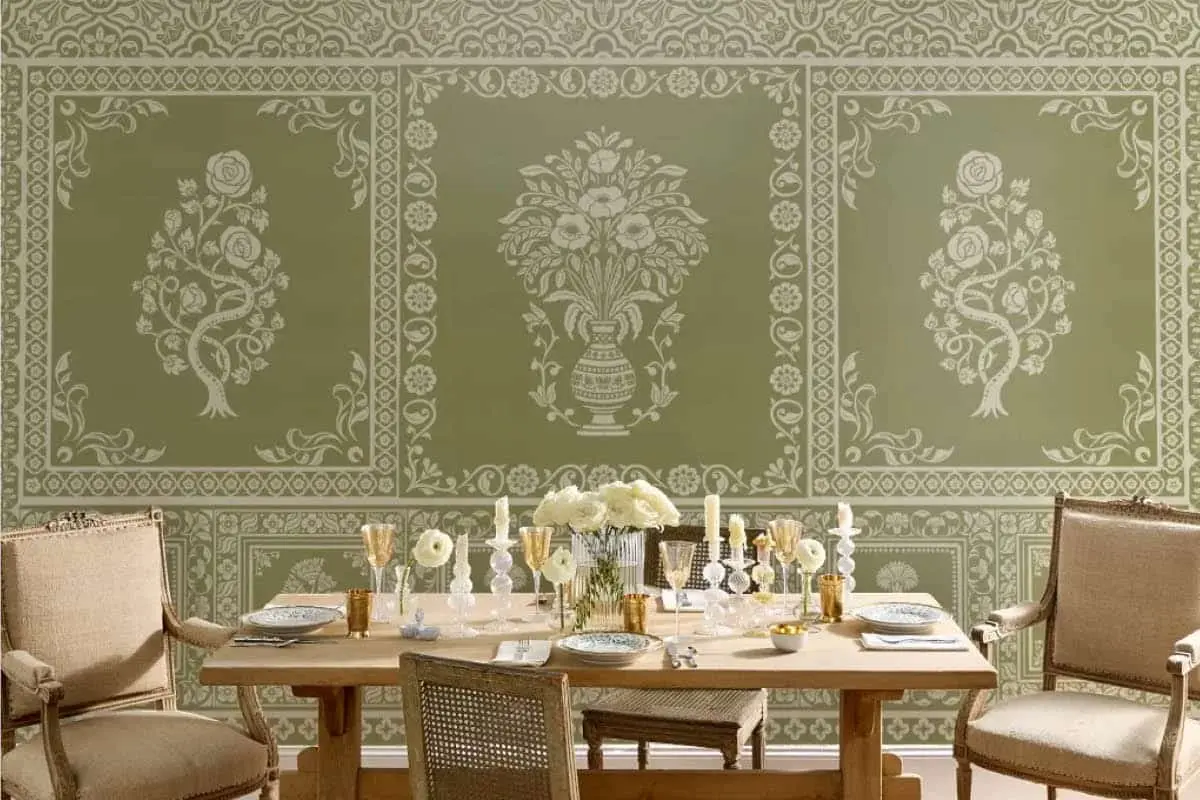
The business model combines print-on-demand production with a designer marketplace. Customers can upload their own designs or choose from independent artists, then have those designs printed on products such as fabric, wallpaper, and home décor. Roostery, launched in 2016, extended the model into made-to-order home goods using the platform’s fabrics.
The marketplace creates another commercial layer. Designers can make their work available without manufacturing or storing finished products, while the company handles production when an order arrives. Its official royalty structure provides a 10% royalty on eligible sales, with higher commission bonuses available at specified monthly sales levels.
The creator side also has its own commercial logic. Ness Nordberg’s 2026 account of building her Spoonflower business shows the commercial side of that community. She describes using consistent uploads, cohesive collections, niche targeting, intentional keywording, SEO, and studying what was selling to develop her shop. Her experience suggests that succeeding on the marketplace involves more than uploading artwork; creators also benefit from understanding how their work is discovered and what drives sales.
The Spoonflower Business Model
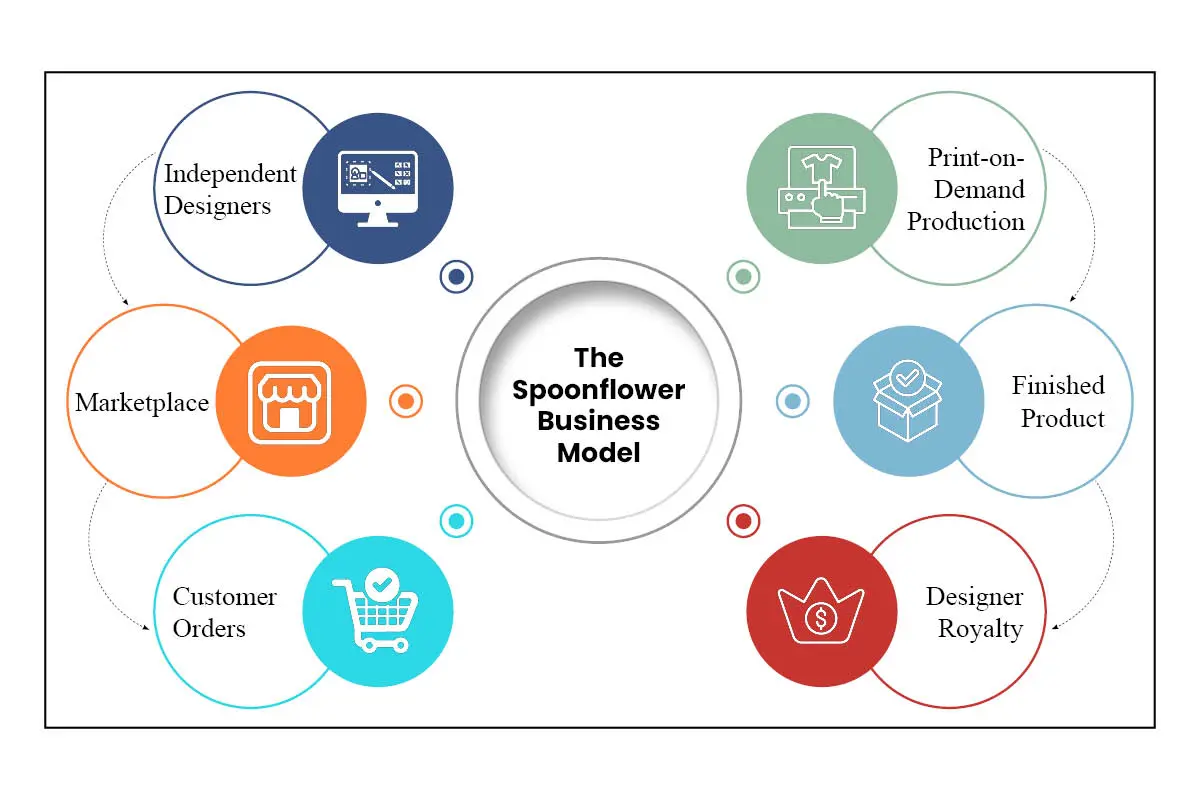
Independent Designers
↓
Marketplace
↓
Customer Orders
↓
Print-on-Demand Production
↓
Finished Product
↓
Designer Royalty
Additional opportunity: Wholesale, bulk orders, and customization
The Marketing Strategy Starts With Community
Design challenges, workshops, events, and creator participation continually add new work to the platform, giving customers more designs to discover while giving artists reasons to remain active. The catalogue therefore grows through participation rather than relying only on products created by the company itself.
That creates a useful marketing loop. New collections become additional entry points for discovery, while successful creators have an incentive to keep adding work. Community participation is therefore closely tied to catalogue growth and customer discovery.
Where Spoonflower Fits in the Market
The business competes across several categories rather than against one identical rival. Contrado and WeaveUp overlap more closely in custom and digital textile printing, while Society6 shares the artist-marketplace dimension. Traditional retailers such as JOANN and Online Fabric Store compete for fabric purchases, while West Elm overlaps more broadly in home décor.
Its distinction comes from bringing three functions together: an independent design marketplace, on-demand production, and a broad range of customizable home products. A conventional fabric retailer primarily sells finished inventory; a standalone artist marketplace may connect creators with buyers without operating the same production model. Here, a digital design can remain digital until a customer decides to turn it into a physical product.
That breadth also lets one design move across categories, from fabric to wallpaper and décor. Customers can approach the platform either with a specific design need or with their own artwork, giving the business more than one route to a transaction.
Where the Business Competes
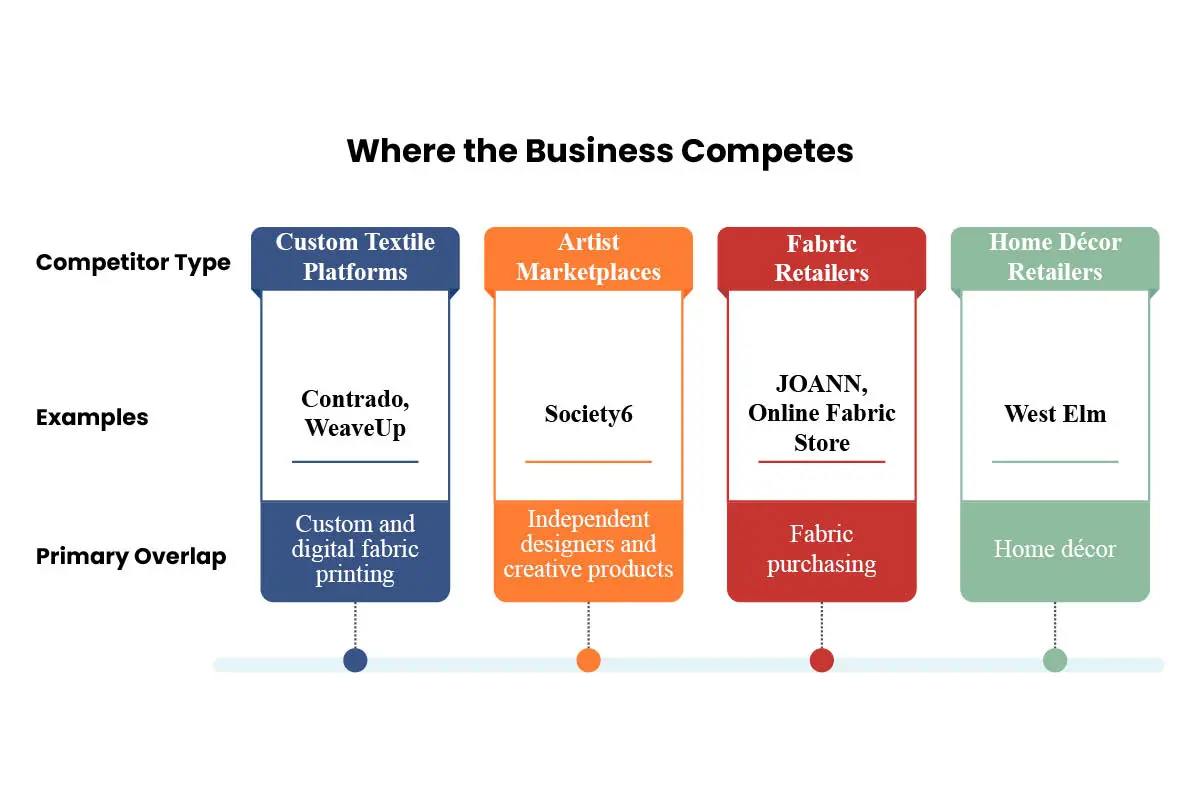
| Competitor Type | Examples | Primary Overlap |
| Custom Textile Platforms | Contrado, WeaveUp | Custom and digital fabric printing |
| Artist Marketplaces | Society6 | Independent designers and creative products |
| Fabric Retailers | JOANN, Online Fabric Store | Fabric purchasing |
| Home Décor Retailers | West Elm | Home décor |
Why Did Shutterfly Buy Spoonflower?
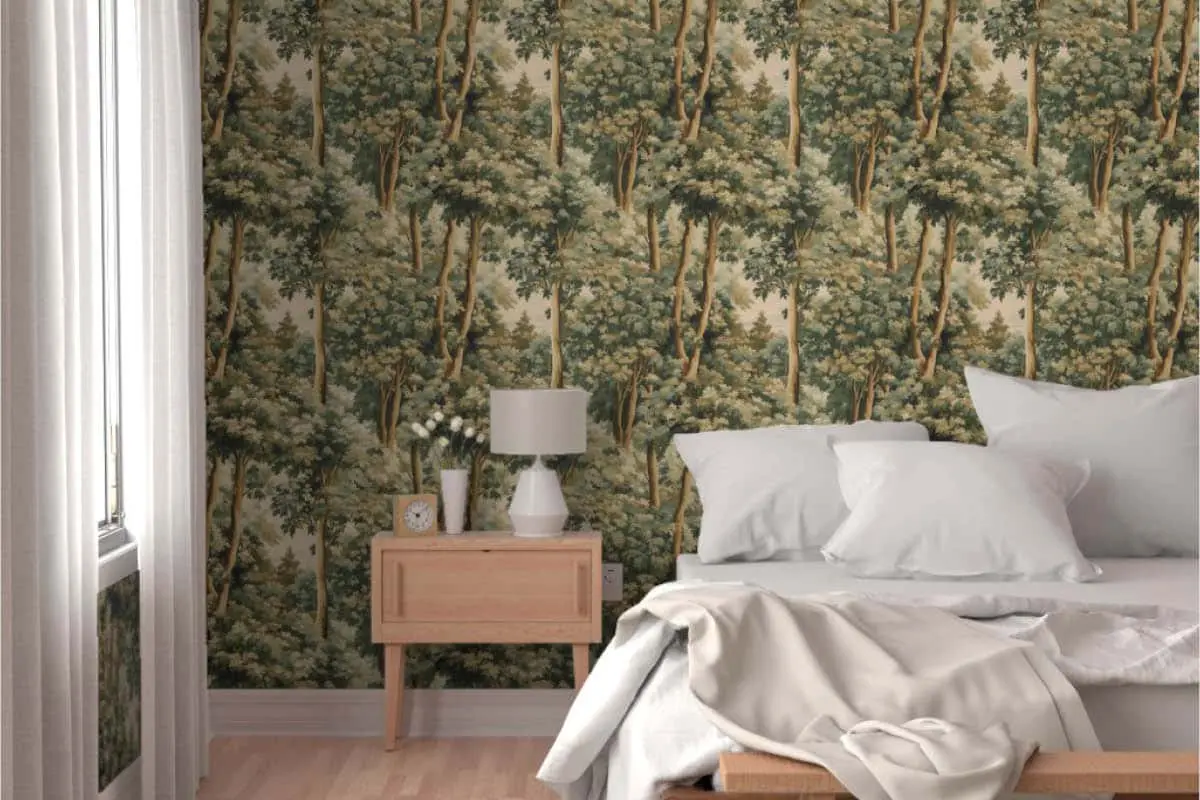
Shutterfly acquired the company in 2021 for approximately $225 million in enterprise value. The deal expanded Shutterfly beyond its traditional personalized products and gave it access to custom fabric, wallpaper, home décor, and an independent artist marketplace.
At the time, Shutterfly had approximately 21 million active users, while the acquired business had more than 3.3 million artists, creators, and businesses and was adding around 4,000 new designs each day. Shutterfly said the combination could connect its customers with independent artists while using its manufacturing capabilities to help creators and small businesses scale.
The strategic logic was therefore broader than adding fabric to a catalogue. One side brought a creative marketplace and design library; the other brought customer reach and manufacturing infrastructure. The combination also opened another form of personalization, where customization could begin with an independent artist’s pattern rather than a customer’s photograph.
What Happened After the Acquisition?
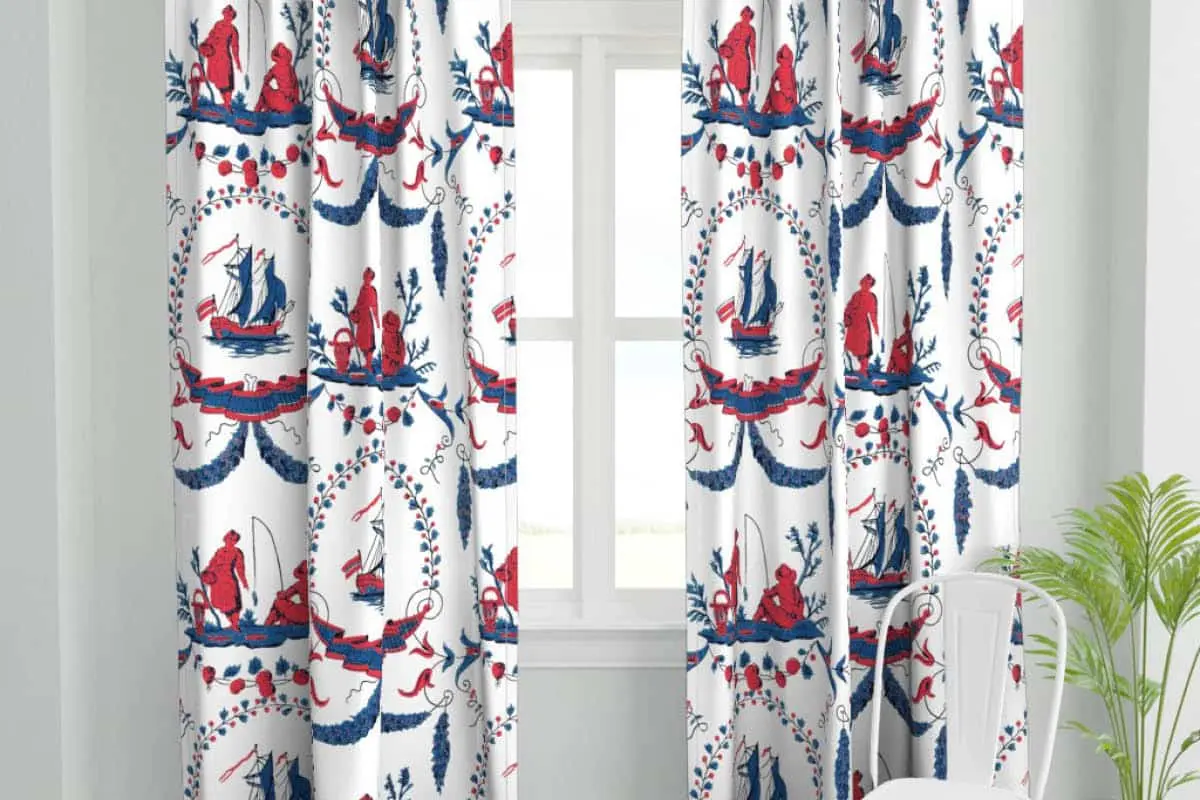
At the time of the deal, the business was expected to retain its distinct brand and team structure, with Michael Jones continuing to lead it and report to Shutterfly’s CEO.
That structure reflected the importance of the creator community, design library, and marketplace to the business’s value. Its connection to Shutterfly also created the possibility of reaching a broader customer and manufacturing network while retaining the identity around which its creative community had developed.
SWOT Analysis: Where the Model Holds and Where It Faces Pressure
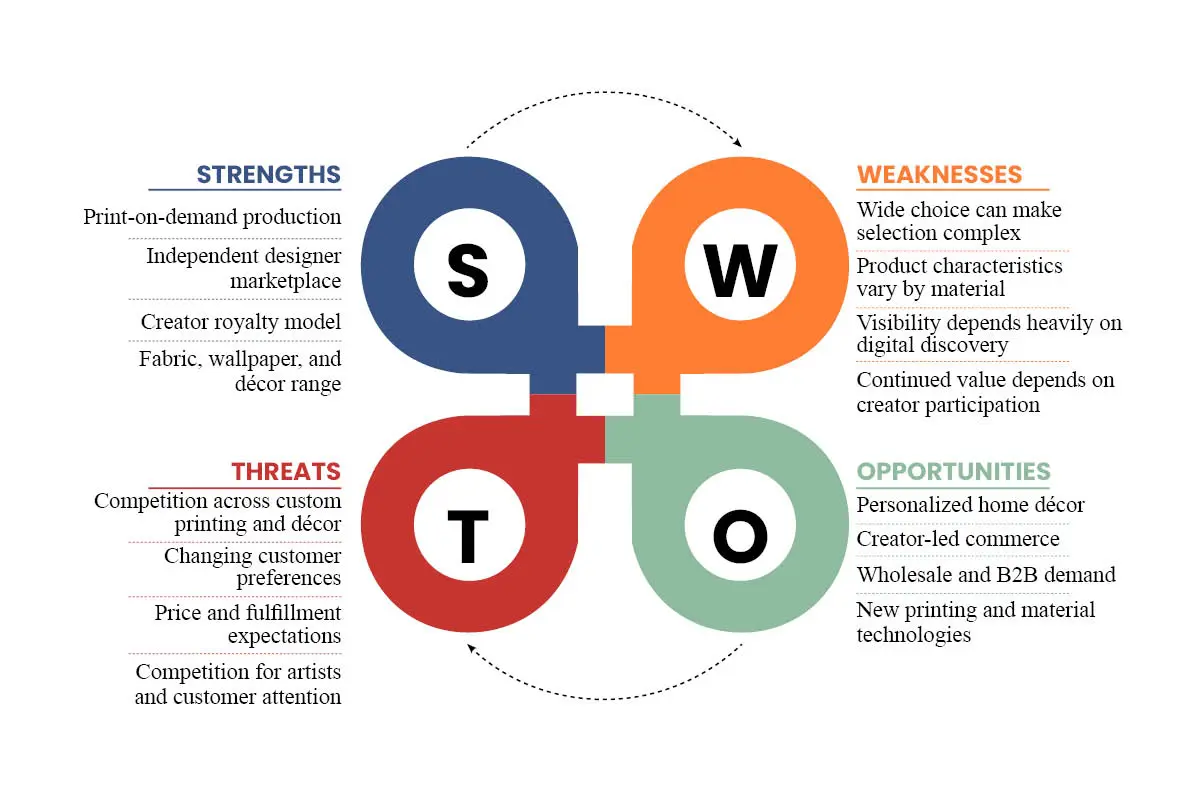
The business model combines creator participation, print-on-demand production, and a broad home décor catalogue, giving it several built-in advantages. At the same time, that breadth creates challenges around discovery, product consistency, competition, and dependence on an active creator ecosystem.
| Strengths | Weaknesses |
| Print-on-demand production | Wide choice can make selection complex |
| Independent designer marketplace | Product characteristics vary by material |
| Creator royalty model | Visibility depends heavily on digital discovery |
| Fabric, wallpaper, and décor range | Continued value depends on creator participation |
| Opportunities | Threats |
| Personalized home décor | Competition across custom printing and décor |
| Creator-led commerce | Changing customer preferences |
| Wholesale and B2B demand | Price and fulfillment expectations |
| New printing and material technologies | Competition for artists and customer attention |
Taken together, the SWOT shows a model built on variety and flexibility, but one that must continually balance creative choice with discoverability, consistency, and competitive pressure.
Fun Facts
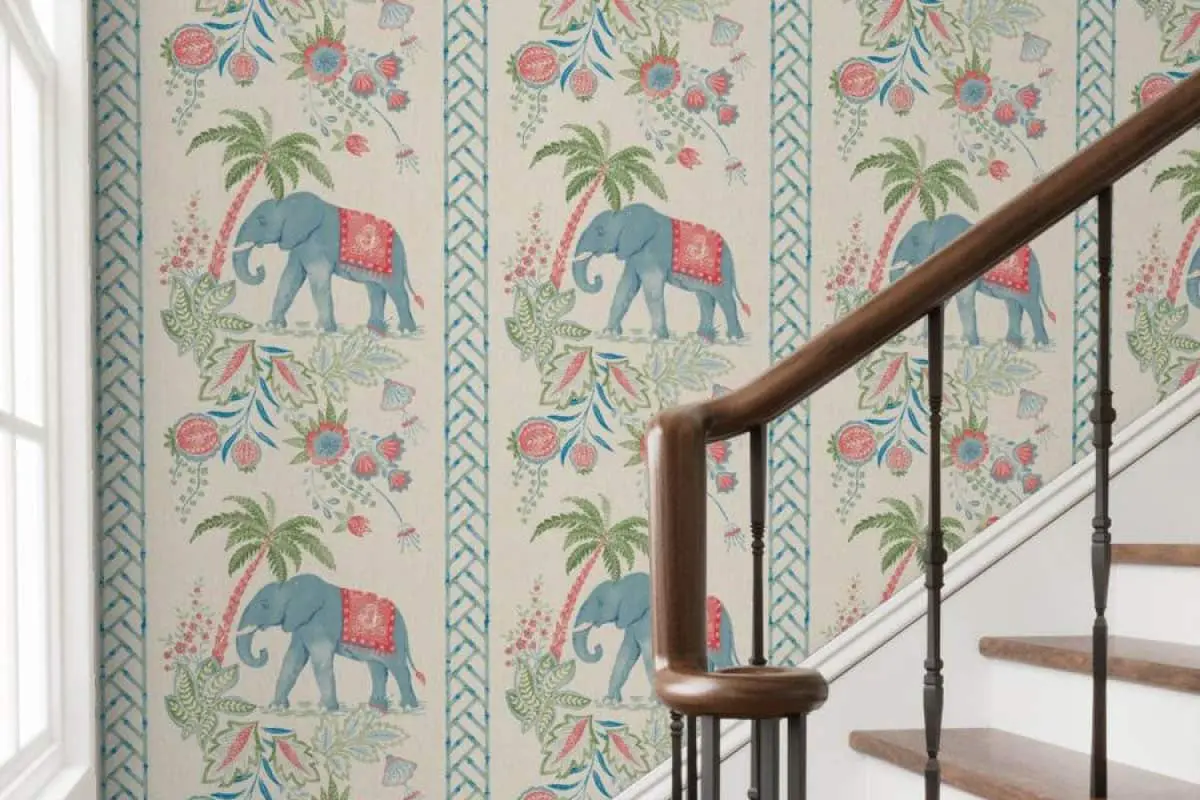
- Three Models, Three Approaches
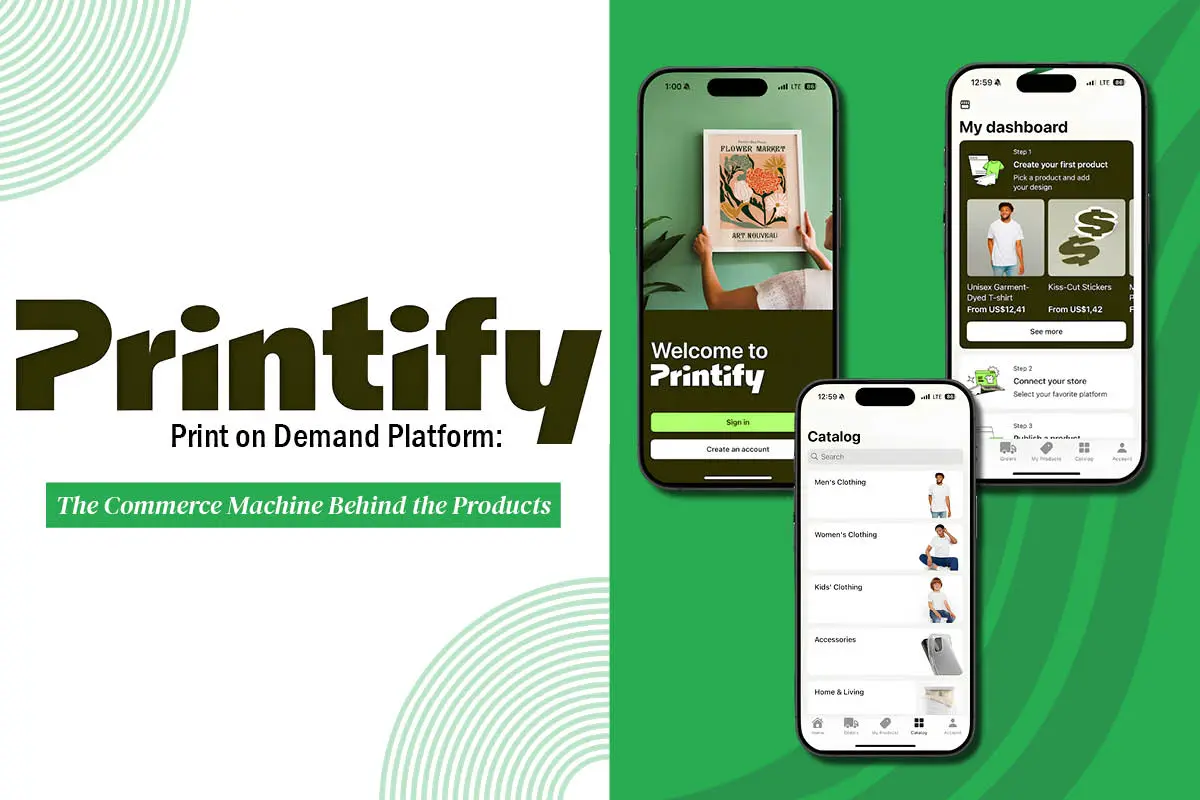
- Printify, Printful, and Spoonflower each approach print-on-demand differently, spanning merchant fulfillment, production networks, creator marketplaces, and customized products.
- A Name With a Creative Twist
- The name “Spoonflower” was inspired by a North American wildflower, giving the brand a playful connection to nature and creativity from the start.
A Designer’s Perspective on the Platform
Tuppence Ha’penny, a long-time designer on the platform, reviewed it. She describes the platform as a leading digital fabric printing platform and highlights its independent artist community. Her review notes more than 25 fabric options and the ability to order samples before larger purchases.
Her experience also points to the practical side of customization. Different fabrics have different textures, weights, stiffness, and uses, while print characteristics can vary according to colour and design detail. Customers therefore gain choice, but material selection remains an important part of the buying process.
The review also describes a workflow in which users can upload designs or select work from other designers, purchase samples, make revisions, and decide whether to sell their designs. That makes the platform more than a conventional catalogue; it also functions as a space for testing and developing creative products.
Conclusion: When Design Becomes the Business
The lasting strength of the model is not simply the ability to print a pattern on fabric or wallpaper. It is the system built around that transaction. Independent creators bring the ideas, customers bring the demand, and print-on-demand production connects the two without requiring every design to become physical inventory.
That model also explains the significance of the Shutterfly acquisition. The value was not limited to another product category. It brought together a large design library, an established creator community, manufacturing capabilities, and access to a much larger customer base. In that sense, the acquisition reflected how customization can become more powerful when creativity, technology, and production operate within the same ecosystem.
What began with a frustration over limited fabric choices ultimately became a different way of thinking about how products are created and sold. Instead of producing first and waiting for someone to buy, the model lets demand pull the design into production. That may be the most important idea behind the business: the product does not have to exist until someone wants it.