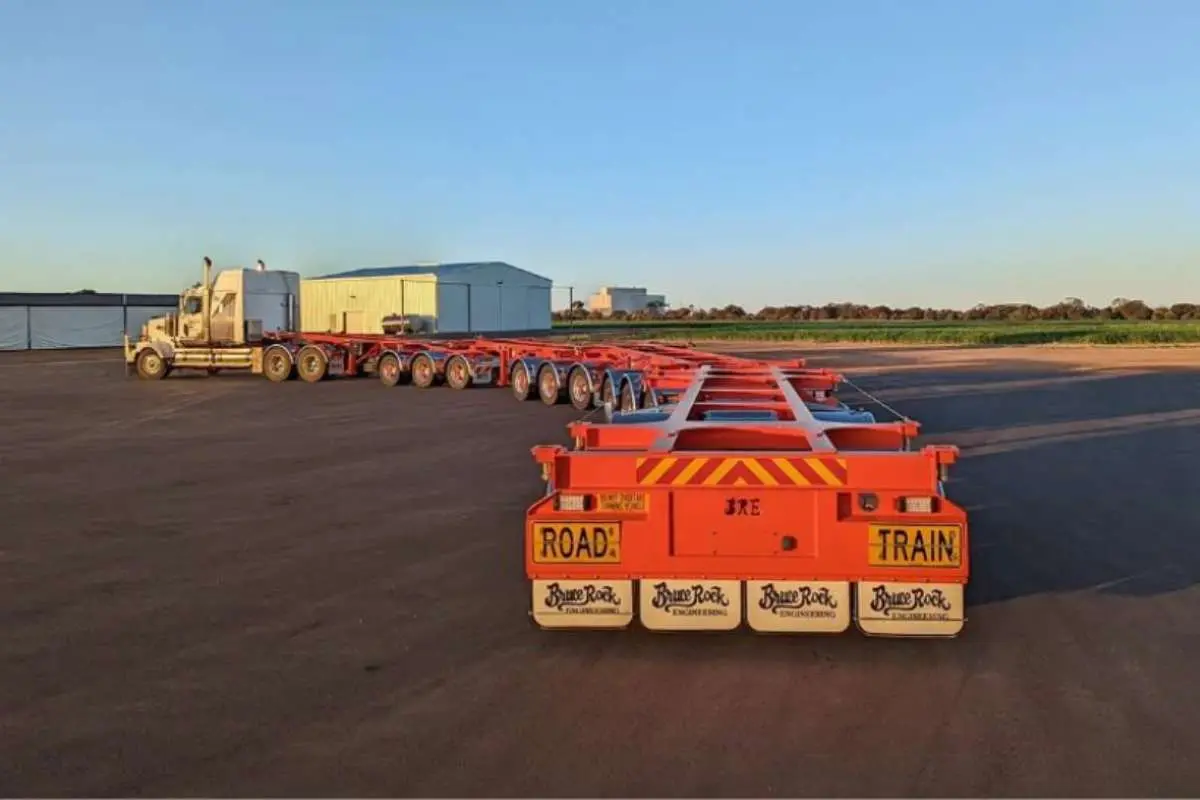
Walk around any container terminal, and you’ll spot dozens of what look like bare steel frames rolling under shipping containers. That’s a skeletal trailer, or skel trailer for short, and it’s one of the more misunderstood pieces of equipment in road transport. Most operators know it by sight long before they understand why it’s built the way it is. Bruce Rock Engineering manufactures a solid line-up of trailers for sale, purpose-built for exactly this job, but understanding the fundamentals first will save you from buying the wrong asset for your freight task.
1. What is a skel trailer?
A skel trailer is essentially a chassis and nothing else. There’s no floor, no sides, no headboard, just a steel frame with twist locks positioned to lock a shipping container into place. The container itself becomes the load-bearing body of the vehicle. This is different from a flat-top or curtainsider, where the trailer deck carries the goods directly and the container, if there is one, just sits on top as cargo.
On a skel, the container is the only thing the trailer is designed to carry. Everything about the frame, the twist lock spacing, the axle positioning, is engineered around standard container dimensions, whether that’s a 20-foot, 40-foot, or 45-foot box. So if you ever wondered why skel trailers look almost skeletal, that’s exactly the point. The design strips away anything that isn’t needed to secure and support a container safely on the road.
2. Why the stripped-down design actually matters
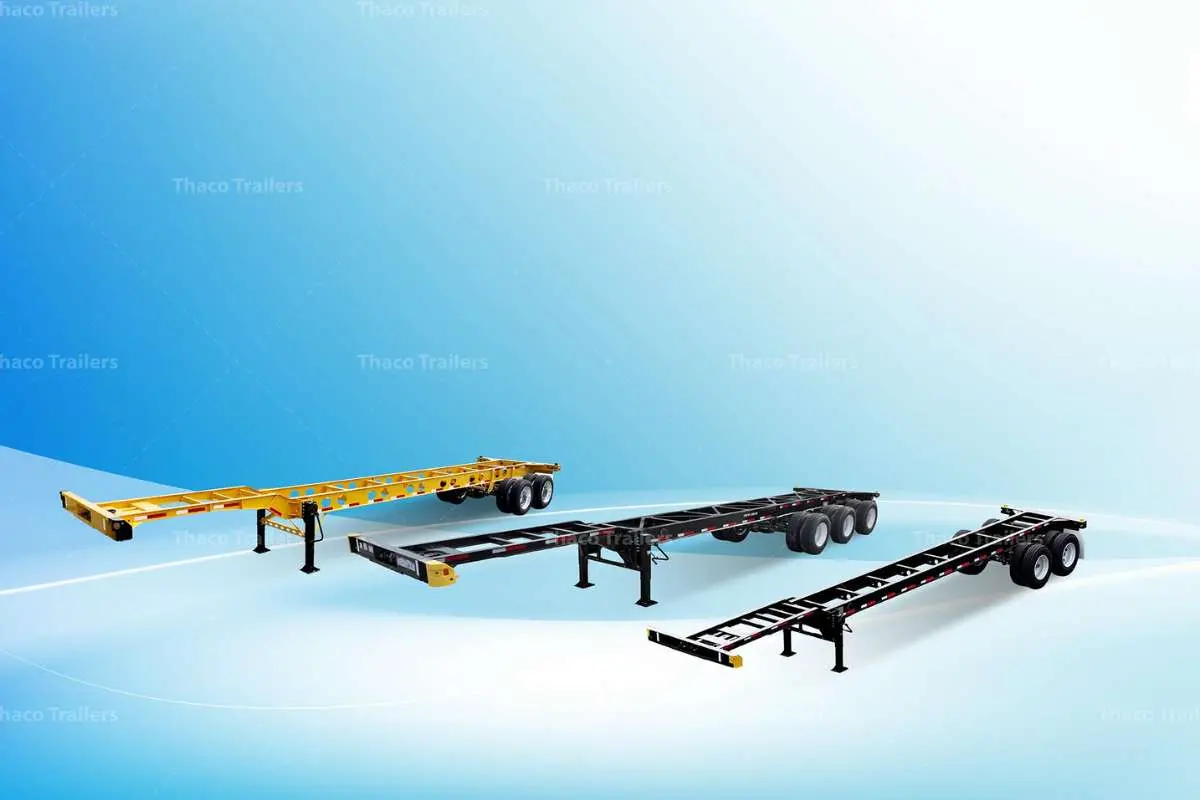
That bare-bones build isn’t just an aesthetic choice; it’s a weight strategy. Every kilogram of steel in a trailer’s own structure is tare weight, and tare weight eats directly into how much freight you can legally carry. A trailer with a full deck, sides, and headboard carries that weight everywhere it goes, loaded or empty. A skel trailer carries almost none of it. Because the container supplies its own structural strength, the trailer underneath doesn’t need to duplicate that job.
As a result, operators running skels can often get closer to their legal gross mass limits with actual freight, not steel. Over thousands of trips a year, that difference in payload adds up to real money, whether you’re being paid per container or per tonne. It’s a straightforward trade: less trailer weight for more revenue-earning capacity, and it’s the main reason skel trailers exist at all.
3. The operators who genuinely need one
Skel trailers earn their keep moving containers between fixed points, ports, rail yards, container parks and warehouses. If your business involves wharf cartage, pulling loaded boxes off a vessel and running them to an empty park or a client’s dock, a skel is close to essential. The same goes for intermodal linehaul, where containers move by rail for the long haul and need road transport to bridge the first or last leg.
Bulk commodity movers also use skel-based tipping variants, where a container-style bin tips to discharge grain or aggregate at the other end, giving you container handling efficiency with bulk discharge built into one unit. In each of these cases, the freight already arrives in, or needs to travel in, a standardised box. The trailer’s only job is to move that box quickly, safely and often, which is exactly what a skeletal design is built for.
4. The operators who probably don’t need one
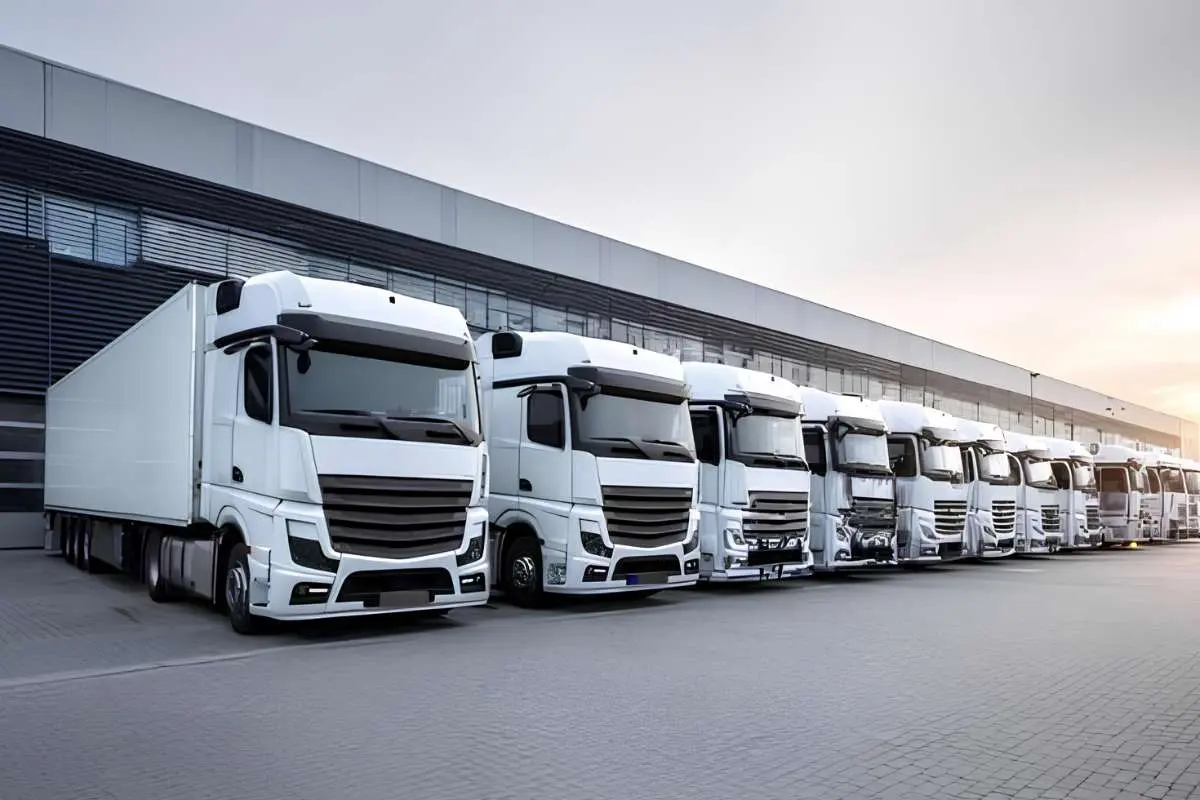
Not every fleet benefits from adding a skel, and it’s worth saying that plainly. If your freight is palletised, cartons, drums, machinery parts, anything that needs a solid deck and often a curtain or tautliner body for weather protection, a skel trailer won’t help you. There’s nowhere to strap a pallet safely on a bare chassis built for twist locks. Bulk commodities that move loose rather than boxed, grain, sand, gravel, generally call for a dedicated tipper or hopper trailer instead, not a container-based unit. Buying a skel trailer for freight that was never going in a container is a common and costly mistake, and one worth avoiding before you sign off on a new asset.
5. A straightforward gut-check for adding one to your fleet
So, how do you know when your fleet actually needs a skel trailer? Start by looking at how much of your current freight already moves in ISO containers, whether that’s import and export cargo, rail-linked freight, or bulk product in tip-style boxes. If that volume is growing, or if you’re regularly subcontracting container legs to another carrier, that’s a strong signal. Then check your current trailer utilisation. If you’re using general freight trailers to shift containers because that’s what’s on hand, you’re likely losing payload and paying for it in fuel and compliance headaches.
Finally, think about where that freight actually travels, port to warehouse, rail yard to distribution centre, or between terminals, because that fixed-route pattern is exactly what skel trailers are built to handle efficiently. If those signs line up, a skel trailer isn’t a nice-to-have; it’s the right tool for the freight you’re already carrying.