As the weather cools, it’s tempting to mentally check out of yard work for the year. The grass grows slower, the flowers fade, and winter feels like a season to simply wait out. But the fall yard prep you do now has an outsized effect on how your landscape looks come spring. The yard isn’t going dormant so much as preparing, and homeowners who put in a little effort now get healthy, green lawns and thriving beds when the warm weather returns. Fall is less an ending than a setup for next year.
A good fall checklist covers everything from the soil to the shrubs, and one step you absolutely cannot skip in cold climates is to prepare your sprinklers for winter. Ignore it, and you could face expensive damage before the yard ever wakes up. Here’s how to close out the season right.
Keep Mowing and Watering, Just Adjust
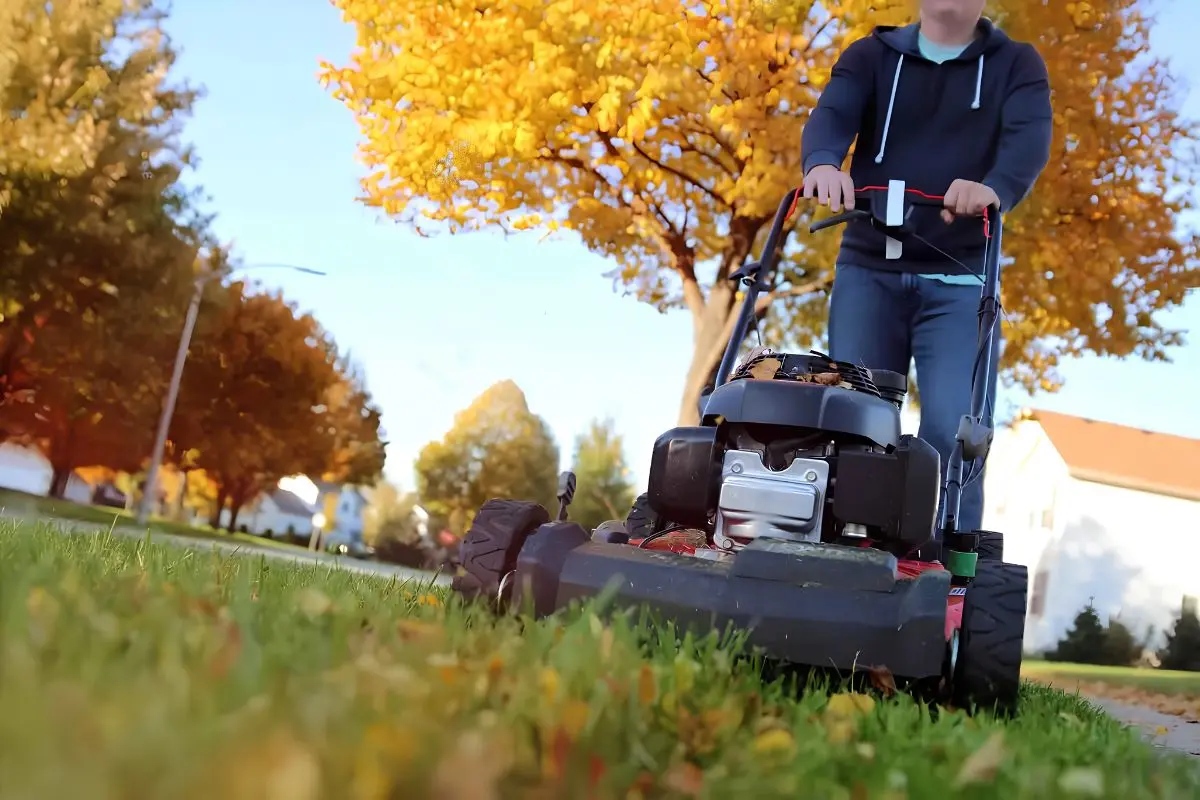
Your lawn isn’t done yet. Grass keeps growing until the ground gets cold, so keep mowing until it genuinely stops, gradually lowering the blade for the last cuts of the season. A slightly shorter final height helps prevent matting and disease under snow.
Watering matters too, right up until you shut the system down. Cooler air doesn’t mean the lawn stops needing moisture, and roots continue developing in fall. Keep watering as needed until it’s time to winterize, then make sure everything is properly drained before the first hard freeze.
Feed the Roots Before the Freeze
Fall is arguably the best time of year to fertilize a cool-season lawn. While top growth slows, the roots stay active and store energy for winter. A fall feeding strengthens the root system, improves cold tolerance, and helps the lawn green up faster and thicker in spring. It’s one of the highest-return things you can do all year.
Clear the Leaves and the Beds
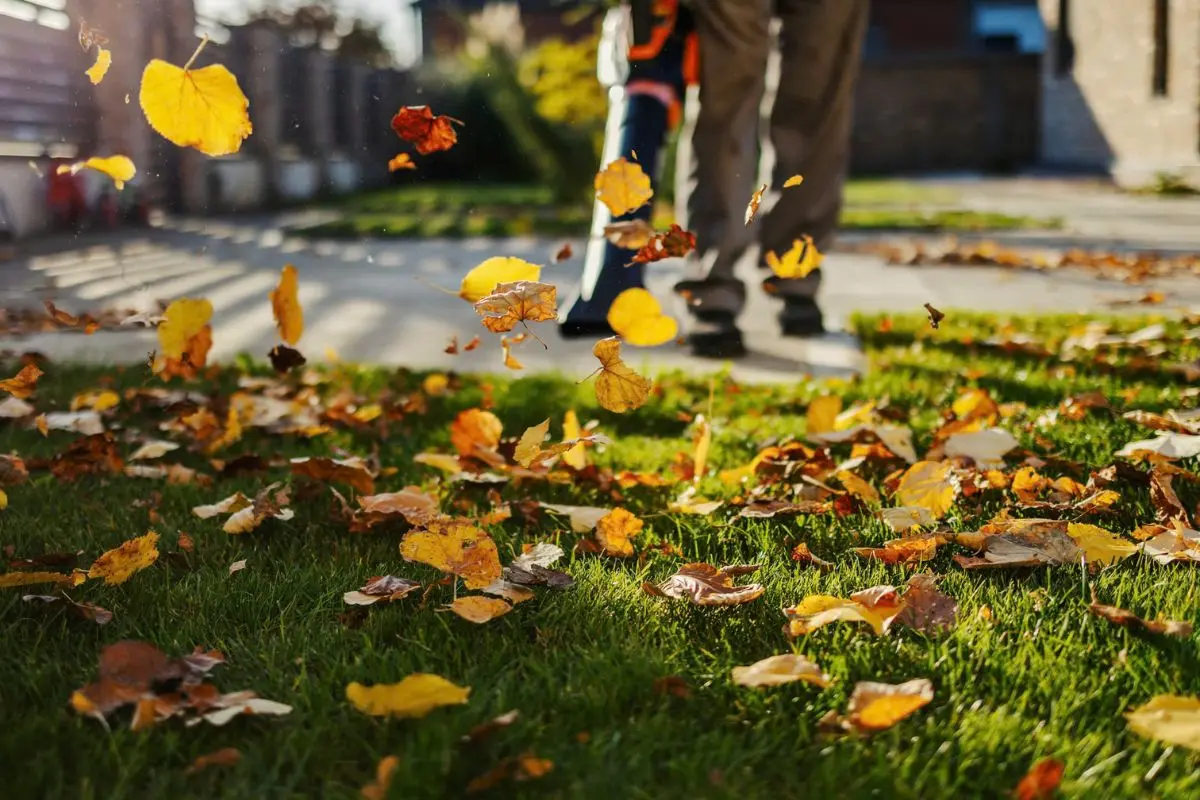
A thick blanket of fallen leaves might look seasonal, but left in place, it smothers grass, blocks light, traps moisture, and invites mold and disease. Rake or mulch them regularly rather than letting them pile up. In your garden beds, cut back spent perennials, pull lingering weeds before they seed, and clear out debris where pests and disease can overwinter.
Mulch and Protect Your Plants
A fresh layer of mulch around trees, shrubs, and beds works hard in winter. It insulates roots against temperature swings, helps retain moisture, and reduces the heaving that cold and thaw cycles can cause. Young or delicate plants may need extra protection, and fall is also a prime window for planting many trees and shrubs, since cooler soil encourages root establishment before winter.
Winterize Your Sprinkler System
This step causes the most expensive regret when you skip it. Any water left sitting in your irrigation lines, valves, or sprinkler heads can freeze when temperatures drop. As water freezes, it expands, and that pressure can crack pipes, split valves, and ruin heads, turning a routine seasonal task into a pile of spring repair bills.
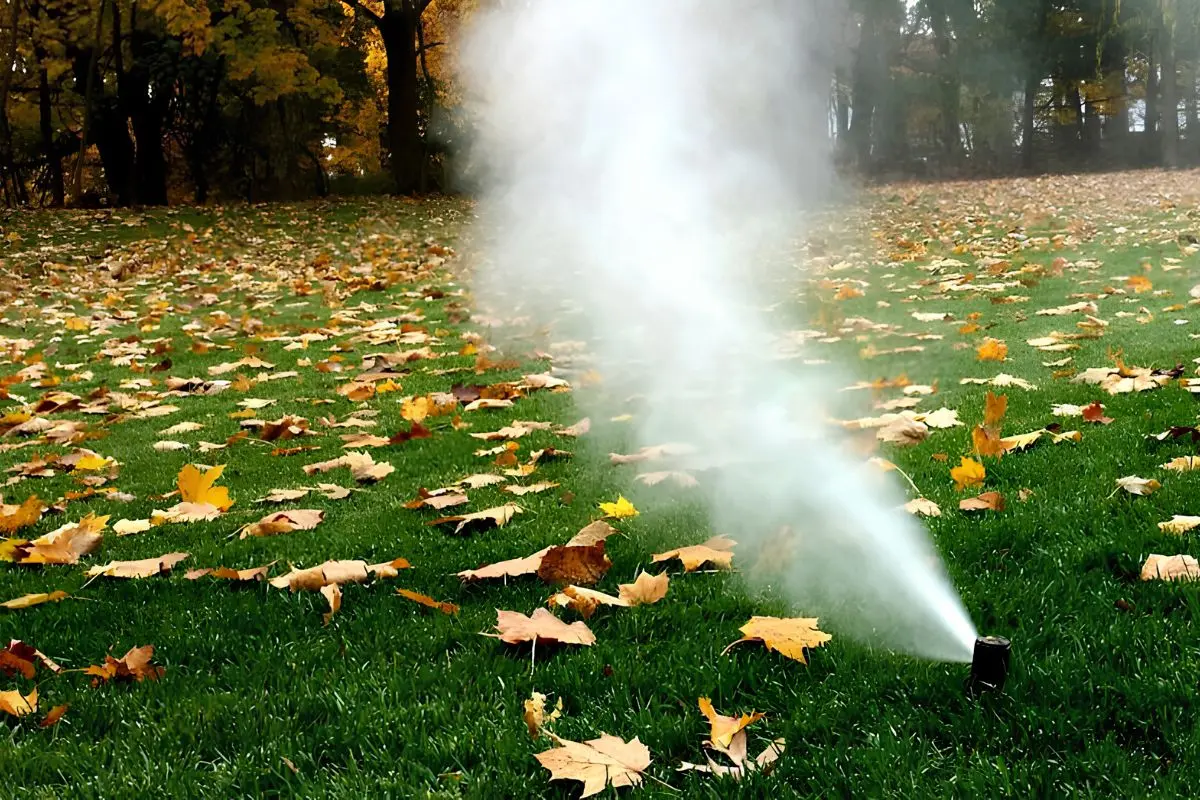
Proper winterization means fully draining the system before the first hard freeze. In most setups, you blow out the lines with compressed air, but do it carefully; too much pressure can damage the very components you’re trying to protect. Shut down the controller or set it to off, and leave the system dry and safe until spring. Because the blow-out step carries real risk of damage when done wrong, it’s the part of fall prep most homeowners are wise to leave to a professional.
Don’t Forget the Hard Surfaces and Tools
Round things out by draining and storing garden hoses so they don’t freeze and crack, shutting off and draining exterior faucets where needed, and cleaning and storing your tools and mower for the season. These small steps can help you avoid headaches and replacement costs later.
Fall yard prep is simple: a little care now prevents a lot of damage and expense later. A well-fed lawn, protected plants, and cleared beds give your landscape the best chance for a strong spring, and a properly winterized irrigation system keeps you from dealing with cracked lines and broken heads when you turn everything back on. Treat fall as the foundation for next year’s yard, and the work you do in these cooler weeks will show the moment the weather warms up again.