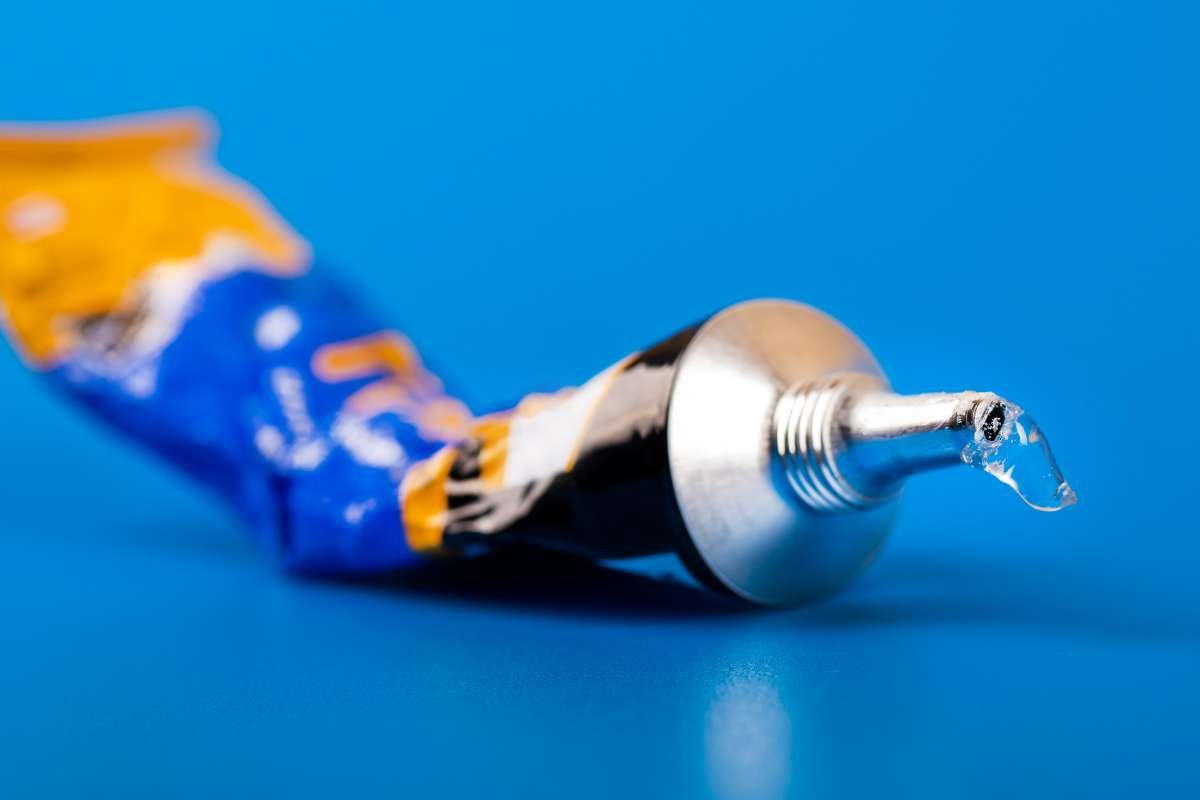
Ever glued your fingers together while fixing something small and felt instant regret mixed with respect? That tiny tube that sticks everything except the cap on time has saved homes, hobbies, and emergencies for decades. Cyanoacrylate super glue earns its reputation because it works fast, holds tight, and asks for very little effort.
From broken toys to cracked phone stands, it shows up like a quiet hero. No drills. No waiting overnight. No dramatic setup. Just one drop and a steady hand. This article breaks down how it works, why it works, where it shines, and where it fails. You will also learn safety rules, real comparisons, and trusted facts, all in plain words that make sense.
What Is Cyanoacrylate Super Glue?
Cyanoacrylate super glue is a fast-acting adhesive that bonds surfaces in seconds when exposed to moisture in the air. Even tiny humidity triggers a chemical reaction that locks materials together. This reaction creates a strong plastic-like bond between surfaces.
Unlike many adhesives, it does not need heat, pressure, or mixing. A small drop spreads thin and grips tight. That strength comes from its ability to seep into tiny gaps and harden quickly. Because of this, people use it for repairs that demand speed and accuracy.
Manufacturers often adjust thickness and curing speed to suit different needs. Some versions stay thin for smooth surfaces. Others stay thick for vertical or uneven joints. Despite the variations, the core bonding action stays the same.
List of 15 Cyanoacrylate Super Glue
Below are common types and formats people recognize when shopping or working with Cyanoacrylate super glue products:
1. Standard Liquid Formula Super Glue
The standard liquid formula is the most common type people know. It has a very thin texture that flows easily into small cracks and tight spaces. This makes it perfect for smooth surfaces that fit closely together, such as plastic parts, metal pieces, or ceramic items.
Because it spreads quickly, it creates a very strong bond in a short time. You only need a small drop. This type works best when both surfaces are clean and dry. It is not ideal for gaps, but it shines in precise repairs where speed matters.
2. Gel Formula Super Glue
The gel formula is thicker and easier to control. It does not drip or run, which makes it great for vertical surfaces or overhead repairs. If you ever tried gluing something and watched the glue slide away, this version solves that problem.
It works well on uneven surfaces or small gaps. The slower flow gives you better placement and reduces mess. Many people choose this option for household repairs because it feels more forgiving and easier to handle.
3. Industrial Grade Super Glue
Industrial-grade versions are built for strength and reliability. They are designed for workshops, factories, and heavy-duty repairs. This type creates a very strong bond that holds under pressure and repeated use.
Professionals use it on metals, hard plastics, and mechanical parts. It often resists heat and chemicals better than standard versions. While it costs more, it delivers consistent performance in demanding environments where failure is not an option.
4. Medical Grade Super Glue
Cyanoacrylate super glue is specially refined and tested for safe use on human skin. Doctors use it to close small wounds and surgical incisions under controlled conditions. It forms a protective seal that helps healing and reduces infection risk.
This type must meet strict safety standards. It should never be confused with household glue. Medical professionals apply it carefully and only in suitable cases. It shows how advanced and precise this adhesive technology can be.
5. Rubber-Toughened Super Glue
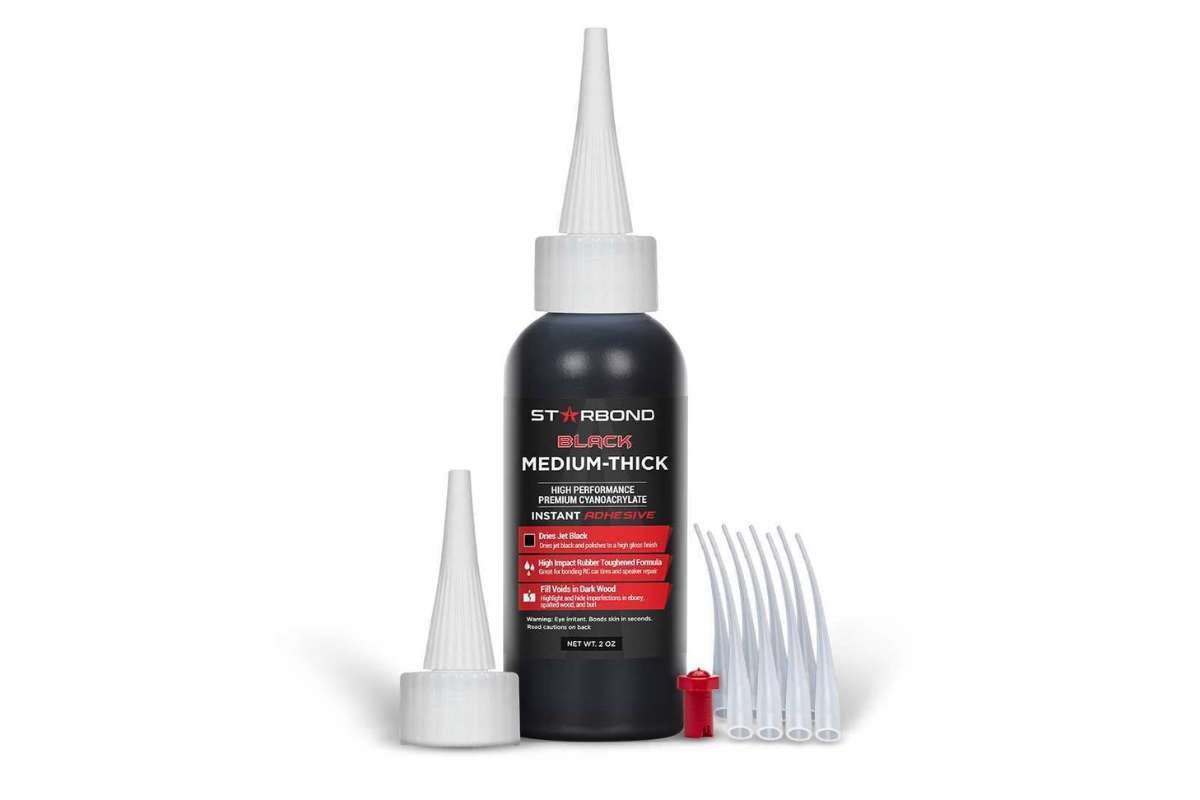
Rubber-toughened versions include added compounds that improve flexibility. This makes the bond less brittle and more resistant to shock, vibration, and small movements.
It works well for items that experience stress, such as rubber parts, tools, or objects that get bumped often. The bond stays strong even when the surface moves slightly. This makes it a smart choice for repairs that need durability instead of pure rigidity.
6. Low Odor Type Super Glue
Low odor glue releases very little smell during use. Standard super glue can give off sharp fumes that irritate the eyes, nose, or throat, especially in closed rooms. Low odor types reduce this problem.
This makes them safer to use indoors, in workshops, classrooms, offices, or small rooms. People who work on crafts, electronics, or repairs for long hours often prefer this type. It also suits users who feel sensitive to strong smells or fumes.
The bonding strength remains reliable, but the experience feels more comfortable and less harsh.
7. Fast Cure Variant Super Glue
Fast-cure glue bonds within seconds after contact. Once applied, it locks the surfaces together almost immediately. This type suits urgent repairs where holding parts in place feels difficult.
It works well for quick fixes, emergency repairs, and production environments where speed matters. There is little room for adjustment, so users need steady hands and accurate placement.
This variant saves time and reduces waiting. It also lowers the chance of parts shifting while drying.
8. Slow-Cure Variant Super Glue
Slow-cure glue sets at a relaxed pace. It gives a few extra seconds to adjust or align parts before the bond becomes permanent. This helps when working with small, delicate, or uneven pieces.
It suits beginners, detailed craft work, and repairs that need careful positioning. The extra time reduces mistakes and stress during the application.
Once fully cured, the bond remains strong and reliable, just like faster versions.
9. Precision Tip Tubes Super Glue
Precision tip tubes feature narrow nozzles that release glue in tiny drops. This design helps users control the amount applied and avoid a mess.
They work well for jewelry repairs, electronics, models, glasses frames, and fine crafts. Less glue means cleaner results and stronger bonds, since thin layers cure better.
These tubes reduce waste and improve accuracy, especially on small surfaces.
10. Single-Use Ampoules Super Glue
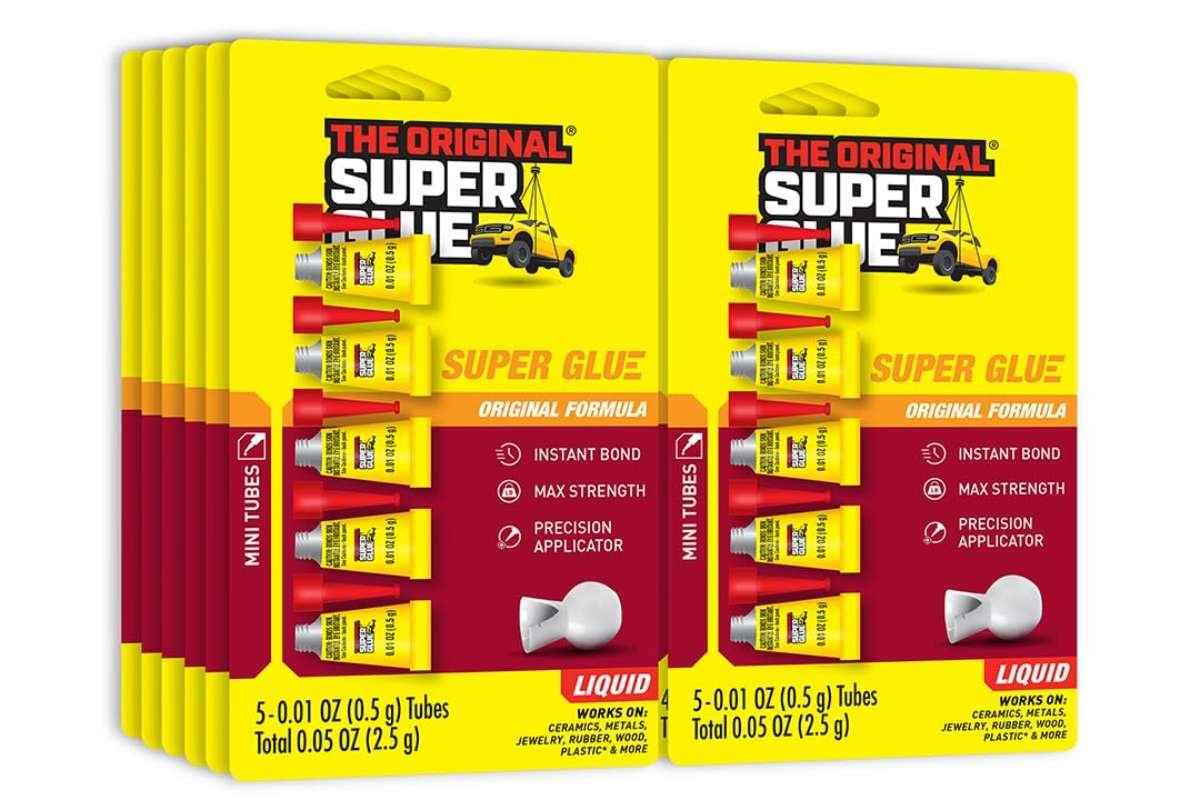
Single-use ampoules come sealed for one-time application. Once opened, the entire content gets used and discarded. This ensures the adhesive stays fresh and effective.
They prevent common problems like dried tips, clogged caps, or weakened glue over time. These ampoules suit people who use glue occasionally or need guaranteed strength for critical repairs.
They also improve storage safety and reduce accidental spills.
11. Heat-Resistant Formula Super Glue
A heat-resistant formula is designed to stay strong even when the temperature rises. Regular glue can weaken, soften, or lose its grip when exposed to heat. This version handles higher temperatures without breaking the bond.
People use it near engines, electronics, kitchen tools, or machines that warm up during use. The glue does not melt quickly, and it keeps holding the parts together even after repeated heating. This makes it reliable for repairs where heat exposure is unavoidable.
12. Flexible Bond Version Super Glue
Most fast-bonding glues dry hard, which can cause cracks if the bonded parts move. A flexible bond version solves this problem. It allows a small amount of movement without breaking the joint.
This type works well on items that bend, vibrate, or shift slightly over time. Examples include rubber parts, wearable items, or objects exposed to frequent handling. The bond stays firm but not brittle, which helps the repair last longer.
13. Plastic-Specific Type Super Glue
Not all plastics behave the same. Some plastics resist standard adhesives and refuse to stick properly. A plastic-specific type is made to handle these tricky surfaces.
This formula improves surface interaction with common plastics such as ABS, PVC, and polycarbonate. It spreads evenly, grips better, and creates a stronger hold than general-purpose glue. People often use it for electronics cases, household items, toys, and plastic tools.
14. Wood Repair Grade Super Glue
Wood has tiny pores and fibers that regular glue may not reach well. A wood repair grade flows into these small gaps and locks the fibers together from the inside.
This deep penetration strengthens the joint and restores stability to cracked or split wood. It works well for furniture fixes, decorative items, and small wooden parts. Once cured, the bond becomes firm and blends naturally with the wood structure.
15. Metal Bond Formula Super Glue
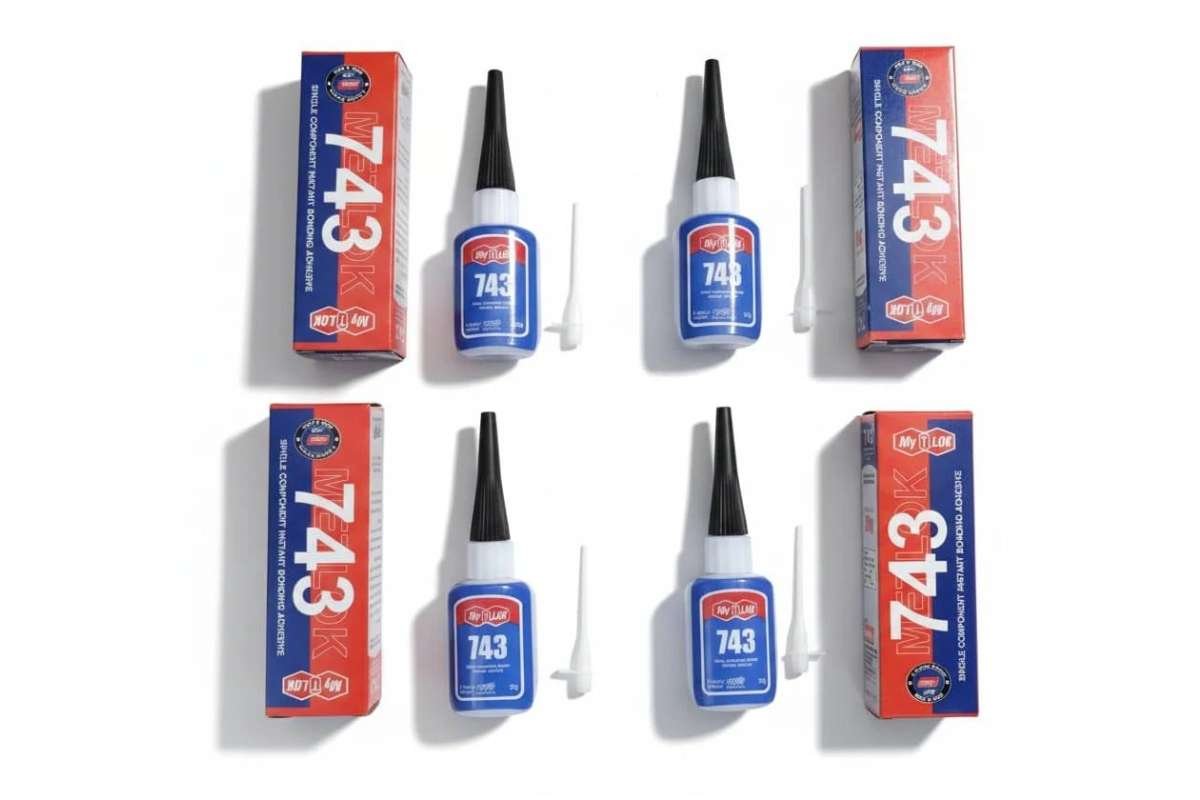
Metal surfaces are smooth and non-porous, which makes bonding difficult. A metal bond formula is designed to grip these surfaces tightly.
It handles steel, aluminum, and similar metals by creating a thin but powerful bond layer. This type works well for tools, hardware, appliances, and small mechanical repairs. When surfaces are clean and aligned, the bond forms quickly and stays strong under regular use.
Each version exists to solve a specific problem without overcomplicating the task.
Key Features and Properties
Cyanoacrylate super glue stands out because of its speed and simplicity. It bonds within seconds, which reduces waiting time and mistakes. The cured bond resists tension and light impact well.
It performs best with clean, tight-fitting surfaces. The adhesive layer stays thin, which increases strength. It also resists many solvents once cured. However, it does not flex much, so movement can weaken the joint.
Shelf life depends on storage. Cool, dry conditions keep it usable longer. Air exposure shortens its life, which explains why caps stick so often.
Common Uses of Cyanoacrylate Super Glue
People rely on Cyanoacrylate super glue in daily life more than they realize. It repairs broken ceramic mugs, loose shoe soles, plastic toys, and chipped furniture edges.
Hobbyists use it for model building and crafts. Technicians use it for quick fixes in electronics casing. Some industries even rely on controlled versions for medical and manufacturing tasks.
Its ability to bond dissimilar materials makes it valuable. Metal to plastic, rubber to ceramic, and wood to metal repairs often succeed when surfaces fit well.
Advantages & Disadvantages
| Advantage | Disadvantages |
| Extremely fast bonding | Brittle under stress |
| Strong tensile strength | Limited gap filling |
| Easy to apply | Sensitive to moisture |
| Works on many materials | Short shelf life once opened |
Understanding these points helps users choose the right task for Cyanoacrylate super glue and avoid frustration.
Safety Precautions
- Use the glue in a well-ventilated area.
- Keep it away from your eyes and skin.
- Wear gloves whenever possible.
- Do not pull or tear stuck skin apart.
- Use warm water and slow movement if skin sticks.
- Store it out of reach of children.
- Keep it away from pets.
- Clean the cap after use.
- Seal the cap tightly to prevent drying.
- Avoid breathing in fumes directly.
- Be extra careful when using it in small or closed rooms.
Cyanoacrylate Super Glue vs. Other Adhesives
When compared with epoxy, Cyanoacrylate super glue wins on speed but loses on flexibility. Epoxy handles gaps and stress better but needs mixing and curing time.
Compared with hot glue, it offers cleaner bonds and higher strength on rigid materials. Hot glue works better for flexible or temporary fixes.
Wood glue outperforms it on large wooden joints, while silicone sealants handle moisture and movement better. Each adhesive has a role, and knowing the difference saves time and materials.
Conclusion
Quick fixes feel small, but they save time, money, and sanity. Cyanoacrylate super glue proves that simple tools can deliver powerful results when used correctly. It does not ask for patience. It asks for precision.
Use it wisely, respect its limits, and it will stay one of the most reliable helpers in your drawer. Small tube. Big confidence.