Food plants often lose capacity through small delays rather than one visible failure. Ingredients may wait between stages, operators may repeat measurements, or sanitation tasks may consume valuable hours. These recurring slowdowns may seem minor individually, but together they steadily reduce overall throughput. Identifying their root causes is the first step toward lasting improvement.
A practical upgrade plan examines material flow, energy use, changeover duration, inspection controls, and maintenance records together. Choosing the right food processing equipment helps production leaders direct capital toward measurable gains, protect product quality, and create safer working conditions without replacing every machine on the floor. The sections below outline key areas where targeted upgrades deliver the strongest results.
Begin with a flow audit
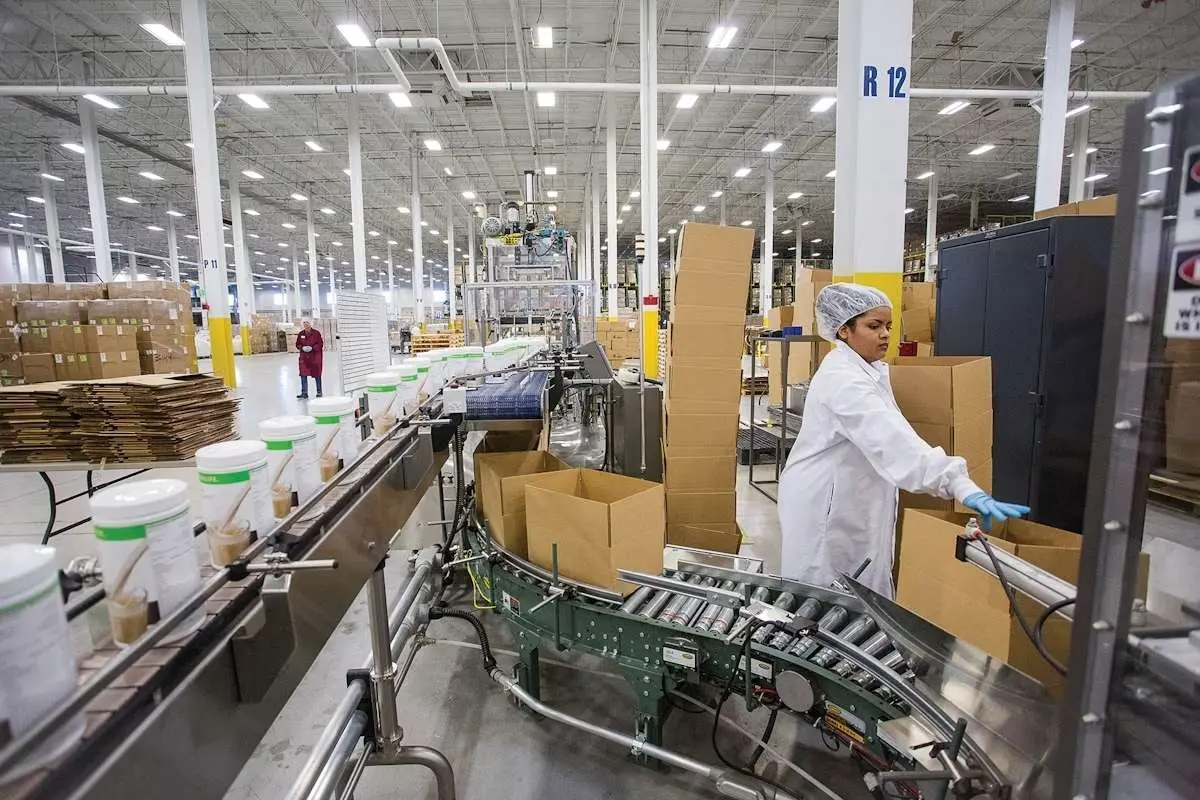
Plant leaders should trace each stage, from receiving through finished goods, while recording queue time, travel distance, spills, stoppages, and operator movement. A floor review may show that suitable equipment can remove repeated handling, shorten transfers, or improve storage access. Those findings help teams rank purchases by lost hours, labor demand, product waste, and expected capacity improvement.
Upgrade ingredient conveyors
Conveyor performance depends on moisture, density, particle size, sanitation needs, and transfer distance. Screw, belt, tubular drag, vibratory, and pneumatic systems each suit different materials. Correct sizing keeps loads stable and limits product damage. Accessible inspection areas support faster cleaning, while controlled discharge points reduce spills, residue, and unnecessary foot traffic beside active machinery.
Improve batching and dosing
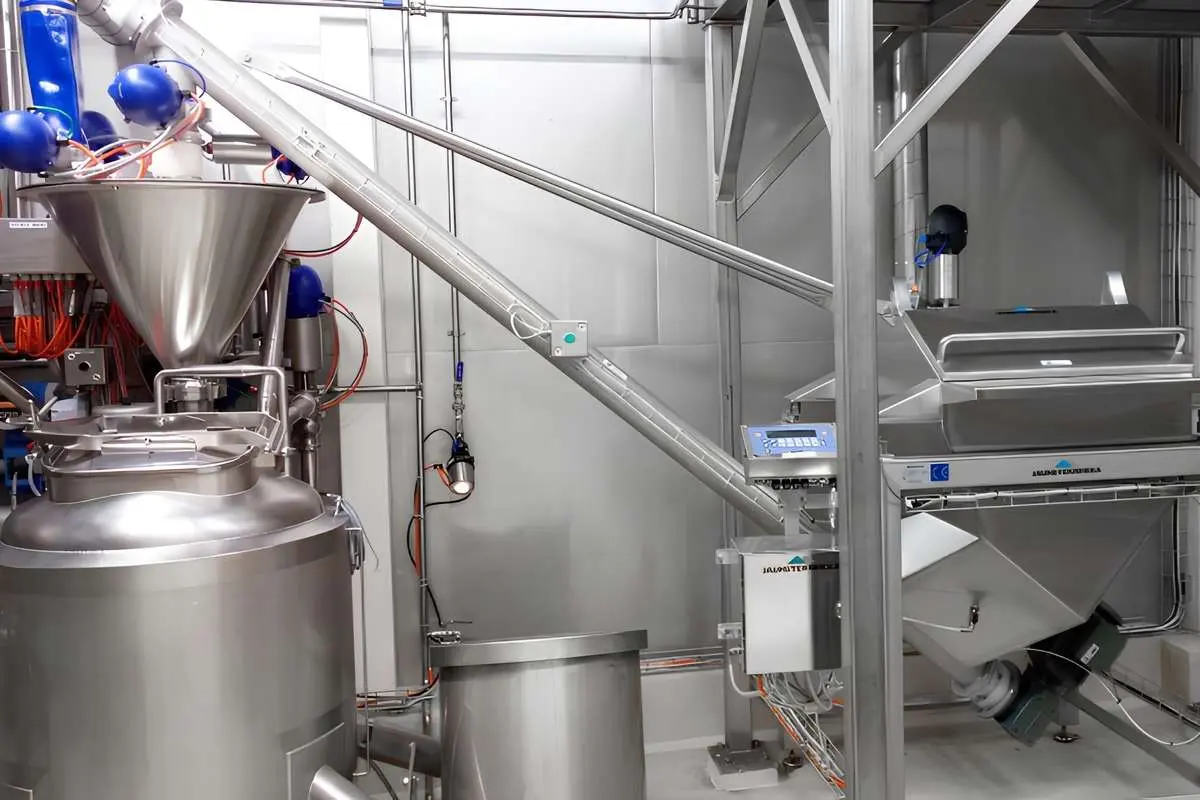
Recipe variation often begins with inaccurate measurement. Weigh hoppers, loss-in-weight feeders, level sensors, and calibrated dosing systems help deliver consistent quantities during every run. Manual scooping also introduces ergonomic strain and recording errors. Production teams should compare target weights with actual readings, review calibration intervals, and track discarded material. Consistent dosing supports predictable texture, flavor, and moisture levels. Accurate process controls also align with preventive controls required under federal food safety rules, which expect manufacturers to maintain reliable measurement and documentation practices.
Select mills and mixers carefully
Grinding and blending food processing equipment influences particle size, temperature, hydration, and batch uniformity. Excessive shear can damage sensitive ingredients, while insufficient mixing leaves uneven concentrations. Mill selection should reflect hardness, feed size, desired output, and cleaning access. Mixer choice should account for batch volume, powder behavior, liquid addition, discharge speed, and sanitation procedures. Trial runs can confirm results before installation.
Control dust at the source
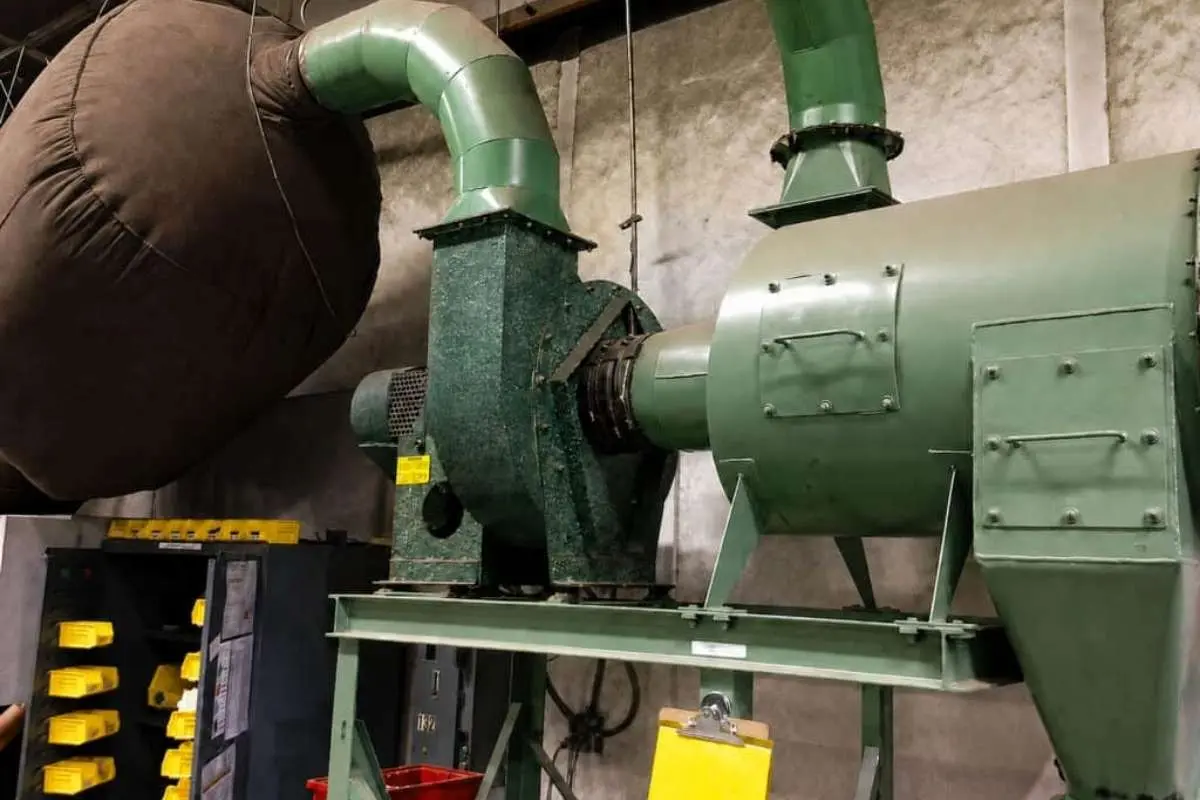
Fine particles affect respiratory comfort, housekeeping, product cleanliness, and motor life. Enclosed transfers, bag dump stations, local exhaust hoods, and correctly sized collectors can capture airborne material near its release point. Filter selection should match particle characteristics and loading rates. Easy access for inspection and replacement matters because neglected collection systems lose efficiency and increase cleaning labor.
Modernize packaging operations
Filling, sealing, labeling, and changeovers frequently restrict line capacity across various types of food processing equipment. Thermoformers, vacuum packagers, bag fillers, and case packing systems serve different package formats and product types. Buyers should compare cycle time, reject frequency, film consumption, maintenance access, and staffing needs. A faster packer cannot improve total output if upstream equipment supplies product inconsistently or downstream handling creates a queue.
Strengthen inspection points
Inspection controls should match the product, package, and contamination risk. Metal detectors identify conductive fragments, X-ray systems can detect several dense foreign materials, and checkweighers confirm package quantity. Placement is important because examination should follow the final significant handling step. Documented challenge tests, calibration records, and prompt rejection procedures help maintain control during routine production.
Connect controls with useful data

Useful production data links equipment status with settings, alarms, downtime, waste, maintenance activity, and order progress. Supervisors can then identify recurring interruptions instead of relying on memory or handwritten notes. Simple dashboards often provide enough visibility to compare shifts, products, and operating conditions. Data has practical value when it leads to a repair, setting change, staffing adjustment, or process review.
Plan service before installation
Every purchase should include commissioning, training, spare parts, manuals, utility requirements, and preventive maintenance instructions. Installation teams need accurate layouts, electrical details, access clearances, guarding plans, and sanitation expectations before delivery. Early coordination limits construction delays and unsafe improvisation. Service support should cover calibration, troubleshooting, replacement components, and performance checks throughout the machine’s useful operating period.
Conclusion
Plant efficiency rarely comes from one expensive purchase. Greater capacity usually follows several focused changes, including shorter transfers, steadier dosing, better dust control, quicker packaging, and earlier defect detection. Upgrading your food processing equipment allows teams to protect investment returns by comparing baseline figures with throughput, labor hours, waste, energy demand, downtime, and repair costs. A phased program also limits disruption. Careful equipment selection, sound installation, and scheduled service create dependable production with fewer avoidable losses.