As remote jobs reshape how people structure their living spaces, effective home office solutions have become essential. A well-designed workspace promotes smoother daily routines, even in compact areas, when each component is thoughtfully selected. Elements like lighting, furniture, and organization play a key role in creating a space that feels both comfortable and productive. Making a few smart choices early on ensures lasting efficiency and supports consistent work habits.
Planning a Functional Layout
Effective home office solutions begin with mapping the activities you perform most often. Measure the available space and determine where your desk, chair, and storage can fit without obstructing walkways or doors. A compact built-in desk offers a stable surface without overwhelming the room, while floating shelves above provide accessible storage for books, files, and essentials—keeping your work surface clear and your setup efficient.
Think vertically to gain more room. Using vertical space for equipment or decor reduces clutter at floor level. Wall-mounted racks or hooks can hold headphones, cables, or small bags. A few carefully chosen storage solutions, such as rolling carts or drawers, keep essential office supplies accessible while preventing piles from forming.
Light affects focus and mood. Whenever possible, arrange your desk to capture natural light from a window. Supplement it with task lighting, such as a small lamp for reading or writing during darker hours.
Multipurpose Furniture Choices
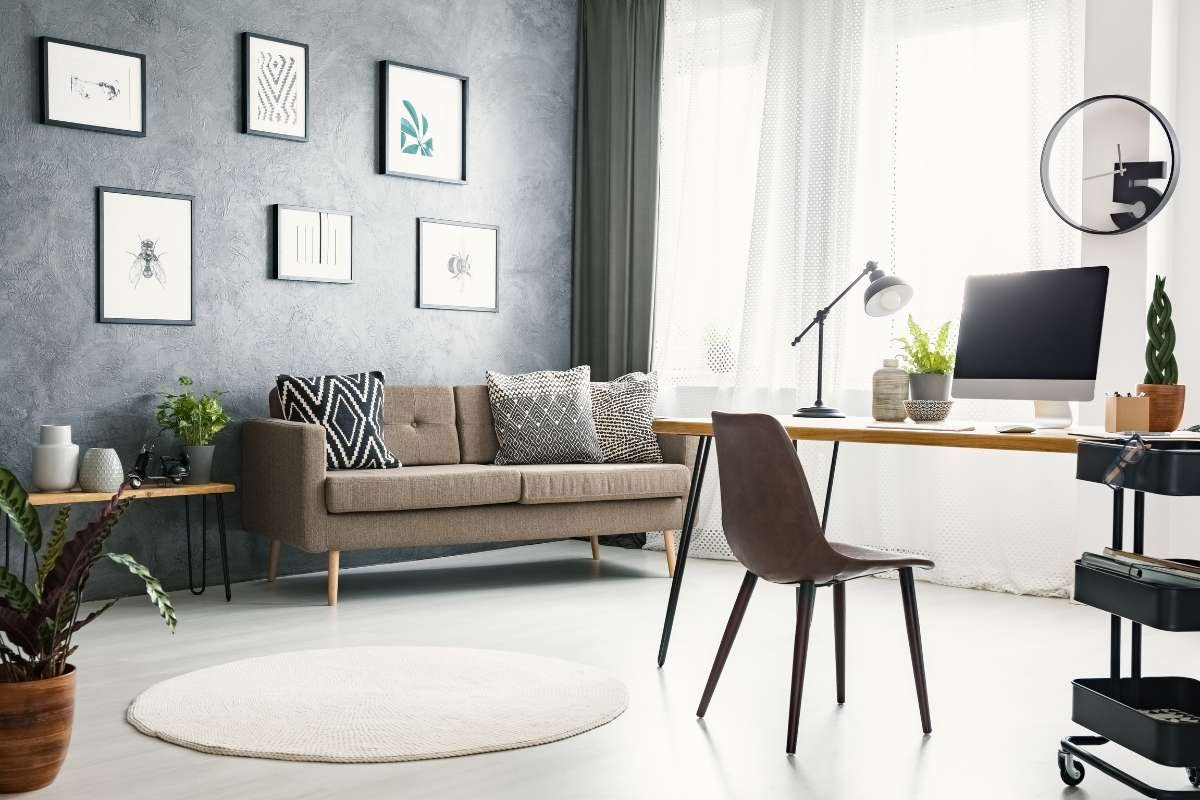
Using furniture that performs several roles makes a tight area work harder. A Murphy bed in a spare room, for example, allows the space to shift from a guest bedroom to an office during the day. Fold the bed up to free the floor for a desk and chair, then pull it down at night when someone stays over. This approach suits households that need flexibility without dedicating an entire room solely to work.
Another option is a wall-mounted desk or a floating desk, which fold down only when needed. Combine these with storage benches or storage ottomans to hide files or electronics when the space converts back to its other function.
Among the most effective home office solutions are ergonomic chairs and supportive office seating, which help maintain posture during long work sessions. Selecting a chair with adjustable height and solid back support can significantly reduce physical strain. For added flexibility, adjustable desks allow users to alternate between sitting and standing—an approach that, over time, helps minimize stiffness and improve alertness.
Organizing and Personalizing
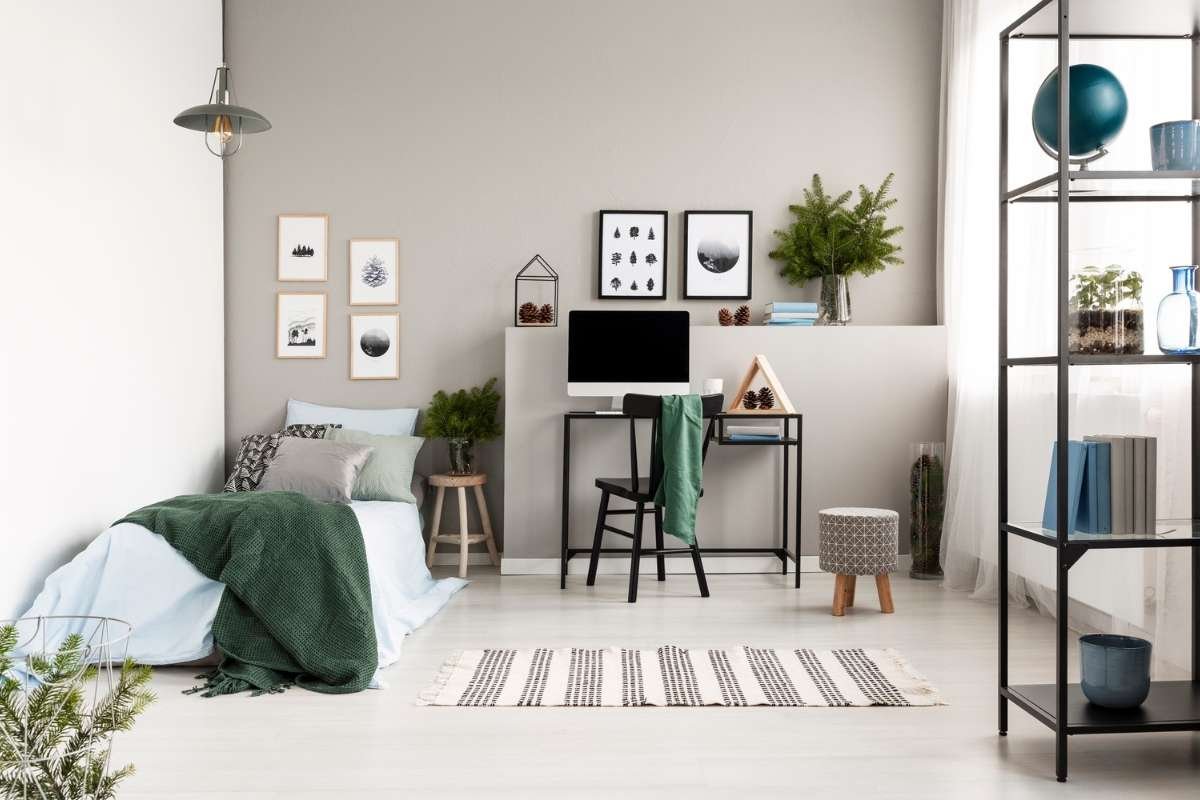
Order brings calm to a busy schedule. Install clutter-free shelves to separate everyday items from reference materials. A small set of filing cabinets near the desk keeps paperwork sorted. Wall grids and memo boards above the desk give a place for reminders, schedules, or creative ideas without taking up desk space.
Adding plants softens the room and improves air quality. A snake plant is hardy and can handle lower light conditions. Personal touches matter too. A gallery wall of framed prints or certificates can make the environment feel like your own without taking away from productivity.
When your office doubles as another room, room dividers can help mark the work area. Folding screens or curtains give privacy during video calls and signal to others in the household that work is in progress. Combining separation with organization tools makes it easier to leave the work mindset at the end of the day.
Refreshing and Maintaining the Area
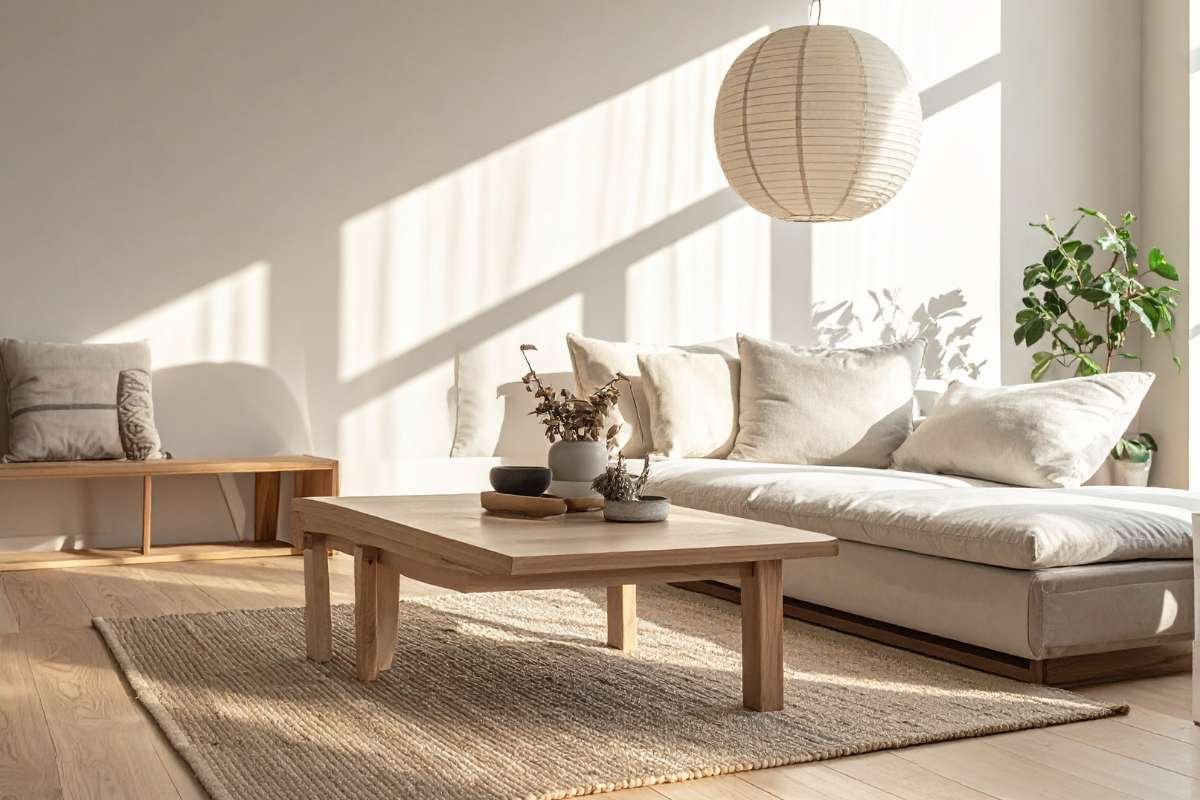
Over time, any workspace benefits from small updates. A quick office nook refresh might involve rearranging storage, swapping out decor, or rotating seating. For larger changes, consider custom storage systems that fit unusual dimensions or awkward corners.
Effective home office solutions consider how color and materials shape the feel of a room. Light wall tones can visually expand a space, while durable flooring like vinyl or laminate stands up to rolling chairs and occasional spills. Even ceiling design plays a role—lighter shades and minimal fixtures help maintain an open, comfortable atmosphere in compact environments.
Compact desks like a minimal desk or foldable desks can replace bulkier furniture when needs change. Keeping a dressing area nearby, such as a dressing room with storage, can separate personal routines from professional tasks while still sharing one location.
Selecting space-saving furniture and thoughtful details leads to an environment that supports focus. Introducing big designer ideas on a small scale, such as a bold accent color or a single statement light fixture, can create interest without overwhelming the area. Simple upgrades keep the space functional without requiring a major renovation.
Conclusion
A home workspace does not require large square footage to function well. Careful placement of desks, seating, and storage combined with attention to light, color, and organization produces an efficient environment for working from home. Integrating home office solutions like multipurpose furniture, vertical storage, and small personal accents transforms even limited areas into effective and comfortable offices for remote jobs. With steady upkeep and a willingness to adapt, a compact office area can remain productive and pleasant for years.