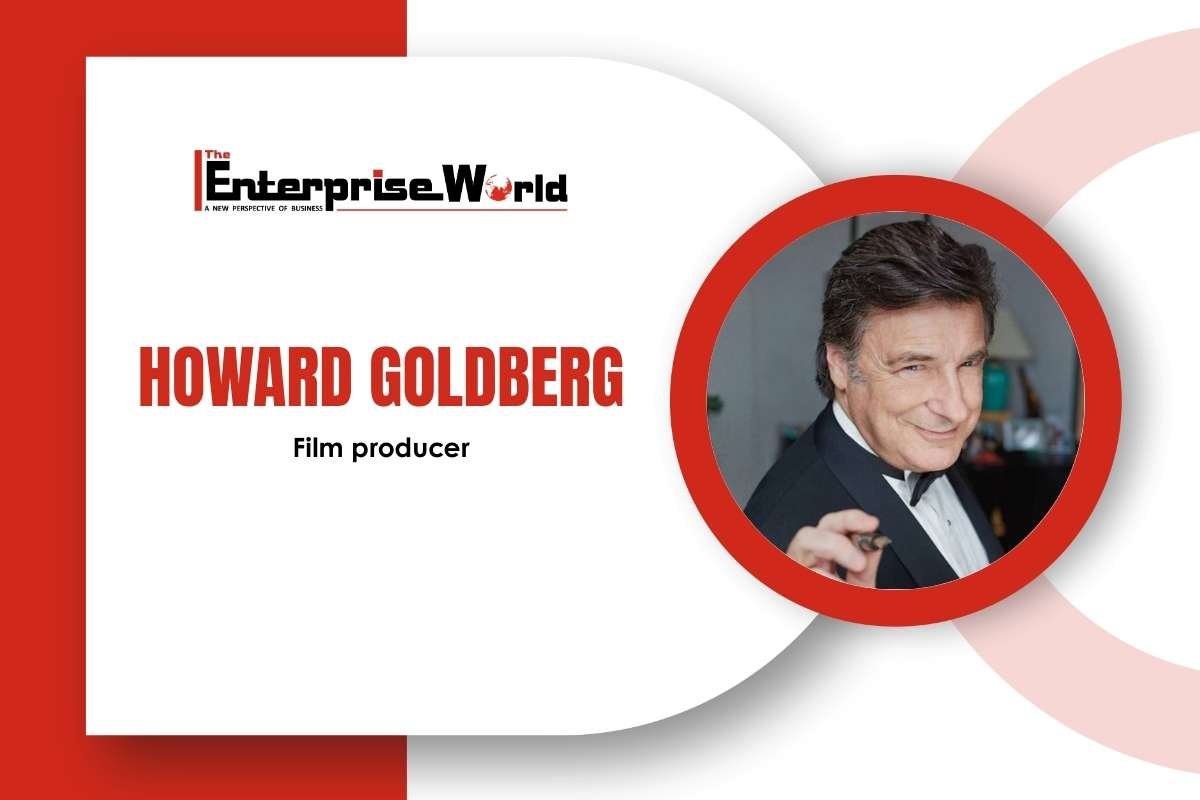
Some films are hits the moment they are released. Others take a quieter path, slowly finding their audience over time. Howard Goldberg’s Apple Pie belongs to the second category. Released in 1975, the film did not follow Hollywood formulas, nor did it try to please everyone. Instead, it offered something personal, strange, and deeply human. Nearly five decades later, Apple Pie has developed a cult following that continues to grow, proving that some stories age better than trends.
For fans of independent cinema, Apple Pie is no longer just an early work in Goldberg’s career. It has become a rediscovered gem that reflects a bold creative voice ahead of its time.
A Film Born Outside the Hollywood System
Apple Pie was written and directed by Howard Goldberg at a time when independent filmmakers had limited access to funding, distribution, or mainstream recognition. The film emerged from New York’s artistic underground rather than Los Angeles studios, and that independence shaped its tone and structure.
The movie starred Tony Azito, Brother Theodore, Irene Cara, and Veronica Hamel, an unusual and compelling mix of performers. Each brought a distinct presence to the screen, giving the film a raw and unpredictable energy. Rather than aiming for commercial appeal, Apple Pie focused on mood, character, and emotional tension.
This creative freedom made the film difficult to categorize, which likely contributed to its initial under-the-radar reception. But it is also the reason the film resonates so strongly with modern audiences discovering it today.
A Cast That Gave the Film Its Edge
One of the reasons Apple Pie has endured is its fearless casting. Tony Azito, known for his intense and unconventional screen presence, anchored the film with a performance that felt both unsettling and deeply real. Brother Theodore added a surreal quality that blurred the line between comedy and discomfort.
Irene Cara, years before global fame, brought emotional depth and vulnerability, while Veronica Hamel added a grounded counterbalance. Together, the cast created a dynamic that felt more like a lived-in world than a scripted performance.
Fans often cite the film’s performances as the reason it lingers in the mind long after viewing. There is no sense of actors playing roles for effect. Instead, the characters feel discovered rather than designed.
Music That Became Part of the Film’s Identity

Music played a major role in shaping Apple Pie’s atmosphere. The film featured contributions from Hall & Oates, whose involvement added a contemporary edge to the project. Composer Brad Fiedel, who would later become widely known for his work on The Terminator, created a score that quietly supported the film’s emotional undercurrents.
Rather than dominating scenes, the music worked in subtle ways, enhancing tension and introspection. For many fans, the soundtrack is inseparable from the film’s identity, adding another layer to its cult appeal.
Early Recognition Abroad
While Apple Pie did not become a mainstream hit in the United States, it received early recognition in Europe. The film premiered at the Deauville Film Festival in France, an important moment that confirmed Goldberg’s work had international relevance.
This early festival exposure helped the film survive beyond its initial release. Copies circulated among film students, collectors, and cinephiles who appreciated its unconventional style. Over time, Apple Pie became the kind of movie people recommended quietly, almost like a secret.
Why the Film Was Ahead of Its Time?

When Apple Pie was released, audiences were less accustomed to films that rejected clear moral conclusions or traditional storytelling structures. Today’s viewers, raised on independent cinema and streaming platforms, are far more open to ambiguity.
Modern audiences connect with the film’s themes of identity, alienation, and emotional conflict. These are not issues tied to a specific era. Instead, they feel timeless, which is one reason the film continues to attract new viewers decades later.
The film’s refusal to explain everything or guide the audience emotionally is now seen as a strength rather than a flaw.
The Rise of a Cult Following
The cult following of Apple Pie did not appear overnight. It grew slowly through word of mouth, late-night screenings, online discussions, and rediscovery by younger filmmakers and cinephiles.
Fans often describe the film as “uncomfortable but honest,” a combination that appeals to viewers tired of polished, predictable stories. The movie invites interpretation rather than delivering clear answers, encouraging repeat viewings and discussion.
This kind of engagement is the foundation of cult cinema. Apple Pie does not ask to be liked by everyone. It asks to be felt.
A Key Piece of Howard Goldberg’s Creative Legacy

Looking back, Apple Pie now feels like the foundation of Howard Goldberg’s long and diverse career. The themes, visual style, and creative independence seen in the film echo through his later projects, including Eden, Jake Squared, and Double Exposure.
For longtime fans, rediscovering Apple Pie offers insight into how Goldberg’s artistic voice was fully formed from the beginning. For new viewers, it provides a starting point to explore a filmmaker who consistently chose authenticity over safety.
Why Apple Pie Still Matters Today?
In an era dominated by franchises and algorithms, Apple Pie stands as a reminder of what personal filmmaking can achieve. Its growing cult following proves that films do not need massive marketing campaigns to matter. They need honesty, risk, and time.
Howard Goldberg’s Apple Pie may have been forgotten by the mainstream, but it has never been forgotten by those who truly connected with it. And as more audiences discover it, the film’s legacy continues to expand—one viewer at a time.