Businesses across industries are rethinking how they protect their people, assets, and data. As physical and digital security increasingly overlap, organizations need systems that do more than lock doors; they need platforms that provide visibility, control, and adaptability across every site they operate.
The Shift From Locks to Intelligent Systems
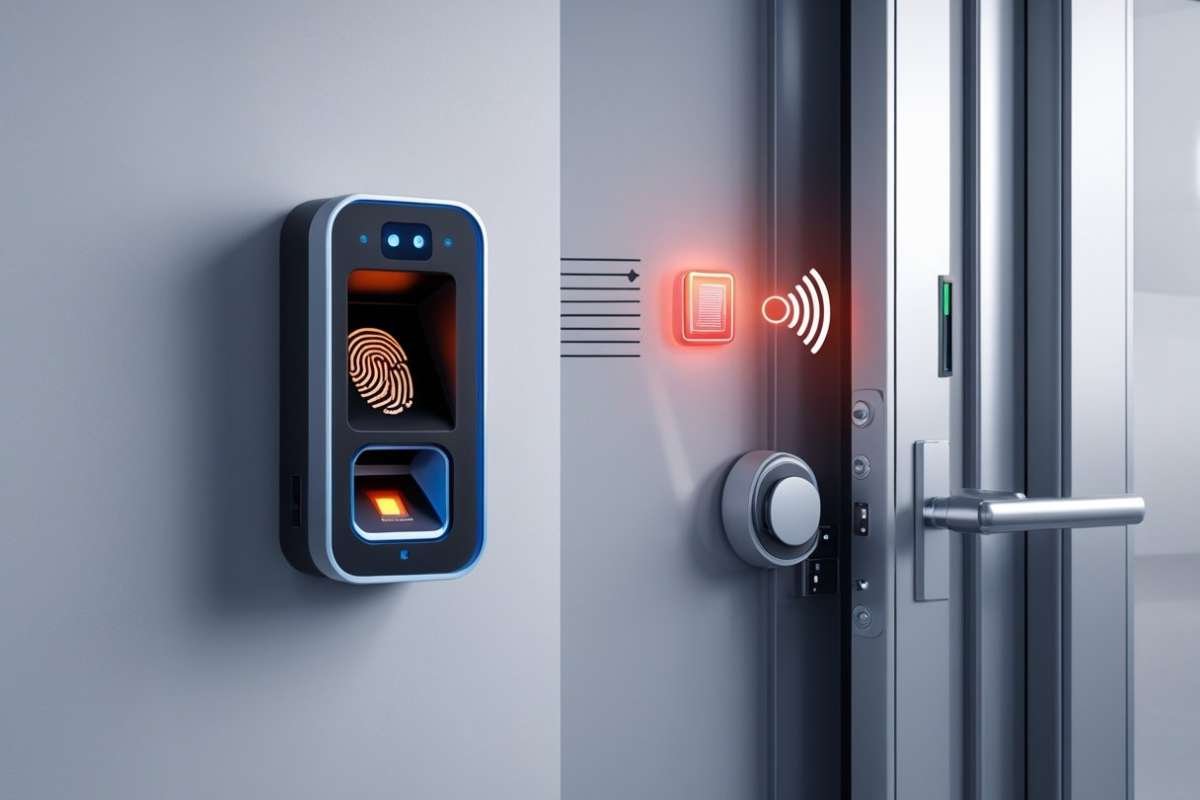
Traditional locks and keys were never designed for the complexity of today’s workplaces. A single lost key could mean rekeying an entire building, and there was no way to track who entered a space or when. Modern access control systems have replaced that uncertainty with digital credentials, real-time monitoring and detailed audit trails. Instead of reacting to a security incident after it happens, organisations can now identify unusual patterns before they escalate into real problems.
This shift matters because security threats have changed shape. It’s no longer just about preventing break-ins. Companies must also manage contractor access, protect sensitive areas within their own buildings, and ensure compliance with industry regulations. A system that can distinguish between an employee, a visitor and a delivery driver, and apply different rules to each, gives organisations far more control than a simple lock ever could.
What Makes a Security Platform Genuinely Scalable
Many businesses start with a single site and a modest number of doors to secure. Over time, that can grow into multiple locations, hundreds of employees and a mix of permanent staff, temporary workers and visitors. A security platform that can’t scale with that growth becomes a liability rather than a solution. Scalability isn’t just about adding more doors or users; it’s about maintaining the same level of oversight and ease of management as complexity increases.
A few characteristics tend to separate systems that scale well from those that don’t:
- Centralised management across multiple buildings or sites from a single interface
- Integration capabilities with existing IT infrastructure, HR systems and video surveillance
- Cloud-based or hybrid architecture that supports remote monitoring and updates
- Flexible credential options, including mobile access and biometric verification
- Detailed reporting tools that support audits and regulatory compliance
Organizations that invest in solutions like Nedap Security Management are often looking for exactly this kind of long-term flexibility, where the system can evolve alongside the business rather than being replaced every few years.
Balancing Security With Everyday Usability
A system’s effectiveness depends heavily on how easily people can actually use it. If employees find a security process cumbersome, they tend to find workarounds, propping open doors or sharing access cards, which undermines the very protection the system was meant to provide. The best access control setups strike a balance between robust protection and a smooth day-to-day experience for the people using them.
This is where thoughtful design becomes just as important as technical capability. Features such as mobile credentials reduce reliance on physical cards, while automated visitor management removes the friction of manual sign-in processes at reception desks. Facilities teams also benefit from systems that simplify routine tasks, like granting temporary access to a contractor or revoking permissions instantly when an employee leaves the company. When security operates quietly in the background rather than creating obstacles, adoption improves and so does overall protection.
Looking Ahead
Security expectations will keep rising as organisations manage more complex environments, spread across multiple locations and increasingly reliant on interconnected digital systems. The businesses that adapt well are those that treat access control not as a one-time installation but as an evolving part of their infrastructure, one that grows and adjusts as their needs change over time.
The Business Case for Modern Access Control Systems
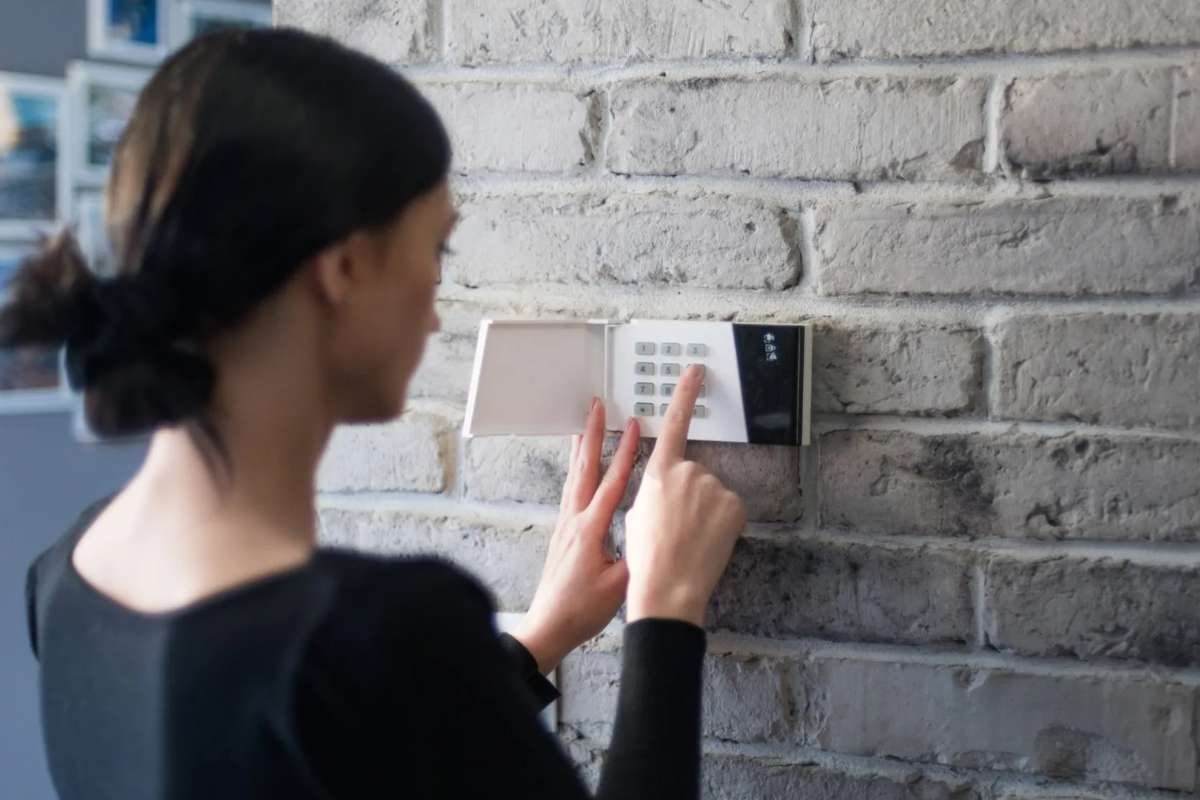
Beyond the immediate security benefits, modern access control systems deliver significant operational and financial advantages that justify the investment. Organisations experience reduced administrative overhead when credential management becomes automated rather than manual, and the ability to grant or revoke access instantly cuts down on costly security vulnerabilities during staff transitions. Real-time reporting capabilities provide facilities managers with actionable insights into space utilisation and traffic patterns, enabling better resource allocation and more informed decisions about office layout and expansion.
Additionally, comprehensive audit trails simplify regulatory compliance, potentially reducing fines and legal exposure. When organisations calculate the total cost of ownership—factoring in reduced incidents, fewer manual processes, and streamlined compliance efforts—the financial case for upgrading from legacy systems becomes compelling. Modern security platforms thus become not just a protective measure, but a strategic investment that enhances both safety and operational efficiency.