Digital tools promised faster work and easier lives. In 2026, that promise comes with a bill. AI systems are replacing office staff, and hackers are locking up whole networks. Many workers feel watched more than supported. This piece looks at the negative effects of digitalization on business today. It focuses on AI job cuts and ransomware, then ends with a plan to handle both.
Digitalization changed office work fast. Paper files became cloud drives. Meetings became video calls. Now AI writes reports, answers emails, and reviews contracts. This brings real gains, but it also brings real harm to jobs, data, and trust. Companies that ignore these negative effects of digitalization will pay for it later, in lost staff or lost data.
Why is AI replacing white-collar workers so fast?
Office jobs used to feel safe from machines. That is no longer true. Microsoft’s AI chief, Mustafa Suleyman, says many white-collar tasks could be automated within 12 to 18 months. A large share of screen-based work may change sharply by the end of 2026. This is not a future risk. It is showing up in hiring plans right now.
The numbers back this up. More than 55,000 U.S. job cuts in 2025 were tied to AI. That trend kept climbing into 2026. AI is one of the top reasons cited for job cuts in 2026.
The roles at risk are not just entry-level jobs. Recent layoffs hit recruiters, sales staff, and middle managers at major firms. Fear runs highest in finance. Many finance and insurance workers worry about losing their jobs to AI.
Not every forecast agrees on scale. Some fact-checks call the idea that “AI will destroy more jobs than it creates” overstated. Models from Goldman Sachs, WEF, and KPMG project net job gains, not losses. The World Economic Forum projects 92 million roles lost and 170 million created by 2030. Even with a net gain, many workers and teams will feel real pain along the way.
Who feels the sharpest impact of the negative effects of digitalization?
| Group | What’s happening? |
|---|---|
| Entry-level analysts | Fewer starter roles as AI takes over routine tasks |
| Middle managers | Targeted in recent job cuts at large firms |
| Finance and insurance staff | Highest fear of job loss |
| AI-skilled workers | Earning a pay boost |
The split is clear. Workers who learn to use AI well are gaining ground. Workers stuck doing repeatable tasks are losing it.
Why is ransomware among the growing negative effects of digitalization?
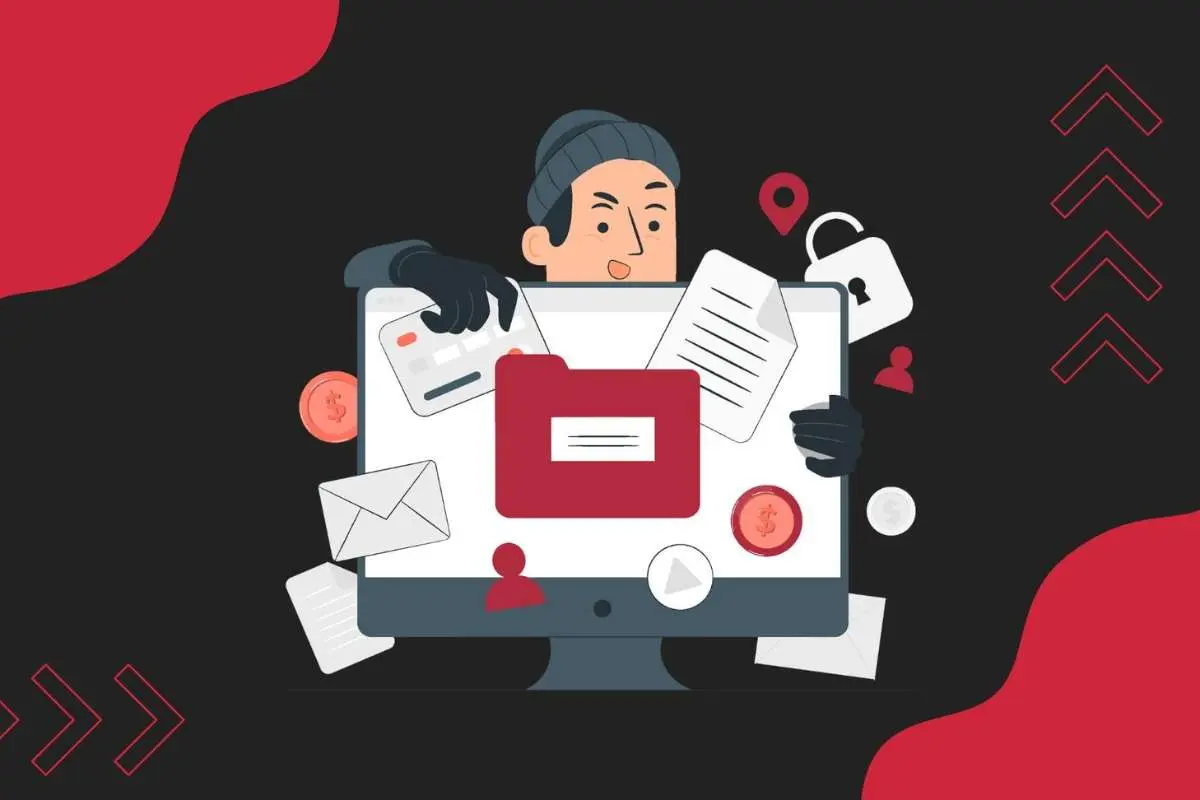
Job loss is only half the story. The other half is security. Every new digital tool is another door a hacker can try to open. Ransomware locks up company files until a business pays to get them back. It has become one of the costliest threats a company can face.
The scale keeps growing. Ransomware attacks are on track to rise 40% by the end of 2026, compared to 2024. The cost per attack tells the sharper story. Recovery, legal fees, and damage to a company’s name can add up fast, often reaching into the millions for a single hit. Paying the ransom rarely fixes things either. Companies that pay face a higher chance of getting hit again. Hackers mark them as easy, reliable targets.
Attackers have also changed how they work. Most no longer just lock files. They also steal data first, then lock the system. This is called double extortion. Paying up does not stop them from selling the stolen data anyway.
AI adds a new twist here too. Criminals now use AI to write more convincing scam emails. This makes the first click that starts an attack harder to catch. The same tech reshaping jobs is also arming the people trying to break into company systems.
What other negative effects of digitalization should businesses watch?
Job loss and ransomware are the two biggest worries in 2026. But older problems from digitalization have not gone away. They have grown bigger as more data and devices enter daily work.
- Data Breaches Beyond Ransomware: Company and customer records sit in cloud systems that stay under constant attack, ransomware or not.
- Privacy Loss: Anyone with a phone can record and post in seconds. This makes it hard for people, including staff, to control their own information.
- Social Disconnect: Heavy screen time at work and home links to loneliness and low morale, even in busy digital offices.
- Fake Content: AI-edited photos, audio, and video make fraud and false claims easier to make and harder to catch.
- Too Much Reliance on Systems: When core software crashes, whole teams can stall, since backup plans often get skipped or untested.
These issues used to sit quietly in the background. Now that AI touches hiring, security, and daily work, they stack up faster than before.
How should companies respond to these risks?

Companies cannot undo digitalization, and most would not want to. The fix to the negative effects of digitalization is not less tech; it is a smarter use of the tech already in place. Two moves matter most for the rest of 2026: upskilling staff and protecting them from digital overload.
Upskilling as the core defense against job loss
Firms that pair staff with AI tools, instead of swapping them out, get better results. Workers who mix AI skills with their current role earn a higher pay boost over peers without those skills.
A simple upskilling plan can include:
- Map which tasks in each role AI can help with
- Offer short, role-specific AI training instead of generic courses
- Reward staff who bring new AI-assisted methods to their team
- Move strong performers from shrinking tasks to growing ones
Digital detox as a mental health safeguard
Nonstop pings and after-hours messages wear down focus and mood. A simple digital detox plan can include:
- No-email windows after work hours
- Meeting-free blocks for deep, focused work
- Encouraged screen breaks during the day
- Manager training to model healthy tech habits
Cybersecurity as a daily habit
Since ransomware continues to change, defense must change too.
Basic steps that cut risk:
- Regular, tested backups stored offline
- Company-wide phishing training, refreshed often
- Multi-factor login on every account, not just sensitive ones
- A written response plan that staff have actually practiced
None of these steps remove all risk. Together, they lower the odds of a costly hit and help a company recover faster if one lands anyway.
As cybersecurity researcher Bruce Schneier puts it, “Security is a process, not a product.” That same idea applies to how companies should handle AI-driven job change. There is no single tool or policy that solves this once and fixes it forever. It takes ongoing attention, training, and adjustment as both the technology and the threats keep shifting.
Conclusion
Digitalization is not slowing down, and neither are its downsides. AI is reshaping who keeps a job and how they do it. Ransomware groups grow bolder and costlier each year.
The businesses handling this well are the ones training staff to work alongside AI, guarding their systems with real discipline, and giving people room to unplug and recharge. That balance is what turns the negative effects of digitalization into problems a company can manage.
FAQs
1. Will AI replace most office jobs by 2026?
Not fully, but many firms are already cutting middle management and entry-level analyst roles due to AI.
2. Why do ransomware attacks keep rising?
Attackers now steal data before locking it and use AI to write scam emails that trick staff.
3. Does paying a ransomware demand make the problem go away?
No, companies that pay often get hit again since hackers mark them as easy targets.
4. What are the biggest negative effects of digitalization in 2026?
AI-driven job loss and rising ransomware attacks are the biggest, though privacy loss and social disconnect still matter.
5. How can companies ease AI-related job worries among staff?
Upskilling staff to use AI in their current role, paired with clear talk about changes, cuts fear and raises value.