Office 365 tenant to tenant migration plays a critical role during mergers, rebranding efforts, or infrastructure consolidation. A well-planned transition ensures business continuity, data integrity, and user confidence throughout the change. Clear structure and precise execution define the difference between disruption and success.
A thoughtful tenant to tenant migration office 365 step by step approach reduces confusion while protecting collaboration tools and communication channels. Each phase requires attention, coordination, and technical clarity. This guide presents a structured path that supports a smooth and predictable Office 365 tenant to tenant migration.
6 Steps for Office 365 Tenant to Tenant Migration
Step 1: Strategic Assessment and Migration Planning
A successful migration begins with a detailed assessment of the source and target tenants. Tenant configurations, user identities, licenses, and workloads require careful review. This phase establishes realistic timelines and identifies potential constraints early.
Planning includes defining scope, selecting migration methods, and assigning responsibilities. Stakeholder communication sets expectations and reduces resistance. A documented roadmap provides direction and prevents overlooked dependencies.
Step 2: Environment Preparation and Prerequisites
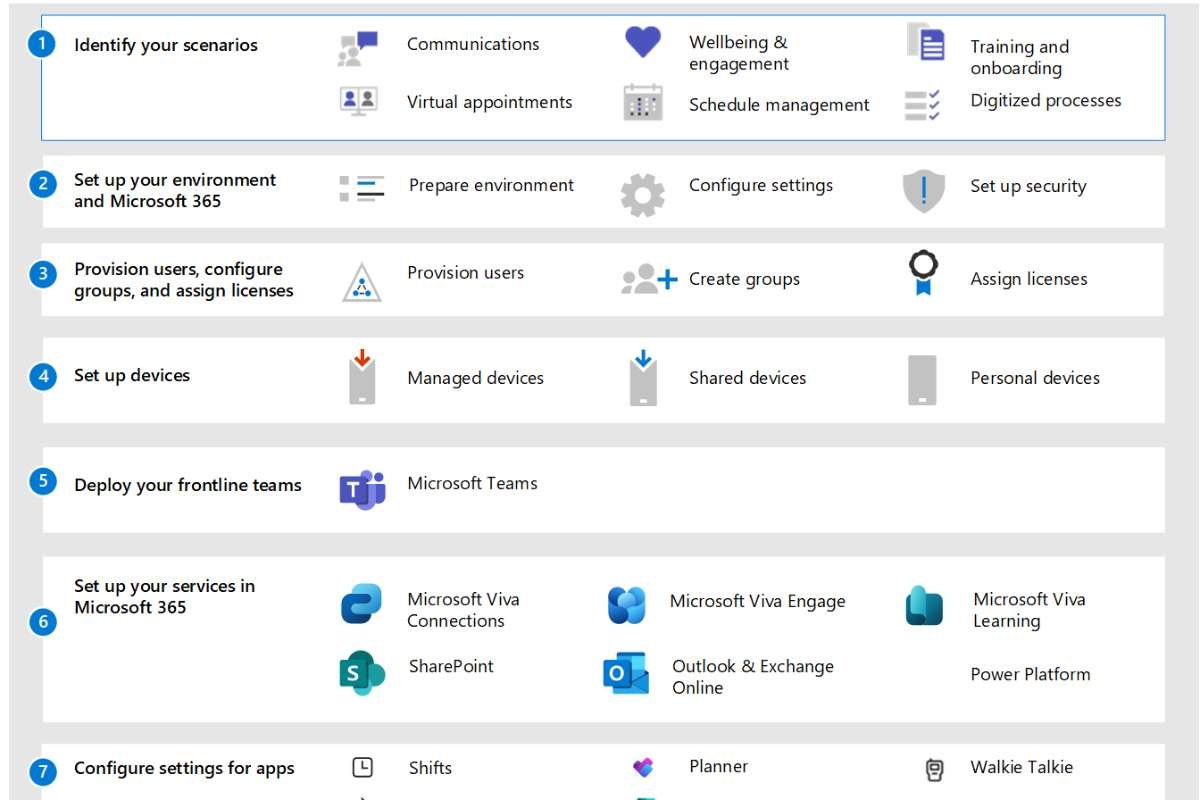
Tenant readiness ensures the destination environment can receive data securely and efficiently. Domain verification, license allocation, and security policies must align with business requirements. Administrative roles need validation before any data movement begins.
Preparation also includes setting up identity synchronization if hybrid environments exist. Conditional access rules deserve careful adjustment to prevent user lockouts. Testing these settings ahead of migration avoids unexpected access issues.
Step 3: Identity, Domain, and User Account Configuration
User identity management forms the backbone of tenant migration. Accounts must exist in the target tenant before content transfer starts. Domain handling requires precise timing to avoid email disruption.
Key configuration actions include:
- Creating user accounts with appropriate licenses assigned.
- Preparing domains for removal from the source tenant.
- Scheduling domain cutover to minimize mail flow interruption.
Password strategies and authentication methods must remain consistent. Communication with users supports a smoother sign-in experience post migration.
Step 4: Data Migration Execution Across Workloads

Content migration covers Exchange Online, SharePoint Online, OneDrive, and Microsoft Teams. Each workload demands a tailored approach to preserve permissions and structure. Sequencing workloads reduces dependency conflicts.
Migration execution focuses on accuracy and validation:
- Mailboxes move with folder hierarchy and metadata preserved.
- SharePoint sites retain permissions and version history.
- Teams conversations and files remain accessible after transfer.
Pilot migrations provide insight into performance and potential errors. Adjustments based on pilot results strengthen the main migration phase.
Step 5: Validation, Testing, and User Acceptance
Validation confirms that migrated data functions as expected in the target tenant. Email delivery, file access, and collaboration features require verification. Structured testing prevents unresolved issues from reaching production.
User acceptance testing adds practical assurance. Feedback highlights gaps that technical checks may miss. Addressing these points builds trust and reduces post migration support requests.
Step 6: Post-Migration Optimization and Governance
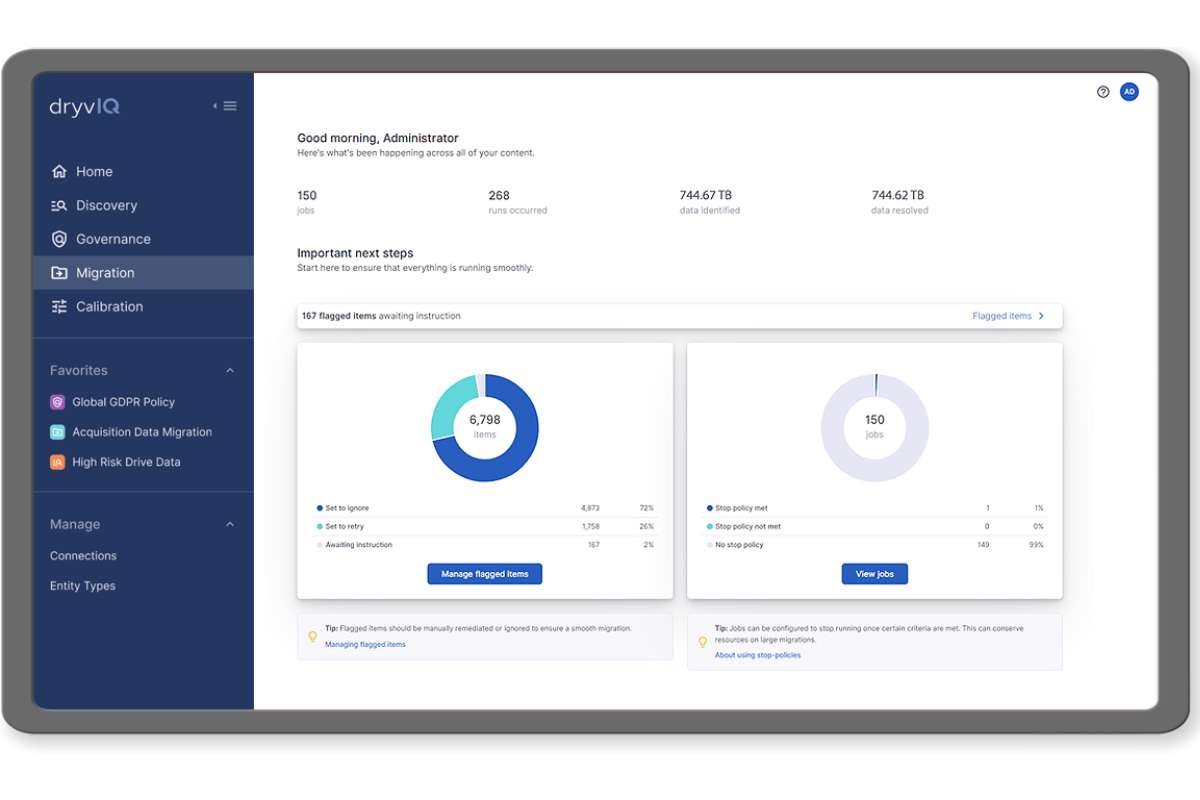
Completion of migration does not signal the end of responsibility. Cleanup tasks include removing obsolete accounts and licenses from the source tenant. Security reviews ensure compliance with organizational policies.
Long term success depends on governance and monitoring. Usage analytics provide insight into adoption patterns. Clear documentation supports future administration and ongoing optimization.
So, the Office 365 tenant to tenant migration step-by-step approach demands precision, structure, and clear communication. Each step builds on the previous phase to protect productivity and data integrity. Thus, a guided approach transforms complex transitions into controlled and successful outcomes.