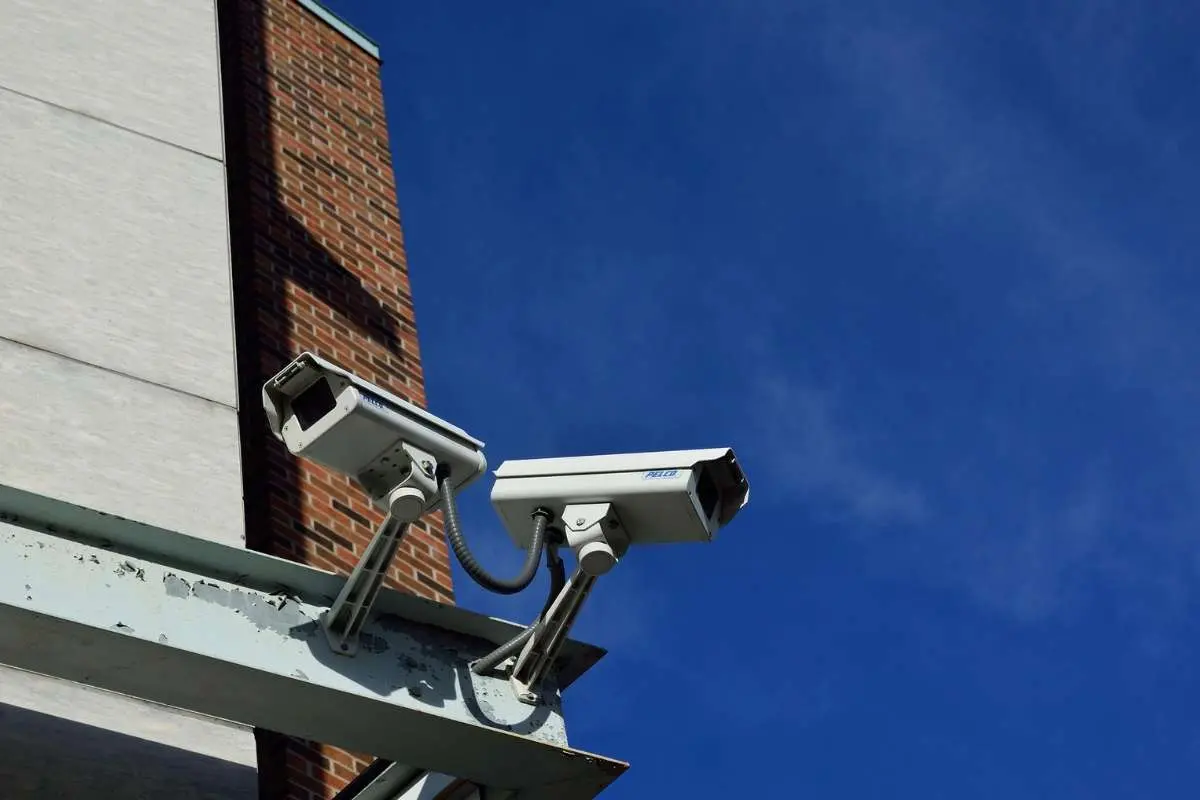
When you walk into any modern office out there, be it a retail space or a warehouse, chances are that there are cameras everywhere. However, what many people often don’t realize is that simply having cameras is no longer going to be enough.
Businesses today need a lot more than just footage. They need systems that can help them to actually use that information in an effective manner.
This shift is changing how organizations look at surveillance. It is no longer about simply recording events. It is also about analyzing, managing, and responding to what is happening in real time.
From basic cameras to smart systems
In the past, surveillance has been very passive. Cameras would record footage, and if something went wrong, then someone would go back and simply review it. While this approach still has a lot of value, it can be very slow and inefficient.
Modern businesses are now looking for ways in which they can be a lot more proactive instead of reactive. That’s where newer systems will be utilized.
The need for better control

As your business starts to grow, your security needs will expand as well. Managing multiple cameras across several different locations can often become very complicated if you don’t have the right setup.
When you have centralized control, it’s going to allow your team to monitor all activities more effectively. You’ll be able to respond whenever it becomes necessary.
Without that type of control, important details are going to be very easily missed.
Making video surveillance systems work in real time
One of the biggest challenges that have happened in the last few years is the ability to use surveillance systems in real time. Instead of having to wait until something happens, you can monitor situations as they are unfolding.
This allows you to make quicker responses and better decisions. This is especially useful in environments where timing is key. Real-time awareness will change exactly how video surveillance systems are used.
The role of integrated management systems

This is where video surveillance management systems come into play. Instead of treating each camera as though it is a separate unit, these systems will bring everything under one platform this makes it a lot easier for you to view footage, respond to incidents, and manage your settings without having to switch between different tools.
Integration will assist you with simplifying what would otherwise be a very complex process.
Supporting more than just security
While security is still a major focus, video surveillance systems are now being used for a lot more than simply providing protection. Businesses are using it to understand patterns, improve efficiency and monitor their operations on a daily basis.
This broader use is what makes surveillance such a valuable part of daily operations for businesses.
Reducing complexity for teams

Managing multiple systems is often very time-consuming. It can also get confusing. Integrating platforms will reduce that complexity by offering a single place in which everything can be managed.
This will allow your team to work a lot more efficiently without needing to juggle multiple tools or processes all at once.