



In the event of a sudden increase in website traffic as a result of seasonal launches, social media buzz, or marketing activities, there is a strain of concurrent threads on the system’s server. With shared hosting, the increased concurrency results in rapid exhaustion of the server resources. When hundreds of users hit the site at once, database connection pools become exhausted, the system memory runs out, and the server limits compute time resulting in poor Time To First Byte (TTFB).
This limitation is hardly ever due to inadequate bandwidth; instead, it arises because of kernel-level contention and resource encroachment by unmetered tenants. An application requires deterministic resource allocation to manage traffic surges effectively, which makes VPS hosting for high traffic websites an ideal performance solution.
Virtualization at the hardware level and isolated compute cores
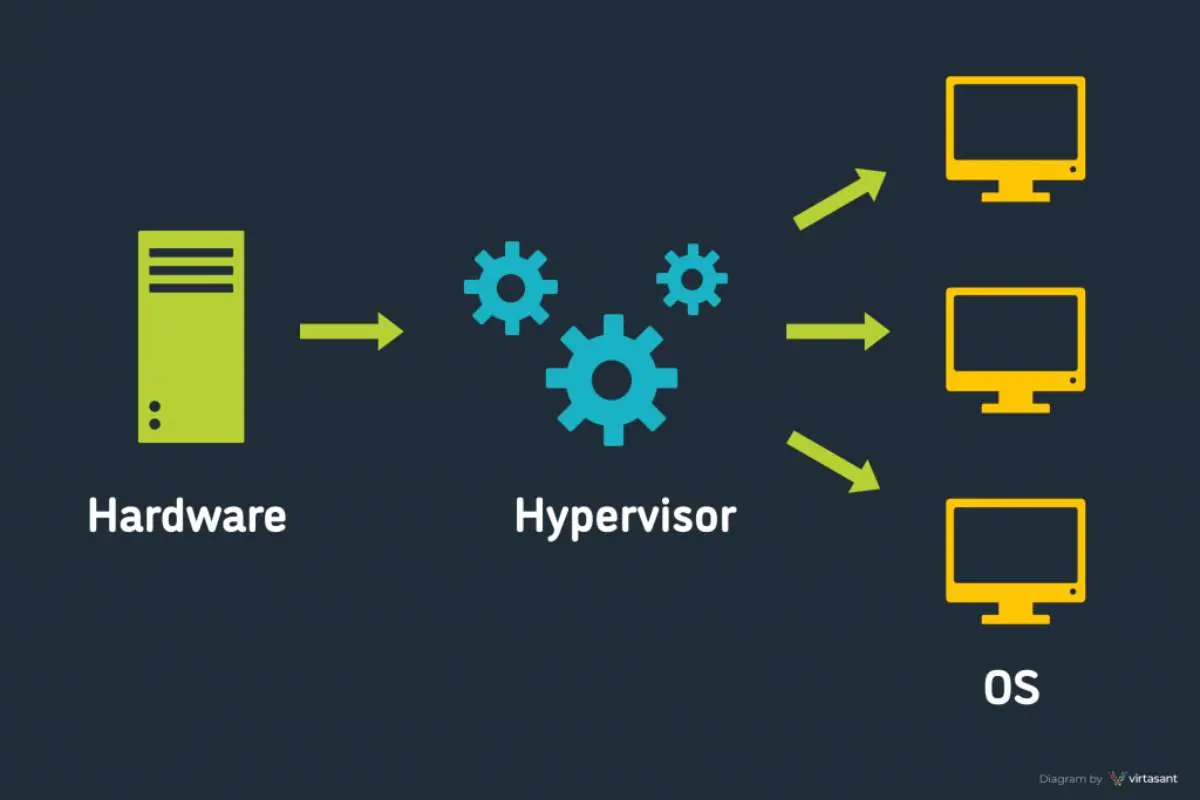
Most VPS servers are now based on hardware-level virtualization technology. Unlike basic shared hosting servers where thousands of applications contend for CPU time on the same thread in the same user space in the operating system environment, hardware-level virtualization involves the separation of actual hardware into distinct virtual machines. Every virtual machine gets allocated its own CPU cores (vCPU), dynamic RAM and disk channels which are controlled by kernel control groups (cgroups).
Since the bounds set by the virtualized environment are strictly enforced, any workload created by other VMs running on the same physical server hardware cannot spill over into your computing core resources. This separation guarantees that there is no noisy neighbor phenomenon. For firms with mission-critical services, choosing to use reliable website hosting on VPS guarantees the determinism necessary when faced with unexpected concurrency levels. Regardless of whether a tenant in the same physical server experiences huge spikes in traffic volume or runs heavy-duty batch processes, your allocated cores will keep processing web requests without CPU time slicing effects.
Dedicated RAM & IOPS: Tackling the I/O wait limitation
If the amount of web concurrency increases, then the major problem becomes not CPU usage but lack of memory and I/O waits. In case of high traffic, if the app uses more memory than is allotted for it, the inactive memory segments get swapped to swap space, which is the temporary place on the hard drive. Since hard drive operations are significantly slower than operations on physical RAM, it causes severe latency problems. If the situation with memory usage is left unattended, then the kernel kills OOM processes such as PHP-FPM, MySQL, or reverse proxy servers.
Choosing VPS hosting for high traffic websites resolves this issue by providing dedicated, non-volatile RAM alongside high-performance NVMe solid-state storage. With ample memory, web servers maintain optimal buffer caches, database index tables remain fully cached, and worker threads stay active without triggering swap space. Furthermore, partitioning NVMe storage across modern fabrics minimizes queue depth and maximizes IOPS under heavy concurrency.
Granularity at root level and optimization of software stack
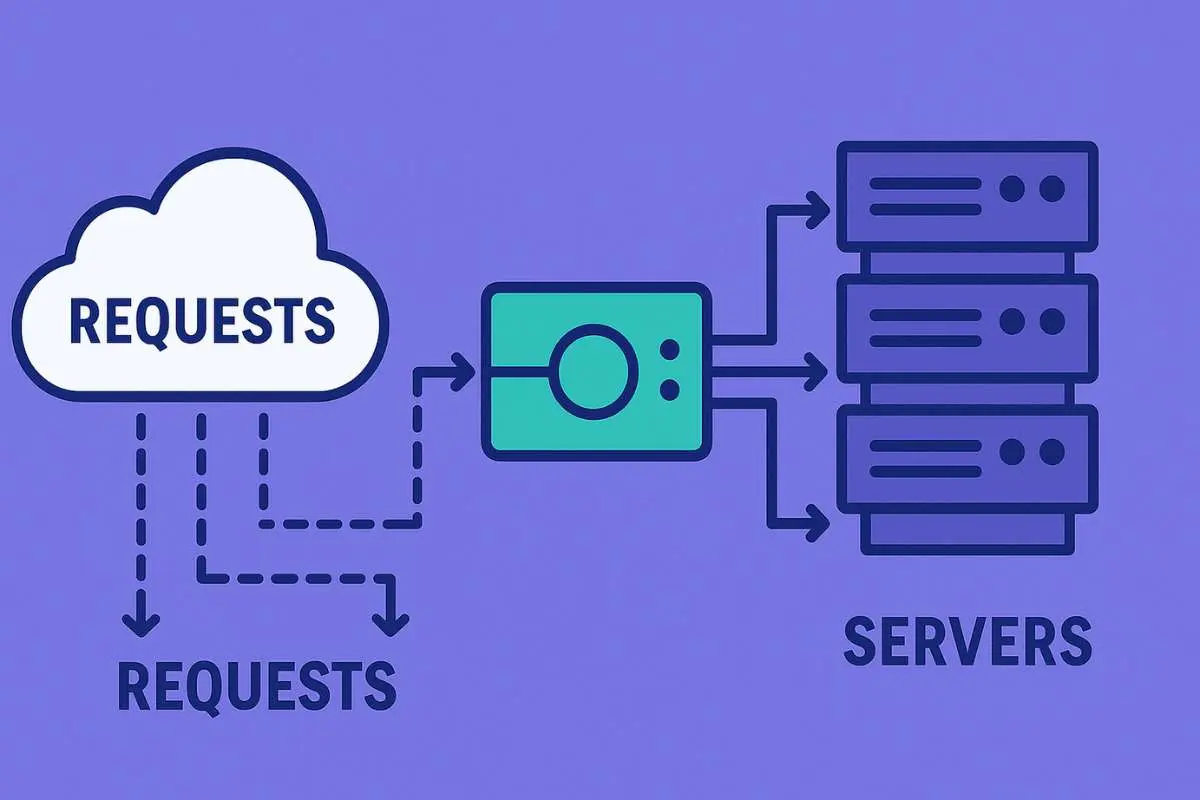
Apart from allocating hardware, performance in high traffic scenarios is also highly dependent on how effectively the web server daemons are configured for multi-threading capabilities. With shared hosting, you are limited to a predefined server environment meant to contain any malicious activities within it and not for achieving maximum speed. When you decide to Host Your Website on a VPS, you will have root access to your server and can customize everything based on your application’s needs.
Having root permissions for the underlying OS allows the technical team to use alternative asynchronous event-driven web servers such as Nginx or high concurrency alternatives such as LiteSpeed, tweak the number of worker processes and use in-memory key value storage engines such as Redis or Memcached for caching persistent objects. The root level access to the system allows for low-level Linux kernel optimization. System engineers can tweak various TCP networking stack parameters by using sysctl.conf file – such as adjusting connection backlog queue (net.core.somaxconn), increasing ephemeral port range and configuring optimal TCP keep-alive intervals.
Predictable latency and enterprise growth resilience
When considering web performance engineering, average response times tend to mask major operational weaknesses. What really counts when there is a significant increase in traffic is 95th and 99th percentile (p95/p99) latency – the actual user experience of making requests for dynamic database queries and checkout operations at peak operational times. If page response times are erratic due to traffic spikes, Core Web Vitals scores drop, resulting in reduced conversion rates and organic search visibility.
By choosing VPS hosting for high traffic websites, you gain access to hardware-level compute isolation, RAM buffering, and predictable NVMe storage processing pipelines paired with flexible software-level tuning. This approach bridges the gap between the expensive overhead of unmanaged dedicated hardware and the performance vulnerabilities of shared servers. As digital brands grow, virtual private infrastructure turns capacity management into a competitive edge, converting high traffic into sustainable business growth. This predictable operational behavior helps ensure memory allocations remain uncompromised, maintaining consistent cache invalidations and sub-second response times even during unexpected operational pressure.