Shipping goods across the globe involves a high-stakes coordination of logistics, machinery, and physical labor. Many companies focus almost exclusively on the visual appeal of their retail packaging or the speed of the final delivery, yet they frequently ignore the foundation of the entire process: the pallet. This basic platform acts as the primary anchor for international commerce. When this foundation fails, the consequences are severe, leading to ruined inventory, workplace accidents, and major financial setbacks.
Moving toward a more strategic, thoughtful approach to palletizing is a vital investment in the safety, productivity, and long-term viability of a business.
Choosing the Right Materials
Selecting the appropriate pallet material serves as the first step toward failure-free shipping.
- Wood pallets remain the industry standard due to their strength and affordability, but they require strict adherence to international phytosanitary regulations to prevent the spread of pests.
- Plastic pallets offer a durable, hygienic alternative, particularly for companies operating in the food or pharmaceutical sectors where contamination risk must remain at absolute zero.
- Composite pallets are also gaining traction, providing lightweight yet robust solutions that reduce shipping costs.
Beyond the pallet itself, the choice of securing materials is equally vital. High-performance stretch wraps, non-slip friction sheets, and industrial-strength strapping are engineered components designed to keep your load intact from the warehouse floor to the final destination.
Moreover, the integrity of your supply chain depends on high-quality pallet packaging that can withstand the rigors of transit without compromise. Achieving this level of security requires more than just good materials; it demands a partnership with a trusted pallet packaging supplier who understands these technical requirements and can provide the reliable, compliant solutions necessary for total product protection and the preservation of your reputation.
The Role of Stability in Transit

The primary purpose of pallet packaging is to transform loose, individual items into a single, cohesive unit load. When a stack of products sits precariously on a pallet, it becomes a liability the moment the forklift lifts it. Vibration, sudden braking, and the natural swaying of trailers during the transportation process exert immense forces on cargo. To combat this, shippers must master the art of load stabilization.
This goes beyond wrapping a stack in plastic film. It involves aligning boxes to ensure vertical column strength, utilizing corner boards to distribute weight evenly, and applying film through precise stretch wrapping techniques with the correct tension. A stable load distributes weight across the pallet deck, preventing individual boxes from crushing under the pressure of their neighbors.
Effective stabilization also minimizes the risk of load shift, which can lead to catastrophic vehicle accidents or workplace injuries during unloading. It creates a rigid structure capable of withstanding centrifugal forces, protecting product integrity and reducing costly insurance claims.
The Impact of Proper Stacking
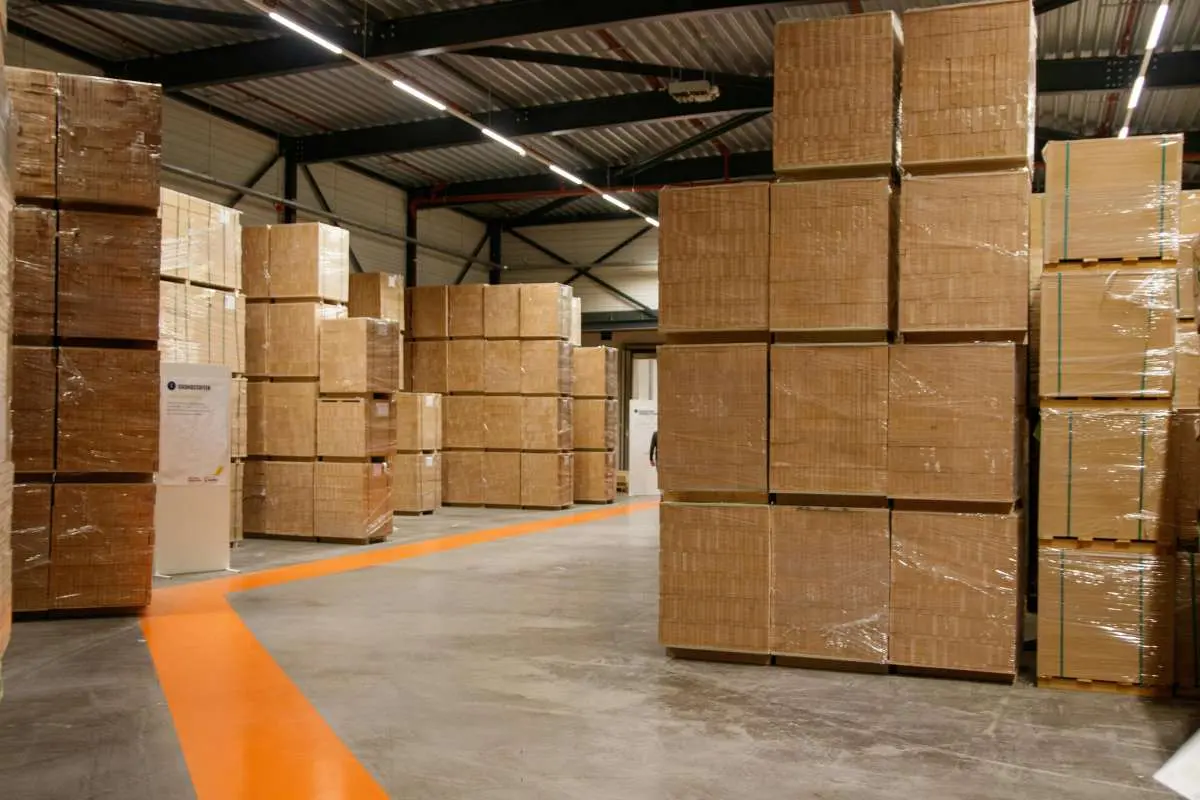
Physics dictates how a pallet will behave under stress. The most common error in pallet packaging is improper stacking, which often leads to the phenomenon known as edge compression. When boxes overhang the edges of a pallet, they lose significant structural integrity. Even a small amount of overhang can reduce the crush strength of a box. Effective stacking requires a flush alignment, ensuring that the corners of the shipping containers line up with the corners of the pallet.
Furthermore, interlocking layers creates a weave that resists the shifting forces of a truck in motion. If the stack looks like a Jenga tower, it’s already failing. Professionals prioritize a flat top surface and a center of gravity that remains low and central, providing the stability necessary to withstand the rigors of modern logistics.
Sustainability and Efficiency

Modern pallet strategies must align with environmental goals. Waste reduction has moved from a corporate talking point to a bottom-line requirement. Shippers can significantly reduce their carbon footprint by switching to reusable pallet programs or adopting lighter materials that decrease fuel consumption during transit.
Automation also plays a role in driving efficiency. Robotic palletizers now perform the work of stacking with a precision that human hands cannot replicate consistently. These machines apply film with uniform tension and stack boxes in patterns optimized for maximum density. While the initial capital expenditure for such technology is high, the reduction in product damage and waste provides a rapid return on investment.
Conclusion
Improving how we handle pallets requires a real change in how an entire company thinks. It means that everyone, from warehouse managers to the logistics team, needs to stop seeing the pallet as an afterthought and start treating it like a core piece of infrastructure. When a business makes the integrity of its cargo a priority, it avoids insurance headaches and builds trust with customers who expect their orders to arrive in perfect condition.