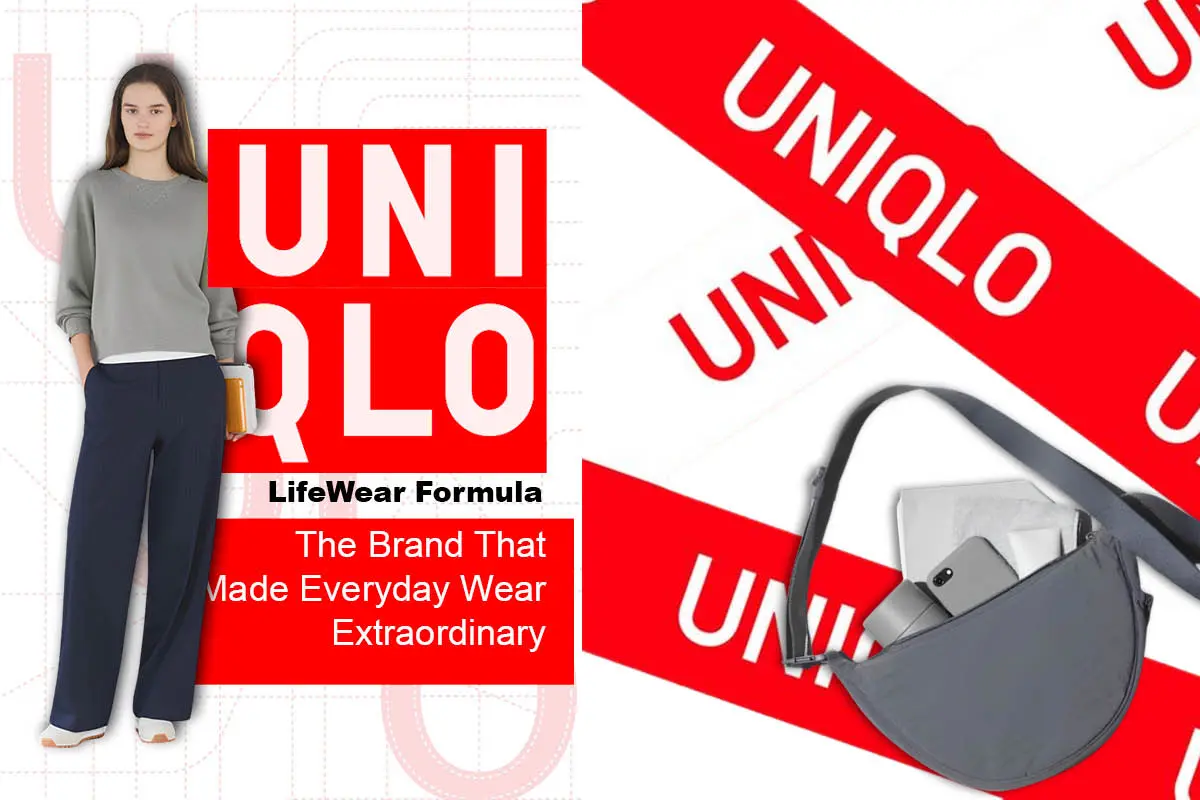
Fashion is a reflection of one’s personality. It can be loud, bold, elegant, or practical. Today, it’s one of the fastest-paced industries, shaped by business and new trends. Long before fashion became synonymous with revamping the aesthetics, one brand chose a different path, one that focused on simplicity, functionality, and timeless everyday wear.
At a time when fashion was largely about statement pieces and glamorous designs, Tadashi Yanai created a brand that didn’t quite fit into the industry’s puzzle. In 1984, he opened Unique Clothing Warehouse, a clothing store in Hiroshima, Japan. His idea was to create clothing that was simple, clean in design, comfortable to wear, and suitable for anyone, anytime. Unique Clothing Warehouse was shortened and renamed to what we see today, UNIQLO LifeWear, a brand known for its affordable premium clothing.
What Defines the UNIQLO Brand?

UNIQLO LifeWear’s global success is built on four core pillars that shape every product it creates.
- Pillar 1: Simple Design – Timeless everyday essentials designed to be worn anywhere, anytime, and in every season, from T-shirts to innerwear.
- Pillar 2: High Quality – Durable, comfortable clothing made with premium materials and continuous fabric innovation.
- Pillar 3: Affordable Value – Premium-quality apparel offered at accessible prices, delivering value beyond its cost.
- Pillar 4: Clothing Technology – HEATTECH, AIRism, and Ultra Light Down are all product lines built using technology, ensuring customer comfort and style in UNIQLO LifeWear.
Together, these pillars make UNIQLO a brand that delivers timeless, high-quality everyday clothing with lasting value.
Brand Timelines and Milestones
From a single breakthrough product to a globally known apparel brand, UNIQLO LifeWear’s journey has been shaped by innovation, quality, and strategic expansion.
- 1998 | The Fleece Revolution
- Launched an affordable, high-quality fleece jacket that sells millions of pieces and brings the brand nationwide fame.
- 2001–2002 | Global Expansion
- Opens its first international store in London (2001), followed by Shanghai (2002), paving the way for worldwide expansion.
- 2004 | Global Quality Declaration
- Partners with leading textile manufacturers to develop innovative fabrics, shifting from a discount retailer to a quality-driven global brand.
- 2000s – Present | Building the UNIQLO LifeWear Identity
- Establishes itself as a practical, stylish everyday wear while developing iconic product lines.
Global Footprint | Flagship Stores
Operates flagship stores across –
- South Korea
- China
- The United States
- Southeast Asia
- Australia
- India
- Europe
These milestones reflect how UNIQLO grew into a global LifeWear brand with a presence across major markets worldwide.
Brand Strategy & Marketing
UNIQLO LifeWear is built on the philosophy of “Made for All”, creating timeless, functional, and comfortable clothing for people of all ages, genders, and lifestyles.
- Timeless Design: Clean, minimalist styles that stay relevant season after season rather than following short-lived trends.
- Everyday Comfort: Soft, breathable, and stretchable fabrics designed to keep people comfortable throughout the day.
- Practical Everyday Wear: Versatile pieces that can be worn to work, while travelling, at the gym, or for casual everyday occasions.
- Authentic Brand Communication: Simple visuals and campaigns featuring real people and everyday moments reflect the values of UNIQLO LifeWear.
- Digital-First Experience: A personalised website and mobile app, engaging social media content, and creator collaborations make shopping more interactive and convenient.
- Seamless Shopping Journey: Technology-enabled stores, self-checkout, and easy online-to-offline services ensure customers can shop whenever and however they prefer.
This unique approach has helped UNIQLO carve out its own space in the fashion industry, setting it apart from traditional fast-fashion competitors.
Standing Apart from Fast Fashion
Key Competitors: ZARA, H&M
Although UNIQLO LifeWear competes with brands like ZARA and H&M, it follows a unique strategy. Instead of encouraging customers to buy the latest trends every season, UNIQLO focuses on creating everyday essentials that remain relevant year after year. Its products are designed with an emphasis on quality, comfort, and practicality, giving customers clothing that offers long-term value rather than short-term appeal.
What sets UNIQLO LifeWear apart?

Fashion Philosophy
UNIQLO LifeWear → Timeless everyday essentials
ZARA & H&M → Trend-led seasonal collections
⬇
Product Strategy
UNIQLO LifeWear → Fewer styles, longer product life
ZARA & H&M → Frequent new collections, f
⬇
Materials
UNIQLO LifeWear → Greater use of natural materials (30% cotton, 20% polyester)
ZARA & H&M → Greater reliance on synthetic fabrics
⬇
Price Position
UNIQLO LifeWear → €20–30 (Affordable Premium)
ZARA & H&M → €10–20 (Affordable Fashion)
⬇
Customer Experience
UNIQLO LifeWear → Wide colours & sizes, organised stores
ZARA & H&M → Seasonal assortments, fast-paced stores
⬇
Collaborations
UNIQLO LifeWear → Designers, artists & local creatives
ZARA & H&M → Luxury brands & celebrities
⬇
Growth
UNIQLO LifeWear → 1.026 Trillion Yen revenue (+14.5% Year-on-Year, FY2019)
ZARA & H&M → Continued global expansion
Rather than competing on the speed of fashion, UNIQLO LifeWear competes on quality, longevity, and everyday functionality. This distinctive approach has allowed the brand to carve out a space between premium apparel and traditional fast fashion, setting it apart from competitors such as ZARA and H&M.
Read More: Lululemon’s Success Layer by Layer: A Yoga Mat Framework for Brand Growth
UNIQLO LifeWear SWOT Analysis
SWOT analysis highlights the differences shaping UNIQLO LifeWear’s position in the global fashion industry, from its core strengths to the opportunities and challenges that will influence its future growth.

| SWOT | Key Points |
| Strengths | High-quality clothing at affordable pricesStrong clothing technology and fabric innovationStrong global brand presenceDurable, long-lasting products |
| Weaknesses | Sustainability initiatives can be strengthened furtherLess trend-focused than fast fashion brandsNeeds better adaptation to local markets and climatesA single global strategy may not suit every market |
| Opportunities | Strengthen sustainability as a core brand pillarIntroduce more limited-edition collectionsExpand collaborations with designers and local artistsLeverage AI and technology to enhance customer experienceContinue expanding into new global markets |
| Threats | Intense competition from fast fashion brandsSupply chain disruptionsRising production and operating costsRapidly changing consumer preferences and fashion trends. |
By building on its strengths and adapting to changing consumer expectations, UNIQLO LifeWear is well positioned to maintain its competitive edge and continue its global growth.
Expert Insight: Innovation at the Heart of UNIQLO

Management thinker Peter Drucker believed that the only two functions that truly create value in a business are innovation and marketing. UNIQLO LifeWear is a strong example of this philosophy in practice. Rather than relying on constantly changing fashion trends, the brand invests in improving the product itself. Every collection is built around solving everyday needs through better design, comfort, and performance.
The brand continuously improves its materials and craftsmanship, reinforcing its reputation for quality, functionality, and everyday wear.
| Spotlight Box: Roger Federer x UNIQLO (2018) A massive recognition for UNIQLO in global markets came in July 2018 through a partnership with Roger Feder, a tennis player. He walked in for the match with UNIQLO’s red logo standing in contrast on his white clothing, announcing himself as the brand ambassador. After ending his 24-year partnership with Nike, Roger Federer signed a 10-year, $300 million deal with UNIQLO, giving the brand significant global exposure.The announcement quickly became one of the biggest talking points in the sports and fashion world. |
Major Controversies & their Impact
- South Korea: A subtitle in a UNIQLO advertisement was seen as insensitive to Korea’s history under Japanese colonial rule, triggering consumer backlash and calls for boycotts.
- China: Comments by the CEO regarding Xinjiang cotton drew criticism in China, damaging the brand’s reputation and creating political pressure in one of its largest markets.
- Indonesia: UNIQLO faced criticism over garment workers’ rights at supplier factories, raising concerns about labour practices and supply chain ethics.
Impact: These controversies affected UNIQLO LifeWear’s brand image in key markets, led to consumer criticism and boycott campaigns, and highlighted the importance of cultural sensitivity, ethical sourcing, and responsible supply chain management.
Sustainability: Small Steps, Big Impact
UNIQLO LifeWear believes that even small efforts can make a big difference. By making simple changes across its large-scale operations, the brand is working towards a more sustainable future.
- Recycling Old Clothes: Customers can return used UNIQLO clothing, which is either recycled into new materials or donated.
- Clothing Repair Services: To help clothes last longer, UNIQLO offers repair services at selected stores, encouraging customers to reuse instead of replace.
- Better Materials: The brand is using more recycled materials in its production.
Closing Note
UNIQLO LifeWear’s journey shows that success in fashion isn’t always about following trends; it’s about creating lasting value. By combining simple design, innovative clothing technology, and everyday functionality, the brand has built a global identity that stands apart from fast fashion. While challenges around sustainability and global operations remain, UNIQLO continues to grow, proving that timeless design and continuous innovation can be the foundation of long-term success.
Read More: Decathlon Business Model: Beyond “Cheap for Everyone” in Sports Retail