Industrial workplaces can become uncomfortable quickly when dust, fumes, vapors, or heat build up indoors. Poor air quality can affect concentration, comfort, productivity, and long-term workplace safety.
According to research published by the American Thoracic Society in 2025, around 20 million US workers face workplace air pollution exposures. Indoor warehouse and manufacturing employees face significant risk when ambient outdoor pollutants infiltrate poorly managed facilities.
To solve this problem, you do not need complicated systems to start improving conditions around your facility. A practical approach begins by understanding where airborne hazards originate every day.
Improving your industrial air quality is one of the most effective ways to create a cleaner, safer workplace for your workers.
Know where your air quality problems begin
Before changing anything, spend time identifying activities that affect indoor air quality. The US Bureau of Labor Statistics reported 224,450 private industry cases of exposure to harmful substances and environments requiring job restrictions or days away from work between 2023 and 2024. In fact, 87.6% of those toxic exposure incidents were serious enough to force workers off the job for at least one full day.
Identifying where airborne chemical hazards originate on your shop floor is essential for preventing these types of major lost-time incidents.
Walk through the facility during normal operations and observe where fumes, dust, or odors appear. Pay attention to welding stations, chemical storage areas, loading zones, and production equipment. Ask employees which locations feel stuffy, irritating, dusty, or unusually warm. Their everyday experiences can reveal issues that routine inspections sometimes miss completely.
You should also review chemical labels and safety data sheets for relevant exposure information. These documents can help you understand potential hazards associated with materials used onsite. Consider when pollutants appear, how long they remain, and which workers encounter them. Simple observations can reveal whether ventilation problems are localized or spread throughout your facility.
Once sources become clearer, you can choose controls that address actual workplace conditions. It also makes future maintenance and safety decisions much easier to manage. Accurate observations give you a much stronger practical foundation for every important later decision today.
Strengthen ventilation and control contaminants
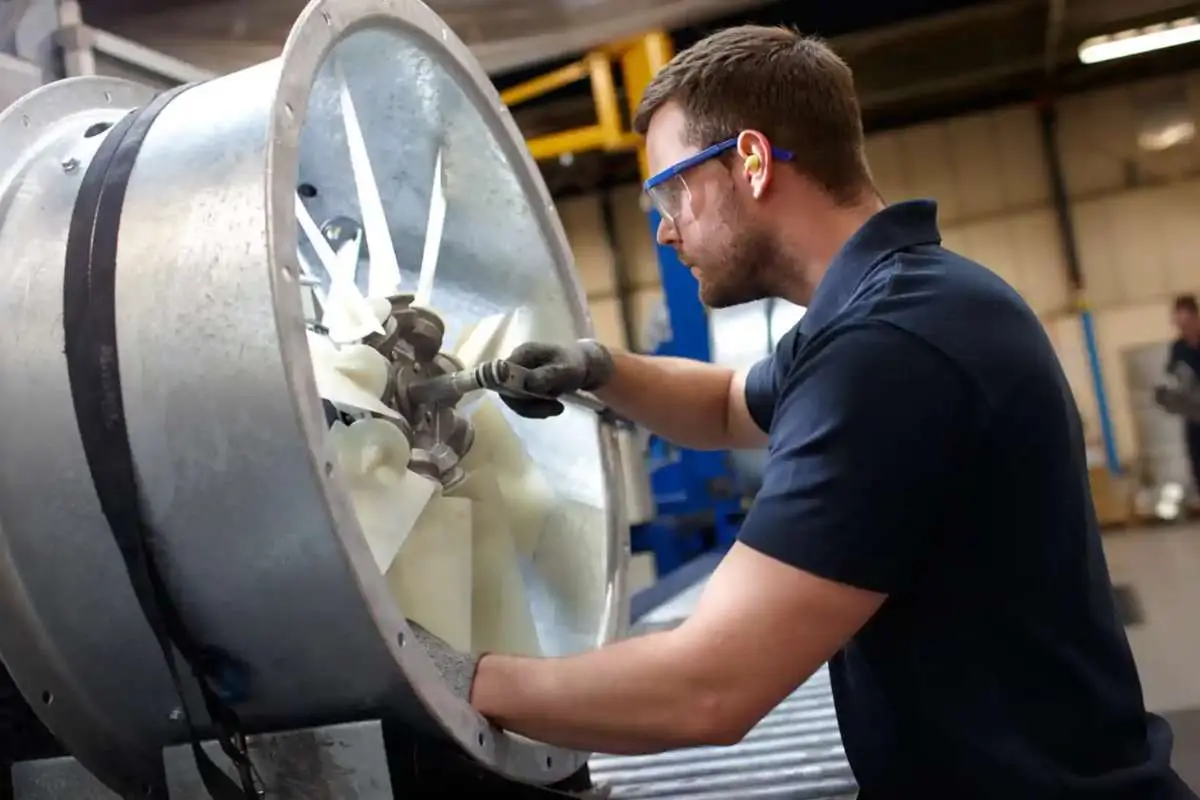
Good ventilation plays a central role in maintaining industrial air quality across manufacturing and production workspaces. However, simply running fans does not guarantee that contaminated air leaves effectively. Ventilation systems should capture pollutants near their source whenever practical to maintain baseline standards.
Local exhaust systems can remove fumes before they spread across occupied areas. General ventilation can then help replace contaminated indoor air with cleaner outdoor air. Your facility may need both approaches depending on the work performed there.
Keep intake and exhaust locations positioned carefully to prevent contaminated air recirculation. Inspect ducts, filters, fans, and extraction points regularly for blockages or damage. Even well-designed ventilation systems become less effective when maintenance gets overlooked.
Airflow can also change after equipment moves or production processes are redesigned. You should also avoid relying on open doors as your primary ventilation strategy. Weather conditions and outdoor pollution can make that approach unreliable throughout the year. Balanced ventilation gives you more consistent control over indoor air movement.
Replace aging equipment before it becomes a problem
Old equipment can quietly undermine safety practices throughout an industrial facility. The US Department of Labor raised maximum federal OSHA civil penalties to $16,550 per serious equipment safety violation in 2025. Furthermore, the maximum penalty for willful or repeated failures to remediate hazardous machinery grew to $165,514 per violation.
Machines with worn seals, weak extraction systems, or outdated controls may release pollutants. They can also consume more energy while delivering less reliable performance during demanding operations.
Replacing worn, pollutant-leaking industrial machinery protects facilities from suffering severe financial penalties. Inspect older machinery regularly and identify equipment that creates recurring maintenance concerns.
Auto repair shops provide a practical example of where equipment upgrades can matter greatly. If you plan to buy a new spray booth, choose equipment designed for effective ventilation. Modern paint booths can help control overspray and improve air movement during finishing work.
A new paint booth may provide better containment when applying car paint. According to GSB Industries, clean air filters used in modern paint booths and ventilation systems protect your workers. They also keep you following legal safety rules.
Replacing outdated units can provide better containment, efficiency, and dependable workplace performance. Look beyond purchase price and consider maintenance, downtime, energy use, and worker protection.
Keep filters, ducts, and safety systems maintained
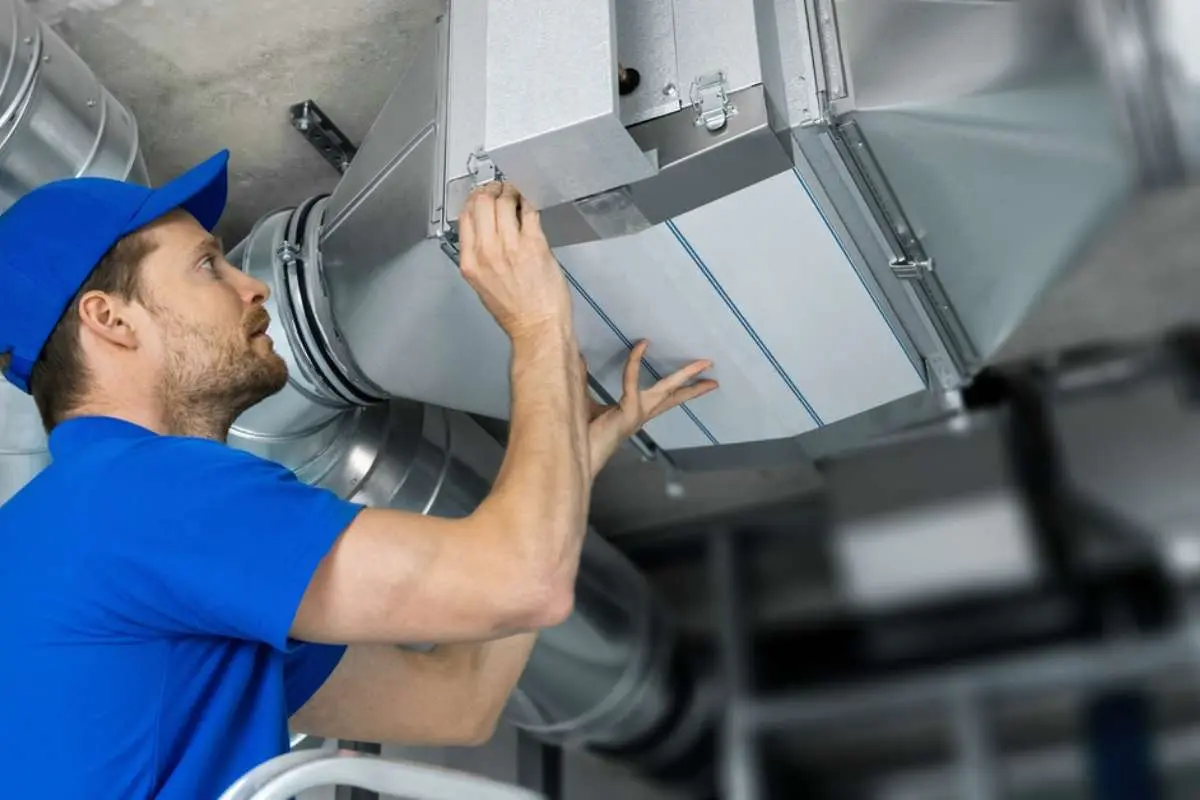
Even excellent equipment cannot perform properly when routine maintenance falls behind schedule. Filters collect particles over time, reducing airflow and placing additional strain on ventilation systems.
Dirty filters can make indoor conditions worse while increasing energy consumption. Establish maintenance schedules based on manufacturer recommendations and actual workplace operating conditions.
Check filters, fans, ducts, vents, seals, and extraction points during inspections. Replace damaged components promptly instead of allowing small problems to become failures. Keep written maintenance records so recurring issues remain visible to supervisors and facility managers.
Records also help identify equipment that requires unusually frequent attention. When workers notice strange odors, reduced airflow, or unusual equipment sounds, encourage immediate reporting. Small changes can indicate developing problems before they affect larger areas.
Monitor relevant air conditions regularly, using suitable sensors, sampling, or professional assessments. Compare results with earlier readings and adjust controls when workplace conditions change. Seasonal shifts can also influence ventilation, so review performance throughout the year.
Train workers to recognize and report air hazards
Your industrial air quality program becomes stronger when employees understand what they should watch for. Workers often notice changes before supervisors can identify them through scheduled inspections.
Give everyone practical training about fumes, dust, vapors, odors, and ventilation concerns. Explain which symptoms or workplace conditions should be reported immediately.
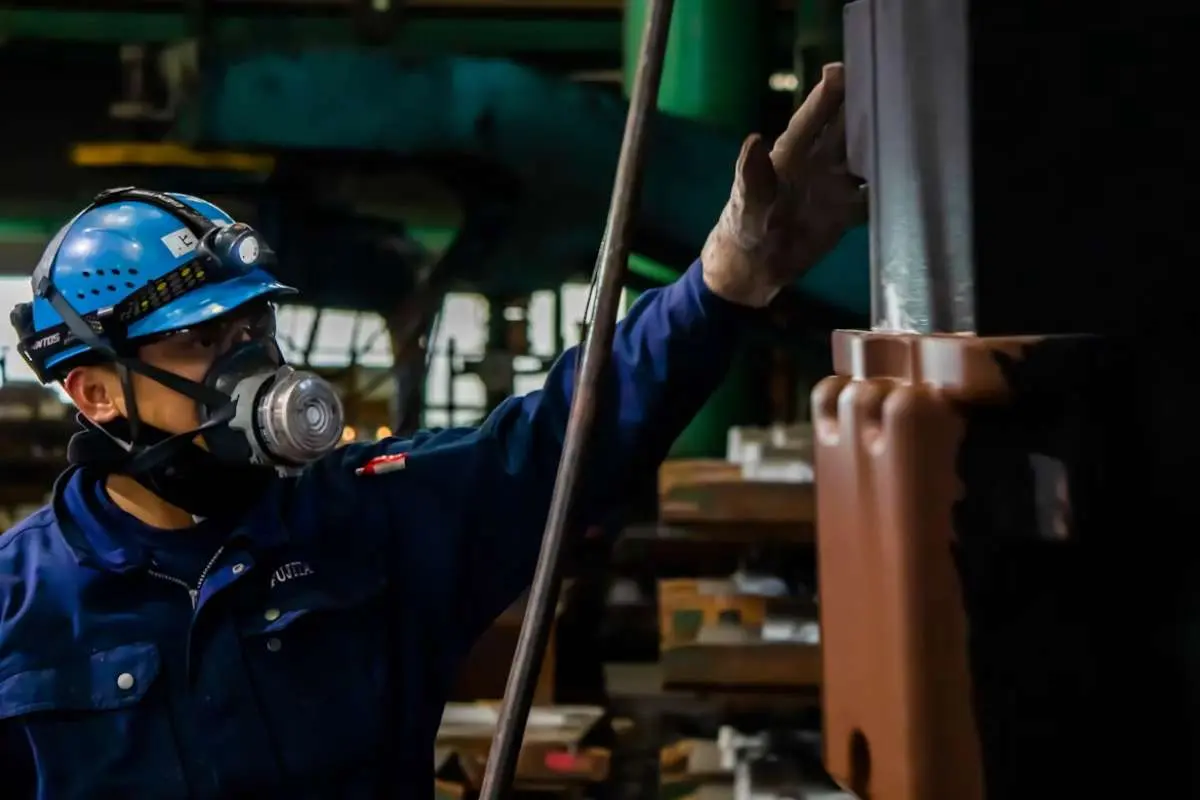
Training should also cover correct use of respirators and other required protective equipment. Personal protective equipment should support engineering controls rather than replace proper contamination control. Make reporting straightforward so employees do not worry about slowing production unnecessarily. Supervisors should respond seriously whenever someone reports an air quality concern.
Refresh training whenever processes, chemicals, machinery, or ventilation systems change significantly. New employees should receive appropriate information before entering areas with known airborne hazards. Keep instructions clear enough that workers can remember them during busy shifts.
FAQs
1. What are the main sources of poor air quality in industrial workspaces?
Industrial air pollution can come from welding fumes, chemical vapors, dust, combustion processes, solvents, paints, exhaust emissions, and airborne particles generated during manufacturing. Poor ventilation can make these contaminants more concentrated by preventing fresh air from entering and polluted air from being removed. Equipment leaks, inadequate maintenance, and poorly controlled processes can further contribute to indoor air-quality problems.
2. How does exposure to poor industrial air quality impact worker health and safety?
Exposure depends on the contaminant, concentration, and duration. Poor industrial air quality can cause respiratory irritation, headaches, dizziness, skin or eye irritation, and other health effects. Long-term exposure to certain chemicals, dusts, fumes, or particulates can contribute to more serious occupational diseases.
3. What air quality standards and regulatory guidelines apply to industrial manufacturing facilities?
In the US, industrial facilities generally need to follow applicable OSHA permissible exposure limits (PELs) for regulated workplace contaminants. OSHA’s general industry standards also address respiratory protection, ventilation, hazardous chemicals, and other workplace hazards. Depending on the facility and pollutants involved, NIOSH recommended exposure limits (RELs) and EPA regulations may provide additional guidance or requirements.
Key data points on industrial air quality & safety
| US workers facing workplace air pollution exposures | Around 20 million |
| Private industry cases involving exposure to harmful substances and environments requiring job restrictions or days away from work, 2023–2024 | 224,450 cases |
| Toxic exposure incidents serious enough to keep workers off the job for at least one full day | 87.6% |
| Maximum federal OSHA civil penalty for a serious equipment safety violation in 2025 | $16,550 per violation |
| Maximum federal OSHA penalty for willful or repeated violations in 2025 | $165,514 per violation |
Managing industrial air quality does not require solving every issue simultaneously across your facility. The most useful improvements usually come from understanding risks and addressing them consistently.
These habits create a practical framework that supports cleaner air and safer daily operations. Most importantly, they show employees that their working environment deserves ongoing attention.
A cleaner workspace can support better comfort while reinforcing responsible industrial operations. Take progress step by step, and focus first on the hazards that matter most. With consistent effort, air quality management can become part of everyday workplace safety culture too.