Internal retention strategies break down when management relies on guesswork to measure workforce satisfaction. Investing blindly in office perks rarely improves daily connection, whereas precise data allows executives to pinpoint what actually drives output.
To catch these operational risks early, modern enterprises implement the best employee engagement software to gather real-time sentiment data through automated check-ins and peer appreciation channels. Unifying these insights gives leadership a clear, data-driven picture of daily team morale.
Streamlining internal communication builds an agile workplace culture where executive decisions align directly with employee needs.
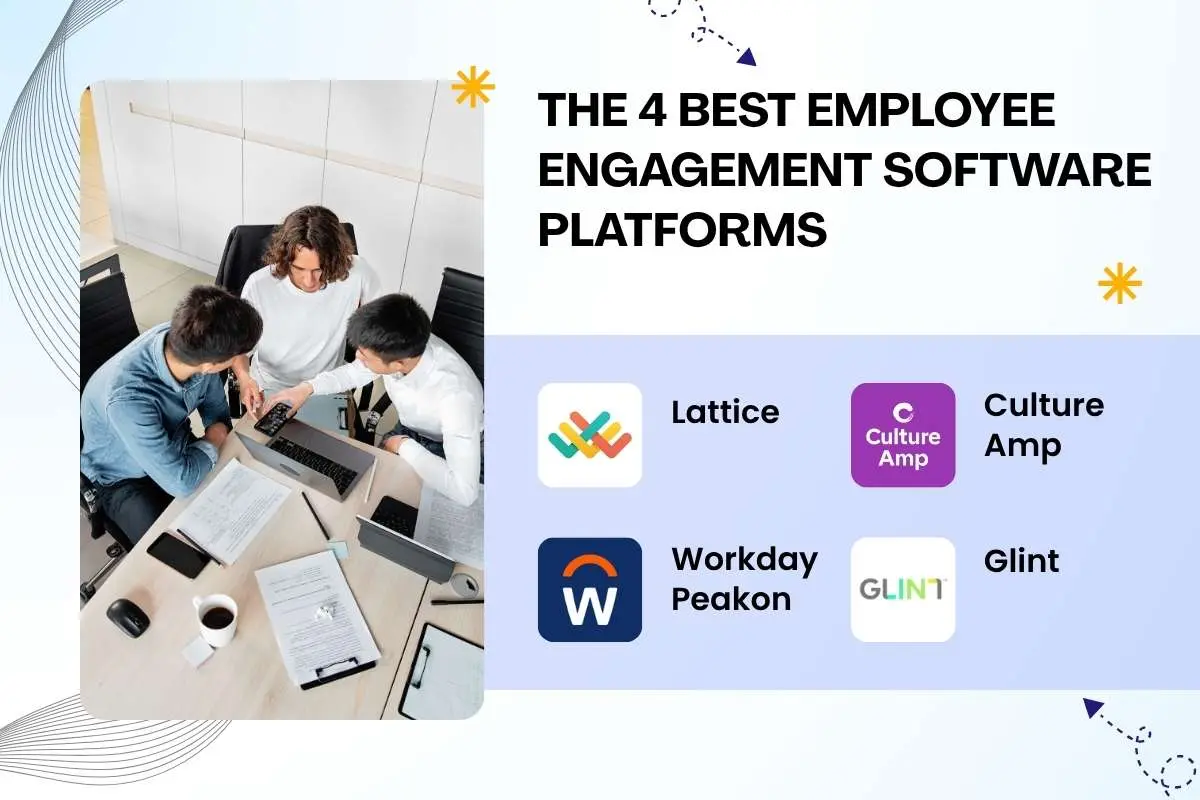
The 4 best employee engagement software platforms
Organisations using effective internal communication tools are 3.5 times more likely to have better business results
Hence, Employee engagement tools help companies hear from their people. They collect feedback, show key trends, and help managers act on what employees say. Each platform has a different focus. The best choice depends on what the company needs and how its teams already work.
1. Lattice
- Key Feature: Performance and employee engagement in one platform.
- Best For: Companies that want to link employee feedback with performance and growth.
Pros: Lattice brings employee engagement and performance work together. This can help managers use feedback during performance talks. This is the best employee engagement software for a way to connect employee growth with wider people goals. It can suit teams that already use regular feedback and performance reviews.
Cons: Some companies may only need a simple engagement tool. They may not need a platform that covers wider performance work. Smaller teams should first check which tools they really need.
2. Culture Amp
- Key Feature: Employee surveys and people analytics.
- Best For: Companies that want detailed employee feedback and survey insights.
Pros: Culture Amp has a strong focus on employee feedback. It helps teams run surveys and study the results. Leaders can use this data to see what affects employee engagement. This can help teams spot areas that need more attention.
Cons: Some teams may not need deep survey data. A smaller company with simple feedback needs may prefer a more focused tool. Teams should match the platform to their goals before making a choice.
3. Workday peakon
- Key Feature: Continuous employee listening.
- Best For: Large companies that need regular feedback from many teams.
Pros: Workday Peakon helps companies collect employee feedback on an ongoing basis. This gives leaders a regular view of employee sentiment. They can track changes over time and see where concerns may be growing. This approach can work well across large workforces.
Cons: Smaller companies may not need a continuous listening system. Their needs may be easier to manage with simpler survey tools. Companies should also check how the platform fits their current HR setup.
4. Glint
- Key Feature: Employee feedback within the Microsoft Viva environment.
- Best For: Companies that already use Microsoft tools.
Pros: Microsoft Viva Glint helps companies collect employee feedback through surveys. It works within the wider Microsoft Viva environment. This can make it a useful choice for companies that already use Microsoft workplace tools. Leaders can review feedback and use the results to guide action.
Cons: Companies that do not use Microsoft tools may see less value in this setup. Teams should check how Glint fits with their current HR and workplace systems. This can help them avoid adding a tool that does not fit their needs.
The right platform depends on the company’s goals. Teams should compare these strengths with their own needs before choosing a platform.
What to look for in the best employee engagement software?
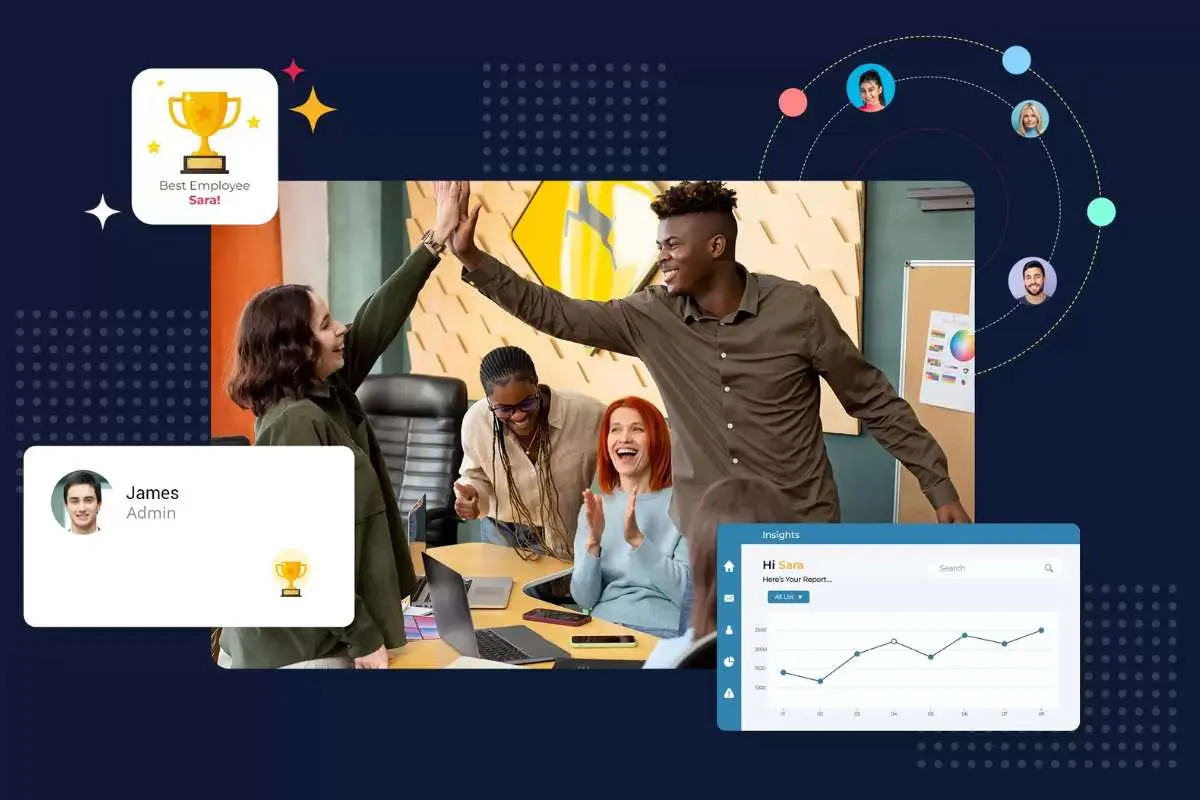
Choosing the right employee engagement software can shape how well an organization collects and responds to employee feedback. A useful platform should do more than send surveys or display scores.
It should help HR teams gather honest feedback, understand what affects engagement, and identify areas that need attention. The right features can also reduce manual work and make follow-up easier for managers.
- Survey and pulse check capabilities: Choose software that supports regular surveys and quick pulse checks. These tools help employees share feedback about their work experience, concerns, and needs.
- Reporting and analytics: Look for reports that break results down by team, department, or engagement drivers. This helps leaders understand where engagement needs attention.
- Integration with HR systems: The platform should connect with existing HR systems. This keeps information connected and reduces repeated data entry.
- Action planning tools: Strong software should help managers turn feedback into clear next steps. Teams can assign actions, set goals, and track progress over time.
Employee engagement software should help organizations move beyond collecting feedback. When the platform connects employee insights with clear actions, managers can respond to concerns and measure progress more effectively.
How to choose from the best employee engagement software for your team?

Choosing an employee engagement platform does not need to feel difficult. Start with your team’s needs, then compare tools based on what they can do. A simple process can help you avoid paying for tools your team will not use.
Step 1: Consider your company size: Start by looking at the size of your workforce. Large companies may need advanced tools, while smaller teams may find enterprise platforms too complex.
Step 2: Decide what matters most: List the features your team needs most. You may need detailed surveys, strong HR system connections, or tools that help managers plan actions.
Step 3: Check how easy it is to use: Do not focus only on what HR can do with the platform. Managers should also find it simple to read feedback, understand results, and take action.
Step 4: Compare the best fit: Review each platform against your needs, team size, and daily work. Choose the tool that solves your main needs without adding unnecessary complexity.
A good platform should make employee engagement work easier. It should fit your team size, support your main goals, and feel simple enough for managers to use. Avoid choosing a tool only because it has more features. Focus on the problems your team needs to solve.
Conclusion:
Engaged employees achieve 14% higher productivity.
Implementing tools provides business leaders with a framework for monitoring workforce morale. When companies move away from annual surveys and embrace real-time feedback loops, leadership can proactively address operational friction before it impacts overall performance.
The employee engagement software market is projected to grow from USD 1.43 billion in 2026 to USD 4.47 billion by 2034, exhibiting a CAGR of 15.30%.
Hence, it is no surprise that more and more businesses are selecting the best employee engagement software that aligns directly with employee needs and broader employee engagement strategies. Organizations that leverage a good employee engagement action plan are highly capable of sustaining long-term business growth.
FAQs
1. How do the best employee engagement software differ from traditional HR systems?
Core HR systems manage operational records, whereas engagement tools focus on sentiment analysis.
2. What specific features should companies look for in these platforms?
Key functionalities include automated pulse surveys, peer-to-peer appreciation tools, goal-tracking dashboards, and actionable analytics.
3. How do digital engagement tools protect employee privacy?
Most modern platforms aggregate survey data and enforce strict minimum group sizes for reporting.
4. Can mobile or deskless employees access these platforms effectively?
Yes, leading software options offer dedicated mobile applications and integrations with daily communication channels.
5. What is the typical timeframe to see a return on investment after implementation?
Organizations generally notice improved survey response rates within 30 to 60 days.