
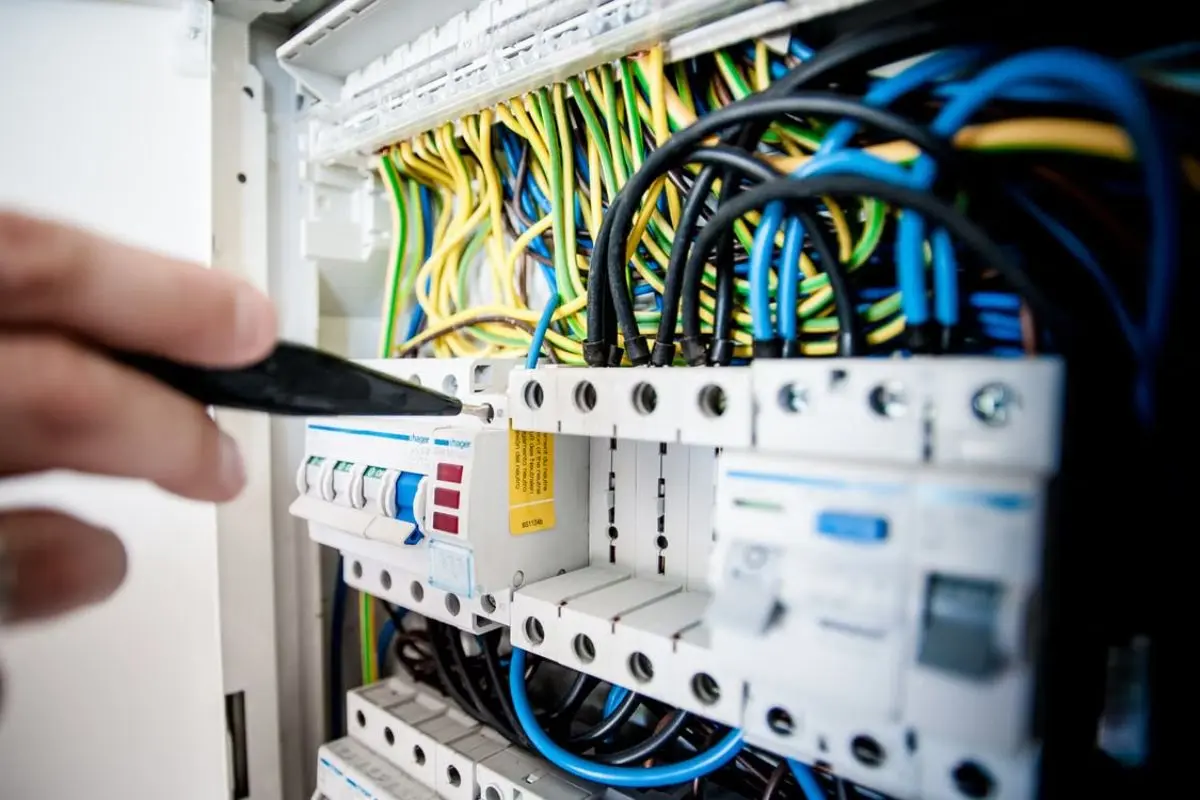
If you run an electrical shop, you already know the jobsite usually isn’t where the week falls apart. It’s the office. A panel upgrade gets quoted on Thursday, the homeowner calls back Saturday afternoon with one quick question, the phone rings out, and by Monday they’ve booked whoever answered first.
Meanwhile, the permit packet for Tuesday’s service change is still sitting half done next to the printer, because the one person who fills those out is also ordering wire and chasing an inspector who won’t call back.
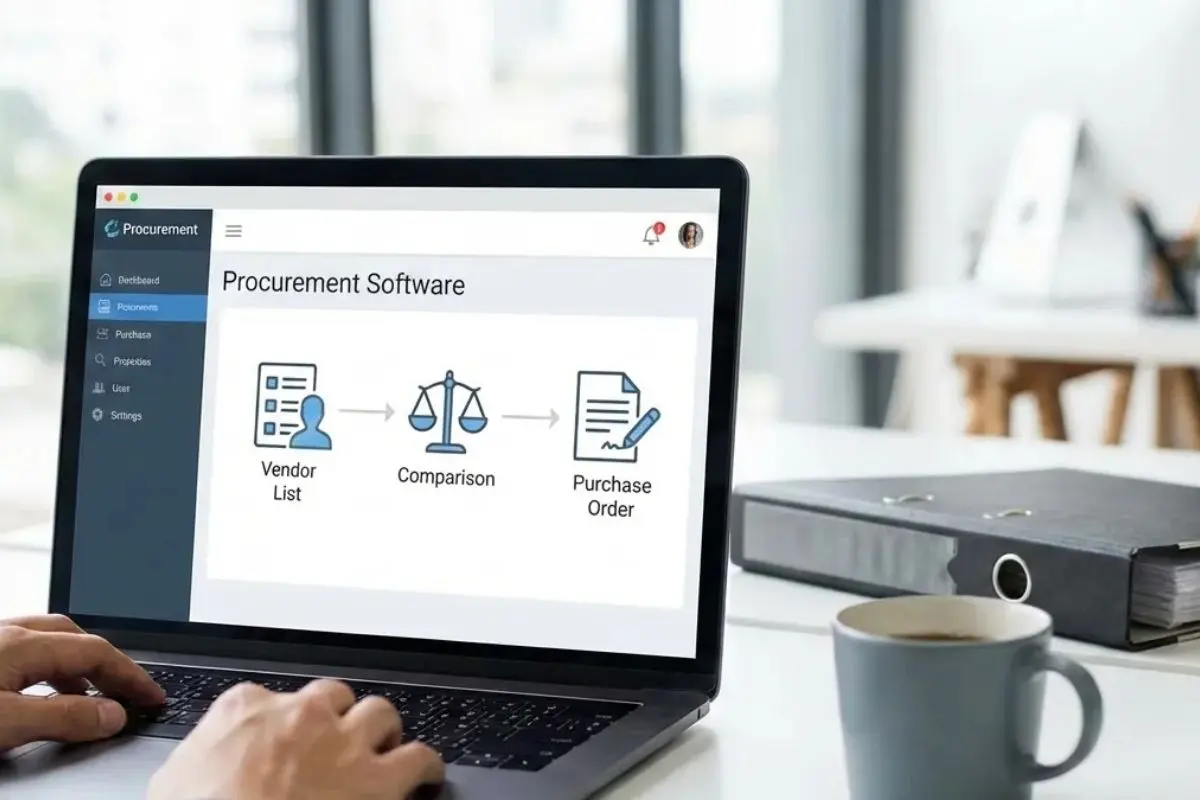
That’s the actual reason AI-run back offices in electrical contracting are suddenly getting attention. It isn’t robots pulling cable. It’s software picking up the phone at night and doing the first draft of the paperwork.
Shops that got started this year are already ahead of the ones still waiting.
Why The Office Became The Bottleneck
The U.S. Bureau of Labor Statistics put electrician employment at 818,700 jobs in 2024, with 9% growth projected through 2034. Every new tech you add brings more calls, more estimates, and more invoices back to the office, but almost nobody hires office help at the same rate they hire in the field.
The data problem gets talked about a lot less. When Dodge Construction Network surveyed contractors with CMiC, 87% said AI will have a meaningful impact, but only 26% rated their own data quality as high. That 26% is the number to worry about.
If your job history is spread across a QuickBooks file, two spreadsheets, and whatever your senior estimator remembers, any AI tool you buy is going to be learning from a mess.
Plenty of the recent coverage has wandered out to the jobsite, where cameras track progress, and robots mark layout on a slab.
Coruzant’s piece on how AI is changing construction site operations makes a good argument that site work is where construction AI is picking up speed, and on a huge data center build that’s hard to dispute. A 14-truck service shop is a different animal, though. Its money leaks out through missed calls and late invoices, not out on the slab.
What An AI-Run Back Office Actually Means

The phrase sounds bigger than the reality. For most shops, it just means the software takes the first pass at routine admin, and somebody in the office approves it, fixes it, or tosses it. No office runs itself, and a vendor who tells you yours will is overselling.
So what’s actually changing?
Intake And Dispatch
Start with missed calls, since that’s the leak most owners have never put a dollar figure on. An AI receptionist can pick up at 9:40 on a Friday night, figure out whether it’s an EV charger install or a breaker that trips every time the dryer kicks on, and drop the visit onto the schedule. Your dispatcher walks in Monday to a board that’s half full instead of fourteen voicemails.
Estimating And Change Orders
On repeat work, AI can now put together a decent draft quote from a few photos, similar old jobs, and your pricebook. You’re not going to hand it a 40,000-square-foot tenant fit-out, obviously. But a homeowner asking about a 200-amp service upgrade can get a ballpark the same evening, while they’re still deciding who to call.
Invoicing, Collections And Permit Paperwork
Boring work, sure. It’s also usually the part that pays for itself first. Invoices come straight off closed work orders. Reminders go out on day 7 and day 21 without anyone having to remember. Permit forms pull the address and service size from the job file, so nobody types the same details into the county portal for the third time that week.
The Market Is Splitting Into Two Camps
Once you start shopping, you’ll see the options sort into two rough groups.
The first group is the field service platforms you’ve probably already demoed at some point: ServiceTitan, Jobber, Housecall Pro, Simpro. They’ve all been adding AI to products contractors already use. That’s convenient, because your customers and job history are already in there.
Some of those features do feel bolted on, though, sitting on top of screens that were built years before anybody was talking about AI.
The second group started with automation and built outward from it, usually for owners who’d rather not spend a month on setup. Dalton Mills is in that group and markets itself as a no-code AI platform for the trades.
If you want both groups side by side, a roundup of the best AI software for electrical contractors is a decent place to start, but run two or three of them against a stack of your own old jobs before you trust anybody’s demo.
Which one fits really depends on where you’re starting from. Already paying for ServiceTitan? Switch on what you’ve got first. Still running the business off spreadsheets and a shared inbox? Something AI-native like Dalton Mills might be the easier move, since there’s no old setup to fight with.
And if you’re newer and still working out the basics, these tips for starting a construction business are worth a look before you sign up for anything.
A Four-Stage Handoff Framework

Shops that make this work aren’t the ones that flip every switch in week one. They hand things over a piece at a time and only move on once the last piece stops causing headaches. Big FSM suite, Dalton Mills, a few apps wired together in Zapier – it honestly doesn’t change the order much.
Stage 1: Shadow Mode
Let the software draft replies and quotes for two or three weeks without sending any of them. Your office manager just reads them next to what she actually sent and keeps a list of where it got the price or the tone wrong.
Stage 2: Draft And Approve
The AI writes it – a person hits send. Fixing a draft is quicker than starting cold, and this is usually when the time savings first show up.
Stage 3: Supervised Send
Appointment confirmations, payment nudges, and review requests can go out on their own now. Anything with a price or a scope change on it still waits for a human.
Stage 4: Exception-Only
Routine stuff runs without anyone touching it, and the office only handles what gets flagged. Lots of good shops never bother getting here, and they’re fine.
What Not To Hand Over (Yet)
You won’t find this part in most sales decks.
Keep code questions with a licensed electrician. NEC interpretation, local amendments, that one county inspector who wants everything his way – none of it belongs with a chatbot. Same with big commercial bids, where the margin is thin enough that a pricing mistake on a job you win can hurt worse than losing it.
Anything that sounds like a safety issue, like a burning smell, a warm panel, or someone asking how to kill the main, goes straight to a real person. Every single time.
A decent rule: if a wrong answer could cost more than the job’s worth, the AI can draft it, but a person makes the call.
Measuring Whether It Worked
Before you turn anything on, write down a few numbers. Hours from first call to quote sent. Days from job done to invoice out. How many after-hours calls actually turn into booked work. Look at them once a month.
If none of them have budged after about 90 days, either the setup’s off, or the tool isn’t right for your shop, and at least you’ll know which. Any vendor worth your time – Simpro, Jobber, Dalton Mills, or anyone else – should help you get that baseline down before you sign a long contract.
Then put the hours you get back to work. Owners who use them to expand their construction business without overspending seem to get a lot more out of automation than owners who just cut office hours. And if bigger project tools are on your list too, read up on why construction management software matters before you stack AI on top of it.
Conclusion
For all the noise around them, AI-run back offices in electrical contracting are pretty unglamorous. It’s answering the phone at night, getting the quote out while the customer still cares, and sending the invoice before they’ve forgotten what you did.
The shops pulling ahead didn’t buy the most software. They cleaned up their job data, went slowly, and kept licensed people on anything risky.
Pick the one workflow that’s costing you the most jobs right now. Run it in shadow mode for a few weeks, then let the numbers tell you what to hand over next.