Vending machines are a huge deal! They’re super convenient and a global industry worth over $21 billion right now, and they’re expected to grow even more thanks to things like connecting them to the internet and using tap-to-pay (cashless) methods. You see them everywhere: in busy offices, train stations, and smart cities. They give us snacks and drinks 24/7, combining old-school reliability with new technology like AI that personalizes what’s offered and lets companies check on them remotely. Because more people are living in cities and need quick options, this industry is set to keep growing, especially as they start offering healthier items and easy digital payment.
At its core, the vending machine working process is actually quite clever: you pay, the machine’s brain (controller) tells the motors to turn the spirals or move the elevators, and the item drops. Sensors confirm that you got what you paid for—a simple mechanism that’s been around since the 1880s! But now, they’re getting major upgrades for 2025/2026, including managing stock using the cloud, accepting QR codes and NFC payments, and using data to decide which products to sell. This turns them into “smart” retail spots. Businesses that use these advanced machines can make more money, offer a cool perk for employees, and get useful information, making vending machines a strategic tool in today’s automated world.
The Amazing History of Vending Machines
The idea of a vending machine is actually super old! It goes all the way back to the first century in ancient Egypt. A clever guy named Hero of Alexandria invented a device that would give people holy water when they put in a coin.
The vending machines we know today really got started in the 1880s in England with machines that sold postcards. This idea quickly came to America, and in New York City in 1888, they put up machines on train platforms that sold chewing gum. That’s basically how our modern snack culture got its start!
Later, Japan absolutely fell in love with them and now has the highest density of machines in the world—about one for every 23 people! You can buy practically anything from them, like hot meals and umbrellas. Want to see a detailed timeline? Check out the history on Wikipedia.
How They’ve Changed (and Stayed the Same)?
For decades, the basic steps of the vending machine working process have been simple and consistent: put in money, pick what you want, and get your product.
Even though that process is the same, the industry has become a global giant. By 2023, the U.S. market alone was worth an estimated $18.2 billion. We’re moving way beyond just chips and soda now! People want healthier, convenient options, and the fresh food segment (like salads and sandwiches) is expected to reach $8 billion by 2029.
To handle these new products, the vending machine working process is constantly getting smarter. They now include things like refrigeration and robotic arms so they can deliver a fresh salad just as reliably as they used to deliver a stick of gum.
Core Components and Mechanism
A modern vending machine working process is much smarter than it looks, operating as a smooth, integrated system of electronic and mechanical parts.
How It Works: The Basic Flow

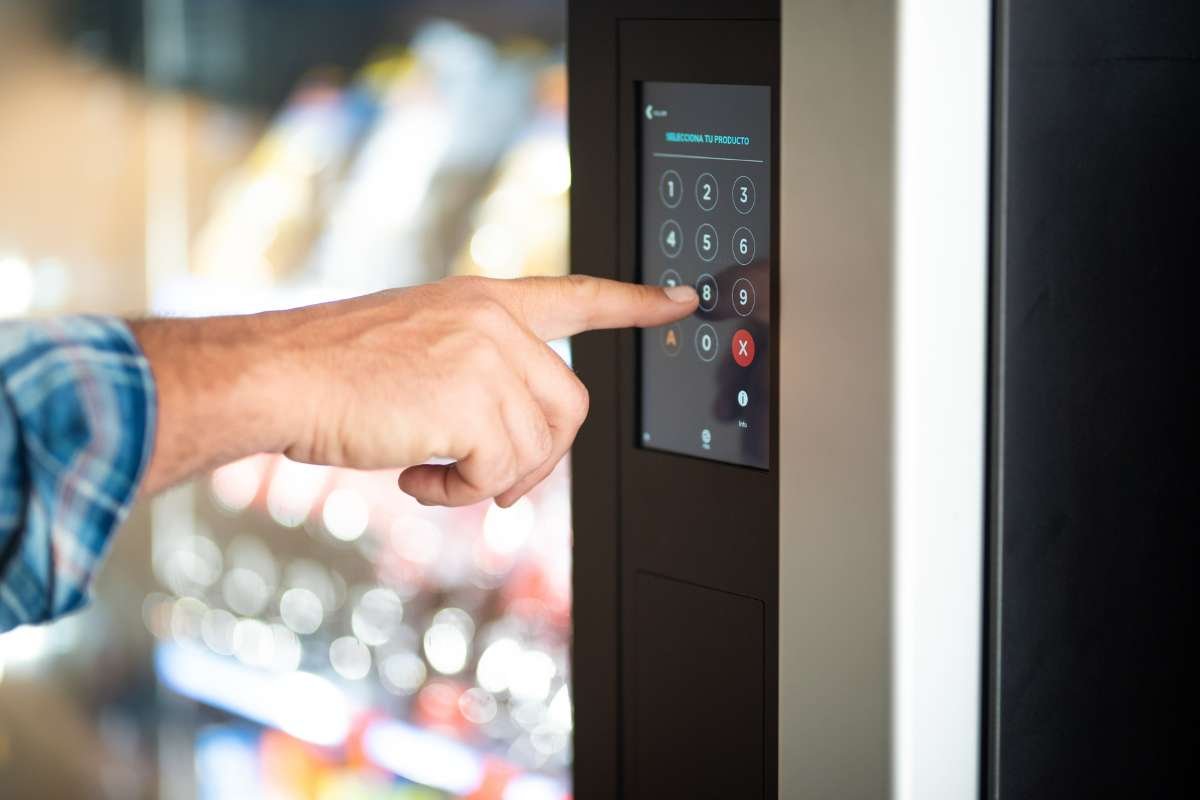
First, the machine’s payment acceptor takes your money—whether it’s coins, bills, a card, or a mobile payment—and validates the funds. The brain of the operation is the controller, a small computer that directs everything, from talking to the payment module to making the motors spin.
You use the selection screen (usually a keypad or touchscreen) to choose your item. Once you do, the controller sends a signal to a motor. For most products, this motor rotates a metal spiral or coil that pushes the item off the shelf and into the collection bin. If the item is fragile or large, some high-tech machines use an elevator system or a robotic arm instead.
Crucially, optical sensors watch the product as it drops. If the item doesn’t fall correctly, the machine knows right away and automatically issues a refund or tries dispensing the product again. Of course, a refrigeration unit keeps drinks and fresh food at the right temperature.
The core sequence of the vending machine working process is: Pay → Select Item → Motor Activates → Product Drops → Confirmation.
For a comprehensive technical breakdown of the components and how they communicate, you can refer to the MIT analysis.
The Future of Vending
By 2025, these machines are evolving into data-driven retail points thanks to cloud connectivity. This upgrade allows the people who run the machines to instantly monitor stock levels, change pricing remotely, and automatically receive alerts when the machine needs maintenance. Vending machines are transforming from standalone boxes into smart, connected mini-stores.
Payment Systems of Vending Machines
Vending machine payments have changed dramatically, making the vending machine working process much smoother and safer than it used to be.
From Coins to Clicks
For decades, vending machines only accepted coins and bills. These machines had complicated mechanical parts to check if the money was real and then store the cash, while separate dispensers spat out your change. While reliable, this system was a pain for operators: cash needed to be collected often, and machines frequently jammed or ran out of change.
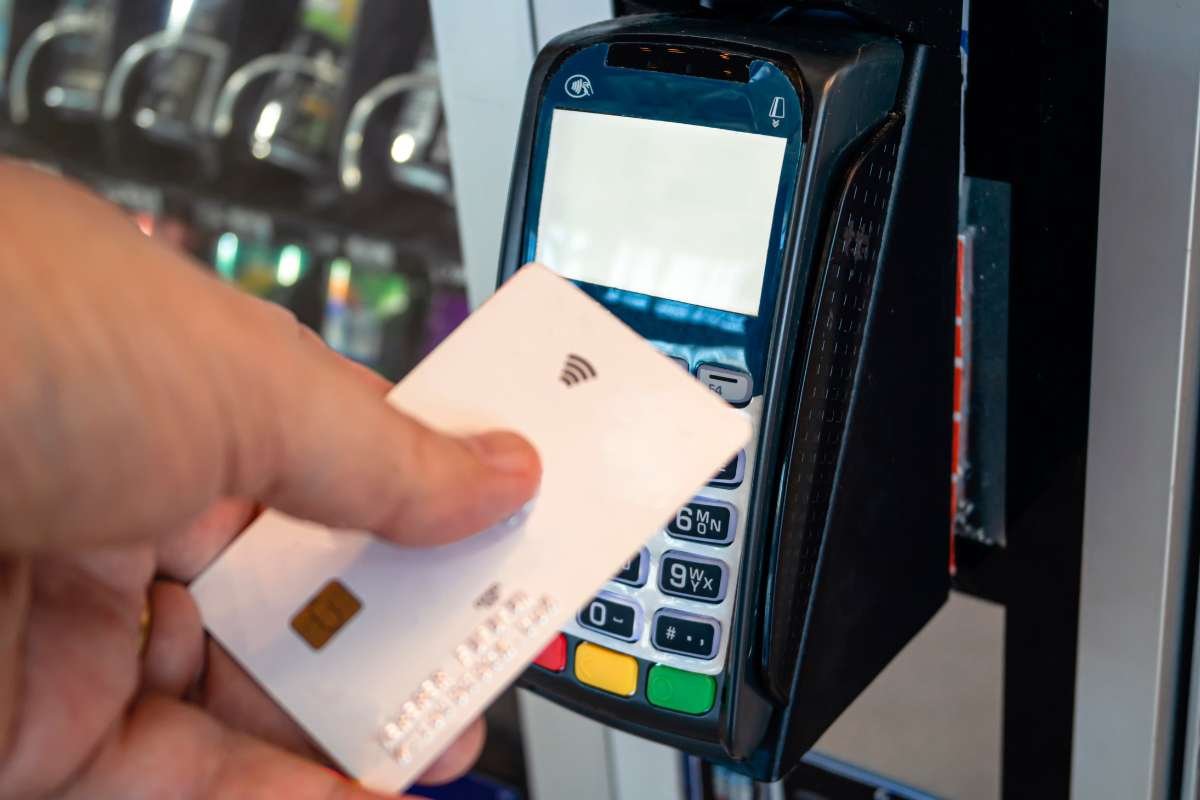
The 2025 landscape is almost completely cashless. Now, 90% or more of machines accept modern methods like:
- Credit and Debit Cards
- Contactless Payment (NFC) like Apple Pay or Google Wallet
- QR Codes
- Mobile Wallets (especially UPI in places like India)
This shift is a huge improvement to the vending machine working process. It eliminates the hassle of cash, reduces the risk of theft, and meets the demand for fast, contactless transactions. To set up QR code payments, operators can use online tools like Adobe’s QR Code Generator or QRCD to easily create codes that link straight to the payment system.
Smarter and Safer
Beyond just convenience, today’s payment systems offer valuable intelligence.
- Age Verification: For machines selling restricted items like tobacco or alcohol, advanced systems now use biometric facial recognition or smartcard readers to verify a customer’s age instantly, keeping the machines compliant with the law.
- Data Power: Every payment is a data point. Real-time transaction information flows directly to the operator’s dashboard through platforms like Wendor. This gives operators instant insight into what’s selling, who’s buying, and where the money is coming from.
In short, the payment system is no longer just a cash box; it’s a strategic data collection point that helps operators optimize pricing, inventory, and machine placement.
Smart Vending: IoT, Cloud, and AI
The vending machine working process has gone digital! It’s no longer just a metal box; it’s a sophisticated, connected mini-store driven by data, the cloud, and even Artificial Intelligence (AI).
Always Connected and Smart
Modern vending machines are now part of the Internet of Things (IoT). They have tiny sensors everywhere that constantly check things like:
- Stock Levels: How many items are left?
- Temperature: Making sure the refrigeration is working.
- Machine Health: Checking for technical issues.
This information is sent straight to the cloud, allowing operators to check everything from an app on their phone. They no longer have to guess when to refill the machine. Instead, predictive algorithms (smart computer programs) look at past sales, the time of day, and even the weather to tell the operator exactly when and what to restock. This means less wasted time and more revenue!
AI Knows What You Want
The customer experience is also smarter. The touchscreens on new machines use AI and machine learning to personalize your shopping experience. They look at things like:
- Your Past Purchases
- The Time of Day (e.g., morning vs. afternoon)
- The Weather (e.g., suggesting a cold drink on a hot day)
This lets the machine recommend the perfect product—maybe a protein bar during the morning rush or a certain coffee blend in the evening. Furthermore, these machines can use dynamic pricing, allowing operators to adjust prices instantly based on demand or sales promotions, all done remotely.
Ultimately, this advanced vending machine working process turns the machine into a valuable asset. For businesses, the machine integrates with workplace apps, letting employees pre-order or earn rewards. This provides managers with great data on employee preferences and peak demand times, transforming the vending machine from a passive convenience into an active, intelligent touchpoint for operational planning.
Maximizing Profit with New Vending Categories

The vending machine working process used to be simple: chips, candy, and soda. Now, it has completely transformed into a versatile, high-tech retail platform that can dispense almost anything you can imagine!
Beyond Snacks: Fresh and Fancy
While the core categories of snacks and drinks are still around, they have been joined by complex fresh food offerings that truly test the machines’ engineering. Today’s vending machines can dispense:
- Hot and cold meals.
- Freshly made pizza (using internal automated ovens).
- Crispy French fries (from specialized robotic systems).
- Fresh-squeezed juice (the machine cuts and presses the fruit right in front of you!).
There’s also a huge push for health. You can easily find machines stocked with protein bars, plant-based snacks, gluten-free options, and organic juices in places like offices and gyms, catering to wellness trends.
Wildly Different Products
The expansion goes far beyond food and drinks. The vending machine working process has adapted to sell entirely new categories of items:
- Everyday Items: PPE (masks, gloves), over-the-counter medications, phone chargers, books, and cosmetics.
- Controversial Items: In 2024, some places even saw ammunition vending machines equipped with facial recognition for safety.
- Luxury & Novelty: In Singapore, multi-story vending towers display and dispense luxury cars!
Japan is the world leader in vending innovation, where you can buy everything from hot meals and umbrellas to clothing and concert tickets, reflecting specific local needs.
If you are a business looking to figure out the best items to sell, a guide like The Enterprise World’s product selection guide offers smart tips on maximizing profit and choosing the right products for specific locations. As consumer demand for instant convenience grows, the versatility of the modern vending machine is unlocking niche markets and creating revenue streams that were once impossible for automated retail.
Sustainability and Security in 2026 Machines
The modern vending machine working process is built for responsibility, focusing on environmental impact and customer safety.
Green Operations
Machines prioritize energy efficiency:
- Smart Power: They use LED lighting and management systems that drastically reduce electricity use, especially during off-peak hours.
- Eco-Friendly: Advanced refrigeration and even optional solar panels help lower the machine’s carbon footprint.
- Reverse Vending: A major shift is the introduction of specialized machines that accept empty bottles and cans, providing refunds to incentivize recycling. This actively supports the circular economy and reduces waste.
Reliability and Safety
In the connected world, security is essential:
- Secure Payments: All transactions are processed using encrypted security to protect your money and data from fraud.
- Anti-Theft: Tamper-proof sensors detect unauthorized access.
- Zero Downtime: Remote diagnostics allow operators to monitor machine health constantly, fixing mechanical or software issues before they cause a breakdown.
The result is peace of mind: a reliable machine that is environmentally sound and keeps your data safe.
Solving Vending’s Biggest Headaches with Technology
Modern technology is transforming the vending business, turning old problems into new opportunities.
Smarter Operations
Traditional issues like product jams and mechanical breakdowns caused lost revenue. Today, the advanced vending machine working process uses:
- Quick Fixes: Automated alerts flag malfunctions immediately to operators, allowing for super-fast repairs before customers are affected.
- Smart Stocking: AI-driven tools eliminate inventory mismatches, ensuring popular items are always in stock and minimizing waste.
Strong Business Case
The advantages for businesses are compelling and quantifiable:
- Steady Revenue: Machines generate reliable income (averaging around $525 monthly) with minimal labor costs.
- Employee Satisfaction: They offer convenient, 24/7 access to essentials, boosting happiness in places like offices and hospitals.
- Powerful Data: The vending machine working process generates crucial data on preferences and peak times, helping managers optimize product choices and machine placement.
With the global vending market projected to grow significantly through 2030, deploying modern, smart machines is a strong, strategic investment for immediate revenue and future retail success.
Future Trends (2026 and Beyond)
The vending machine working process is about to change dramatically, making the machines smarter than ever before.
The Next Wave of Vending
Imagine a machine that truly knows you. Future vending is all about hyper-personalization powered by advanced AI:
- It Recognizes You: Using facial recognition, the machine will identify you as a repeat customer and know your favorite products.
- It Suggests Products: Based on your purchase history, it will suggest new things you might like.
- AR Previews: You’ll be able to hold up your phone and see Augmented Reality (AR) overlays, like nutritional information or how a snack looks before you buy it.
Payment will also evolve, with machines starting to accept cryptocurrencies and use blockchain for secure, global transactions.
Vending Meets Delivery
The machine isn’t just for walk-up purchases anymore. The vending machine working process is merging with delivery! Soon, you might see hybrid machines that dispense items to you while also coordinating micro-drone pickups for quick deliveries to people nearby. This turns the machine into a mini-retail and distribution hub.
Time to Invest
For businesses, this means vending machines are a powerful strategic asset, not just a simple amenity. They offer new revenue streams and gather valuable data on customer behavior.
If you want to capitalize on the $30+ billion global vending market, now is the time to invest in this modern infrastructure.