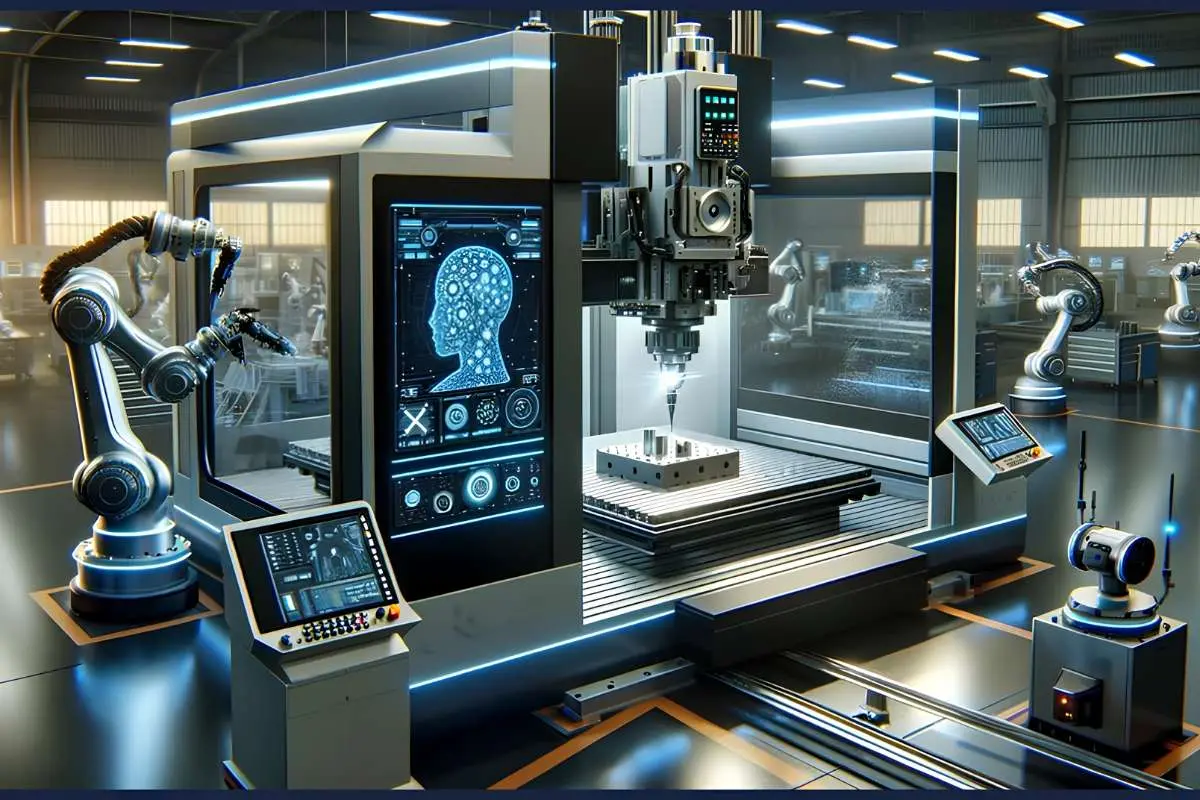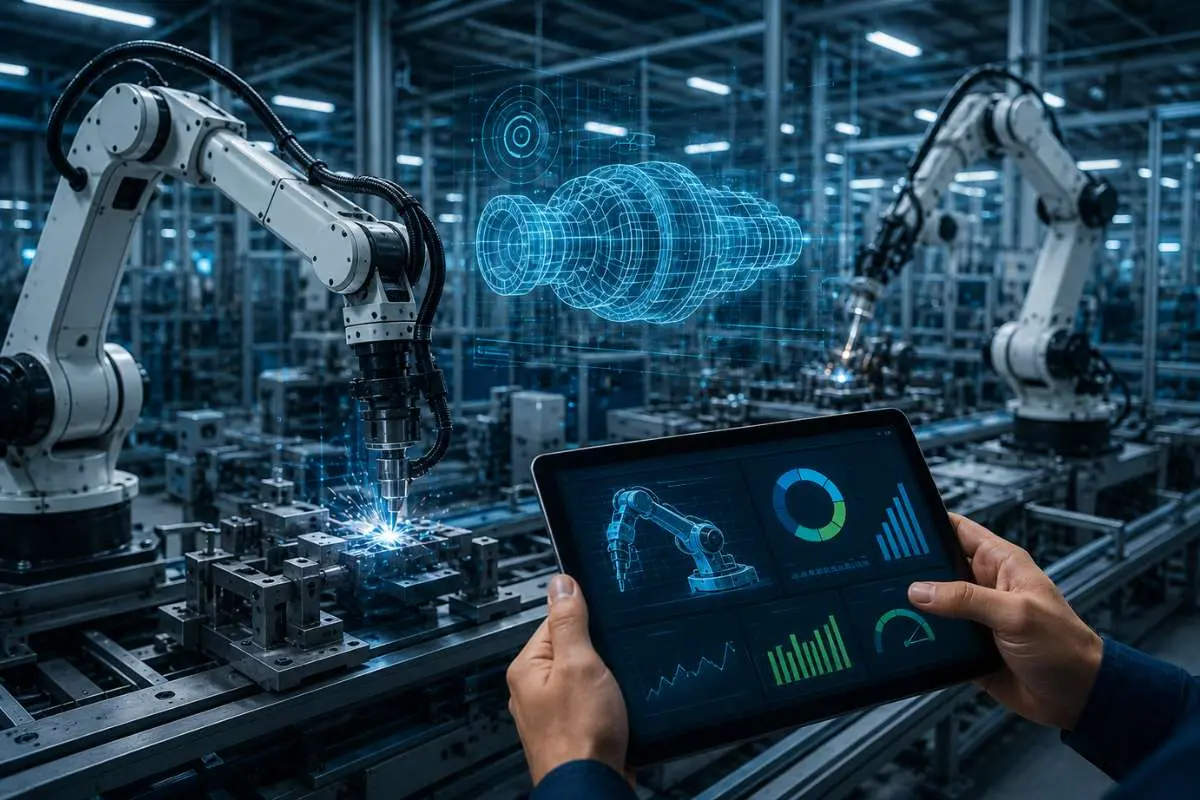
Digital manufacturing is reshaping the global industrial landscape by integrating AI, IoT, robotics, cloud computing, and automation into production systems. It enables smart factories to operate with real-time data, predictive maintenance, and improved efficiency. Businesses are achieving higher productivity, reduced downtime, and lower operational costs while accelerating innovation. As Industry 4.0 advances, digital manufacturing is becoming essential for scalable, efficient, and future-ready industrial operations.
The manufacturing industry is undergoing one of its biggest transformations in decades. According to industry estimates, the global digital manufacturing market is projected to cross $1 trillion by 2030, driven by rapid adoption of AI, IoT, robotics, and smart factory technologies. Companies implementing digital manufacturing solutions are already reporting up to 30% higher productivity, 50% lower machine downtime, and significantly faster production cycles.
From Tesla’s automated production lines to aerospace companies using digital twins to predict equipment failures before they happen, digital manufacturing is changing how products are designed, built, and delivered. Instead of relying on manual monitoring and traditional assembly systems, manufacturers are now using real-time data, cloud-connected machines, and AI-driven analytics to make production smarter and more efficient.
The shift is happening fast. Nearly 70% of manufacturers worldwide are increasing investments in smart manufacturing technologies to stay competitive in an increasingly digital economy. As customer demand for speed, customization, and quality continues to rise, businesses that fail to modernize risk falling behind.
In this blog, we’ll explore how digital manufacturing works, the technologies powering it, its real-world applications, key benefits, major challenges, and why it is becoming the foundation of the future industrial economy.
What is digital manufacturing?
Digital manufacturing is the use of technologies like AI, IoT, cloud computing, robotics, and real-time data analytics to improve and automate manufacturing processes. It connects machines, systems, and people through smart technologies to make production faster, more efficient, and data-driven.
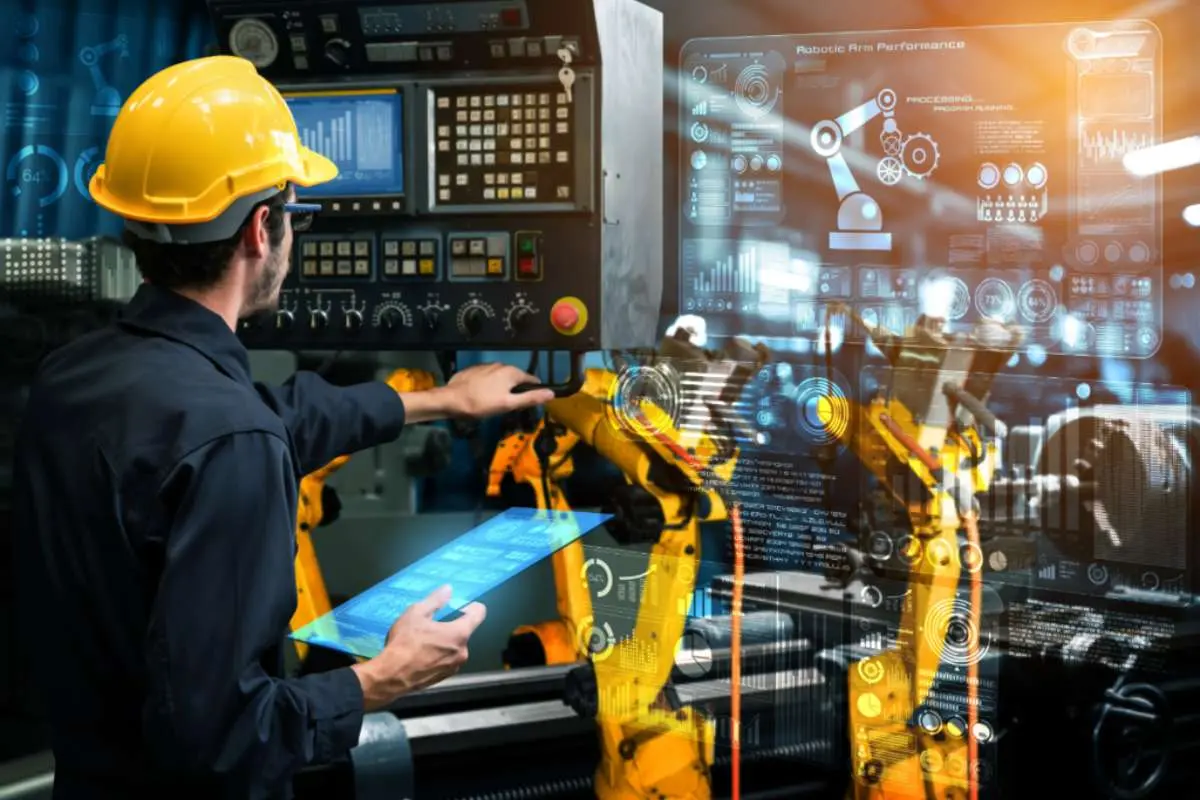
Unlike traditional manufacturing, digital manufacturing enables real-time monitoring, predictive maintenance, automated quality checks, and smarter decision-making. Machines equipped with sensors continuously collect data, while AI-powered systems analyze it to reduce downtime, improve productivity, and optimize operations.
The rise of Industry 4.0 has accelerated the adoption of digital manufacturing across industries such as automotive, healthcare, aerospace, and electronics. Today, companies are using smart factories, digital twins, and connected production systems to reduce costs, improve product quality, and respond faster to market demands.
Key technologies powering digital manufacturing

Digital manufacturing is driven by a combination of advanced technologies that enable smarter, faster, and more connected production systems.
1. Internet of things (IoT)
IoT connects machines, sensors, and devices across factories to collect real-time data. Manufacturers use this data to monitor equipment performance, track production, and reduce downtime.
2. Artificial intelligence (AI) and machine learning
AI-powered systems analyze large volumes of manufacturing data to improve decision-making, automate quality checks, predict maintenance needs, and optimize production efficiency.
3. Cloud computing
Cloud platforms allow manufacturers to store, access, and manage production data from anywhere. This improves collaboration, scalability, and real-time operational visibility.
4. Robotics and automation
Modern factories are increasingly using automated robots for repetitive and precision-based tasks. This improves speed, accuracy, and workplace safety while reducing operational costs.
5. Digital twins
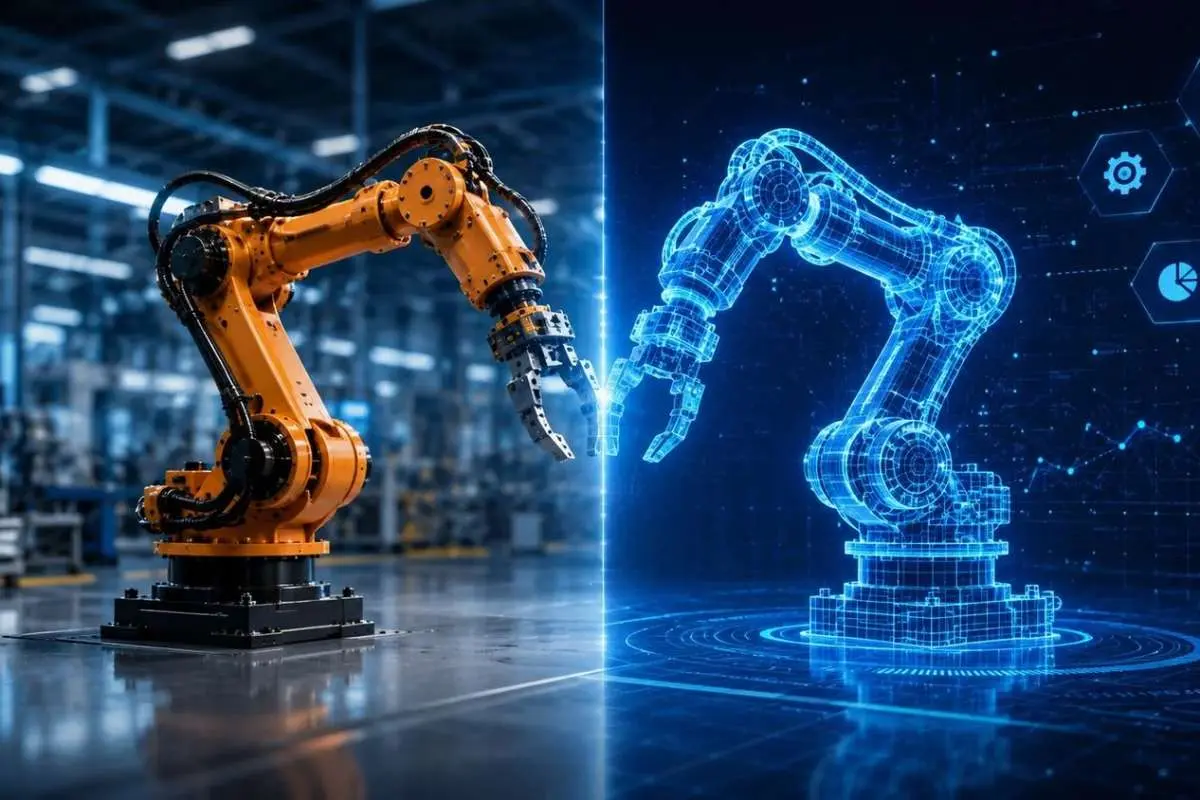
A digital twin is a virtual replica of a machine, factory, or process. Manufacturers use digital twins to simulate operations, identify inefficiencies, and predict potential failures before they occur.
6. 3D printing (Additive manufacturing)
3D printing enables rapid prototyping and customized production with minimal material waste. It is widely used in industries such as healthcare, aerospace, and automotive manufacturing.
Real-world applications across industries

Digital manufacturing is rapidly transforming global industries by improving efficiency, reducing operational costs, and enabling faster production. According to Deloitte, smart factory initiatives can increase productivity by up to 20% and reduce maintenance costs by nearly 30%.
1. Automotive industry
The automotive sector is one of the biggest adopters of digital manufacturing. Companies like Tesla and BMW use AI-powered robotics, IoT sensors, and automated assembly lines to improve production efficiency and quality control. Predictive maintenance systems help manufacturers reduce unexpected machine downtime and optimize vehicle production.
2. Aerospace industry
Aerospace manufacturers are using digital twins and 3D printing to improve precision and reduce production costs. Boeing uses digital twin technology to simulate aircraft performance and identify maintenance issues before failures occur. Additive manufacturing also helps reduce aircraft component weight, improving fuel efficiency.
3. Healthcare and medical devices
Digital manufacturing is enabling highly customized healthcare solutions. Companies are increasingly using 3D printing to create personalized prosthetics, implants, and surgical tools. According to Fortune Business Insights, the global medical 3D printing market is expected to grow significantly due to rising demand for customized medical devices.
Source: Fortune business insights
4. Electronics manufacturing
Electronics manufacturers use AI-driven automation and real-time monitoring systems to maintain high precision and reduce production defects. Companies like Samsung Electronics and Foxconn rely heavily on robotics and smart manufacturing systems to manage large-scale production efficiently.
5. Consumer goods industry
Consumer goods manufacturers are adopting smart factories and connected supply chains to respond faster to changing customer demands. Real-time inventory tracking and automated production planning help companies reduce waste and improve delivery speed.
According to PwC, manufacturers implementing Industry 4.0 technologies could reduce operational costs by up to 3.6% annually while increasing efficiency across supply chains.
Source: PwC industry 4.0 report
Benefits of digital manufacturing

Digital manufacturing is helping companies improve productivity, reduce costs, and build more flexible production systems. As industries become more data-driven, manufacturers adopting smart technologies are gaining a major competitive advantage.
1. Higher productivity and efficiency
Smart factories use AI, automation, and real-time monitoring to streamline production processes and reduce operational delays. According to Deloitte, digital manufacturing technologies can improve productivity by up to 20%.
2. Reduced downtime through predictive maintenance
IoT sensors and AI-powered analytics can detect machine issues before breakdowns occur. This predictive maintenance approach helps manufacturers reduce unexpected downtime and lower maintenance costs by nearly 30%.
3. Improved product quality
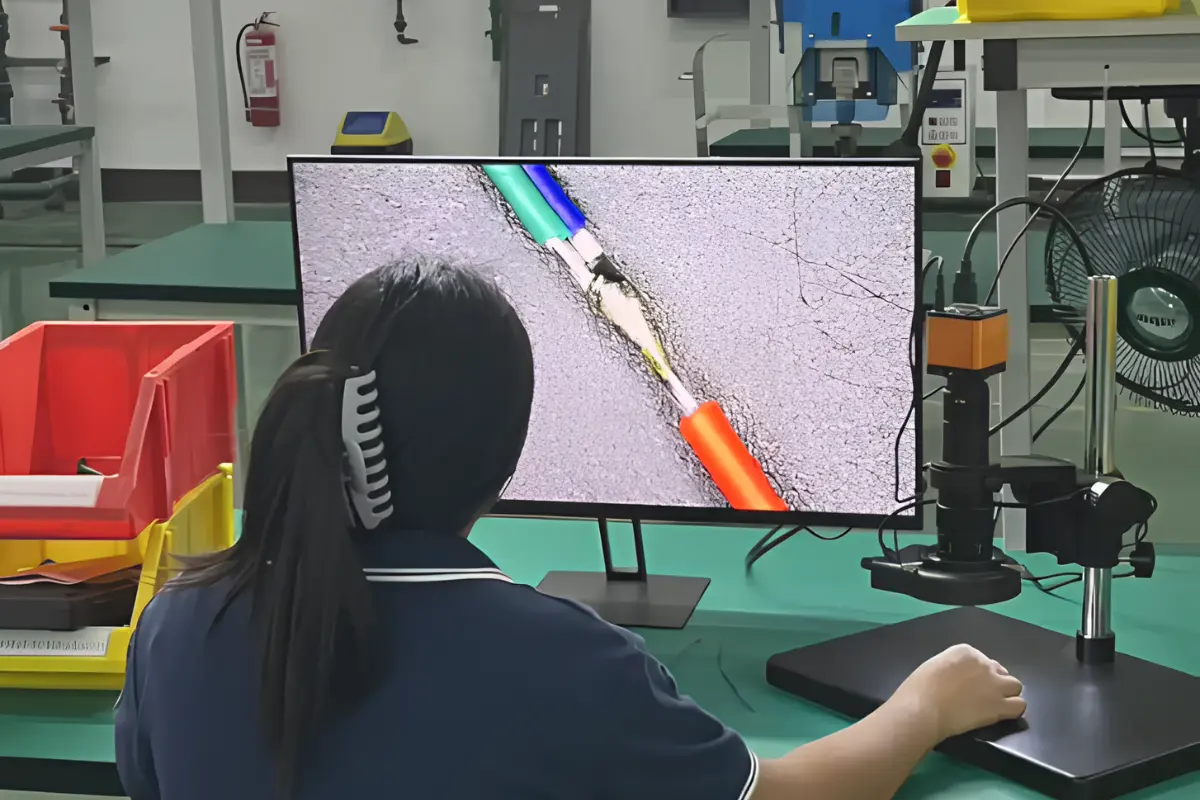
Automated quality control systems use machine learning and computer vision to identify defects in real time. This improves product consistency while reducing human errors and material waste.
4. Faster time-to-market
Digital manufacturing enables rapid prototyping, automated workflows, and real-time production adjustments. Technologies like 3D printing allow companies to accelerate product development and launch products faster.
5. Better supply chain visibility
Connected manufacturing systems provide real-time tracking of inventory, logistics, and production data. This improves supply chain planning and helps businesses respond quickly to market demand changes.
6. Lower operational costs
Automation and data-driven decision-making help reduce energy consumption, optimize resource usage, and minimize production waste. According to PwC, companies adopting Industry 4.0 technologies could reduce operational costs by 3–4% annually.
Future of digital manufacturing
The future of digital manufacturing is being shaped by AI, automation, and smart factory innovation. As industries continue to invest in connected technologies, manufacturing is expected to become faster, more intelligent, and highly autonomous.
According to MarketsandMarkets, the global smart manufacturing market is projected to exceed $750 billion by 2030, driven by rising adoption of AI, industrial IoT, robotics, and cloud-based production systems.
1. Rise of fully autonomous smart factories
Future factories will increasingly rely on AI-powered systems capable of making real-time production decisions with minimal human intervention. Automated robots, predictive analytics, and self-optimizing machines will improve efficiency while reducing operational costs.
2. Expansion of AI-driven manufacturing
Artificial intelligence will play a larger role in predictive maintenance, quality control, demand forecasting, and supply chain optimization. AI-driven analytics will help manufacturers make faster and more accurate decisions using real-time production data.
3. Growth of digital twins and simulation technology
Digital twins are expected to become a core part of industrial operations. Manufacturers will use virtual simulations to test products, monitor equipment performance, and identify production issues before they impact operations.
4. Sustainable and energy-efficient production
Digital manufacturing will also support sustainability goals by reducing material waste, optimizing energy usage, and improving resource efficiency. Smart factories are expected to play a major role in lowering industrial carbon emissions.
5. Increased customization and faster production
Advanced automation and 3D printing technologies will enable manufacturers to produce highly customized products at scale while significantly reducing production timelines.
As Industry 4.0 continues to evolve, digital manufacturing is expected to become the foundation of the next generation industrial economy, helping businesses remain competitive in an increasingly technology-driven world.
Conclusion:
Digital manufacturing is transforming industries through AI, IoT, automation, robotics, and real-time data analytics. From smarter factories and predictive maintenance to faster production and improved product quality, businesses are using digital technologies to become more efficient and competitive.
As Industry 4.0 adoption accelerates, manufacturers investing in smart technologies are gaining a significant advantage in productivity, cost reduction, and operational efficiency. While challenges such as cybersecurity risks and high implementation costs remain, the long-term benefits continue to drive rapid global adoption.
In the years ahead, digital manufacturing is expected to power the next generation of intelligent, connected, and highly automated industrial ecosystems.
FAQs
1. What is digital manufacturing?
Digital manufacturing is the use of technologies like AI, IoT, robotics, and real-time data analytics to improve and automate manufacturing processes.
2. What are the main technologies used in digital manufacturing?
Key technologies include artificial intelligence (AI), Internet of Things (IoT), cloud computing, robotics, digital twins, and 3D printing.
3. What are the benefits of digital manufacturing?
Digital manufacturing improves productivity, reduces downtime, lowers operational costs, enhances product quality, and speeds up production.
4. Which industries use digital manufacturing?
Industries such as automotive, aerospace, healthcare, electronics, and consumer goods widely use digital manufacturing technologies.
5. What are the biggest challenges in digital manufacturing?
Major challenges include high implementation costs, cybersecurity risks, workforce skill gaps, and integration with legacy systems.