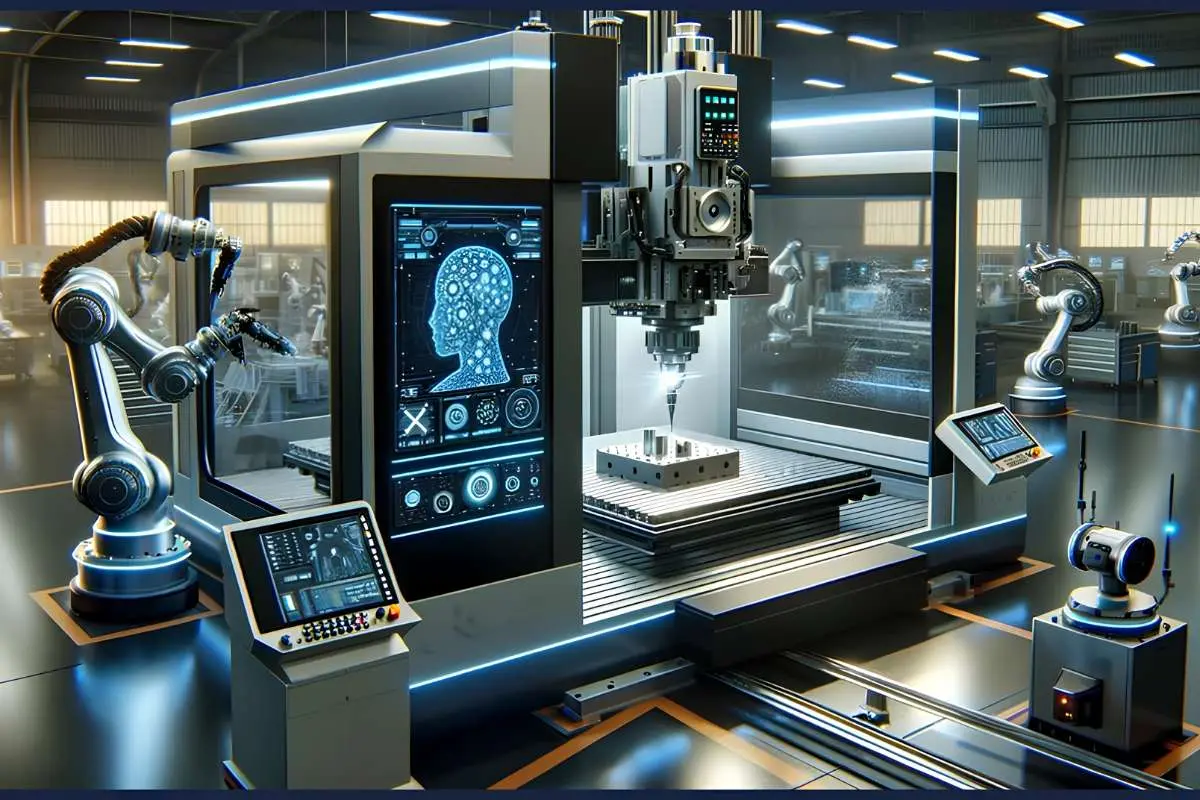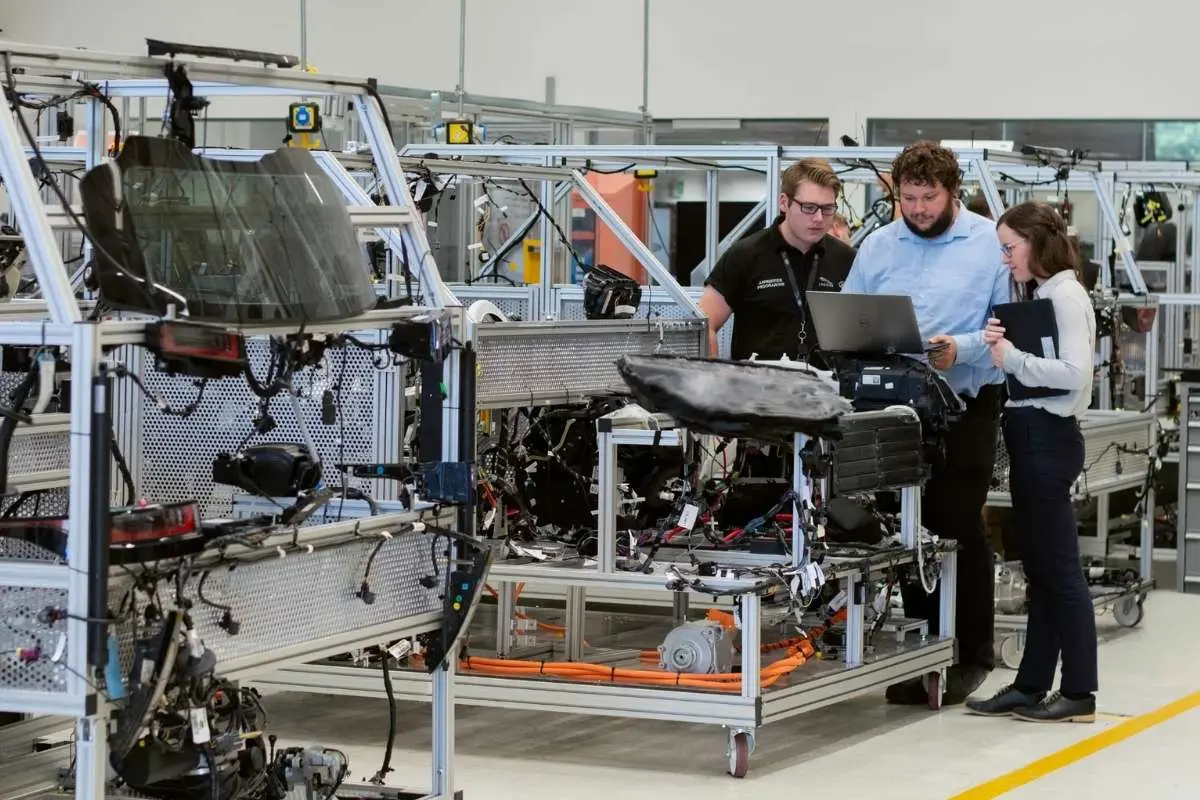
Manufacturing operations management helps manufacturers improve production, quality, maintenance, and inventory processes through better visibility and coordination. This article explains the key components of MOM, the technologies that support it, common operational challenges, and practical improvement strategies. It also explores future trends shaping how manufacturers can build more efficient, connected, and productive operations.
Running a factory involves more than just making products. Teams must keep production moving, maintain quality, prevent equipment issues, and ensure materials are available when needed. When one area falls behind, it can affect the entire operation.
Manufacturing operations management helps bring these activities together. It gives manufacturers a better view of what is happening across the factory and helps them make faster, smarter decisions. As more factories use automation, connected machines, and real-time data, it has become an important part of daily operations. It helps businesses work more efficiently, reduce waste, and keep up with changing customer demands.
What is manufacturing operations management (MoM)?
It is a system for managing and improving the daily activities that keep a factory running. It helps manufacturers coordinate production, quality, maintenance, and inventory processes from a central point. Instead of managing these areas separately, MOM brings them together to improve efficiency and consistency across operations.
The concept of MOM is based on the ISA-95 framework, an international standard that defines how manufacturing systems and business systems should work together. ISA-95 helps manufacturers organize and manage operational data more effectively.
Where MOM fits in the manufacturing technology stack?
MOM sits between business systems and factory-floor systems. At the business level, Enterprise Resource Planning (ERP) software handles areas such as finance, purchasing, and planning. On the shop floor, technologies like Manufacturing Execution Systems (MES), SCADA systems, and machine controls manage production activities and equipment.
Under the ISA-95 model, MOM operates at Level 3, which focuses on manufacturing operations. It connects business goals with real-time production activities, helping information flow smoothly across the organization.
Why MOM matters today?
Modern factories generate large amounts of operational data every day. Manufacturing operations management helps turn that data into useful insights, allowing teams to respond faster to issues, improve production visibility, reduce waste, and maintain compliance requirements.
According to studies, manufacturers that successfully scale advanced manufacturing technologies can achieve productivity improvements of up to 20-50%. This highlights the value of connecting production, quality, maintenance, and operational data across the factory.
Key components of manufacturing operations management
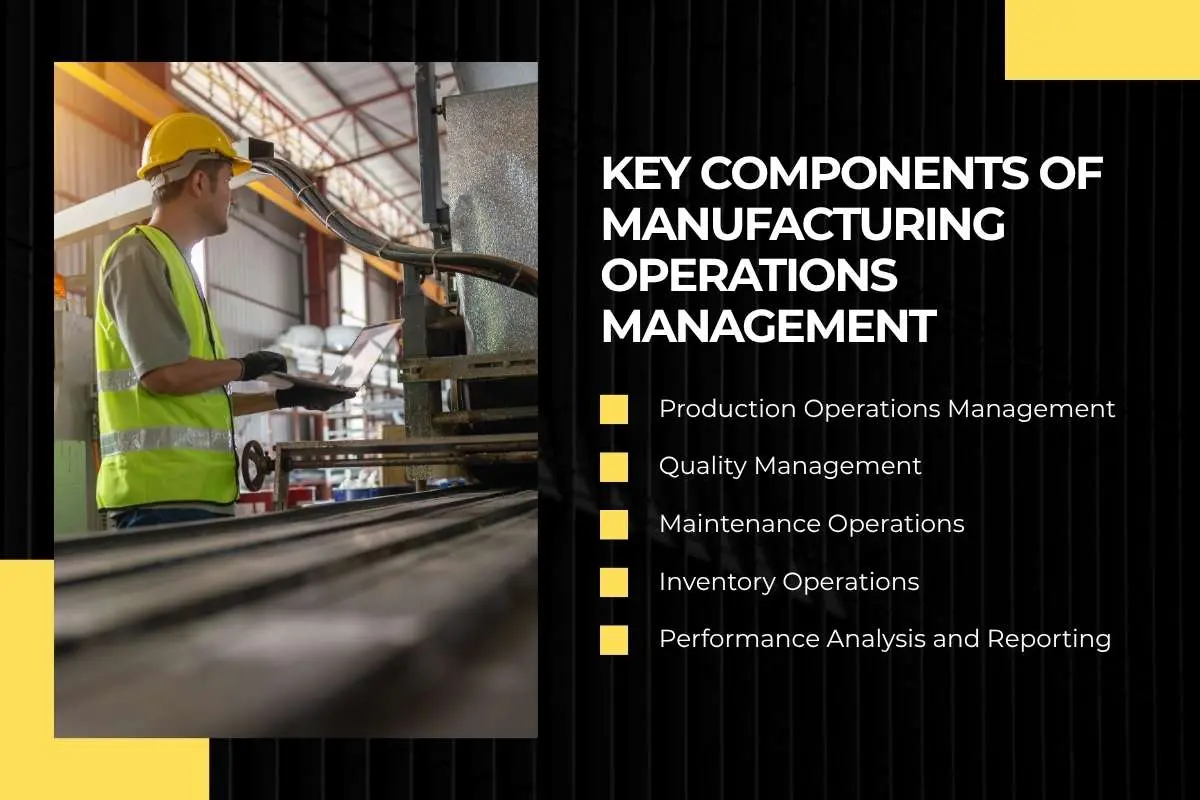
MOM brings together several core activities that help factories run efficiently. These functions work together to improve productivity, maintain quality, reduce downtime, and support better decision-making.
1. Production operations management
Production operations management focuses on planning and controlling manufacturing activities. This includes scheduling production runs, assigning work orders, allocating labor and equipment, and tracking progress on the shop floor. Effective production management helps ensure products are made on time while making the best use of available resources.
2. Quality management
Quality management helps manufacturers maintain consistent product standards throughout the production process. Key activities include in-process inspections, defect tracking, compliance monitoring, and root cause analysis. By identifying issues early, manufacturers can reduce waste, avoid rework, and improve customer satisfaction.
3. Maintenance operations
Equipment reliability is critical for smooth production. Maintenance operations include preventive maintenance, predictive maintenance, asset utilization tracking, and equipment health monitoring. These activities help reduce unexpected breakdowns and extend the lifespan of machinery.
4. Inventory operations
Inventory management ensures the right materials are available when needed. This includes tracking raw materials, monitoring work-in-progress inventory, managing finished goods, and maintaining accurate inventory records. Better inventory visibility helps prevent shortages, delays, and excess stock.
5. Performance analysis and reporting
Manufacturers rely on performance data to identify opportunities for improvement. MOM supports OEE monitoring, downtime tracking, throughput analysis, and real-time dashboards that provide visibility into factory performance.
An important feature of manufacturing operations management is its alignment with the ISA-95 framework. Under this standard, manufacturing activities are grouped into four operational domains: production, quality, maintenance, and inventory.
Rather than treating these functions as separate processes, ISA-95 provides a structured way to manage them as connected parts of a single operation. This standardized approach helps manufacturers improve coordination, data sharing, and overall operational performance.
Also Read: How Intelligent Manufacturing Is Changing The Industry?
Technologies powering modern MOM
Modern MOM relies on connected technologies that help manufacturers monitor production, improve efficiency, and make faster decisions. These tools collect, analyze, and share data across the factory, creating better visibility into daily operations.
| Technology | Primary Function | Key Benefits |
| Manufacturing Execution Systems (MES) | Tracks and manages production activities | Real-time visibility, better process control, faster issue resolution |
| Industrial IoT Sensors | Collects data from machines and equipment | Equipment monitoring, performance tracking, and real-time insights |
| Artificial Intelligence and Machine Learning | Analyzes data and predicts outcomes | Predictive maintenance, quality improvement, process optimization |
| Cloud Manufacturing Platforms | Centralizes data across facilities | Multi-site visibility, easier reporting, greater scalability |
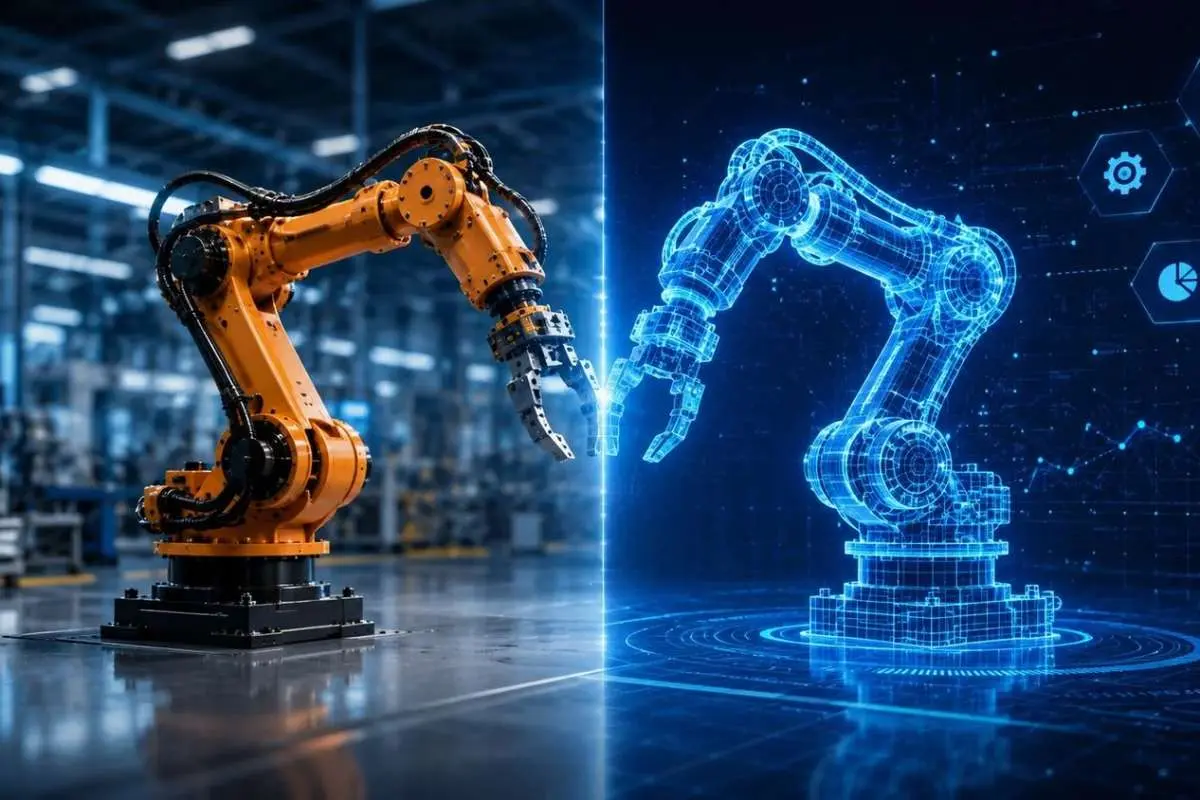
| Digital Twins | Creates virtual models of operations | Process testing, scenario planning, capacity optimization |
Rather than functioning as a standalone software tool, manufacturing operations management acts as the operational layer that connects business systems with factory-floor technologies. It links ERP systems used for planning and resource management with MES platforms, sensors, machine controls, and other operational technologies. This connection helps information move smoothly across the organization, supporting better coordination and faster decision-making.
According to a 2025 survey, 69% of manufacturers expect AI and machine learning to have a significant impact on production operations in the coming years, highlighting the growing role of advanced technologies in modern manufacturing.
Major challenges in manufacturing operations
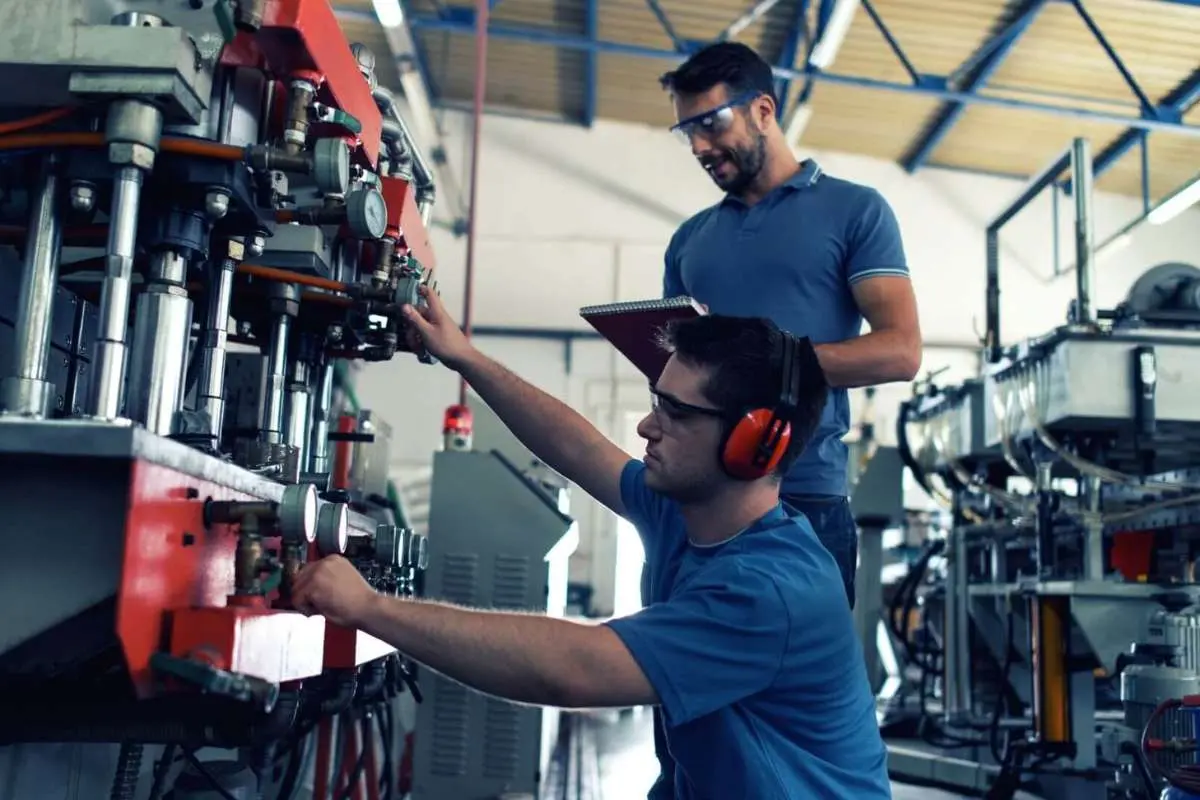
Even with advanced technologies and automation, manufacturers still face several operational challenges. These issues can reduce productivity, increase costs, and make it harder to meet customer expectations. Manufacturing operations management helps address many of these challenges by improving visibility and coordination across the factory.
Data Silos Across Systems: Many manufacturers use separate systems for production, inventory, maintenance, and quality management. When these systems do not communicate effectively, information becomes fragmented, making it harder to make informed decisions.
Equipment Downtime: Unexpected machine failures can stop production and create costly delays. Without proper monitoring and maintenance strategies, downtime can quickly affect delivery schedules and overall output.
Quality Variations: Inconsistent production processes can lead to defects, rework, and customer complaints. Maintaining product quality becomes more difficult when issues are not detected early.
Supply Chain Disruptions: Material shortages, supplier delays, and transportation issues can interrupt production plans. Manufacturers need better visibility into inventory and supply chain performance to reduce these risks.
Workforce Skill Gaps: As factories adopt new technologies, employees need new skills to use them effectively. Training and change management remain major challenges for many organizations.
According to ISG’s report, 58% of organizations struggle with change management and workforce training during manufacturing transformation efforts.
Quick bottleneck checklist
You may have an operational bottleneck if you frequently experience:
- Machines break down often
- Production takes longer than planned
- Quality issues keep coming back
- Workers spend time waiting for materials
- Inventory numbers are often inaccurate
- Teams use different data or reports
- Problems take too long to identify and fix
- Customer orders are delayed
If several of these issues occur regularly, it may indicate gaps in processes, visibility, or system integration rather than a need for additional software alone.
Best strategies to improve manufacturing operations
Improving factory performance does not always require major investments. In many cases, small operational improvements can lead to better productivity, quality, and efficiency. Manufacturing operations management supports these efforts by helping manufacturers identify issues and make informed decisions.
| Strategy | What Does It Involve? | Key Benefits |
| Standardize Operating Procedures | Create clear and consistent workflows | Fewer errors, better quality, easier training |
| Use Real-Time Production Monitoring | Track production performance as it happens | Faster issue detection and response |
| Implement Predictive Maintenance | Use equipment data to predict failures | Less downtime, longer equipment life |
| Improve Cross-Department Data Sharing | Connect production, quality, inventory, and maintenance data | Better coordination and decision-making |
| Track the Right KPIs | Monitor OEE, first-pass yield, cycle time, and schedule adherence | Better performance visibility and improvement tracking |
| Build a Continuous Improvement Culture | Encourage employee feedback and ongoing optimization | Continuous gains in productivity and efficiency |
5-step manufacturing operations improvement checklist
| Step | Action |
| 1 | Identify the biggest production bottleneck |
| 2 | Review performance data and key KPIs |
| 3 | Standardize processes where inconsistencies exist |
| 4 | Improve communication between teams and systems |
| 5 | Track results and make improvements regularly |
Following these steps can help manufacturers reduce waste, improve productivity, and build a stronger foundation for long-term operational success.
Future of manufacturing operations management
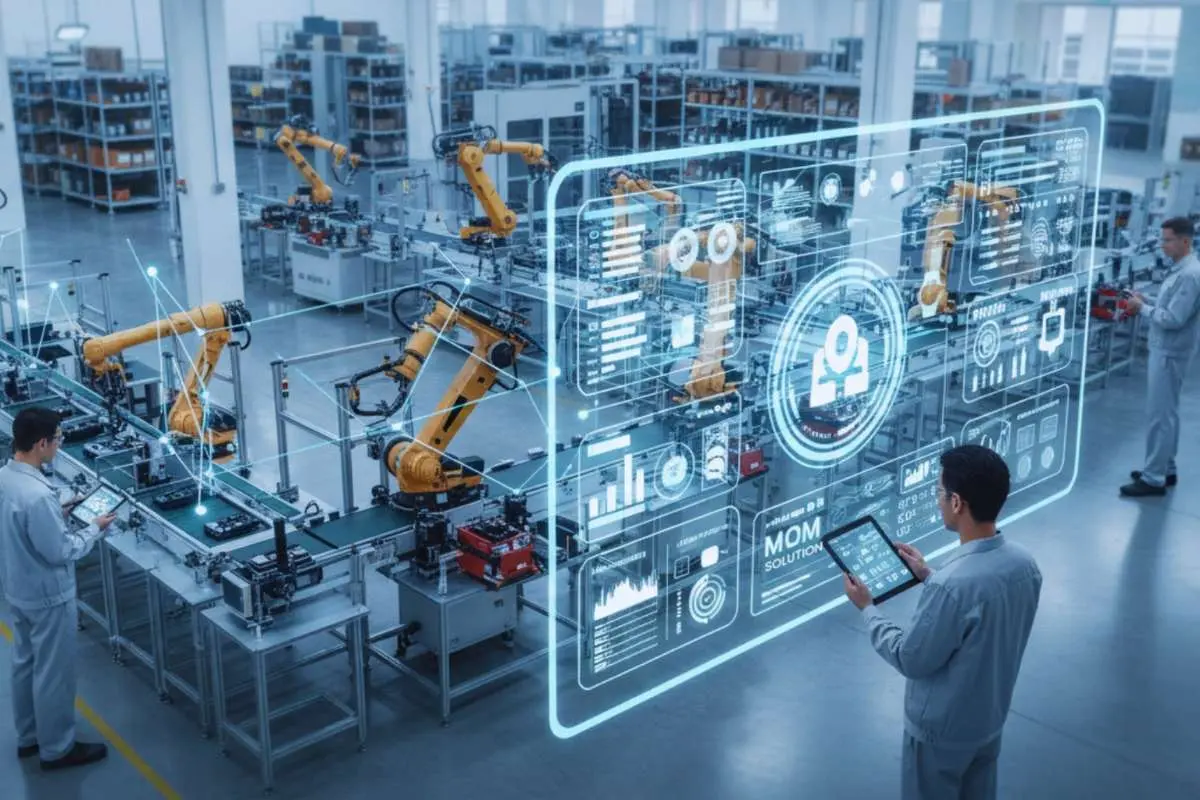
MOM is changing as factories use more connected technologies. In the future, manufacturers will rely on smarter tools to improve daily operations and solve problems faster.
AI will help teams make quicker decisions by spotting issues early and suggesting the best next steps. Some factories may also use systems that can adjust production schedules and settings automatically when conditions change.
Sustainability will become more important as manufacturers track energy use, waste, and carbon emissions more closely.
Many companies are also moving away from separate systems for production, quality, maintenance, and inventory. Instead, they are bringing this information together in one place. This gives teams a clearer view of operations and helps them make better decisions.
As these changes continue, MOM will help factories become more efficient, flexible, and easier to manage.
Conclusion
MOM helps manufacturers bring production, quality, maintenance, and inventory processes together. Improving visibility across the factory, it also supports better decisions, higher productivity, consistent quality, and more efficient operations.
As factories become more connected, manufacturing operations management plays an important role in helping teams respond quickly to challenges and adapt to changing business needs. Before investing in new technologies, manufacturers should first identify operational gaps and improvement opportunities. A clear understanding of current challenges can help ensure the right solutions deliver meaningful results.
People also ask
1. What are the main goals of manufacturing operations management?
Improve efficiency, quality, visibility, and resource utilization across manufacturing processes.
2. Is MOM suitable for small manufacturers?
Yes, it helps businesses improve efficiency regardless of factory size.
3. How long does MOM implementation typically take?
Implementation timelines vary from a few months to over a year.
4. Can MOM support regulatory compliance?
Yes, it improves traceability, documentation, and audit readiness.
5. What KPIs are commonly tracked in manufacturing operations management?
OEE, cycle time, downtime, first-pass yield, and schedule adherence.