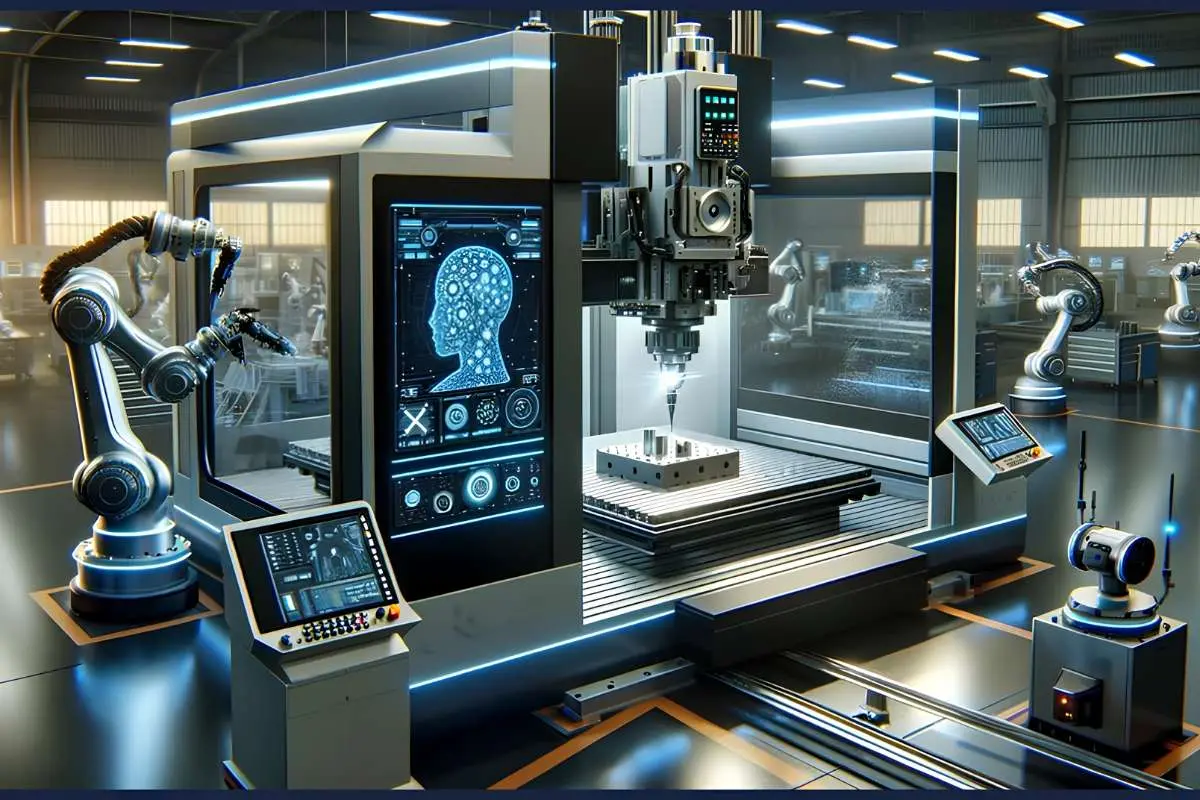
Digital transformation in manufacturing updates old factories with smart tools. New technology, like AI and IoT sensors, boosts production. This shift connects your data to lower your costs. It cuts down on machine breaks. It also helps your staff work more safely. Do not just buy software. True change alters your whole workflow. It turns raw data into fast wins.
Digital transformation in manufacturing means using new tech to upgrade how you build things.
Many factories face heavy pressure to modernize their old systems right now. In fact, most makers should adopt these tools to stay in the game. Global competition is fierce, and customer needs change faster than ever before.
This change brings massive shifts like Industry 4.0, smart factories, and automation. Artificial intelligence also plays a major role in making production lines much faster. According to a recent study, smart tech boosts factory output by 20%.
But tools alone will not save a struggling business from failure. True growth requires you to look far past the machines themselves. This journey is a full business shift that alters every single department. It reshapes how your people work and how your core processes run. You must align your staff and your workflow with the new tools.
Let us dive deep into the best ways to blend these pieces. You will learn how to lead this change without breaking your workflow. We will cover the best steps to take for lasting success.
What is digital transformation in manufacturing?
Many leaders make the mistake of buying software and calling it a day. True change requires three distinct steps.
First, digitization turns paper records into digital files. Next, digitalization uses those files to improve tasks. Finally, digital transformation rewires your business to create new value. Buying tools without changing your workflow does not count.
Factories have come a long way. Traditional and smart manufacturing represent two very different approaches. Traditional manufacturing relied on slow, manual steps and isolated machinery. Now, smart manufacturing connects every tool to a central digital brain. These connected systems share data across the floor instantly.
Let us look at how these worlds compare.
| Traditional | Digital |
| Manual data entry | Real-time data |
| Reactive maintenance | Predictive maintenance |
| Siloed operations | Connected ecosystem |
| Fixed production | Flexible production |
The old way forces you to act only after a crisis hits. You wait for a machine to break before you fix it. The digital way lets you predict a breakdown before it happens. This shift keeps your lines moving and saves you a lot of cash.
Old factories keep teams locked in separate, tight silos. A smart factory connects everyone to the same live data. This open view allows your team to make fast choices right on the floor.
Fixed lines used to limit what you could build each day. Digital tools give you flexible setups to meet sudden market shifts. You can switch your tasks quickly without stopping your entire line for days.
This growth turns your factory into a fast, living network. You no longer guess your output because your numbers live online. This clear view helps you serve clients better and beat your rivals.
Now you see how smart systems upgrade your daily work. Let us explore the forces that push companies to change.
Why is digital transformation in manufacturing no longer optional?

Manufacturers face massive pressure from every angle in the market today. Old ways of working fail to keep up with modern stress. Global supply chain disruptions break old shipping and tracking systems. You cannot ship goods if you do not know where the parts live.
Severe labor shortages leave production lines without enough workers. Rising operational costs take a huge bite out of your total profit.
At the same time, buyers demand fast product customization for every order. Strict sustainability rules mean you must track and reduce your waste closely.
Let us break down the exact pressures that force this shift.
Key market forces driving manufacturing transformation
These tough forces act as a loud wake-up call for makers.
First, volatile markets make old, fixed production plans a huge risk. You must use smart tools to adjust your output schedules instantly.
Second, the modern workforce wants digital tools to handle dull tasks. If you keep using paper, young talent will choose your rivals.
Third, green laws punish factories that track their carbon with guesswork. Digital transformation gives you the clear data to prove your compliance.
Finally, inflation forces you to wring out every drop of waste. You must use predictive insights to keep your overhead expenses low.
Ignoring these trends will cause your business to stall and fade. Embracing this change helps you turn these threats into solid wins. You build a strong shield against any future shocks in the market.
Now you see why standing still is the biggest risk of all. Let us look at the specific perks you gain from this journey.
Key technologies driving digital transformation in manufacturing
Powerful tech tools serve as the core engine for this entire factory shift. Let us look at the modern systems that rewrite your production floor rules.
1. Industrial internet of things (IIOT)
Silenced machines hide critical flaws until they break down completely on the line. The Industrial Internet of Things solves this dark blind spot with smart sensors. These small sensors track heat, vibrations, and speed across the plant floor.
This smart setup gives managers total real-time monitoring of every machine asset. As a result, you eliminate blind spots and catch equipment errors very early. Heavy equipment brands use this tech to monitor machine performance worldwide.
2. Artificial intelligence and machine learning
Human eyes miss tiny product defects during fast manual quality checking tasks. Artificial intelligence solves this human error through automated visual camera scans. Machine learning models also analyze past sales data for accurate demand forecasting.
This tech delivers predictive maintenance to stop breakdowns before they can happen. You get higher product quality and zero unexpected factory downtime events today. Elite car makers use artificial intelligence to inspect paint work on vehicles.
3. Cloud computing
Siloed servers prevent distant teams from sharing crucial factory data quickly now. Cloud computing solves this isolation by moving data to open online networks. This shift offers instant data accessibility to your workers in any location.
You gain massive scalability without buying expensive new computer hardware on-site. This structure lets you adjust your storage space as your business expands. Modern aerospace firms use cloud networks to design parts across global sites.
4. Digital twins
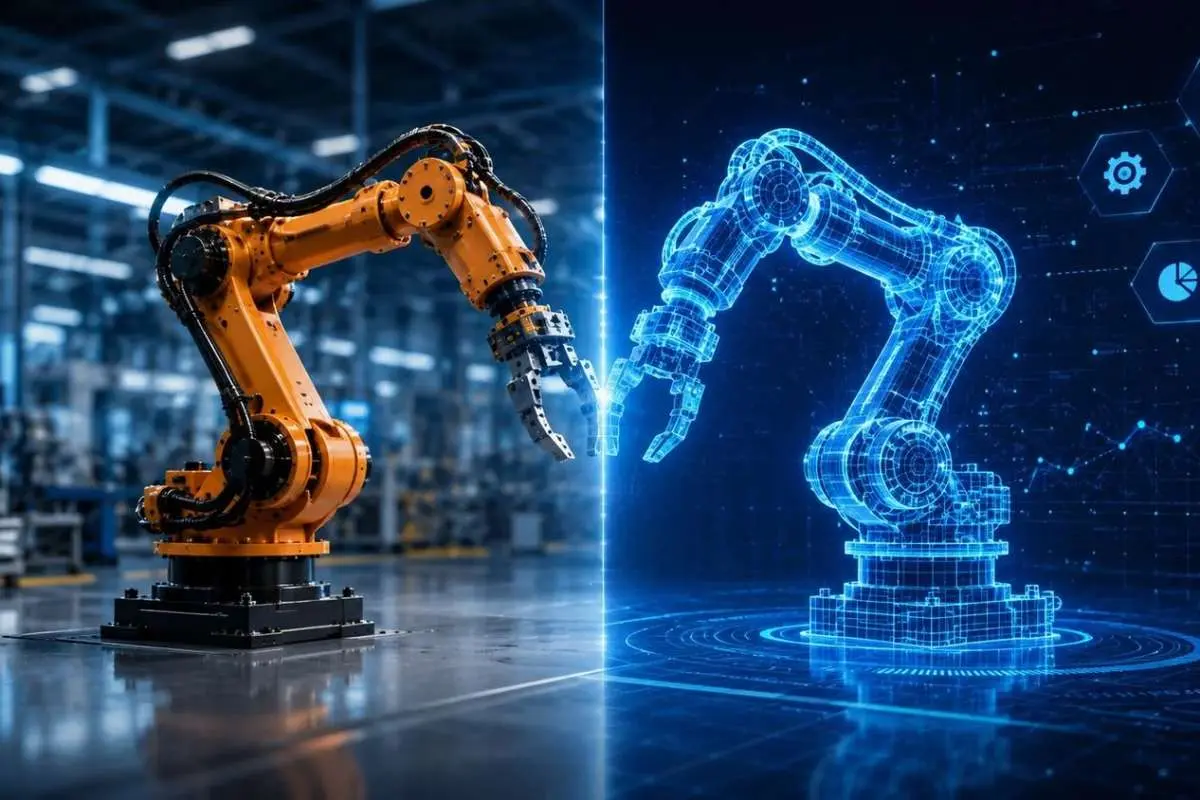
Testing new production lines in the physical world costs way too much. Digital twins solve this financial risk by building virtual factory layout models. You run simulation testing on these digital clones without stopping real lines.
This tool lowers setup costs and speeds up your rollout plans significantly. You find layout flaws in the virtual world before spending real money. Power firms use digital twins to optimize wind turbine designs virtually now.
5. Robotics and automation
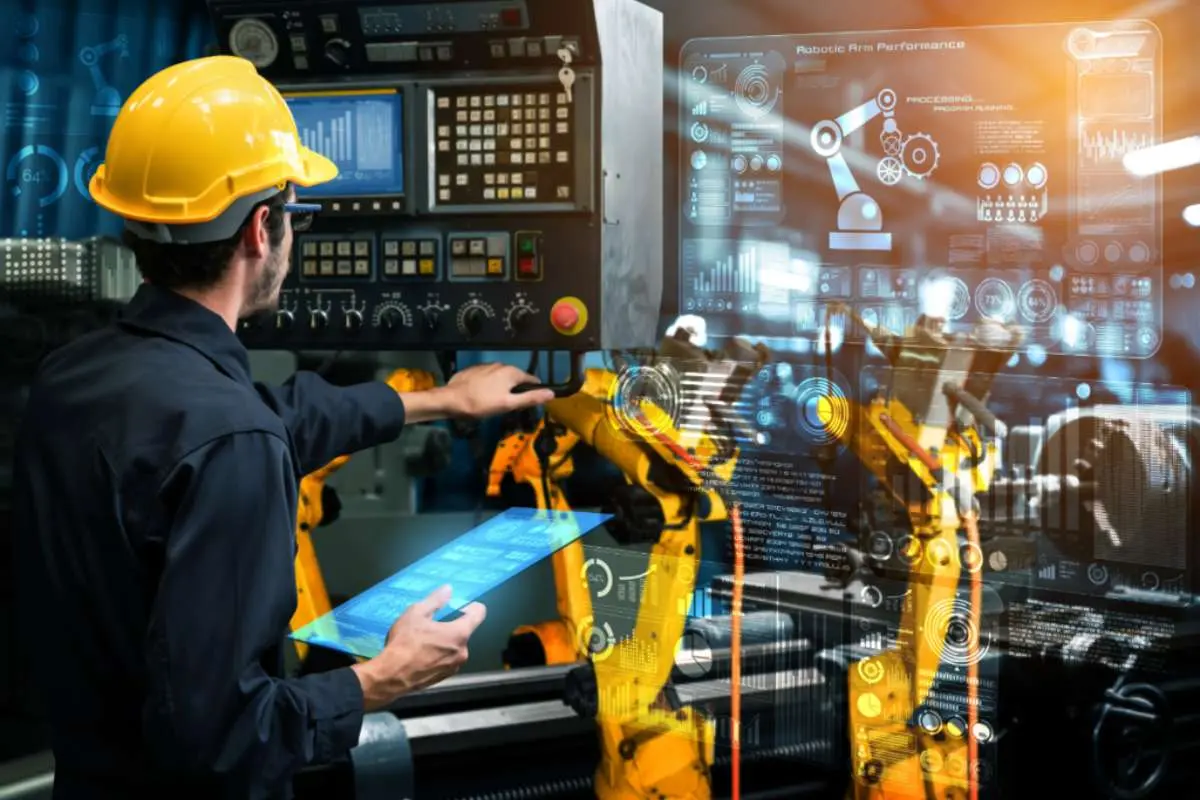
Dull heavy lifting drains human workers and causes frequent injuries on shift. Advanced robotics solves this safety hazard by taking over dangerous physical tasks. Collaborative robots work safely right next to human operators on the line.
This blend creates automated workflows that run smoothly all day long now. You get steady production rates and far fewer workplace injury claims annually. Electronics makers use small cobots to assemble tiny circuit boards with precision.
6. Edge computing
Sending huge data files to distant clouds creates slow network lag times. Edge computing solves this lag by processing data right on the floor. This local processing ensures ultra-low latency for critical time-sensitive machinery.
You get instant machine shutdowns if a dangerous safety hazard occurs nearby. This speed keeps workers safe and prevents severe tool damage instantly on site. Steel mills use edge devices to monitor blazing hot furnace sensors now.
7. Big data analytics
Factories drown in messy numbers but lack clear, actionable insights each day. Big data analytics solves this confusion by sorting vast data piles quickly. The software converts raw facts into deep, valuable manufacturing intelligence for teams.
This system drives operational optimization across your entire supply chain network. You spot hidden bottlenecks and cut out useless fuel waste very quickly. Chemical plants use big data to balance recipe ingredients for high yield.
Benefits of digital transformation in manufacturing

Real transformation delivers clear, practical wins across the entire production floor. Let us look at the exact results you get from these modern steps.
1. Increased operational efficiency
Old factories run into trouble because they use split data and isolated systems. This setup forces teams to guess and makes slow lines even slower.
To fix this, you can look at one main screen that connects all your machines. This screen shows a slow belt long before it stops. Your team can fix the flow fast to keep things moving.
This smart shift turns your daily work into clear wins. New tools unlock up to 15% more factory space without adding tools. You get a smooth pace that hits every due date.
2. Reduced downtime
Broken machines drain your cash fast. When a key tool stops, the whole line sits idle, and repairs cost a lot. These surprise stops cost the world plants roughly 50 billion dollars each year.
The best move replaces old routines with smart sensors that spot issues early. These small tools track tiny shakes to warn you when a part gets old. You can fix the machine during a break instead of losing peak work hours.
3. Maintenance strategy comparison
- Reactive: You wait for the machine to break down before you fix it.
- Preventive: You replace parts on a rigid schedule even if they work fine.
- Predictive: Sensors track live wear, so you fix parts only when needed.
This fast plan keeps your factory floor humming with very few stops. New studies show these tools cut total downtime by up to 50%. You protect your budget and keep your word to clients.
4. Improved product quality
Using human eyes to catch tiny flaws leads to a lot of waste. Small errors slip past tired staff, causing bad recalls and angry buyer complaints.
You can solve this gap by putting fast cameras right on the line. These smart cameras spot tiny cracks in parts that human eyes miss completely. The system throws out the bad item before it moves down the line.
This step makes sure every item leaves your shop in perfect shape. Shops using this tech see up to 79% fewer errors on their floor. You cut your waste and build deep trust with your market.
5. Better supply chain visibility
Many bosses work in the dark when it comes to their raw part shipping dates. This lack of sight causes sudden material shortages or costly piles of extra stock.
A smart tech plan links your main computer directly to your sellers. Instead of waiting for slow monthly reports, you track your parts in real time. You see exactly where your trucks sit on the map at any hour.
This tight link lets you change plans long before a shortage hits. You trim your storage costs because you only buy what you need today. Your whole network grows strong enough to handle shipping shocks easily.
6. Lower production costs
Rising costs squeeze your profit lines in old, paper-based plants. Lost work steps, high power bills, and scrap eat your hard-earned cash.
You can beat high costs by using data tools to clean up your floor. This software splits your direct costs from your indirect costs. It points exactly to where you waste money, so you can fix it fast.
- Direct Costs Affected: Raw materials, machine power, and touch labor.
- Indirect Costs Affected: Maintenance staff, unscheduled repairs, and floor storage.
This clear view helps you end waste and use your tools well. By catching errors early, you lower your total bills. Your business enjoys lower costs and a much stronger profit line.
7. Enhanced worker safety
Big tools and fast lines present constant physical threats to your floor staff. Old safety rules only look back at old injuries after a worker gets hurt.
You can protect your crew by giving them smart, wearable safety bands. These light bands track tired workers and warn them of bad gas leaks. If a person gets too close to a moving robot, the tool stops fast.
This tech creates a safe workspace where your staff feels good every day. You cut your injury claims and avoid big fines from safety bosses. Most of all, you make sure every team member goes home safe.
8. Sustainability and energy efficiency
Big furnaces and heavy pumps draw huge amounts of power every single day. These heavy power loads drive up utility bills and expand your carbon footprint.
The best solution uses smart software to govern your power grid. The software shifts heavy tool tasks to off-peak hours when power is cheap. It also powers down idle tools that sit empty on the floor.
This smart management cuts your monthly bills down to a good size. These simple digital shifts lower your total energy waste by a solid 12%. You save serious money while proving to your clients that you run a green shop.
Real business problems that digital transformation in manufacturing solves
Traditional factories face deep operational pains that drain revenue every single day. Let us look at the exact business issues this shift resolves.
Challenge → Technology → Outcome
- Broken Machines: Sudden tool breakdowns freeze lines and spike fix fees. Put smart sensors on tools to predict when parts wear out. This step lets you fix parts early to keep lines moving.
- Messy Stock Tracking: Poor warehouse views leave managers guessing about parts on hand. Link your systems to track parts in real time across the floor. You end stock shortages and cut high storage fees.
- Product Flaws: Human eyes miss tiny defects that slide through to final buyers. Put smart cameras on the line to catch tiny errors instantly. You stop product recalls and boost your final output quality.
- Shipping Delays: Sudden transport holdups leave assembly lines sitting completely idle for days. Connect your main computer directly to your global suppliers to pivot fast. You find backup parts quickly to keep your word to buyers.
- Lack of Workers: Empty spots in your crew slow down production and tire out your staff. Bring in automated robots to handle the most dull, repetitive tasks. You keep your output steady while freeing people for better roles.
| Problem and Solution Matrix | ||
| Challenge | Smart Technology | Business Outcome |
| Machine Failures | IoT Sensors | Continuous Uptime |
| Blind Inventory | Real-Time Tracking | Zero Stock Outages |
| Product Defects | AI Image Scans | Zero Defect Recalls |
| Shipping Delays | Connected Platforms | Flexible Sourcing |
| Missing Workers | Robotic Automation | Steady Output Rates |
Digital transformation in manufacturing across industries

Broad talk misses how distinct factory fields use these smart systems. Let us see how different sectors use these tools to solve specific floor pains.
1. Automotive manufacturing
Car makers face pressure to build complex electric vehicles with perfect precision. To manage this, plants use mobile robots to move heavy car frames across the floor. These smart vehicles talk to a central brain to avoid traffic jams in the shop. This step speeds up assembly times and lets lines switch car models instantly.
2. Electronics manufacturing
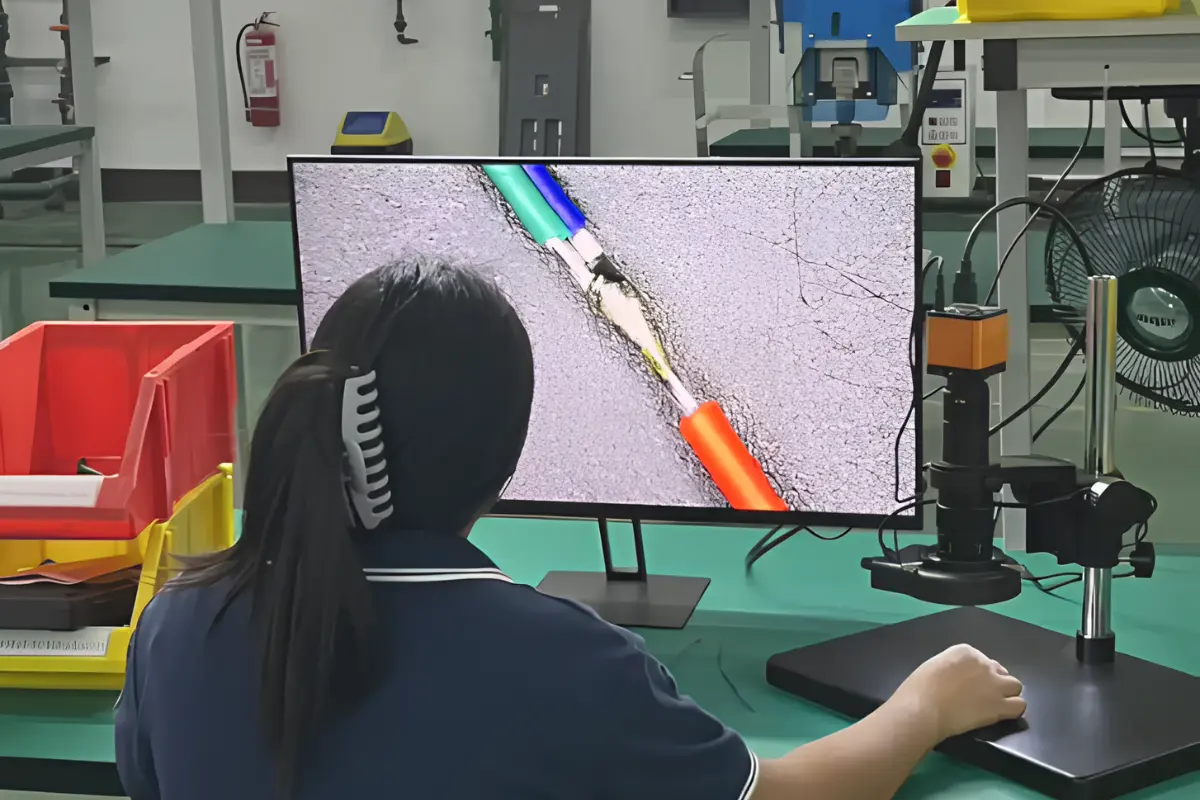
Building tiny circuit boards leaves zero room for human error. Microscopic chips require perfect placement that manual work cannot achieve. Electronics plants use fast cameras to inspect solder joints in real time. This tech flags a misplaced chip in milliseconds, keeping waste rates close to zero.
3. Food and beverage manufacturing
Food factories must balance strict recipes with fast expiration dates. A single batch error can ruin thousands of gallons of product and cause safety recalls. Makers install heat sensors to monitor pasteurization every single second. This tracking guarantees food safety while cutting ingredient waste.
4. Pharmaceutical manufacturing
Drug makers operate under tight rules where a tiny mix-up causes massive fines. Paper logs make tracking chemical batches slow and prone to typos. Smart factories use secure digital systems to record every ingredient drop automatically. This clear trail simplifies audits and ensures every pill matches the exact formula.
5. Aerospace manufacturing
Building aircraft involves tracking thousands of costly parts across massive floors. Losing a single custom bolt can stall a big project for weeks. Aerospace firms put tiny radio tracking tags into every single part and tool. Managers can find any part instantly on a digital map to keep assembly on track.
Best practices for successful digital transformation in manufacturing
Executing a digital shift requires a clear, step-by-step game plan. Let us look at the best steps to guide your factory floor forward.
1. Start with business goals.
Never buy new software just because it sounds fancy. You must tie every new tool directly to a clear shop problem first. Decide if you want to cut material waste or boost your line speed.
2. Check your current tools.
Look at your current setup to see if your old machines can share data. Fix your computer networks before you buy expensive tools. Knowing your starting point saves you from bad mistakes later.
3. Pick fast wins first.
Look for easy tasks that give quick results within your first few months. Fixing one slow packing line proves the value of the tech to your bosses. These small, early wins help you get cash for bigger shop upgrades.
4. Train your workers
Your crew will ignore advanced tools if they do not know how to run them. Pay for simple classes to teach floor workers how to use the new screens. True change happens only when your team trusts the new system.
5. Choose tools that grow.
Avoid rigid software that locks your facts into a single, closed setup. Pick open systems that grow easily as you add more factory lines. This choice ensures your tools stay useful for a long time.
6. Track your savings often.
Check your cash gains each week to make sure the new tools pay off. Compare your current fix bills against your past repair costs. Regular checks show you exactly where to tweak your setup for the most profit.
7. Simple Implementation Roadmap
Assessment → Pilot Project → Scale → Optimize
The biggest challenges of digital transformation in manufacturing

While the perks of a smart factory are massive, you will face real hurdles along the way. Knowing these roadblocks helps you move past them without stopping your lines.
1. High initial investment
Buying new robots and software takes a large amount of cash. This big price tag scares small makers who run on tight budgets.
- How to fix it: Break your plan down into small steps over a long time. Use the cash you save from the first small project to pay for the next tool.
2. Legacy system integration
Old machines lack the computer chips needed to share data online. Forcing these old tools to talk to new software creates big problems.
- How to fix it: Put cheap external sensors right onto your old machines. This step lets old gear talk to new networks without costing a fortune.
3. Cybersecurity risks
Connecting your factory floor to the internet opens you up to safe attacks from hackers. A single virus can freeze your whole line and steal private designs.
- How to fix it: Build a tight network that locks your plant floor away from office email. Run regular safety updates and check data traffic for weird spikes.
4. Data management complexity
Smart factories create millions of numbers every second from thousands of sensors. This big flood of data quickly breaks standard databases and creates a mess.
- How to fix it: Use local data boxes to clean and sort raw facts right on the floor. Only send the most important alerts to your main network to keep things simple.
5. Employee resistance
Floor workers often fear that new robots will take their jobs. This fear leads to quiet pushback, mistakes, and a refusal to use new tools.
- How to fix it: Bring your staff into the plan early to show them how it helps. Show them that the tech is a tool to take away dull, heavy lifting from their day.
6. Skills gaps
Modern factories need staff who understand both machines and software tools. Most old operators lack these skills, leaving you with tools nobody can run.
- How to fix it: Work with local trade schools to build simple training classes for your crew. Teach your current loyal workers new skills instead of hunting for rare, costly experts.
Measuring ROI of digital transformation in manufacturing
You cannot manage what you do not measure, so tracking your financial gains ensures your tech budget actually delivers real value on the floor.
- Calculate Total Cost Savings: Subtract your new software maintenance fees from your past manual repair bills to find your net savings.
- Track Equipment Uptime Gains: Compare your current weekly machine runtime hours against your old baseline numbers before adding smart sensors.
- Monitor Scrap Reduction Rates: Measure the drop in total material waste after installing automated computer vision cameras on your lines.
- Evaluate Employee Output Spikes: Review the total volume of goods built per shift to see how automation frees your staff.
- Audit Compliance Audit Speeds: Check how many hours your team saves during government inspections by pulling up instant digital logs.
Future of digital transformation in manufacturing

The next decade will completely redefine how factories operate across the globe. Emerging industrial shifts will push manufacturing far past simple automated lines.
1. AI-Powered autonomous factories
Factories will soon run entirely on self-healing systems that fix their own mechanical issues. Artificial intelligence will adjust machine speeds instantly based on changing global market demands.
2. Hyperautomation
Makers will connect every single business layer to automate thousands of complex operational tasks. This deep connection links raw material orders directly to live shipping docks without human intervention.
3. Generative AI in manufacturing
Engineers will use advanced prompt models to design lightweight parts in a fraction of the time. The software automatically tests millions of material variations to find the strongest structure.
4. Digital twins at scale
Companies will build virtual clones of their entire global supply network rather than just single machines. This macro view lets leaders simulate massive market shocks before they ever hit physical facilities.
5. Sustainable smart factories
Green networks will manage their own carbon footprints through real-time power routing systems. Future plants will automatically trade excess renewable energy back to local power grids to eliminate waste.
6. Human-machine collaboration
Workers will use advanced mixed-reality glasses to guide heavy robotic arms through complex custom builds. This blend keeps human creativity at the center of a highly automated floor.
Conclusion:
Embarking on digital transformation in manufacturing marks the difference between a thriving factory and a failing business today. Staying competitive needs you to view this journey as an ongoing necessity rather than a quick tech fix.
True success blends three critical pillars smoothly across your entire corporate footprint. You must unite advanced technology, a well-trained workforce, and optimized process transformation under one single vision.
Leaving your teams stuck in old, manual silos will only cause your operational margins to shrink. Embracing smart connectivity helps you build a highly responsive network that handles any sudden market shock easily.
The future belongs entirely to agile makers who convert raw data into fast, profitable action on the floor. Take your first small step today to secure your place in tomorrow’s smart industrial workplace.
People Also Asked:
1. What is Digital Transformation in the context of manufacturing?
It is the integration of digital tech like IoT and AI into factory operations to automate manual workflows.
2. What are the benefits of Digital Transformation in Manufacturing?
It cuts production costs, reduces machine downtime, and minimizes product defects.
3. How does AI support Digital Transformation?
AI automates quality inspections and predicts equipment failures before they happen.